For Homes
We handle wet basements in rowhomes, twins, and single-family houses across Philadelphia. You get a walk-through, a drying plan, and daily updates until the meter reads dry.
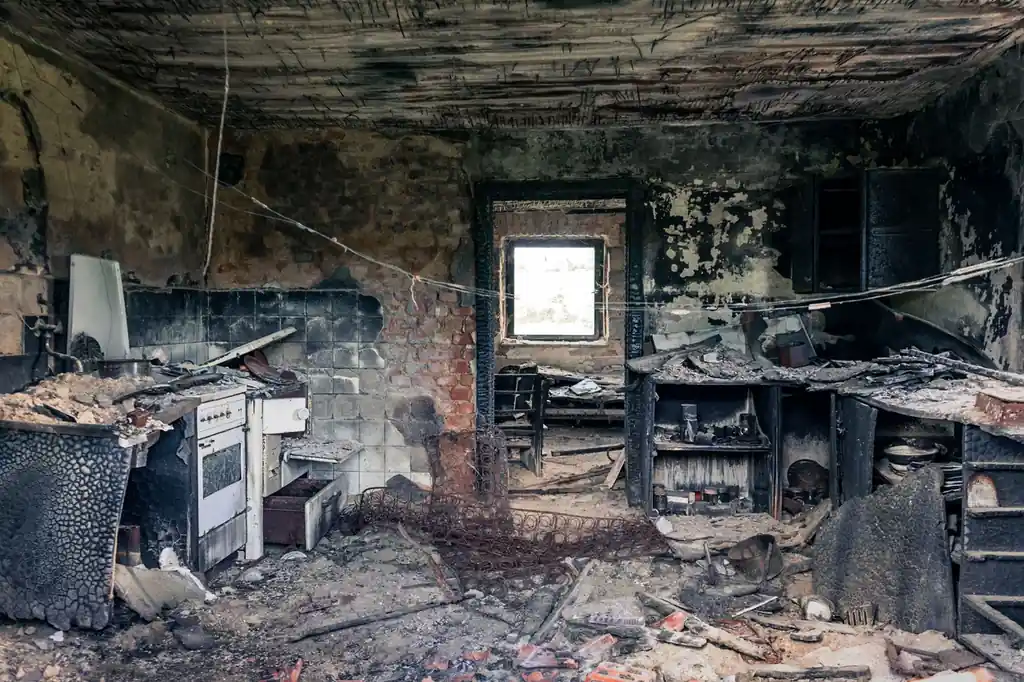
- Sump pump failure
- Burst pipe in wall
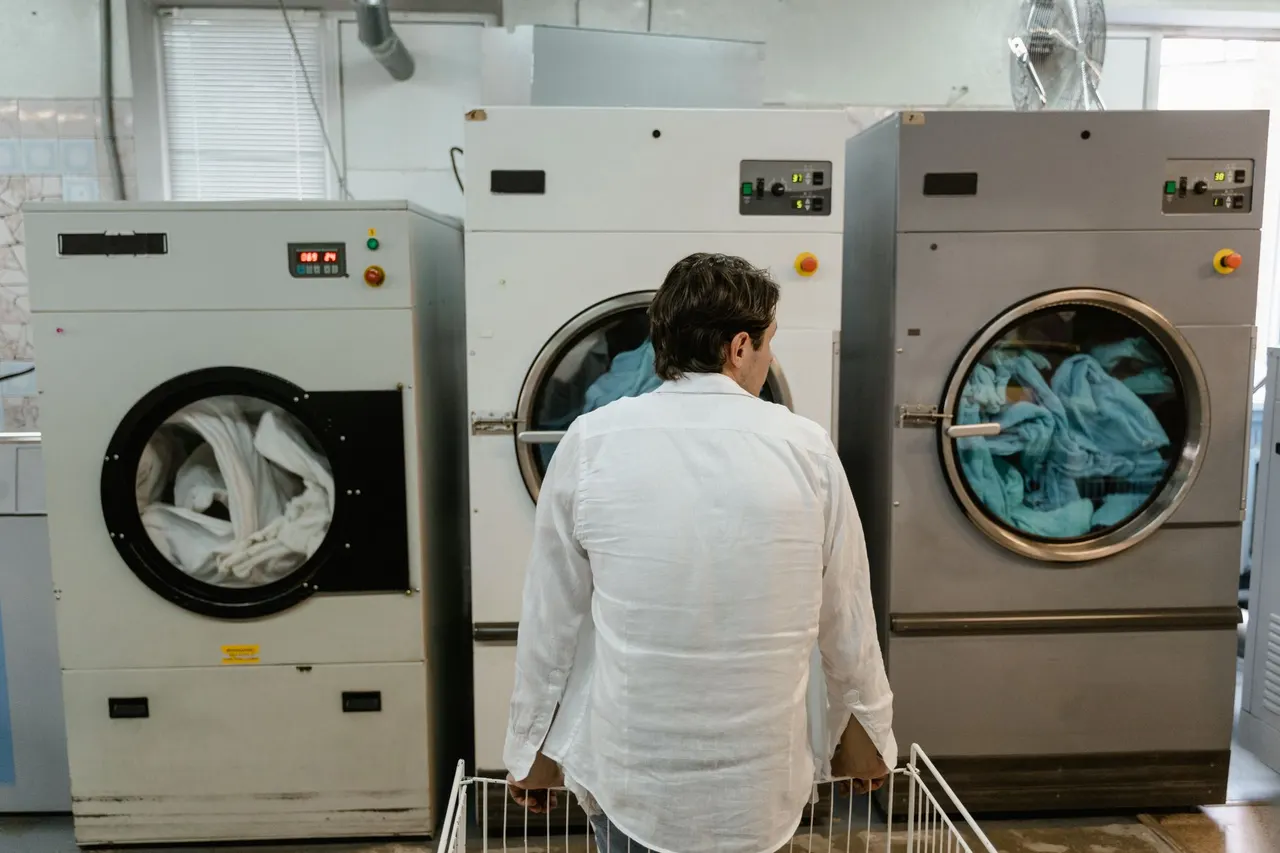
- Washer or heater leak
When your basement takes on water, basement water extraction Philadelphia PA crews from Water Damage Restoration Philly are on the road fast. We pull standing water, dry the structure, and document everything for your claim. Serving rowhomes, twins, and commercial properties across Philadelphia County since 2015. Call 215-281-3000 and we will tell you exactly what happens next.
 Moisture mappedWater extractedDrying logged
Every job starts with an inspection and ends with a drying report. What happens in between depends on how much water you have and what it touched. Here is what is standard on a basement water extraction Philadelphia PA job, and what gets added when the situation calls for it.
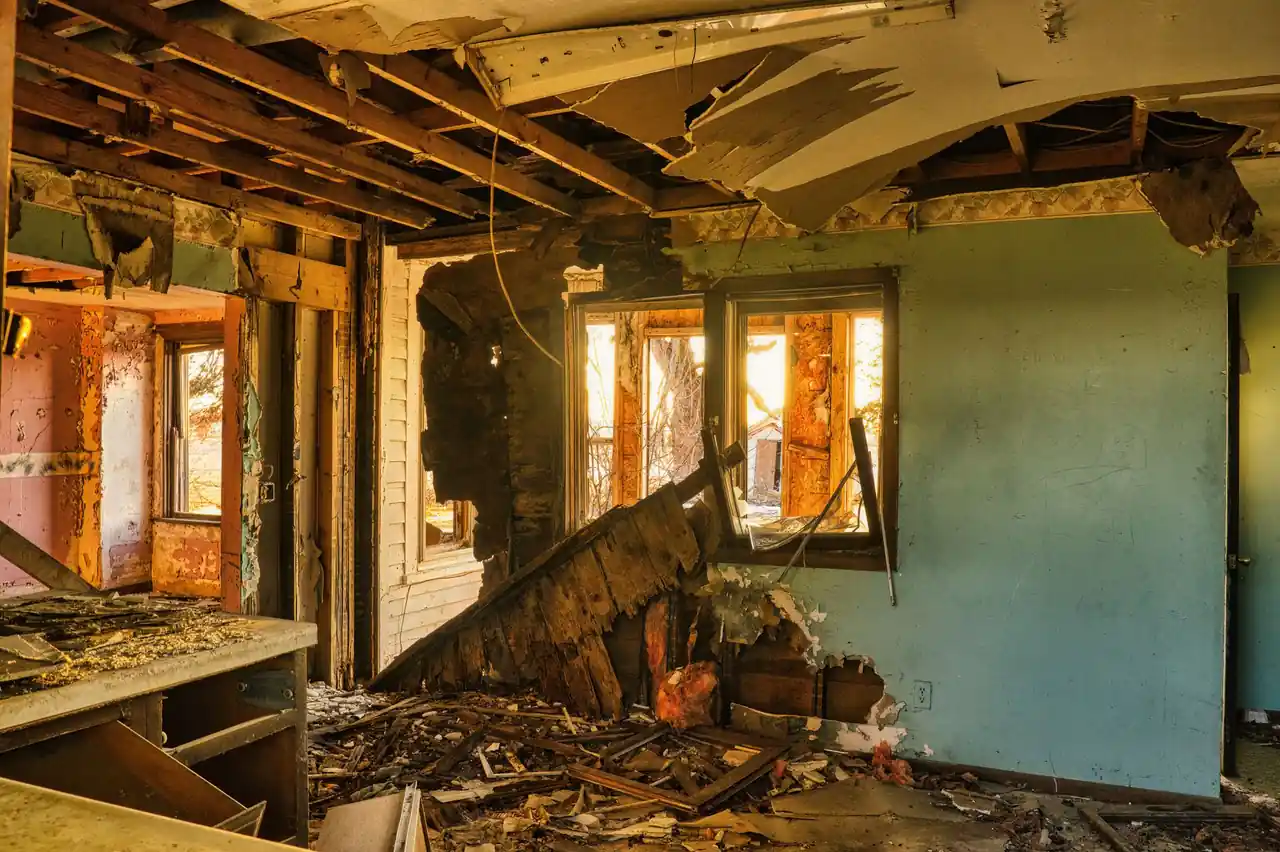
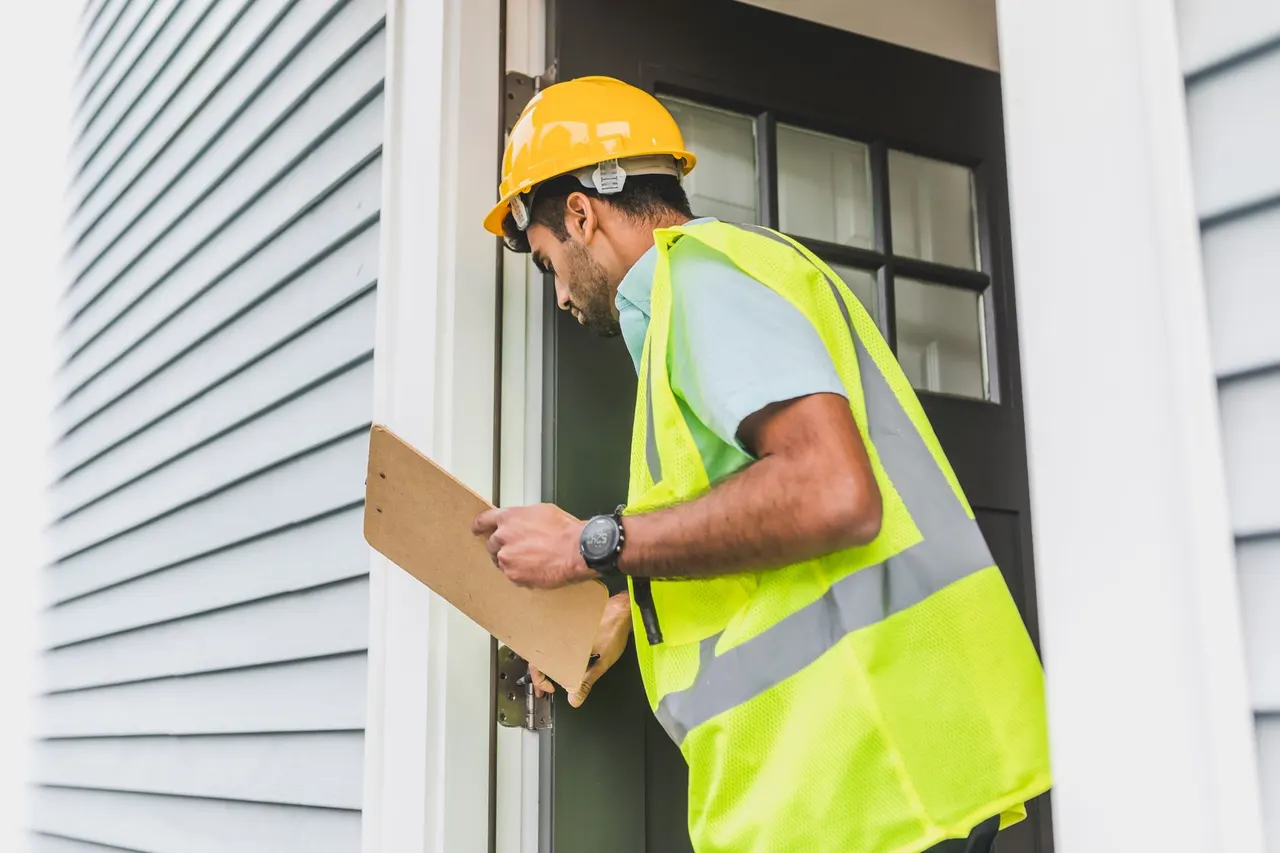
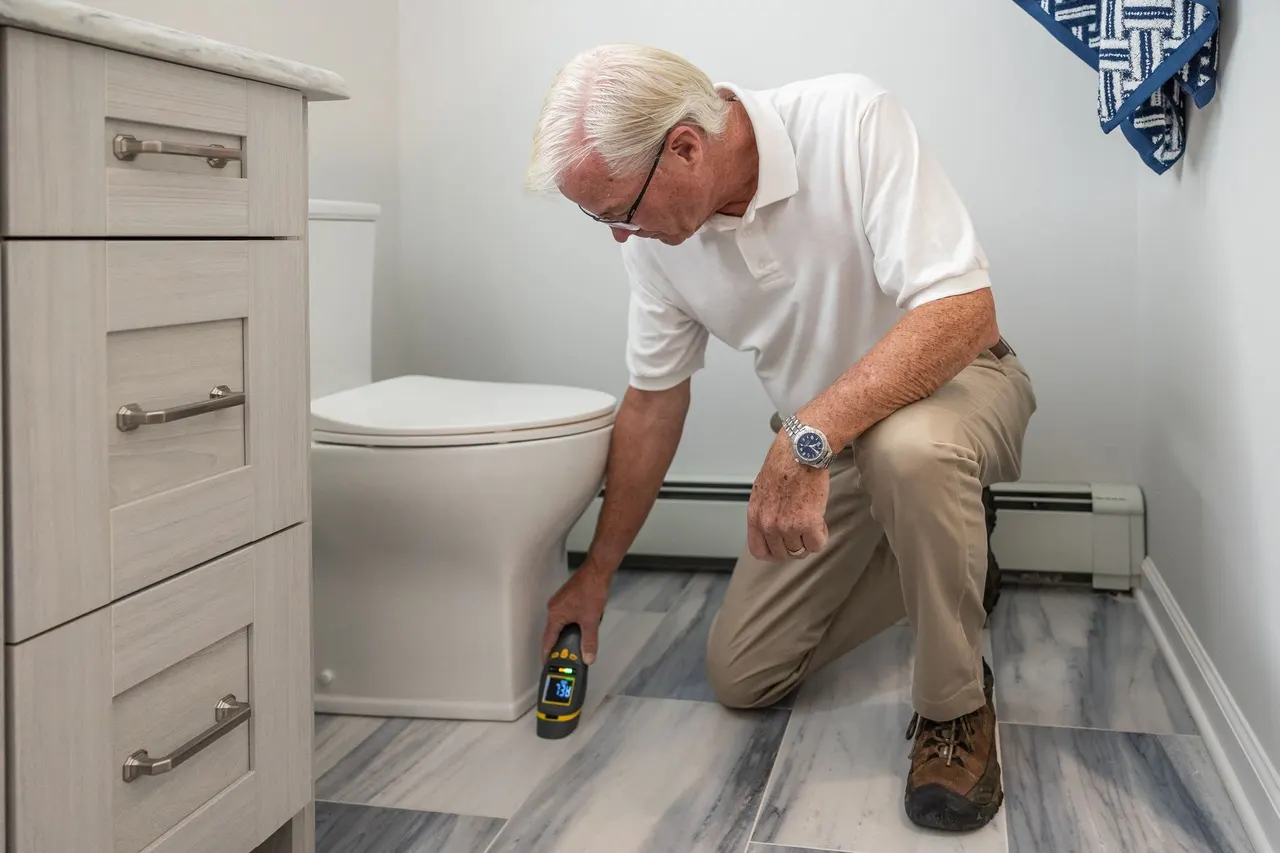
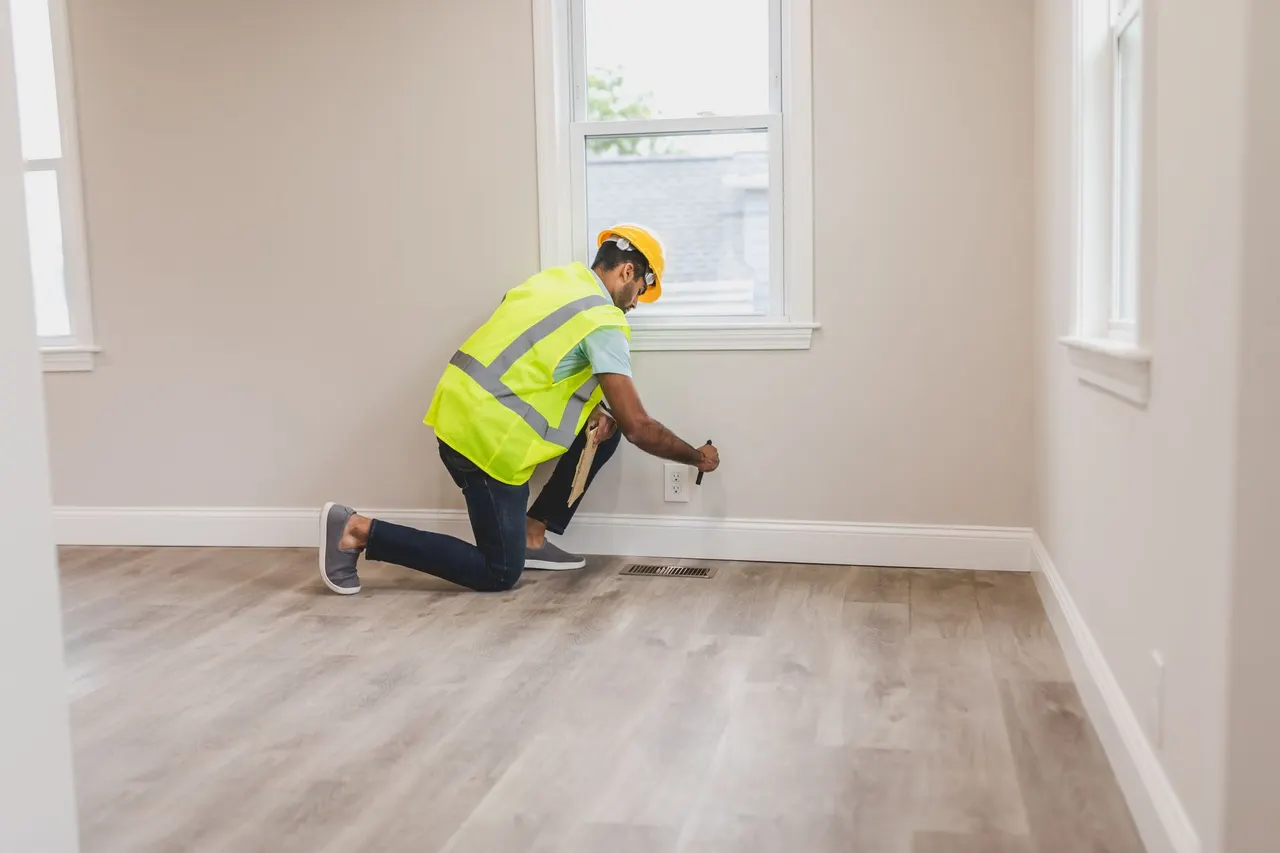
We walk the space with a moisture meter, hygrometer, and thermal imaging camera to find every wet zone, including hidden moisture behind drywall and under baseboard. You get a clear picture of what is wet before we start.
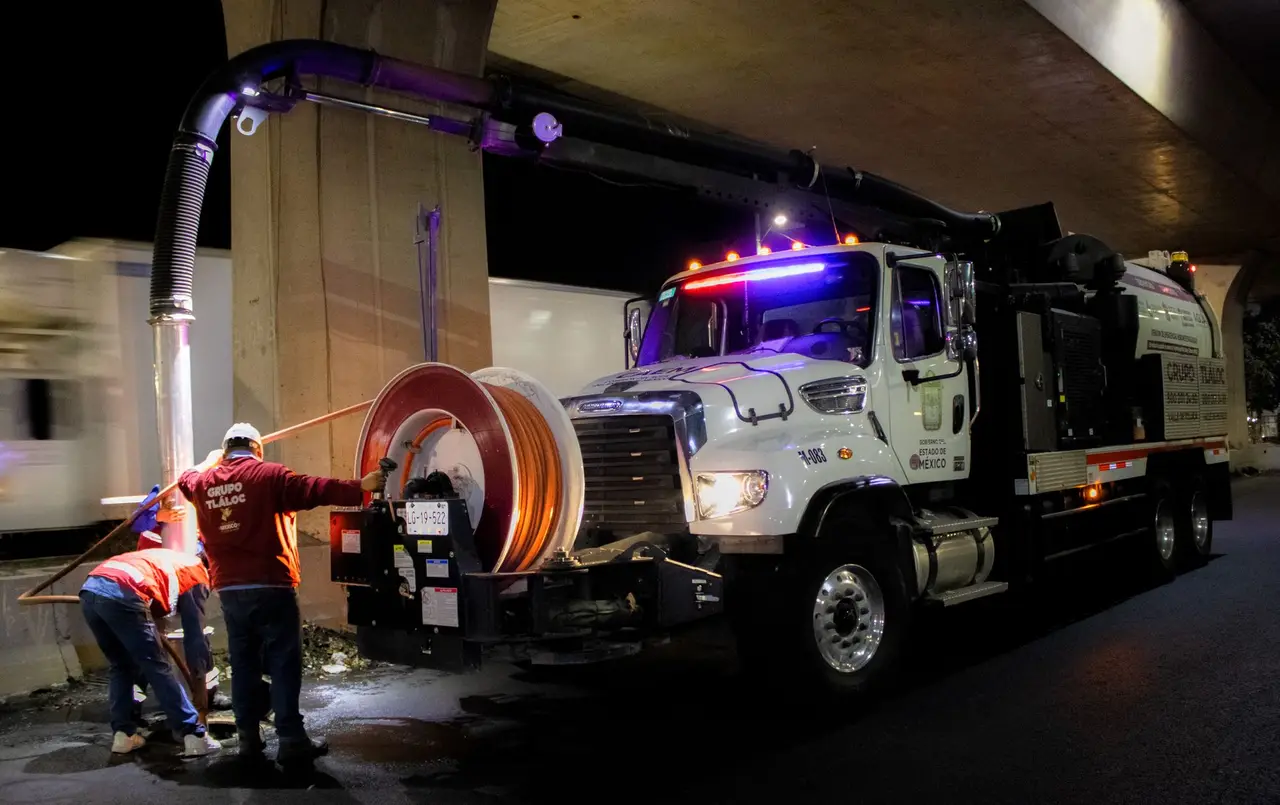
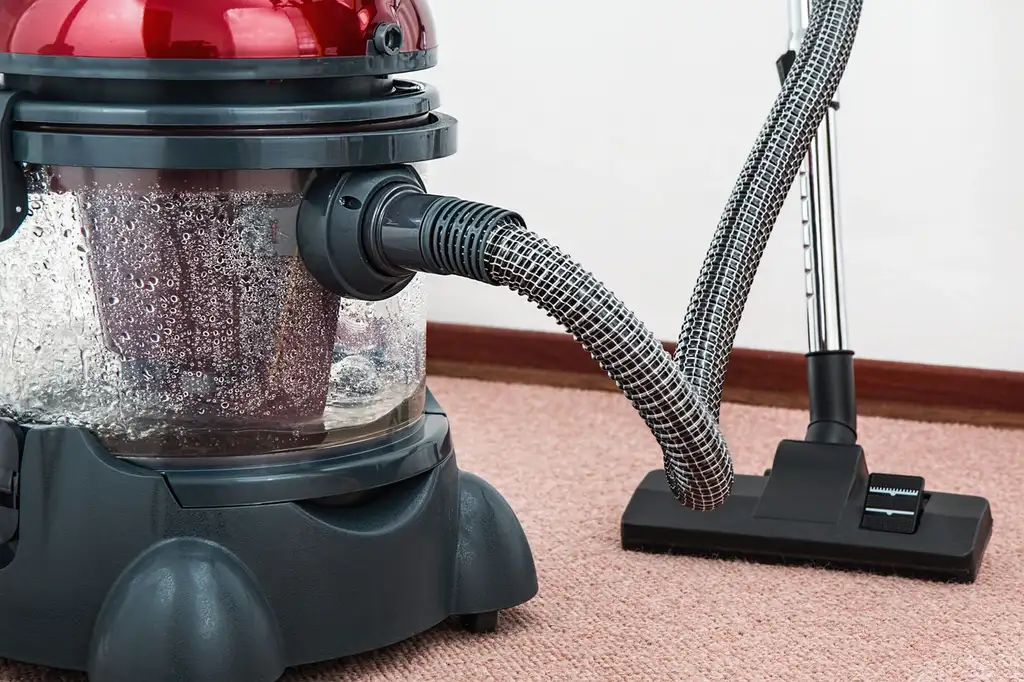
Truck-mounted extraction units and wet/dry vacuums pull standing water from the floor, carpet, and low spots. Most residential basements are free of standing water within two to four hours of our arrival.
Affected framing, drywall, and floor surfaces get treated with antimicrobial solution to stop mold growth before it starts. This is standard on every job, not an upsell.
Commercial dehumidifiers and air movers are placed to dry the framing, subfloor, and any salvageable drywall. Drying mats go down on hardwood. Equipment stays until the meter reads dry.
We return each day to check moisture readings, adjust equipment placement, and log progress. You get a daily update and can see the numbers trending toward dry.
Final documentation includes moisture logs, thermal images, photo records, and equipment run times formatted for Xactimate. Your adjuster gets everything needed to process the claim.
The approach is the same for a home and a business. What changes is the access, the schedule and who needs the paperwork.
We handle wet basements in rowhomes, twins, and single-family houses across Philadelphia. You get a walk-through, a drying plan, and daily updates until the meter reads dry.
We work with property managers, landlords, and business owners across Philadelphia County. Crews can run nights and weekends so your doors stay open and your tenants stay informed.
A plain-language look at what Basement Water Extraction involves and when it is needed.
See how it worksBasement water extraction Philadelphia PA is the process of removing standing water from a below-grade space with truck-mounted or portable extraction units, then drying the structure to prevent mold and structural failure. It is not a shop vac job. A wet/dry vacuum pulls surface water; a commercial extraction unit pulls hundreds of gallons an hour and reaches the water sitting under your subfloor, behind baseboard, and inside carpet padding. We meter the moisture, map the spread with a thermal imaging camera, and dry to a documented standard.
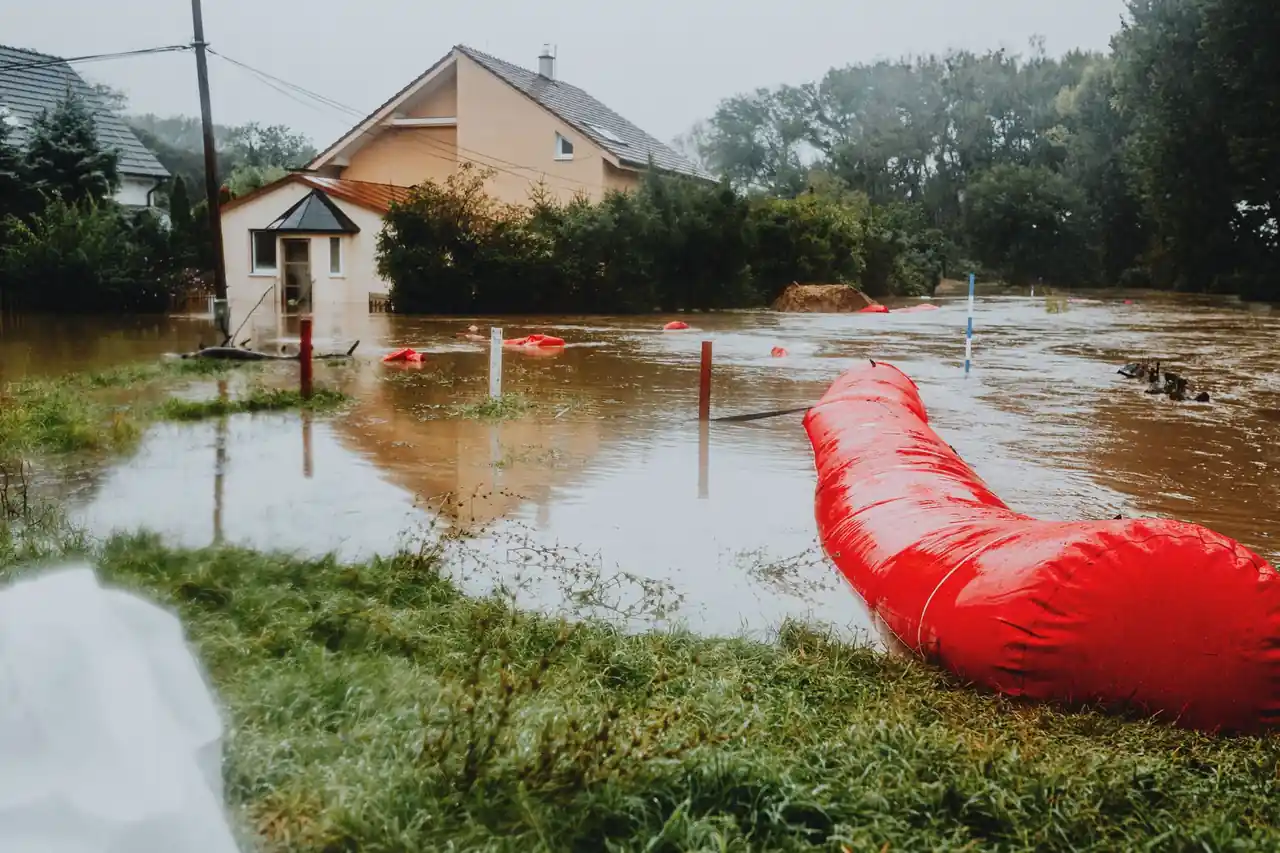
Philadelphia basements flood for predictable reasons. Sump pump failure during a heavy rain, a burst pipe behind a finished wall, sewage backup after a main line clogs, or a roof leak that runs down inside the masonry of an old rowhome. If you are searching for basement water extraction near me Philadelphia PA at 2 a.m., you are usually standing in two inches of water watching your water heater and washer float. We have handled that call in Fishtown, Germantown, and South Philadelphia hundreds of times.
Water comes out first, then the structure gets dried to a documented standard.
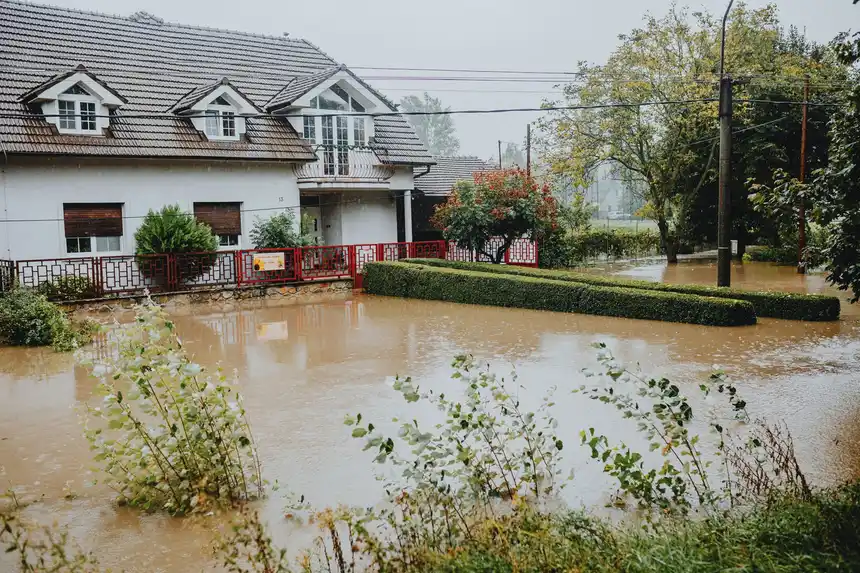
Every job follows the same five steps, whether it is a 200 square foot crawl space or a 2,000 square foot finished basement. You get a walk-through, a plan, and daily updates until the meter reads dry.
You call 215-281-3000 and describe what you see. We ask about the water source, whether it is clean or sewage, and whether power is safe to use. A crew is dispatched with the right equipment for your situation, usually arriving within 60 to 90 minutes inside Philadelphia County.
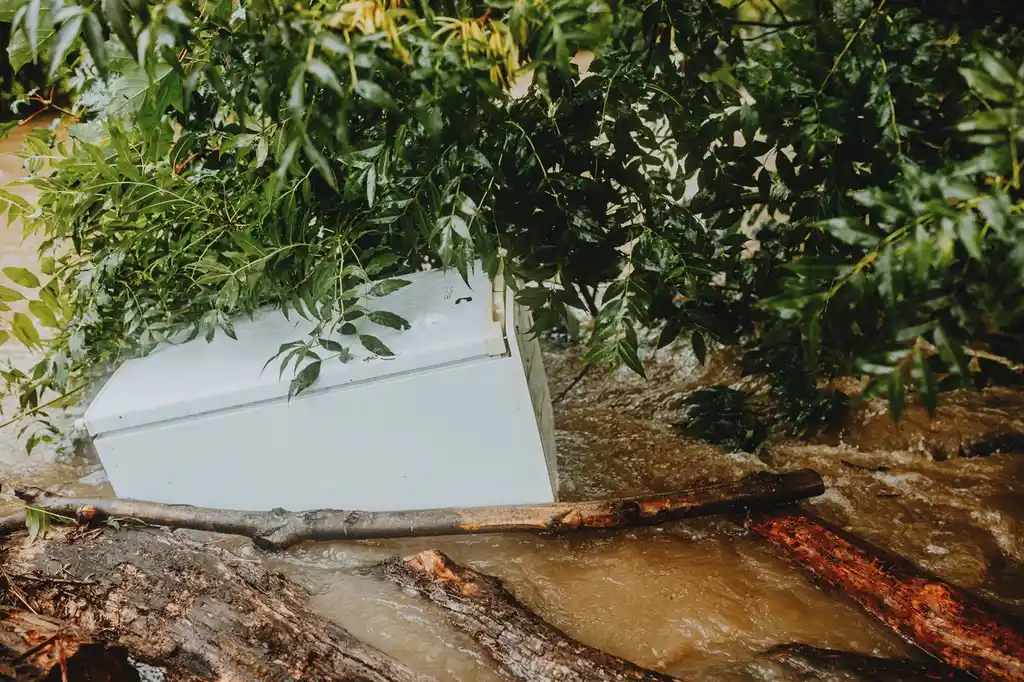
On arrival we walk the space with a moisture meter, hygrometer, and thermal imaging camera to find every wet zone, including water hidden behind drywall and under baseboard. We use a boroscope to check wall cavities. You get a plain explanation of what is wet, what is not, and what we are going to do.
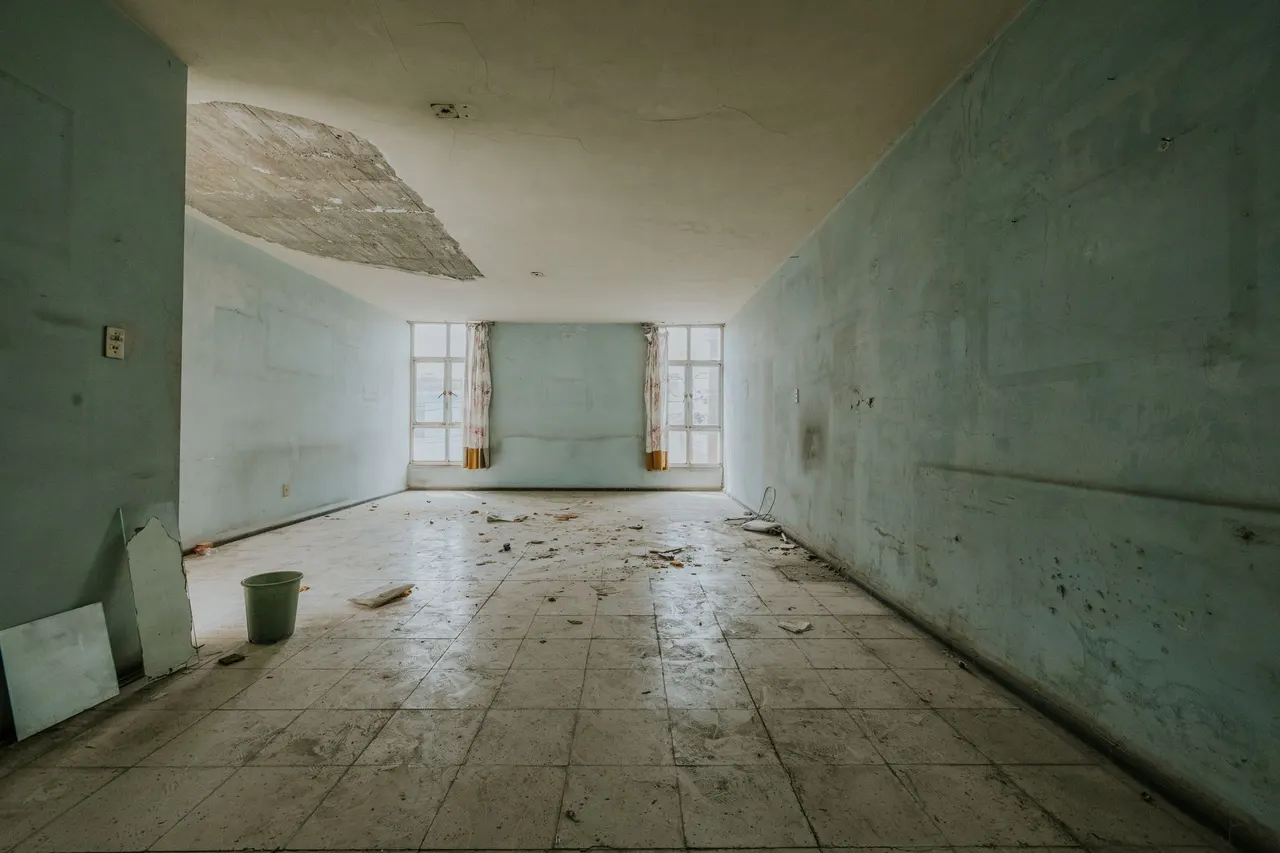
Truck-mounted extraction units pull standing water fast, then wet/dry vacuums and weighted extraction wands handle carpet padding and low spots. If the source is a sewage backup, we treat the area with antimicrobial solution before extraction begins. Most residential basements are free of standing water in two to four hours.
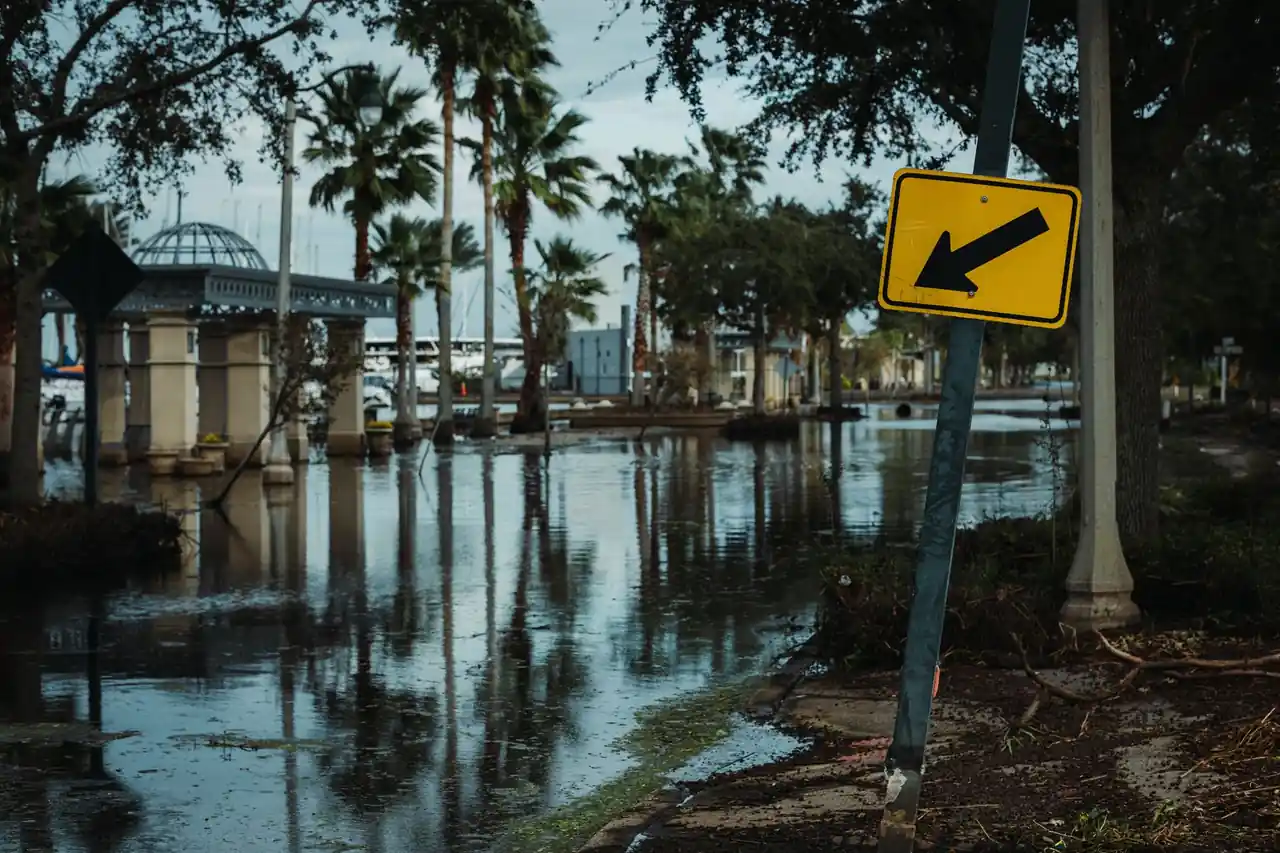
We set commercial dehumidifiers and air movers to dry the framing, subfloor, and any salvageable drywall. Drying mats go down on hardwood flooring. We check readings daily and adjust equipment placement until the space hits dry standard, which usually takes three to five days.
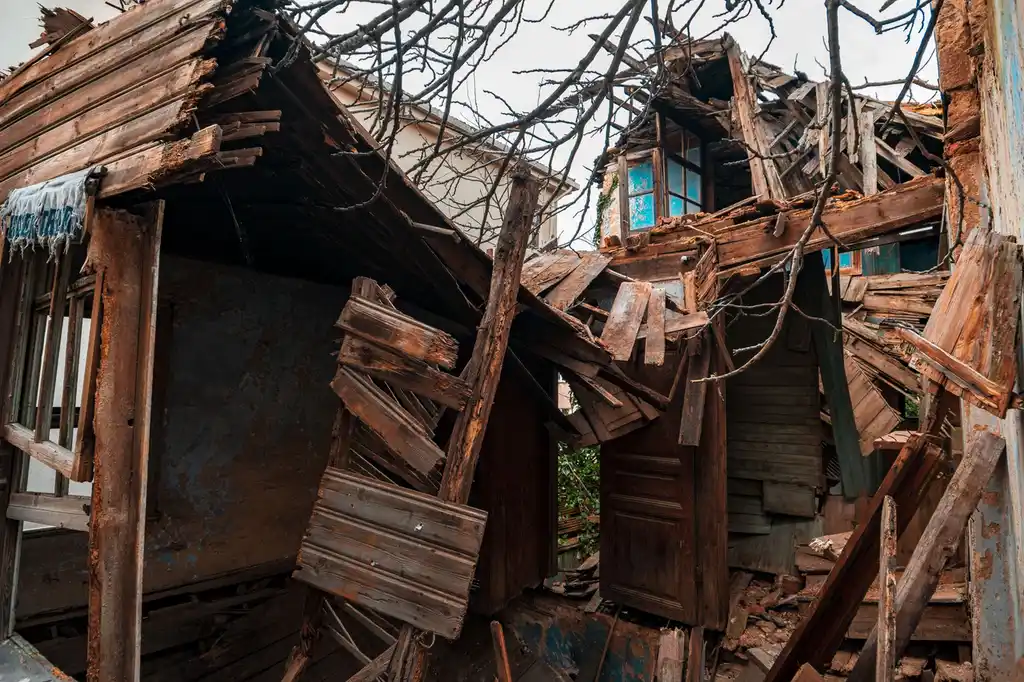
Before we pull equipment, we re-meter every affected surface and compare against our initial readings. You get a drying report with photos, moisture logs, and equipment run times. If anything is still reading high, the equipment stays. We do not call a job done until the numbers say it is.
Move across a circle, or focus it and press Enter, for an illustrative thermal view of the photograph.
Pulls hundreds of gallons per hour from standing water and carpet. This is the workhorse on every basement water extraction job.
Finds hidden moisture behind drywall, under flooring, and inside wall cavities without tearing the space apart.
Measures moisture content in framing, drywall, and subfloor, and tracks relative humidity in the air during drying.
Pulls moisture out of the air so wet materials can dry. Sized to the cubic footage of your basement.
Circulates air across wet surfaces to speed evaporation. Placed to create a drying vortex across the floor and walls.
Thermal views are illustrative, generated from the photographs.
Inspects inside wall cavities and behind baseboard to confirm whether hidden areas are wet.
Removes mold spores and odors after extraction and drying. Used on sewage backup and long-standing moisture jobs.
The industry standard for water damage restoration. It defines water categories, drying goals, and documentation requirements. Every job we run follows it, which is why our drying reports hold up with adjusters.
We take readings at multiple points across the affected area and record them on a map. This shows exactly where water traveled and gives us a baseline to measure drying progress against.
We return each day to re-meter affected surfaces and adjust equipment. Drying is not a set-it-and-forget-it process. Readings tell us when to move an air mover or add a dehumidifier.
After extraction, affected framing and drywall get treated with antimicrobial solution. This stops mold from colonizing during the drying window, which is the highest-risk period.
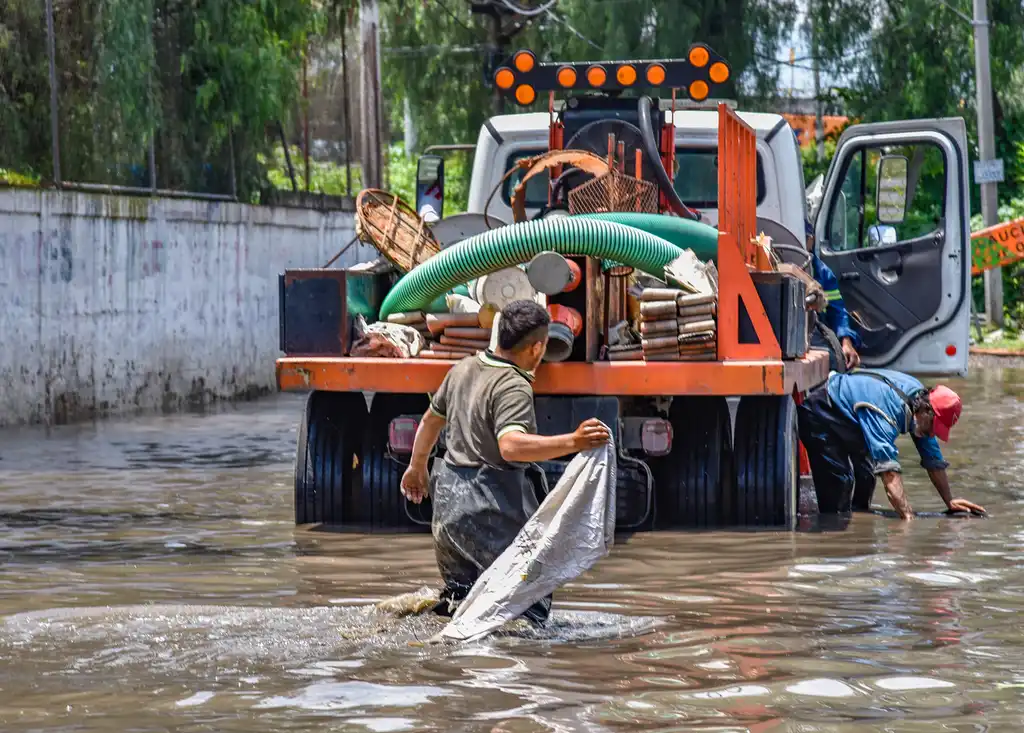
A Nor'easter dumps three inches of rain and your sump pump cannot keep up. You wake up to two inches of water across the basement floor.
We dispatch a crew with truck-mounted extraction and drying equipment. Standing water is pulled in two to three hours, then dehumidifiers and air movers run for three to five days to dry the slab and framing.
Outcome: Your basement is dry, the sump pit is checked, and you have a drying report for your insurance claim.
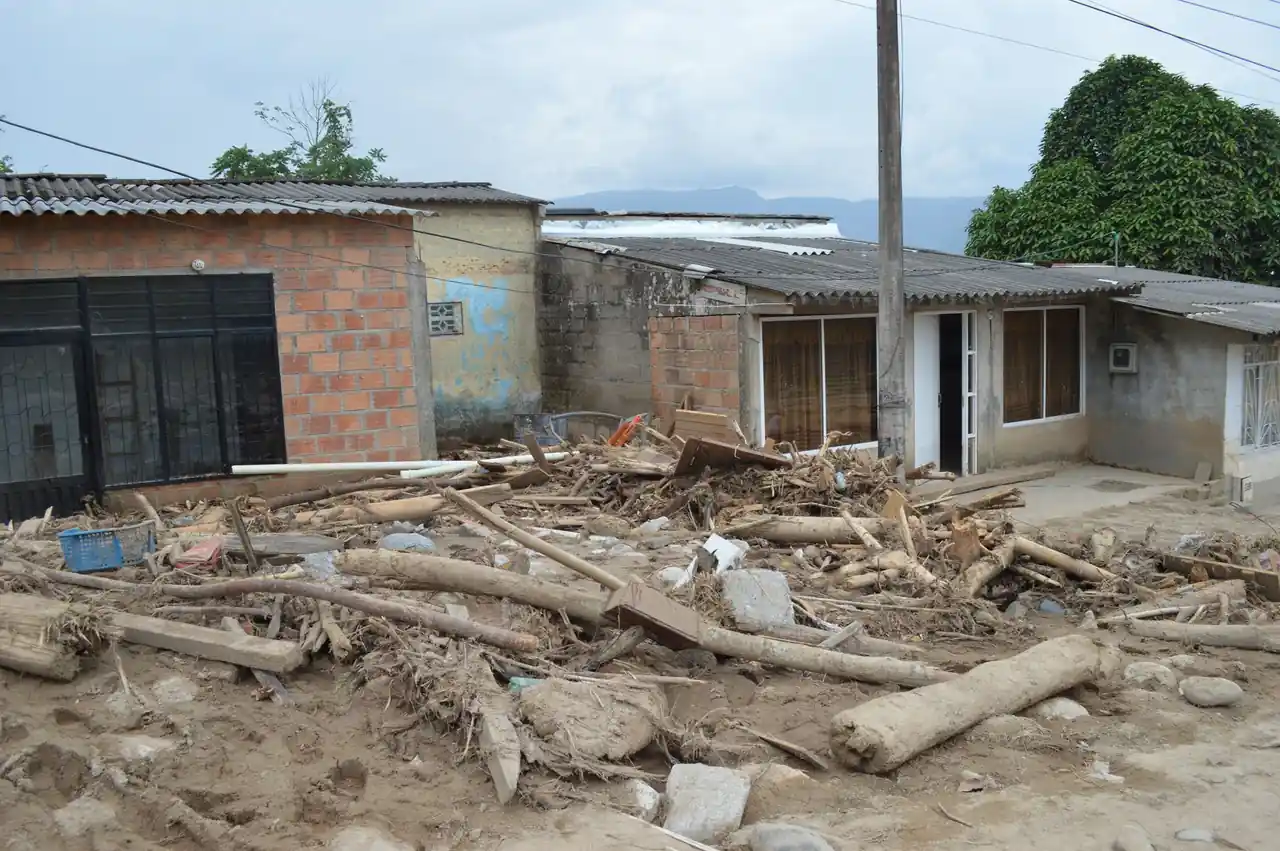
A pipe bursts in the wall of your finished basement on a Sunday night. Water is running under the carpet and into the drywall.
We shut down the water, extract from the carpet and padding with weighted wands, cut out saturated drywall, and dry the wall cavity and subfloor with air movers and a dehumidifier.
Outcome: The structure dries in four to five days, the wall is rebuilt, and your finished space is usable again.
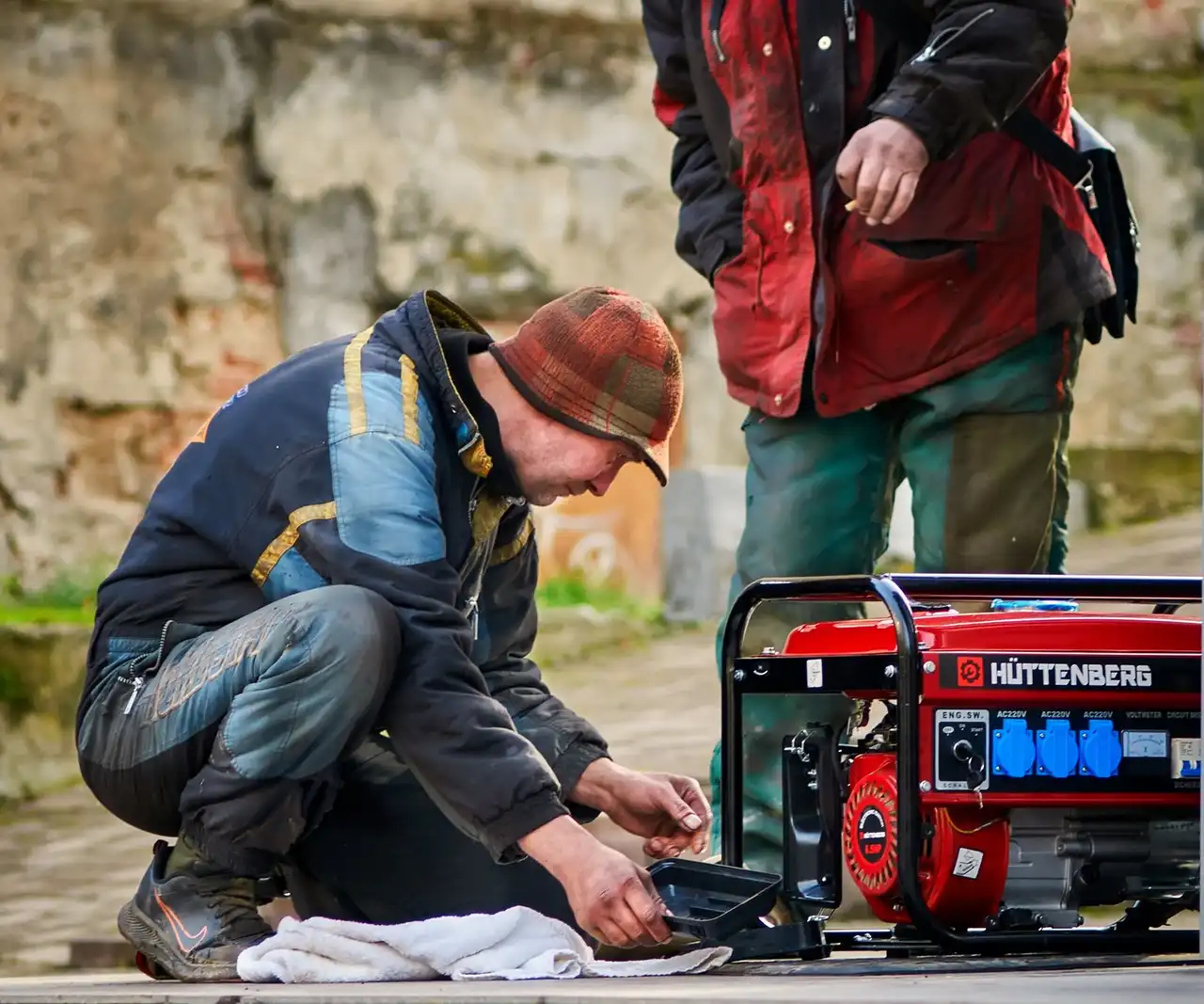
You come home to a sewage backup in the basement after the city main clogs. The smell hits you at the top of the stairs.
We treat the area with antimicrobial solution, extract the contaminated water, remove affected materials, and sanitize the space. HEPA vacuums and ozone generators handle the odor.
Outcome: The basement is clean, sanitized, and verified dry, with documentation for your claim.
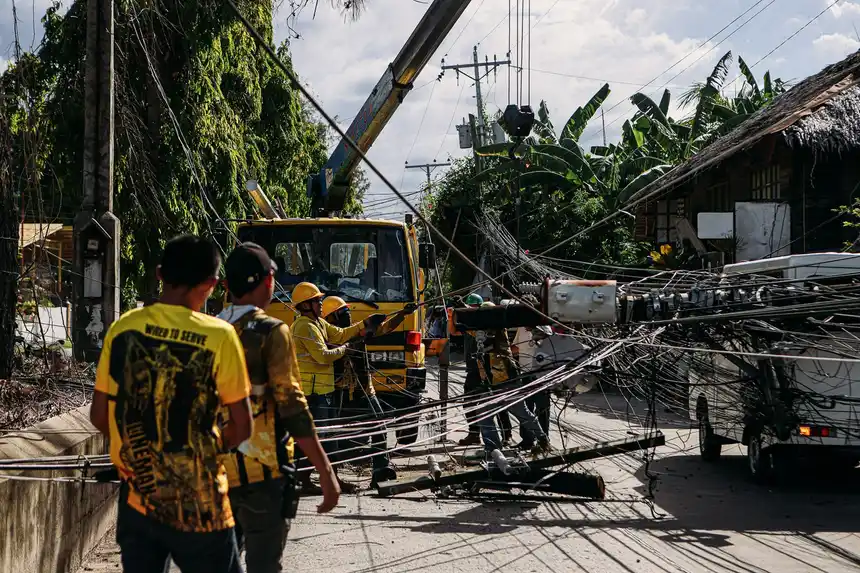
Your water heater fails overnight and dumps 50 gallons onto the basement floor around the furnace and stored boxes.
We extract the water, dry the slab and any affected framing, check the pan and drain, and document the damage for insurance before the new unit is installed.
Outcome: The floor is dry in three to four days and your stored items are saved or documented for replacement.
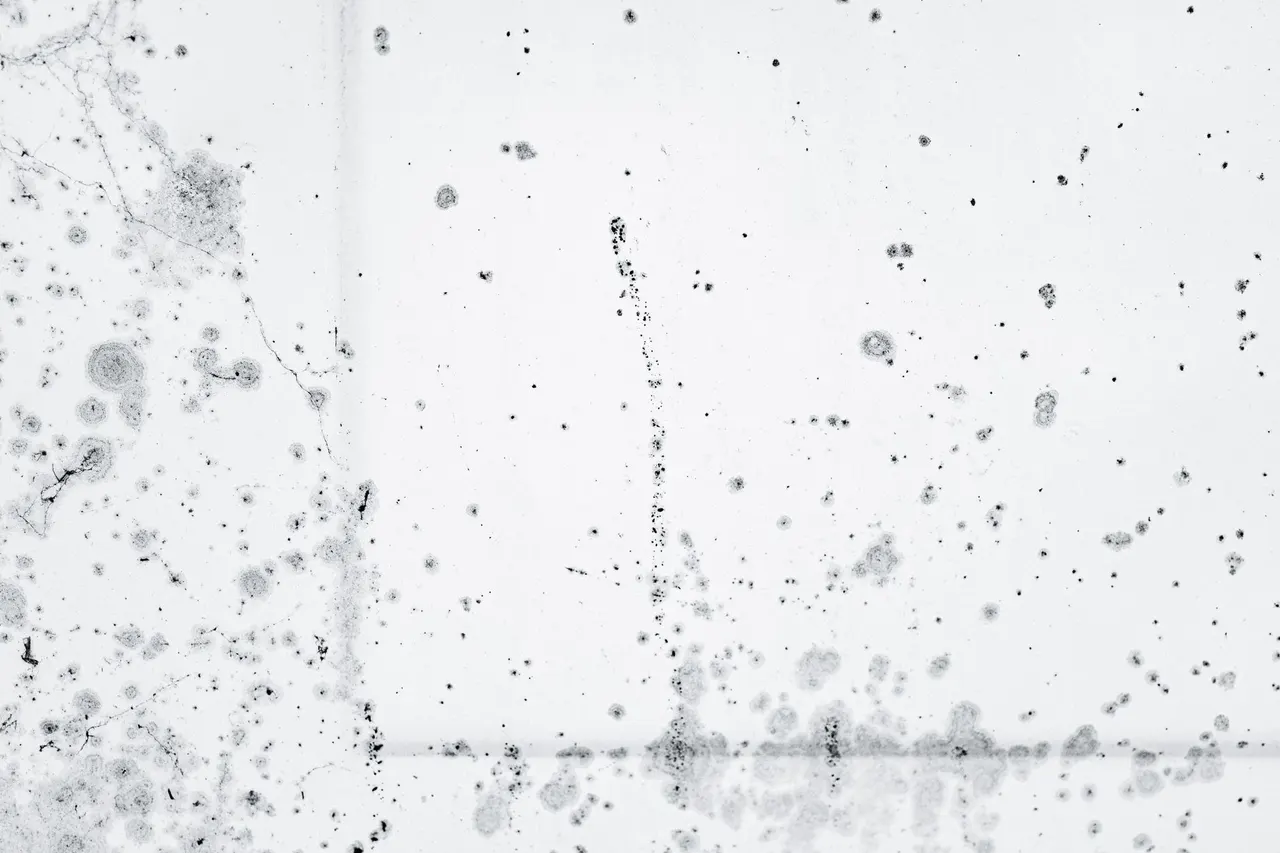
A slow roof leak has been dripping into your basement wall for weeks. You notice peeling paint and a musty smell near the foundation.
We trace the leak with a thermal camera, extract any trapped water, dry the wall cavity and foundation, and treat for mold if growth is present.
Outcome: The source is identified, the wall is dry, and you have a clear scope for the roof repair.
Philadelphia basements are not like basements in newer cities. Most of the housing stock was built before 1950, which means stone or rubble masonry foundations, original hardwood, and plumbing that has been patched more than once. Water behaves differently in these buildings. It wicks into mortar, travels along the footing, and shows up on the opposite side of the basement from where it entered.
We account for that on every job. Fall and winter are our busiest seasons. October through March brings Nor'easters, freeze-thaw cycles that crack pipes, and sump pumps that quit during the first heavy rain. Spring adds snowmelt and a water table that rises fast in river wards like Fishtown and Kensington.
Summer storms overwhelm storm drains in South Philadelphia and Point Breeze, sending water through basement windows and floor drains. If you need emergency basement water removal Philadelphia PA during any of these events, we are already running crews in your area. We also know the code side.
Before: A sump pump died during an October storm and left three inches of water across a 600 square foot basement. Carpet, padding, and the bottom of the drywall were soaked, and the homeowner had already pulled up what she could.
After: We extracted standing water in two hours, removed saturated carpet and padding, cut drywall below the flood line, and ran dehumidifiers and air movers for four days. Final readings were below 16 percent on all framing. The drying report went to her insurance carrier the same week.
We recommended a battery backup sump pump and a water alarm. She also scheduled a fall check on the discharge line before the next storm season.
Before: A supply line failed in a second-floor unit of a six-unit building and ran down through two floors into the basement. The basement ceiling was saturated, and water had spread across the common area floor.
After: We extracted from the basement and common area, dried the ceiling cavity and subfloor with air movers and a desiccant dehumidifier, and replaced the saturated drywall. Five days of drying brought all readings to dry standard. Tenants were back in the common area within a week.
The property manager now runs a seasonal plumbing inspection and keeps a moisture meter on site for quick checks after any leak report.
Before: A slow roof leak had been feeding water into a stone foundation wall for weeks. The homeowner noticed peeling paint and a musty smell but could not find the source. Moisture readings were high along an eight-foot section of wall.
After: We traced the leak with a thermal camera, dried the wall cavity and foundation over five days, and treated the area with antimicrobial solution. Final readings were dry, and we documented the leak path for the roofer. No mold growth was found.
We advised a roof inspection before winter and a dehumidifier in the basement during humid months to keep the stone from holding moisture.
Water gets into a Philadelphia basement in a handful of predictable ways. Each one needs a different extraction and drying approach. Here is what we see most often and how we handle it.
A dry basement, documented readings, and a claim-ready report.
Mold growth needs moisture and 24 to 48 hours. We extract, apply antimicrobial solution to affected framing and drywall, and dry the space below 16 percent moisture content on a meter. That window is the difference between a cleanup and a full mold remediation.
Hardwood flooring and subfloor can often be saved if water is pulled within 24 hours. We use drying mats and desiccant dehumidifiers to draw moisture out of the wood instead of tearing it out. On a 400 square foot finished basement, that decision alone can save thousands.
Standing water against a stone or block foundation in an older Philadelphia rowhome softens mortar and drives hydrostatic pressure into the walls. Extraction plus crawl space water removal Philadelphia service keeps that pressure from turning into a structural repair.
We photograph every affected surface, log moisture readings, and produce a drying report formatted for Xactimate. Adjusters move faster when the documentation is complete. That means your emergency basement water removal Philadelphia PA claim gets paid without a fight.
What a written scope covers and what shapes it. Prices are set by the business after the first look.
Included
Depends on
Clear records you can keep and share.
Daily readings by location
Before, during, and after
Equipment run times logged
Dry standard verification
How we extract and what we remove depends on where the water came from.
From supply lines, rain, or a failed appliance.
From washing machines, dishwashers, or toilet overflow.
From sewage backup or river flooding.
A list like this tells people straight away whether you cover their street. Not listed? Call and ask: it only takes a minute.
Based in Philadelphia and covering the places around it. Pick one for local details.
Finished basements with carpet, drywall, and furniture run higher. We give you a written scope before equipment goes down, and we bill most insurance carriers directly.
We cover every neighborhood from Center City to Torresdale and carry the equipment to handle clean water, gray water, and sewage backup. Call 215-281-3000 and we will tell you what crew is closest to your address right now.
Standing water is usually gone in two to four hours on a typical residential basement. Full drying takes three to five days depending on how much water soaked into the subfloor, framing, and drywall. Stone-foundation basements in older Philadelphia rowhomes sometimes need an extra day because the masonry holds moisture longer. We check readings daily and tell you exactly where you stand.
Yes. We document every job with moisture readings, thermal images, and photo logs formatted for Xactimate, and we bill most major carriers directly. You pay your deductible and we handle the rest of the paperwork. If your adjuster has questions about the scope, we get on the phone with them. That is standard practice for emergency basement water removal Philadelphia PA jobs.
Other services from the same team.
Standing water in your basement gets worse every hour. Call 215-281-3000 and we will dispatch a crew with extraction equipment and drying gear.
Call 215-281-3000 any time, day or night. We answer live, ask what happened, and dispatch a crew. If you prefer email, send photos and your address to [email protected] and we'll respond within the hour. Most Philadelphia calls get a technician on-site within 60 to 90 minutes.