For Homes
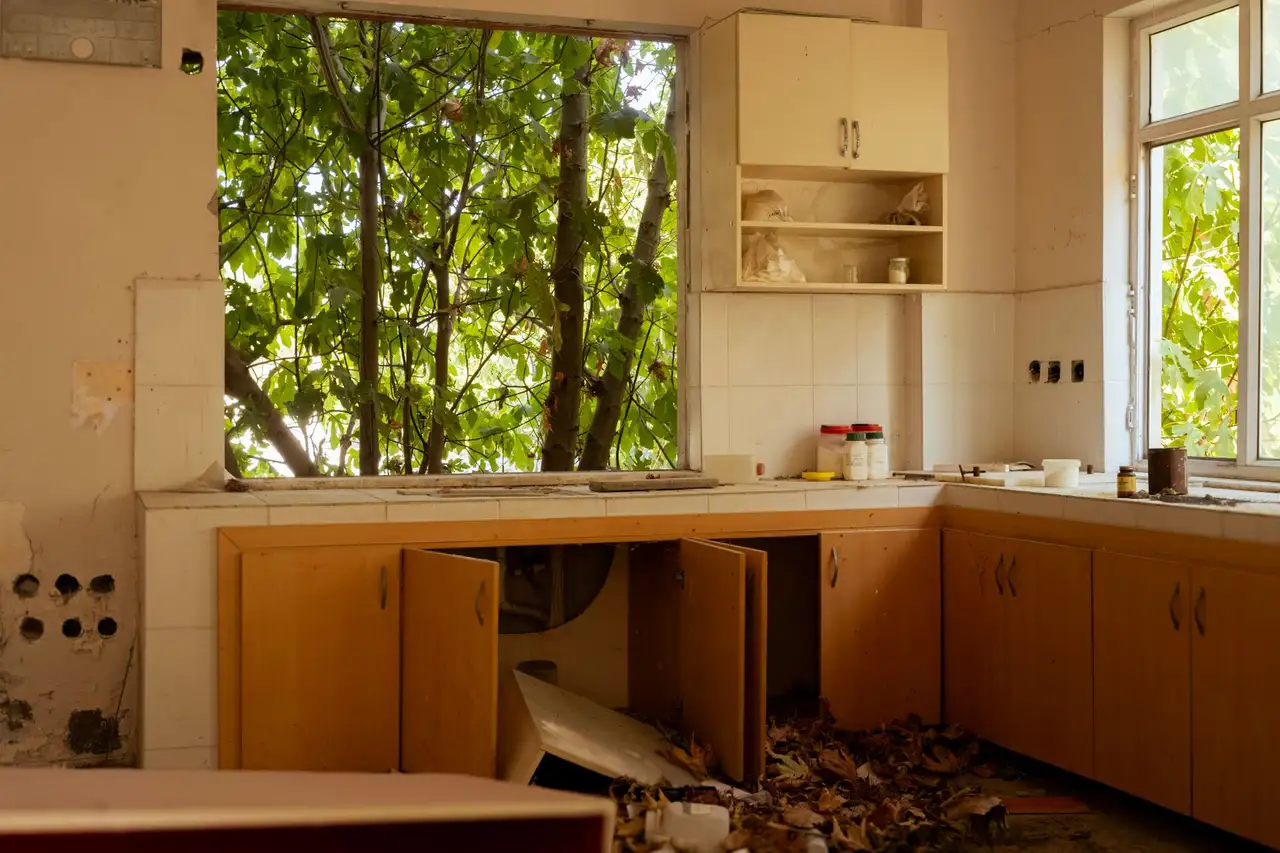
We inspect basements, crawl spaces, and wall cavities where moisture hides. You get readings, photos, and lab results in writing.
- Musty basement odor
- Ceiling stain after leak
- Damp crawl space
Mold inspection and testing Philadelphia PA is how you find out whether that musty smell in your basement is a real problem or just old concrete. You get a written report with photos, lab results, and a clear scope for remediation.
 Moisture readingsThermal scanLab samples
Every inspection includes a full building walk-through, instrument readings, and a written report. Lab sample collection is included in the service, with the number of samples based on the size of the property and the areas of concern. Remediation work, if needed, is quoted separately from the inspection.
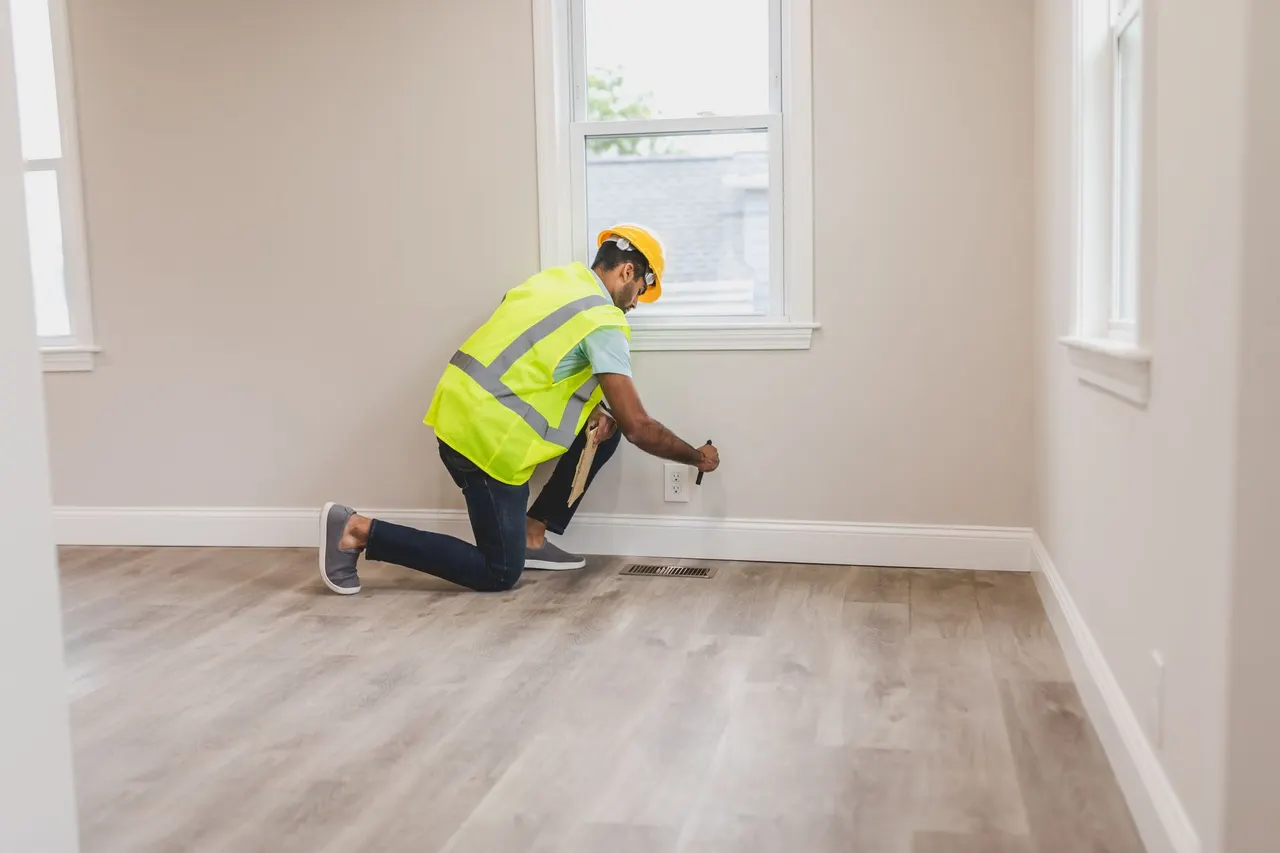
We inspect every room, the attic, the basement, and the crawl space if there is one. We check under sinks, behind appliances, around windows, and along baseboards. In a typical Philadelphia rowhome this takes 30 to 45 minutes and covers areas most homeowners never look at.
A thermal imaging camera finds temperature differences behind finished surfaces. A moisture meter and hygrometer confirm whether those differences mean active water. We record readings and photograph the screen so you can see exactly what we found and where.
Air samples are collected with a calibrated pump, one outdoors for a baseline and one or more indoors. Surface samples use swabs or tape lifts on visible growth.
You get a report that includes photos, instrument readings, lab results, and a plain-language summary of what we found. If remediation is needed, the report includes a scope of work listing affected materials, square footage, and containment requirements.
After you receive the report, we call to walk you through the findings and answer questions. We explain what the lab results mean, what caused the moisture, and what your options are. You are not left to interpret a lab report on your own.
The approach is the same for a home and a business. What changes is the access, the schedule and who needs the paperwork.
We inspect basements, crawl spaces, and wall cavities where moisture hides. You get readings, photos, and lab results in writing.
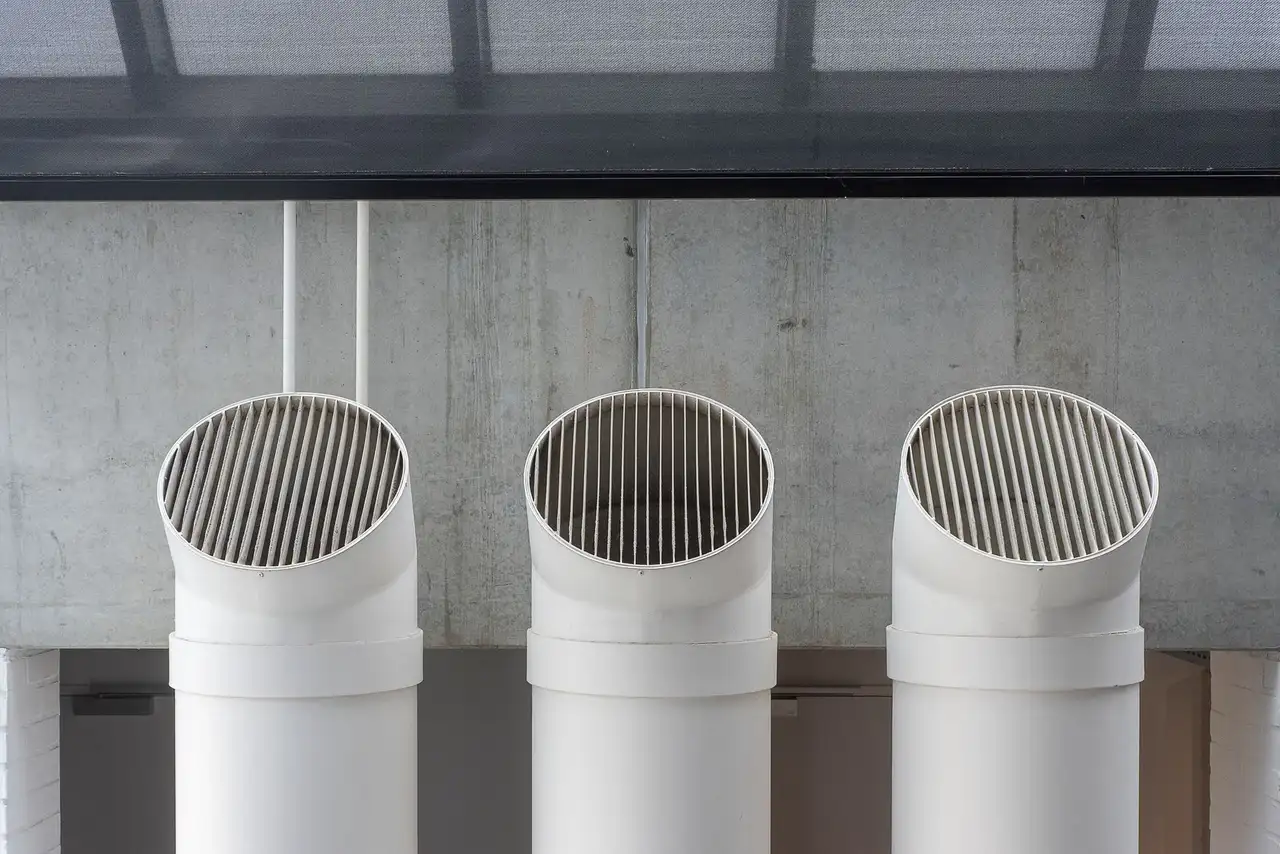
We inspect ceiling plenums, HVAC areas, and tenant spaces. Reports document conditions for owners, managers, and insurers.
A plain-language look at what Mold Inspection and Testing involves and when it is needed.
See how it worksMold inspection and testing Philadelphia PA is a diagnostic service that locates hidden mold growth, measures the moisture feeding it, and documents both with photos and lab results. We start with a walk-through of the whole building, not just the room that smells. A thermal imaging camera reads temperature differences behind drywall and under hardwood flooring. A moisture meter and hygrometer confirm whether the readings mean active water or just old construction. A boroscope goes inside wall cavities where a camera alone cannot see.
Philadelphia's building stock makes hidden mold common. Most of the city's rowhomes were built before 1950, with brick walls, plaster, and unvented crawl spaces that hold moisture for months after a roof leak or basement flooding. A sump pump failure in August can leave damp insulation and carpet padding that never fully dries before the heat breaks. If you search for mold inspection near me Philadelphia, you want someone who knows these houses, not a franchise that treats every building the same. We have been working in Philadelphia County since 2015.
Mold inspection finds the moisture source and documents growth before remediation begins.
Every inspection follows the same five steps, whether you are in a 900-square-foot Queen Village trinity or a 12,000-square-foot commercial building in Callowhill.
We ask what you are seeing and smelling, when it started, and whether there has been a recent leak, flood, or sewage backup. You get a same-day appointment window, usually within 24 hours. We tell you what to have ready: access to the basement, crawl space, and any room with visible staining.
A technician walks the entire building with you, room by room. We check under sinks, behind appliances, around windows, and along baseboards. We look at the attic sheathing, the basement rim joists, and the crawl space vapor barrier. This takes 30 to 45 minutes in a typical rowhome and longer in larger properties.

We use a thermal imaging camera to find temperature anomalies behind finished surfaces, then confirm them with a moisture meter and hygrometer. A boroscope goes into wall cavities through small openings. We record readings in every suspect area and photograph the screen so you can see exactly what we saw.
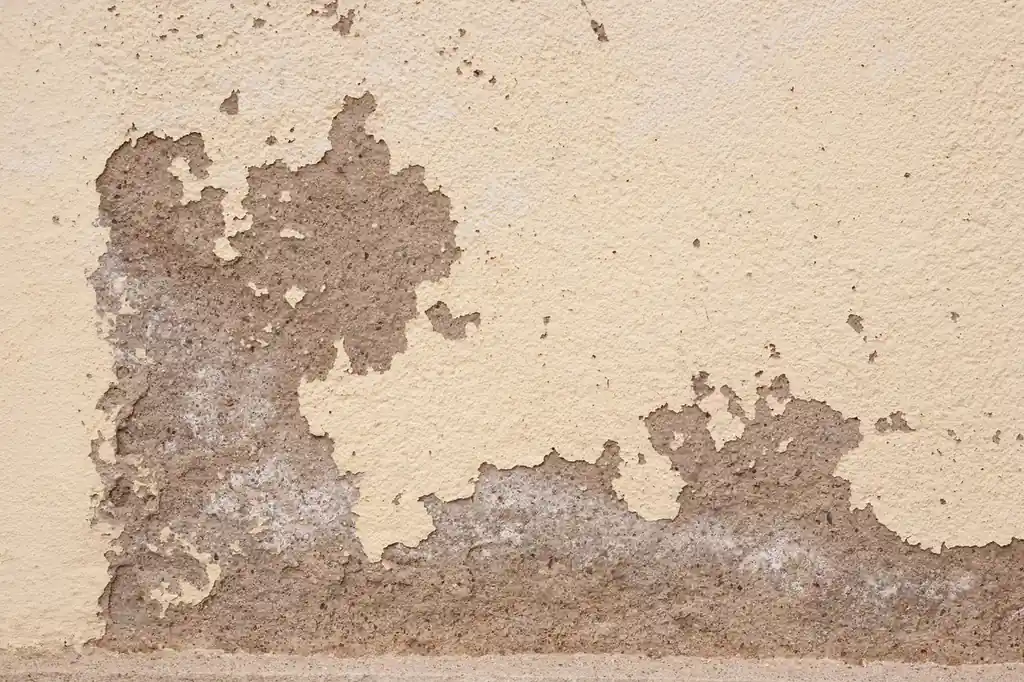
Air samples are collected with a calibrated pump and impaction cassette, one outdoors for a baseline and one or more indoors. Surface samples use swabs or tape lifts on visible growth. Lab turnaround is typically two to three business days.
You receive a report with photos, instrument readings, lab results, and a plain-language summary. If remediation is needed, the report includes a scope of work listing affected materials and containment requirements. We walk you through the findings by phone and answer questions before you decide on next steps.
Move across a circle, or focus it and press Enter, for an illustrative thermal view of the photograph.
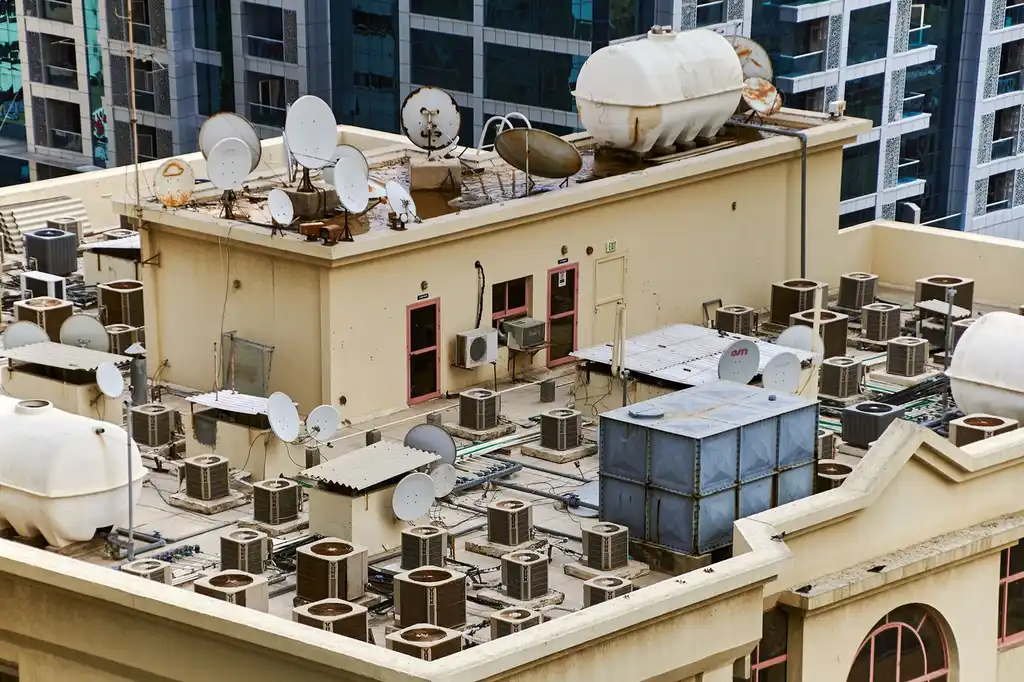
Finds temperature differences behind drywall, under flooring, and inside ceiling cavities. It shows us where to look before we cut anything open.
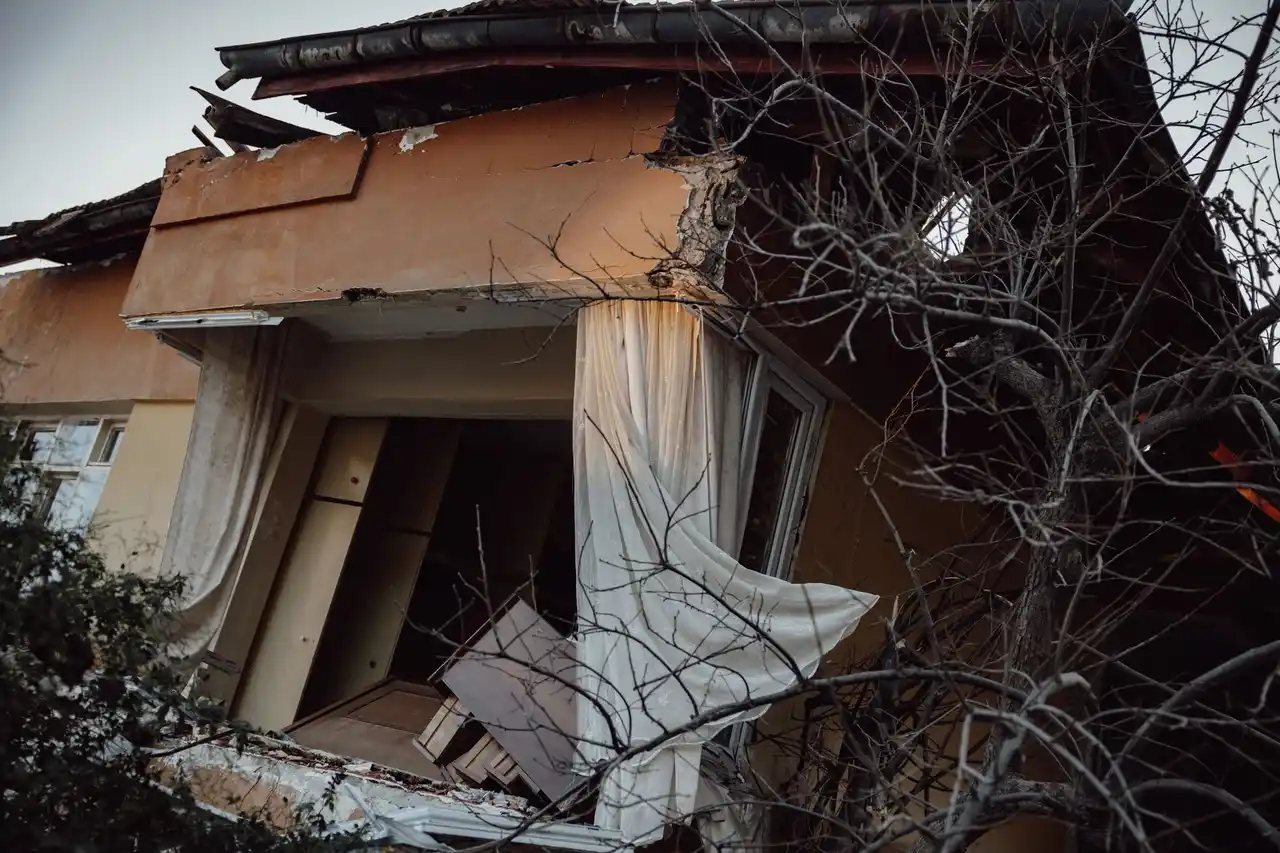
Confirms whether a thermal anomaly is active moisture or just a temperature difference. Hygrometer readings tell us the relative humidity in the space.
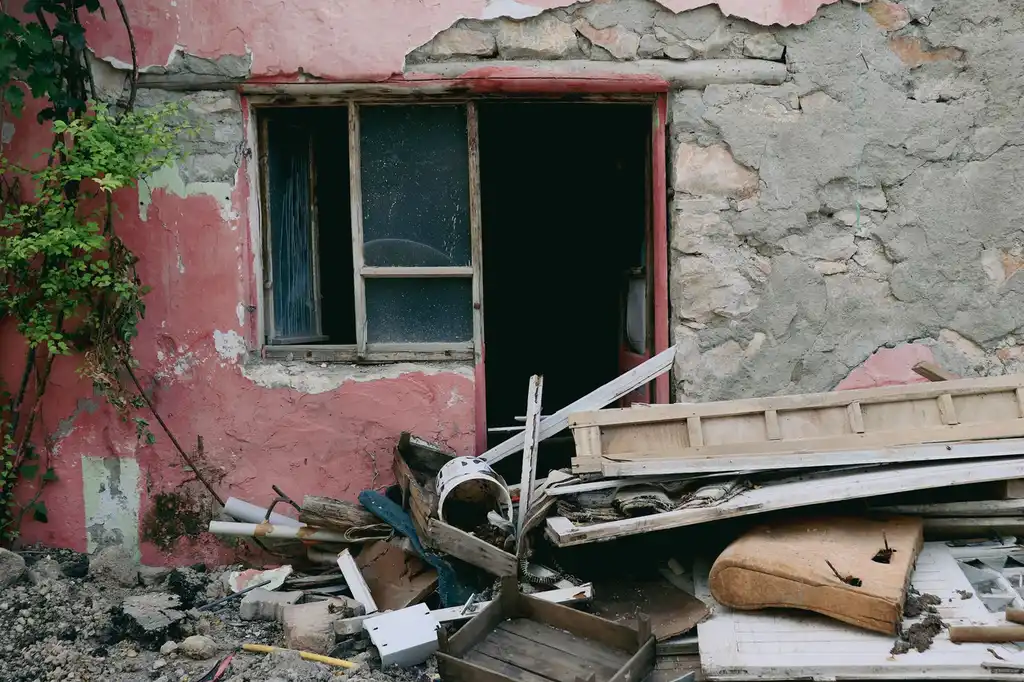
Goes inside wall cavities through small openings so we can see the back of drywall and the framing without demolition.
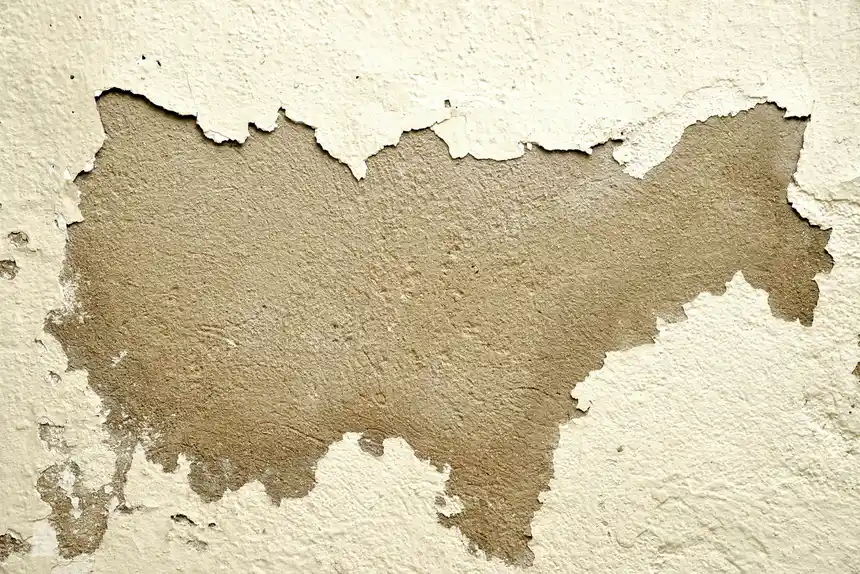
Collects calibrated air samples indoors and outdoors. The lab compares the two to determine whether indoor spore counts are elevated.
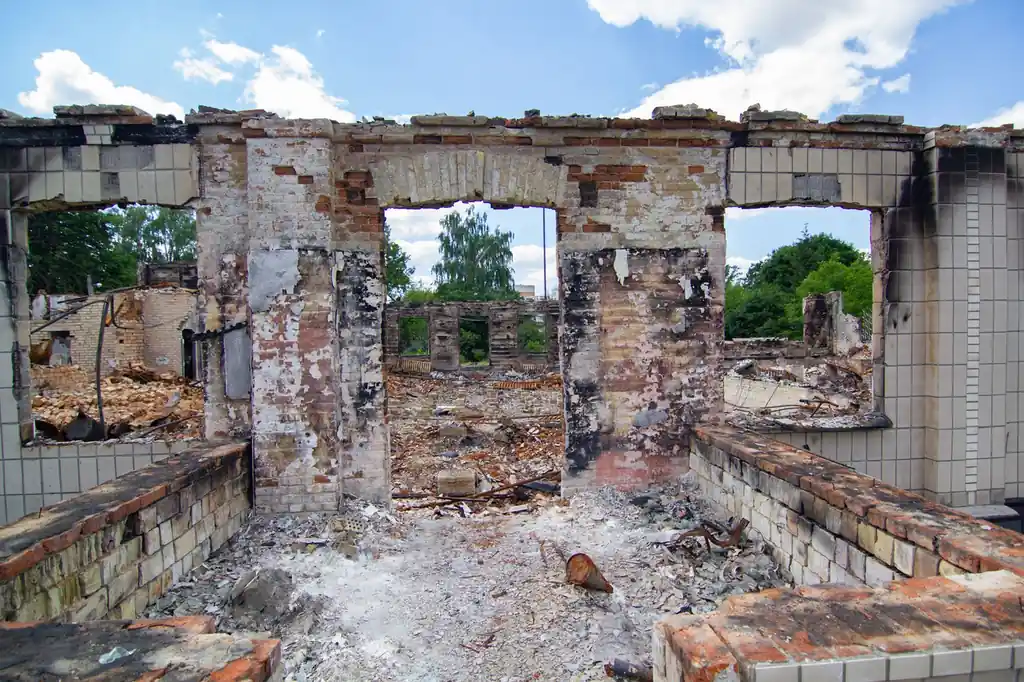
Used during drying when the inspection finds active moisture. We size the equipment to the space and monitor readings until the structure is dry.
Thermal views are illustrative, generated from the photographs.
Captures mold spores and debris during cleanup and containment work. It prevents spores from spreading to unaffected rooms.
The S520 standard guides how we conduct the inspection, collect samples, and write the remediation scope. It defines the conditions that indicate mold growth and the language used in the report. Following it means your documentation is consistent with what other professionals expect.
We map every reading on a floor plan so you can see where the moisture is and how far it spreads. Mapping makes it easy to compare readings before and after drying. It also shows a remediation contractor exactly where to set up containment.
Every indoor air sample is compared to an outdoor baseline collected at the same time. This accounts for seasonal spore levels in Philadelphia, which vary widely between spring and fall. Without a baseline, an indoor count is hard to interpret.
After remediation, we collect clearance air samples to confirm the work is complete. Clearance testing is the standard way to verify that containment was effective and that spore levels have returned to normal.

You just bought a Philadelphia rowhome built in 1920 and want to know if the basement has hidden mold before you move in.
We inspect the basement, crawl space, and any finished areas, using thermal imaging and moisture meters to check the masonry walls and joists. Air samples establish a baseline for the indoor spore count. You get a report before you unpack a single box.
Outcome: You know exactly what you are dealing with, and you can negotiate repairs or schedule remediation before your family moves in.
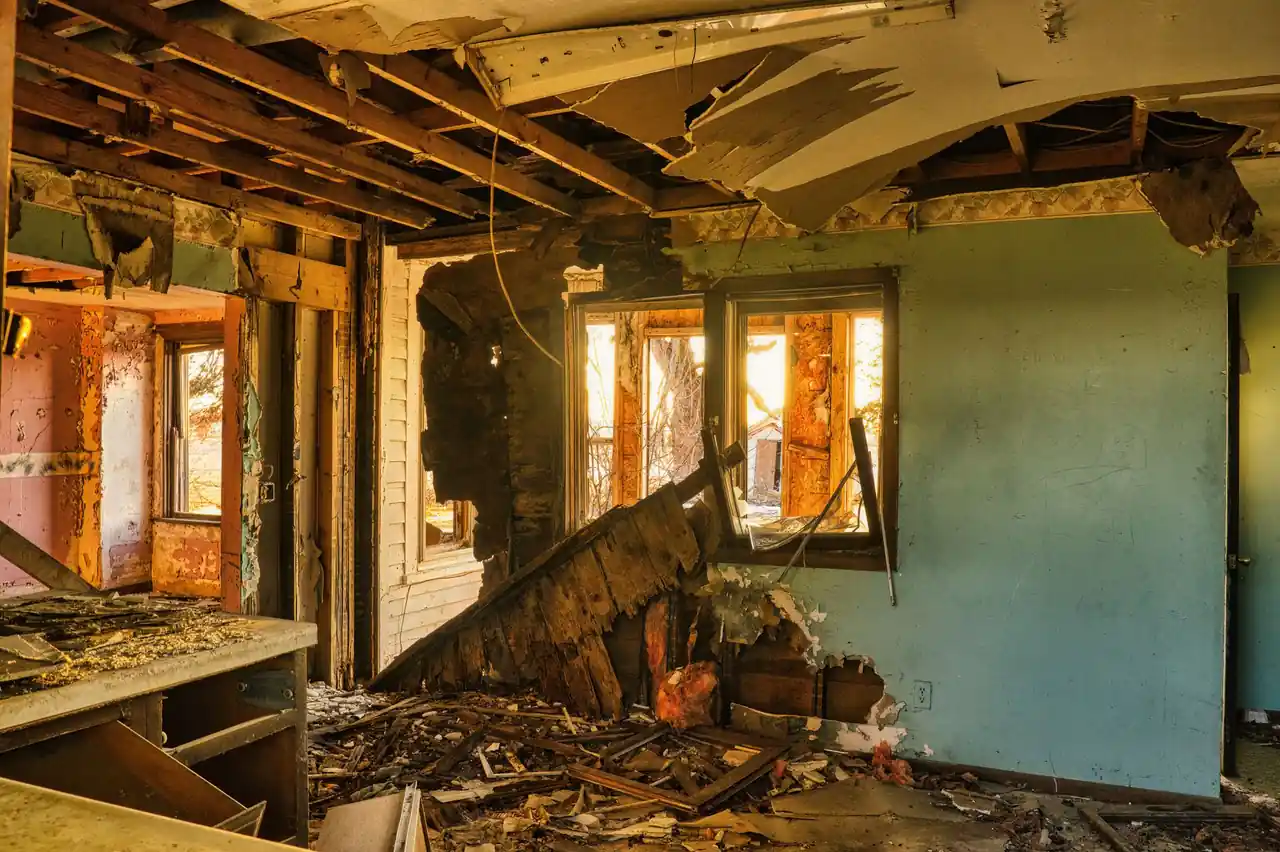
A pipe burst in January and soaked the kitchen wall. The wall feels dry now, but you are not sure about the cavity.
We use a moisture meter and boroscope to check inside the wall cavity, then collect air samples if there is any sign of growth. If the cavity is dry, we tell you so. If it is not, the report includes a drying and remediation scope.
Outcome: You avoid tearing out a wall unnecessarily, or you catch mold before it spreads to the adjacent rooms.
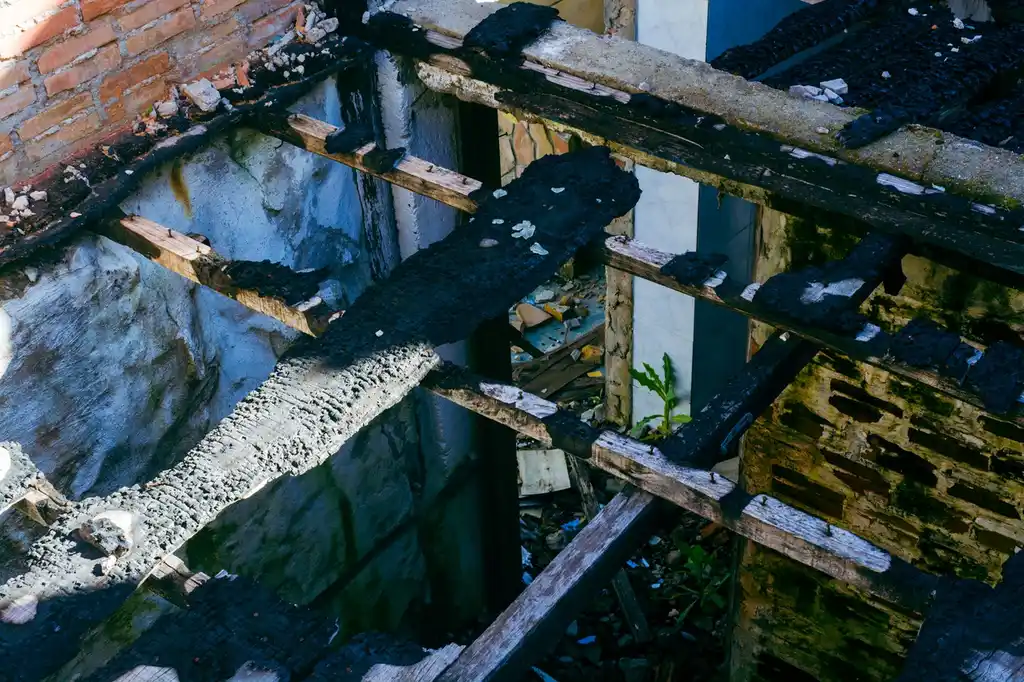
Your tenant in Fishtown is complaining about a musty smell and you need documentation for a dispute.
We inspect the unit, collect air and surface samples, and produce a written report with lab results. The report identifies the mold type and concentration and states whether the condition is consistent with a maintenance issue or a tenant-caused problem.
Outcome: You have third-party documentation that settles the dispute and tells you what work needs to be done.
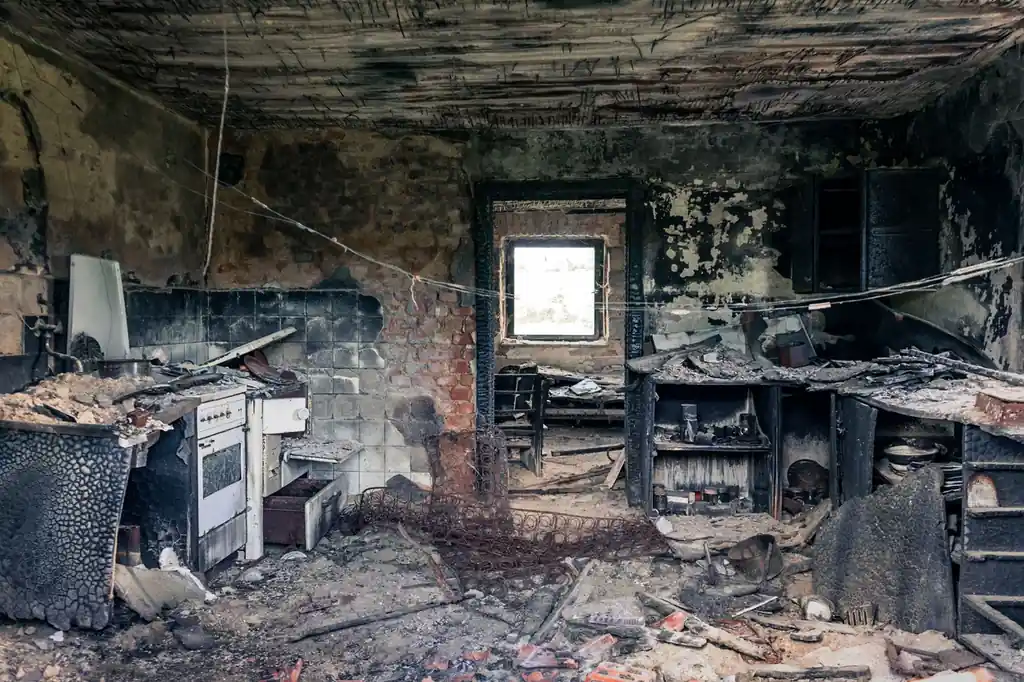
A summer storm pushed water through your basement window and the carpet got soaked. You dried it with fans but are not sure it is really dry.
We check the carpet, padding, and subfloor with a moisture meter and thermal camera. If readings are elevated, we recommend extraction and structural drying. If mold has already started, the report includes a remediation scope.
Outcome: You confirm the space is dry, or you catch a problem early enough that only the padding needs replacement.
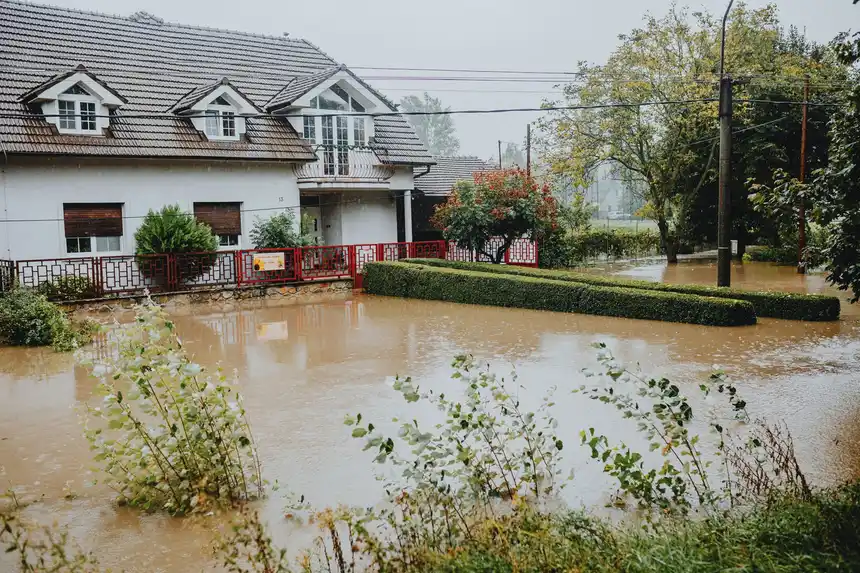
Philadelphia's climate and building stock create specific mold risks. Summers are humid, and basements in rowhomes stay damp even without a visible leak. Winter freeze-thaw cycles crack masonry and open paths for water. The city's older housing stock, much of it built before 1950, uses brick, plaster, and unvented crawl spaces that hold moisture far longer than modern construction.
We inspect for these conditions on every job. A typical inspection in a Philadelphia rowhome includes the basement rim joists, the crawl space vapor barrier, and the attic sheathing, because those are the three places where we find hidden growth most often. If you need mold testing and inspection Philadelphia PA for a real estate closing, we can prioritize the lab work to meet your deadline.
We also handle mold inspection and testing in Philadelphia, Pennsylvania for commercial properties in Center City and University City, where HVAC plenums and ceiling cavities are common problem areas.
Before: A homeowner had a musty smell in the basement for two years. Three contractors said it was old brick. The basement had a damp front wall and elevated indoor air samples.
After: Thermal imaging found active moisture behind the front wall. Lab results confirmed elevated mold spores. After remediation and drying, clearance samples showed spore levels back to normal and the odor was gone.
Keep the exterior grading sloped away from the foundation and run a dehumidifier in the basement during summer months.
Before: A sump pump failed during a summer storm and the finished basement flooded. The carpet was extracted but the baseboards and insulation stayed damp for days.
After: Inspection found mold starting on the baseboard and lower drywall. We removed the affected materials, dried the framing, and treated the area with antimicrobial solution. Moisture readings returned to normal within four days.
Test the sump pump every spring and install a battery backup so it runs during power outages.
Before: A condo owner noticed a ceiling stain after an HVAC condensate line clogged. The stain was small, but the plenum above had been damp for weeks.
After: Inspection found mold growth on the ceiling drywall and duct insulation. The affected section was removed, the plenum was dried, and clearance testing confirmed the repair. The ceiling was rebuilt and painted.
Have the HVAC condensate line flushed annually before summer cooling season starts.
Hidden mold is a moisture problem first. These are the situations we see most often in Philadelphia homes, and what happens when they are left alone.
A clear report that tells you what is wet, what is mold, and what to do next.
Mold rarely grows where you can see it. It grows on the back of drywall, under carpet padding, and inside wall cavities after a burst pipe or ceiling leak. A thermal imaging camera and boroscope let us find it without tearing your house apart. Most inspections turn up at least one damp area the homeowner did not know about.
A visual inspection alone cannot tell you whether a dark stain is mold, mildew, or soot. You get a report listing the mold types found and their concentrations, which is what you need for a real estate transaction or an insurance claim.
Mold cannot grow without moisture. During every inspection we trace the water back to its source, whether that is a roof leak, a failing sump pump, or a slow appliance leak behind the refrigerator. Fixing that source is the difference between a one-time cleanup and a problem that comes back every spring.
If remediation is needed, you get a written scope that lists affected materials, containment requirements, and the drying equipment needed. That scope keeps contractors honest and gives you a way to compare bids. It also tells you what can be cleaned and what has to be removed and replaced.
What a written scope covers and what shapes it. Prices are set by the business after the first look.
Included
Depends on
Clear records you can keep and share.
Images of every area inspected
Readings marked on a floor plan
Affected materials and containment notes
Mold inspection results fall into three categories, and each one points to a different next step.
No mold found, no active moisture
Damp materials but no visible mold
Visible or lab-confirmed mold
A list like this tells people straight away whether you cover their street. Not listed? Call and ask: it only takes a minute.
Based in Philadelphia and covering the places around it. Pick one for local details.
Larger buildings, crawl spaces, and commercial properties cost more because they need additional samples and more time. The inspection fee covers the walk-through, instrument readings, and the written report. Lab samples are billed per sample, and you approve the number before we collect them.
Water Damage Restoration Philly performs mold testing in Philadelphia PA as part of our inspection service. We work across Philadelphia County, including Center City, Northeast Philadelphia, and South Philadelphia. Call 215-281-3000 to schedule.
A typical Philadelphia rowhome inspection takes 60 to 90 minutes on site. Larger homes, crawl spaces, and commercial buildings can take two to three hours. Lab results come back in two to three business days, and we call you with the findings as soon as they arrive. If you have a real estate deadline, tell us when you book and we will prioritize the lab work.
If you can see mold, you still need to know what type it is and how far it spreads. Visible growth on a baseboard often means hidden growth inside the wall cavity. Testing confirms the species, the concentration, and the moisture source. That information shapes the remediation scope and gives you documentation for insurance or a sale.
Other services from the same team.
Call 215-281-3000 and we will book your inspection, usually within 24 hours. You get a written report with photos, lab results, and a clear scope if remediation is needed. We have served Philadelphia County since 2015.
Call 215-281-3000 any time, day or night. We answer live, ask what happened, and dispatch a crew. If you prefer email, send photos and your address to [email protected] and we'll respond within the hour. Most Philadelphia calls get a technician on-site within 60 to 90 minutes.