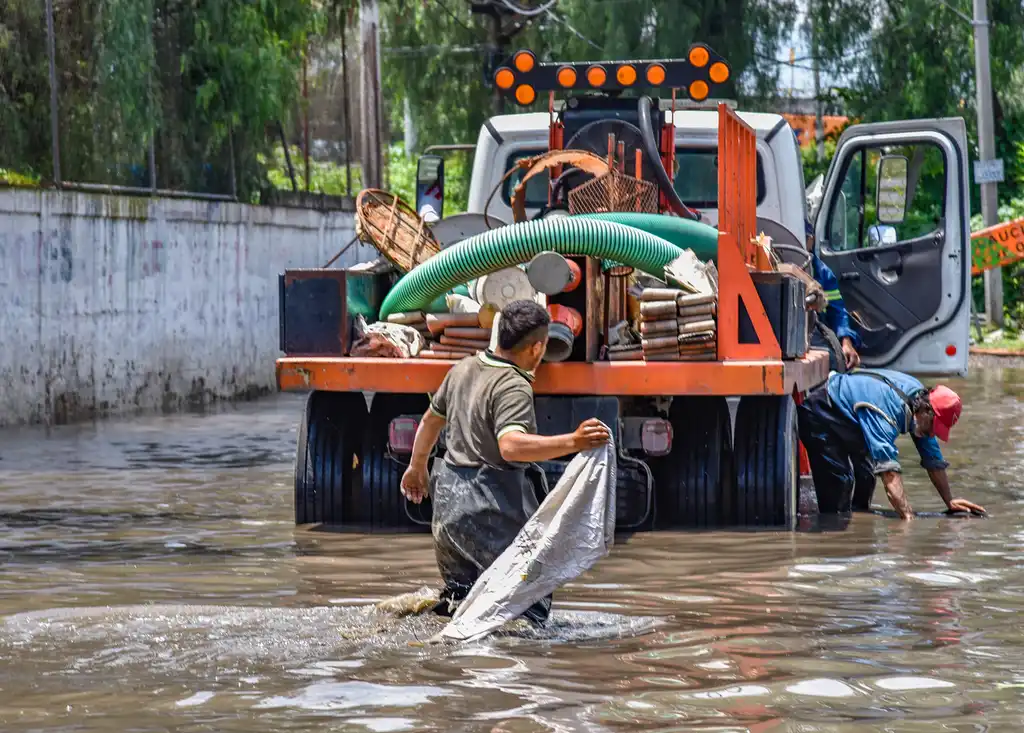
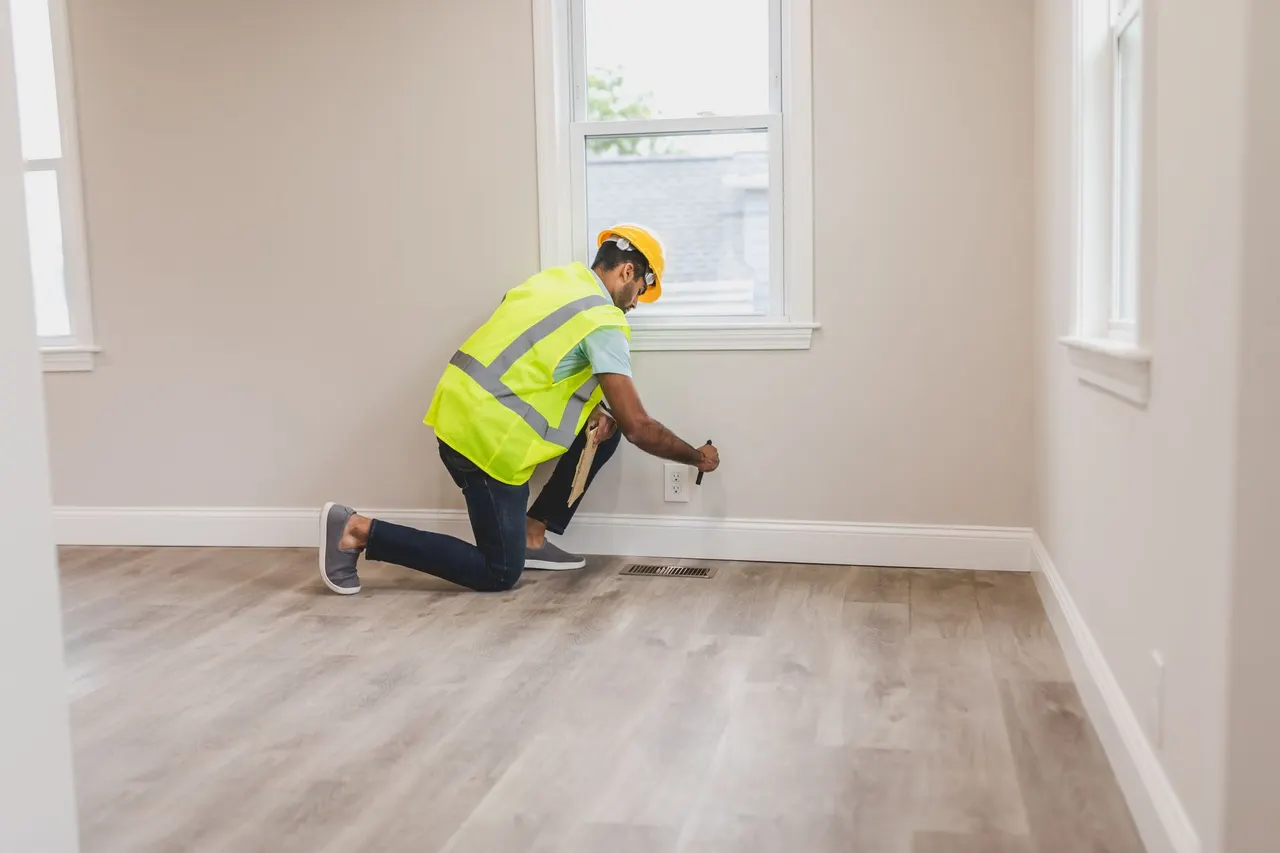
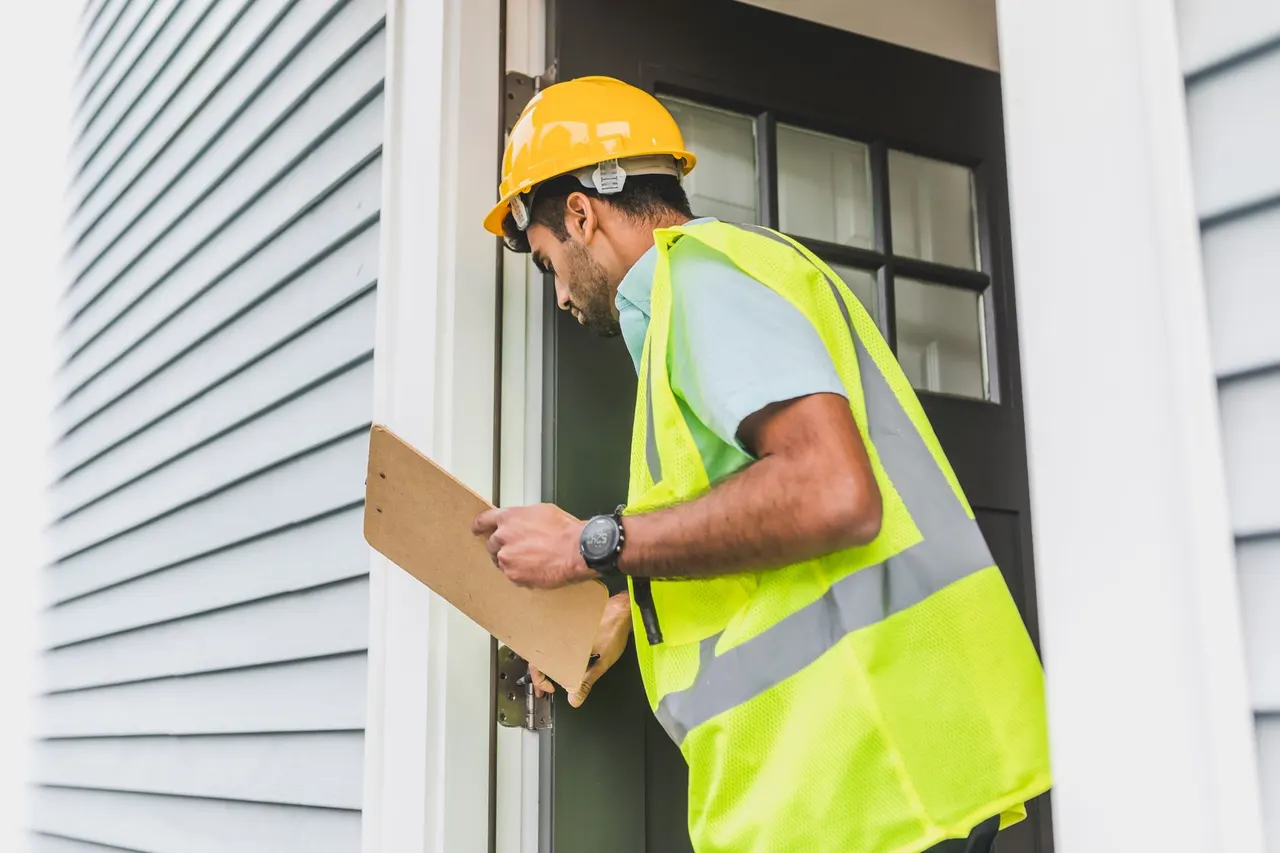
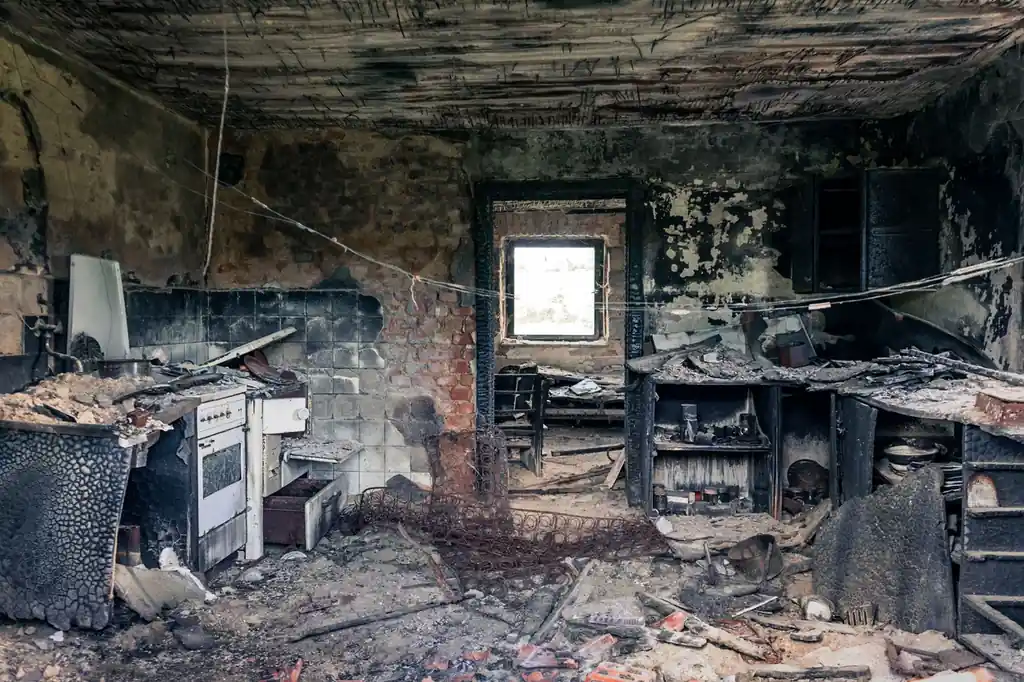
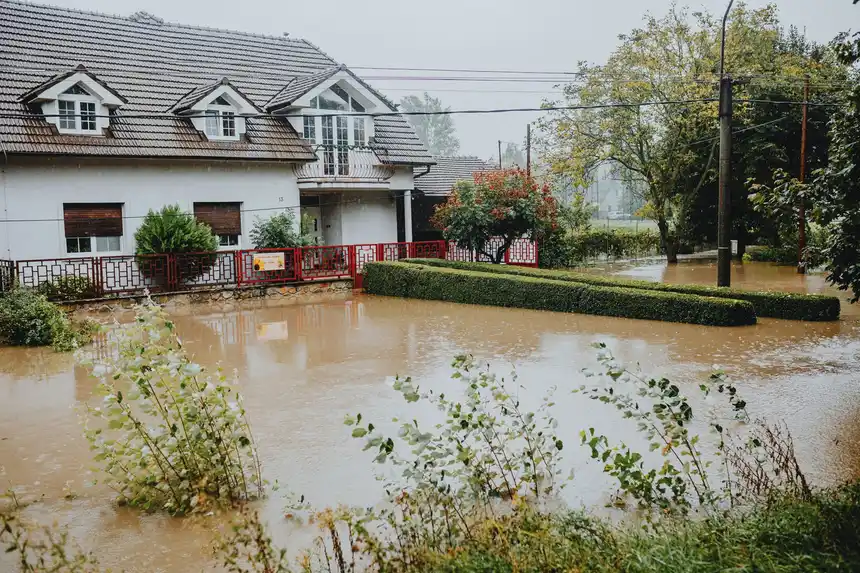
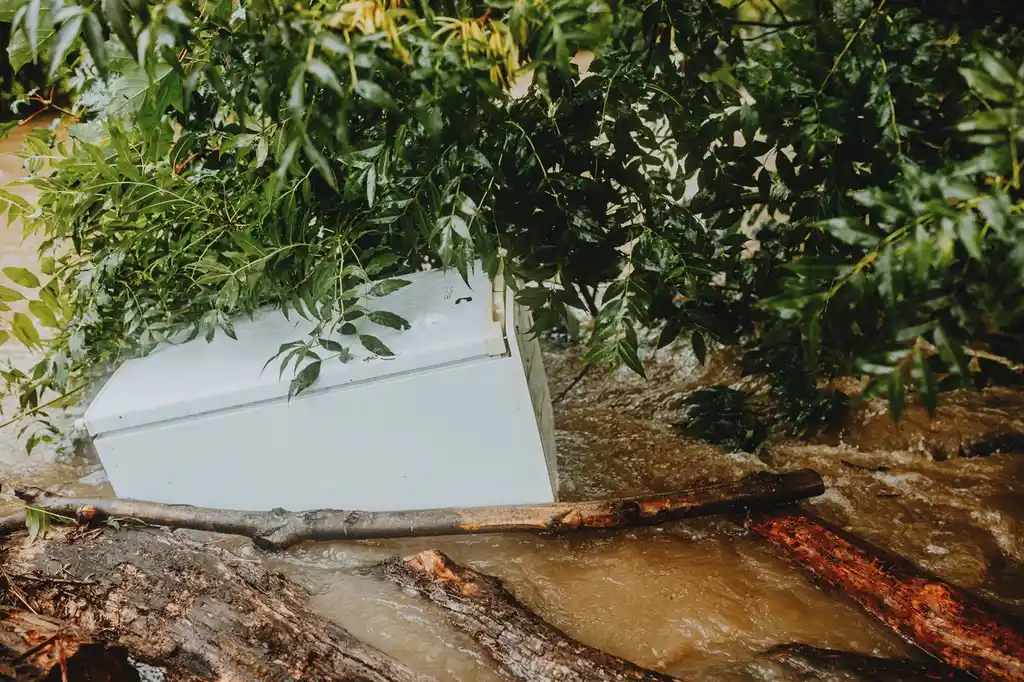
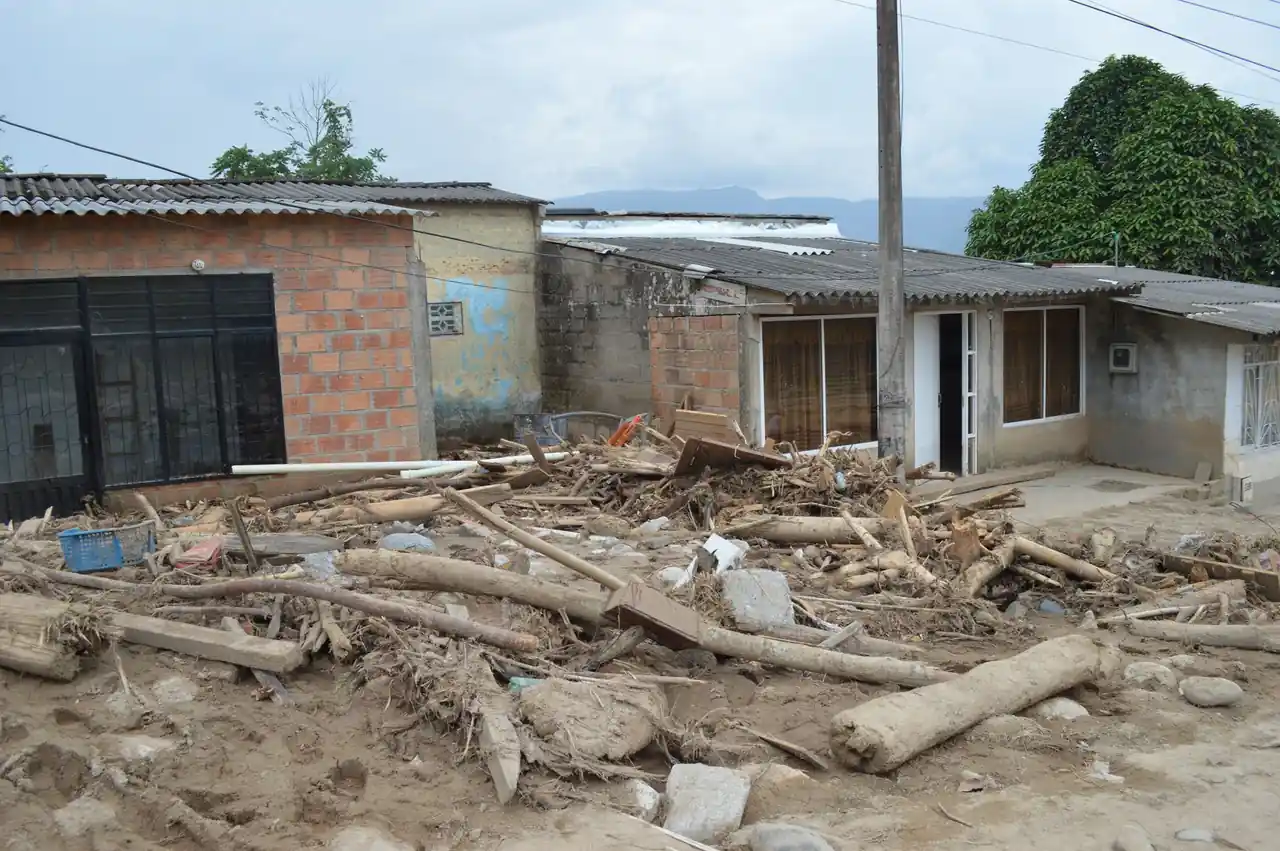
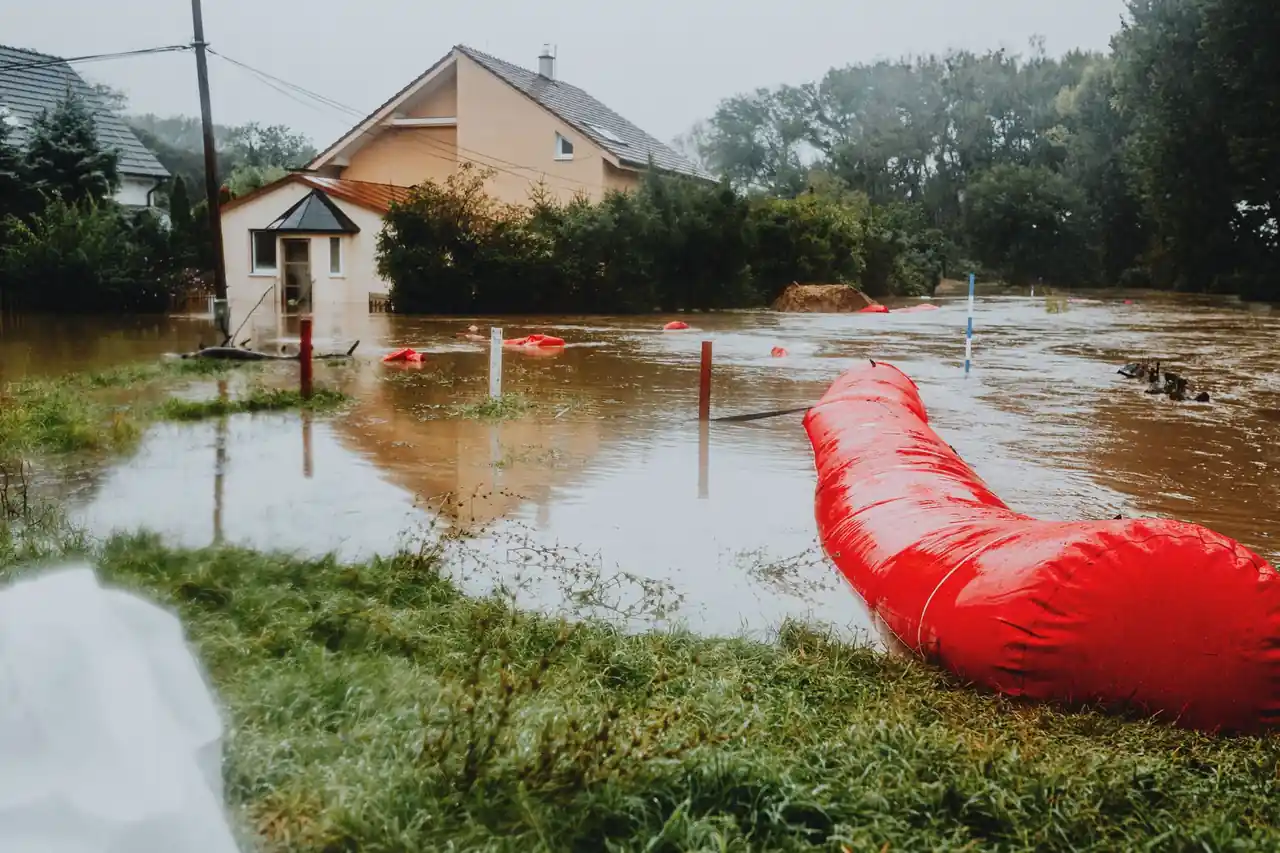
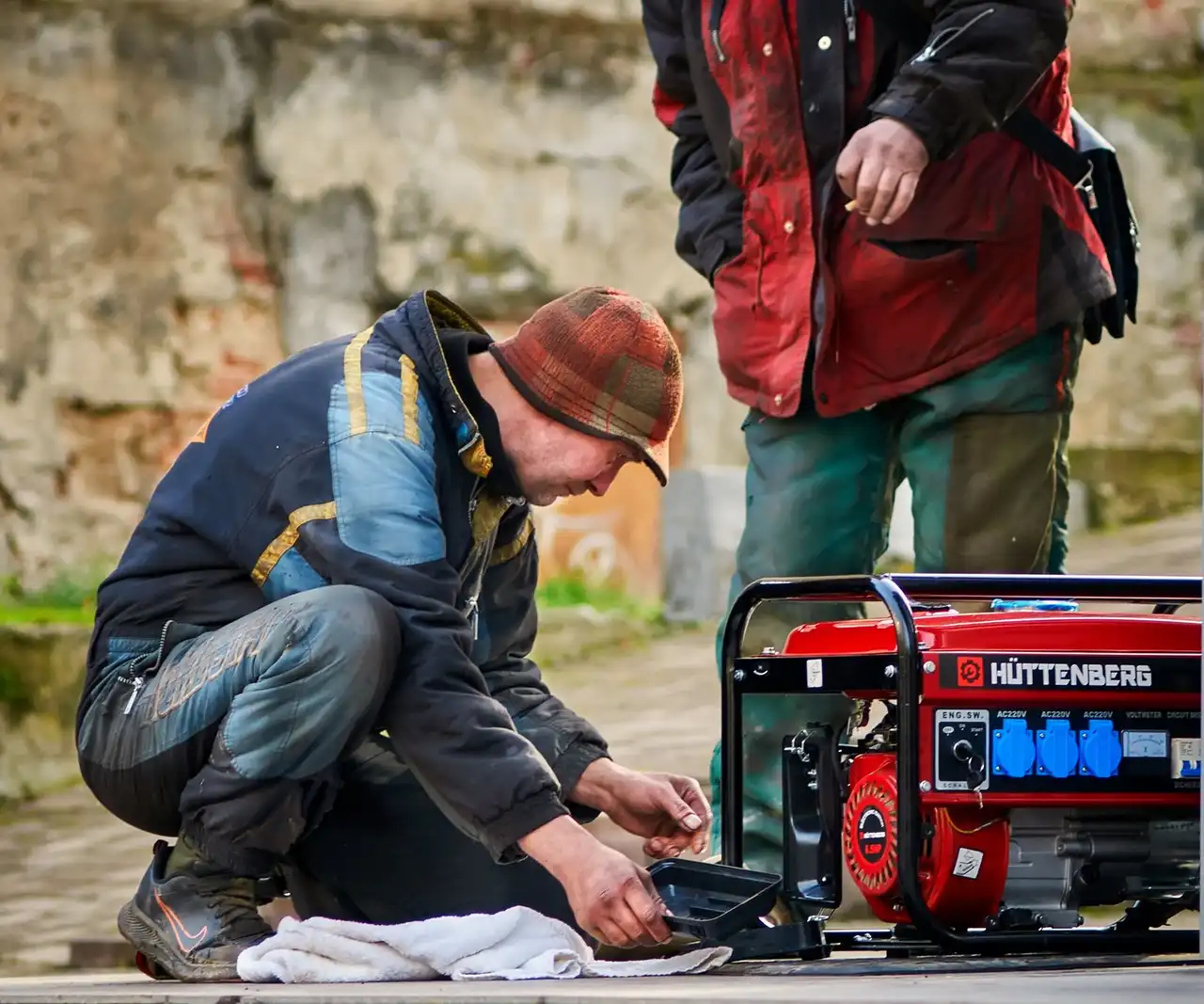
When a pipe bursts or your basement floods, emergency water removal Philadelphia PA gets the standing water out before it ruins your floors and walls. We handle burst pipes, sewage backups, and roof leaks across Philadelphia County. Call 215-281-3000 and we roll a truck.
Moisture mappingStanding water extractionDaily drying logs
We map firstMoisture meter and thermal camera
We protectFloors, walls, and belongings covered
We explainPlain language, no jargon
We documentPhotos and readings every visit
What Our Emergency Water Removal Includes
Every emergency water removal job starts with a full inspection and ends with a dry, documented structure. Here is what is included in a standard scope, and what changes based on the size and source of the leak.
Full Moisture Inspection
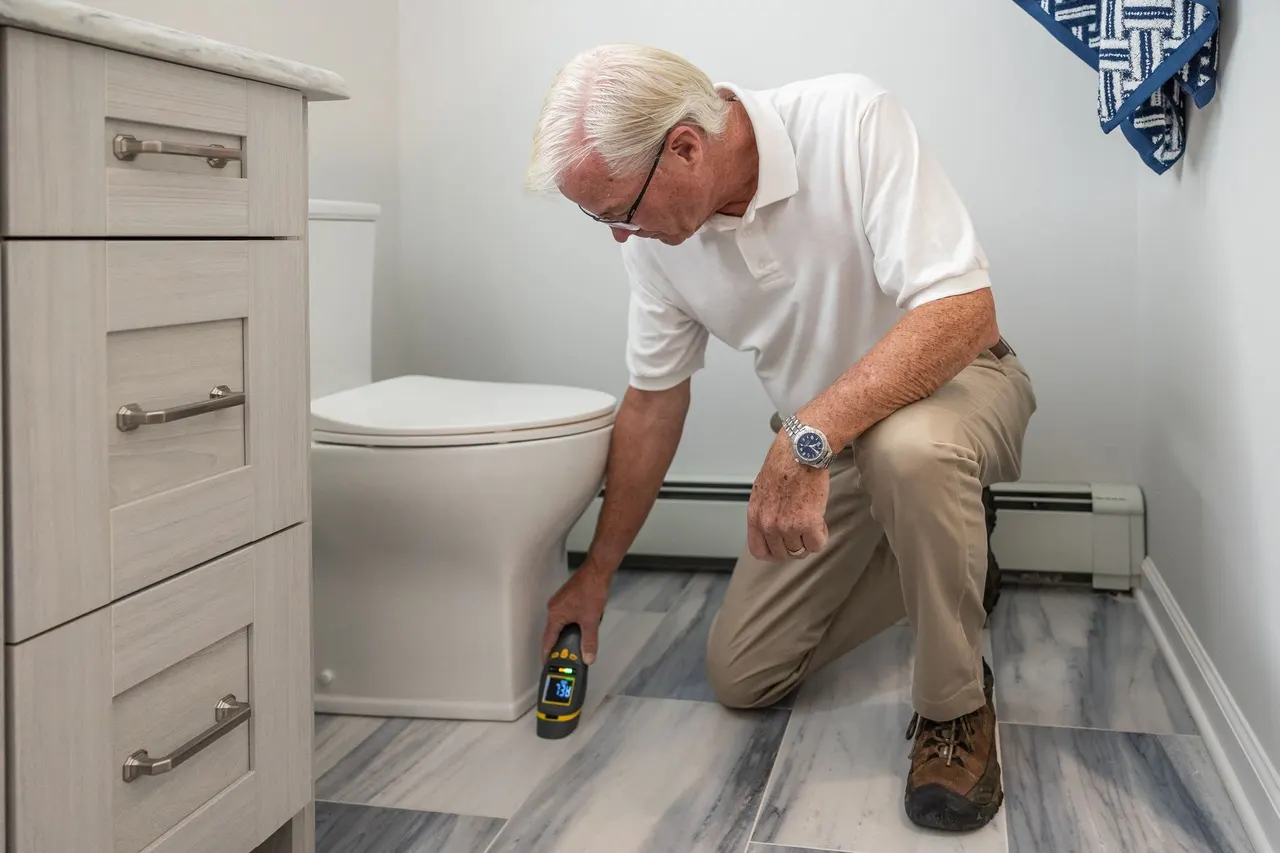
We map the affected area with a moisture meter, thermal imaging camera, and hygrometer. That tells us how far the water traveled, including behind baseboards and under hardwood, before we start extraction.
Standing Water Extraction
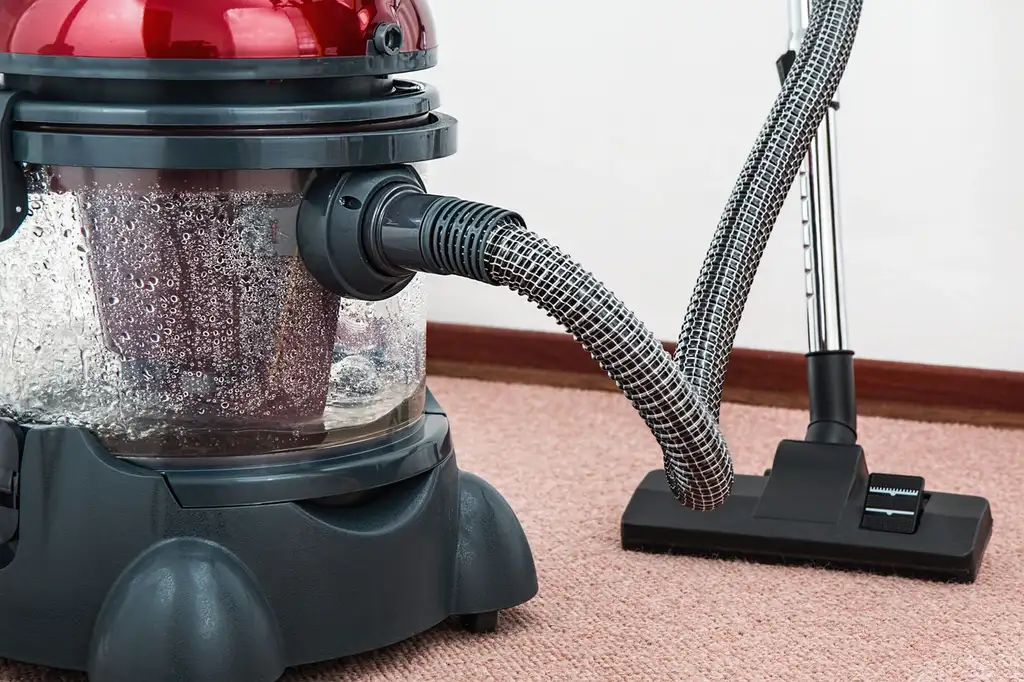
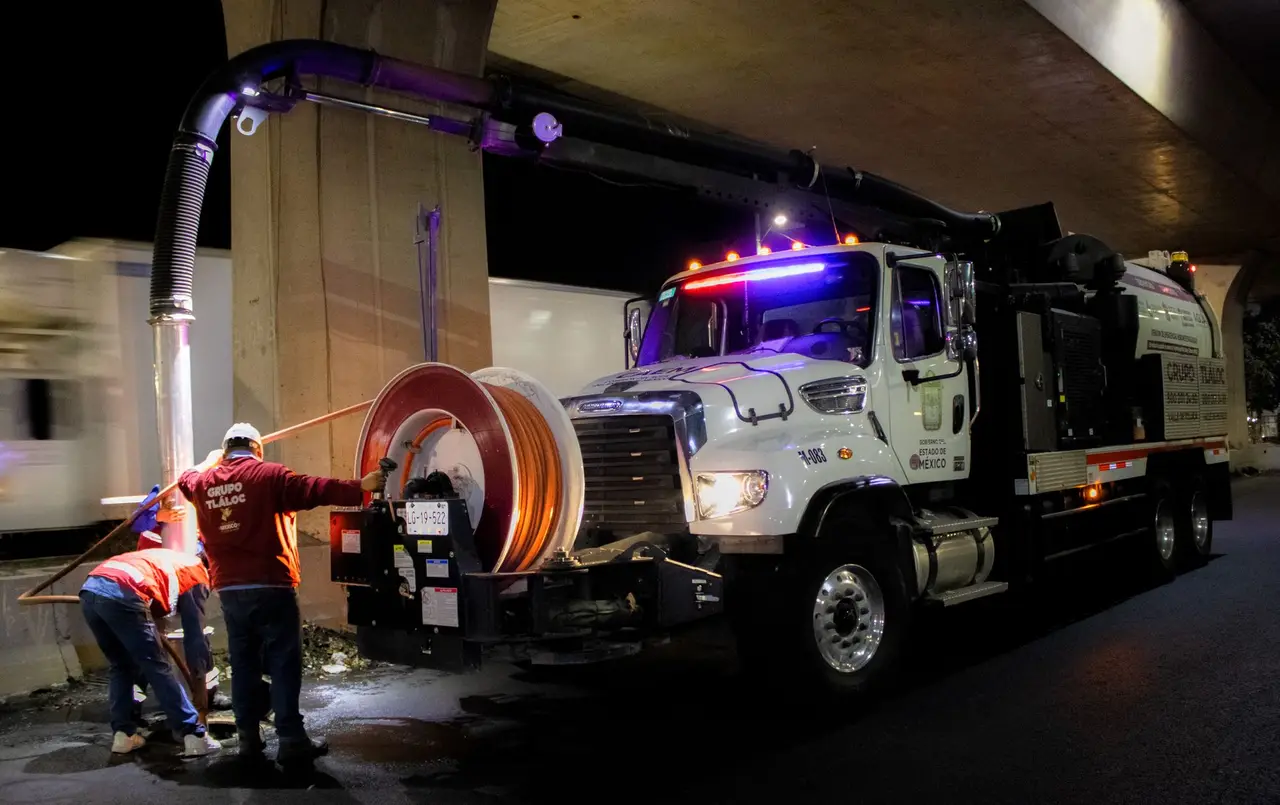
Truck-mounted extraction units and wet/dry vacuums pull water from carpet, hardwood, subfloor, and concrete. For sewage or Category 3 water, we remove and bag contaminated materials first.
Antimicrobial Treatment
After extraction, we apply antimicrobial solution to affected framing, drywall, and subfloor. This stops mold and bacteria from taking hold while the structure dries over the next several days.
Structural Drying Setup
We position commercial dehumidifiers, air movers, and drying mats based on the size and layout of the space. Desiccant units go in crawl spaces and tight cavities where standard equipment cannot reach.
Daily Monitoring and Documentation
We return each day to log moisture readings and adjust equipment. You get photo documentation and a moisture log your insurance adjuster can use to process the claim without delays.
Final Walkthrough and Report
When the structure hits dry standard, we walk the space with you, confirm the readings, and provide a final report. If repairs are needed, we scope them and get them scheduled.
Homes and businesses.
The approach is the same for a home and a business. What changes is the access, the schedule and who needs the paperwork.
For Homes
We dry out houses, condos, and apartments across Philadelphia. You get a crew that knows rowhouses and high-rises, and we keep you informed from extraction to final walkthrough.
Burst pipe under sink
Sump pump failure in basement
Roof leak into ceiling
For Businesses
We work with restaurants, offices, and property managers to get spaces dry and back in service fast. We document everything for your commercial carrier and coordinate access after hours.
Overnight kitchen leak
Office ceiling pipe burst
Retail space flooding
Emergency Water Removal Philadelphia PA
A plain-language look at what Emergency Water Removal involves and when it is needed.
Emergency water removal Philadelphia PA is the urgent process of extracting standing water from a home or business, then drying the structure so mold and rot never take hold. It starts with a moisture meter and thermal imaging camera to map how far the water traveled, followed by truck-mounted extraction units and wet/dry vacuums pulling water from carpet, hardwood flooring, and subfloor. We then set commercial dehumidifiers and air movers to dry the framing, drywall, and insulation to IICRC S500 standard.
Philadelphia's aging rowhouse stock means one burst pipe in Fishtown or a sump pump failure in the Northeast can push water through three floors before you notice. Most calls we take are burst pipes, sewage backups, and roof leaks after a storm. When you search for emergency water extraction near me Philadelphia, you want a crew that knows these buildings. We do.
Extraction removes the water. Drying saves the structure. Documentation gets the claim paid.
What it is
Extracting standing water and drying the structure after a leak, burst pipe, or backup.
When you need it
Any time water is actively spreading or has soaked materials for more than a few hours.
What to expect
A crew arrives, maps the damage, extracts, sets drying equipment, and monitors daily.
What to Expect When We Arrive
From the first phone call to the final moisture reading, here is exactly how our emergency water removal process runs in Philadelphia.
Emergency Call
You call 215-281-3000 and speak to a live dispatcher, not a voicemail. We ask what happened, where the water is coming from, and whether the source is shut off. Within minutes we have a crew assigned and an ETA. If you are standing in water, we walk you through shutting off the main valve before we arrive.
Call answered
Live dispatcher
ETA given
Inspection and Mapping
On arrival we walk the space with a moisture meter, thermal imaging camera, and hygrometer to find every wet zone, including water that migrated behind baseboards or under hardwood. We check the crawl space and ceiling cavities with a boroscope when needed. You get a plain-English explanation of what we found and what it will take to dry.
Walkthrough
Moisture mapping
Plain explanation
Water Extraction
Truck-mounted extraction units and wet/dry vacuums pull standing water from carpet, hardwood, and subfloor. For sewage backup or Category 3 water, we remove contaminated materials, bag them, and apply antimicrobial solution to the exposed structure. Extraction typically takes two to four hours depending on volume.
Extraction
Contaminated removal
Antimicrobial applied
Drying and Monitoring
We position commercial dehumidifiers, air movers, and drying mats to pull moisture from framing, drywall, and flooring. Desiccant dehumidifiers go in crawl spaces and tight cavities. We return daily to log readings with a hygrometer and adjust equipment until the structure reaches dry standard, usually three to five days.
Equipment set
Daily readings
Drying logs
Repairs and Handoff
Once the structure is dry, we repair what the water damaged: drywall, baseboard, insulation, paint, and flooring. If mold is present, we remediate it before closing walls. You get a final moisture report, photo documentation, and a walkthrough so you can see the finished result before we pack up.
Repairs scoped
Final report
Walkthrough
Tools and Methods We Use
Move across a circle, or focus it and press Enter, for an illustrative thermal view of the photograph.
Truck-mounted water extraction unit
Pulls hundreds of gallons of standing water from carpet, hardwood, and concrete faster than portable units. Standard on every truck.
Removes moisture from the air so wet materials release water and dry. Sized to the cubic footage of the affected space.
Air mover
Circulates air across wet surfaces to speed evaporation. Positioned based on room layout and material type.
Thermal imaging camera
Finds hidden moisture behind walls, under floors, and in ceiling cavities without cutting into the structure.
Moisture meter and hygrometer
Measures moisture content in materials and relative humidity in the air. We log readings daily to track drying progress.
Thermal views are illustrative, generated from the photographs.
Methods
Boroscope
Inspects inside wall cavities and crawl spaces to confirm whether water reached areas we cannot see.
Ozone generator and HEPA vacuum
Neutralizes odors and captures mold spores and fine particles after extraction and during remediation.
IICRC S500 standard
The industry standard for water damage restoration. It defines how to classify water, dry materials, and document the job. We follow it on every extraction and drying project.
Moisture mapping and daily monitoring
We map the affected area on day one and log readings every day until the structure hits dry standard. That data goes into your insurance file.
Antimicrobial application
After extraction, we apply antimicrobial solution to framing, drywall, and subfloor to stop mold and bacteria from growing while the structure dries.
Xactimate-compatible scoping
We build the scope in a format insurance adjusters recognize, with line items for extraction, drying, and repairs. That speeds up claim approval.
When to Call for Emergency Water Removal
High-rise pipe burst
A pipe bursts in a Center City high-rise and water runs into the unit below.
We isolate the affected units, extract from both floors, and set drying equipment in each space. We coordinate with building management and document everything for the condo owner's insurance.
Outcome: Both units are dry within four days, and the claim is processed without disputes over who pays for what.
Twin laundry leak
A washing machine supply line fails in a Northeast Philadelphia twin and floods the laundry room and hallway.
We shut off the water, extract from the vinyl and subfloor, and lift the baseboards to dry the wall cavity. We set air movers and a dehumidifier and monitor daily.
Outcome: The laundry room and hallway are dry in three days, and the baseboards go back on without replacement.
Chinatown restaurant backup
A restaurant in Chinatown has a grease trap backup that sends water across the kitchen floor overnight.
We work before opening hours, extract the water, remove contaminated materials, and sanitize the kitchen. We document everything for the commercial carrier and health department if needed.
Outcome: The kitchen passes inspection and reopens the next day, with no lost revenue beyond one shift.
Manayunk sump failure
A sump pump dies in a Manayunk basement during a storm and water reaches the furnace.
We pump out the water, dry the concrete and framing, and check the HVAC system for moisture. If the furnace is wet, we coordinate service before it is turned back on.
Outcome: The basement is dry in four days, and the furnace is inspected and cleared before the next cold snap.
Germantown roof leak
A roof leak in a Germantown rowhouse soaks the ceiling and insulation after a nor'easter.
We tarp the roof, extract water from the attic and ceiling, and dry the framing and insulation. We repair the ceiling drywall and paint to match.
Outcome: The ceiling is repaired and painted within a week, and the roof is patched before the next storm.
Center CityFishtownNortheast Philadelphia
How Emergency Water Removal Runs in Philadelphia
Philadelphia's building stock is old, dense, and varied, and that shapes how we handle every water job. In a 1920s rowhouse in Kensington or Port Richmond, water from a burst pipe runs down through plaster and lath, not modern drywall, and it can travel sideways into the neighboring unit. We check both sides of shared walls.
In Center City high-rises, a leak on the 14th floor can show up in three units below, so we coordinate with building management and document each affected space separately. Winter is our busiest season. Spring and summer bring heavy rain and sump pump failures, especially in Manayunk, East Falls, and parts of Northeast Philadelphia near the river.
We pull L&I permits when structural repairs are needed and follow EPA Lead-Safe practices in pre-1978 homes. If you need same day emergency water removal Philadelphia PA, we know the buildings and the paperwork.
Center City: High-rise leaks travel between units fast. We coordinate with building management and document each affected space for separate insurance claims.
Fishtown: Converted warehouses and rowhouses mix old plumbing with new finishes. We check for lead paint before cutting into walls.
Northeast Philadelphia: Twins and single-family homes with basements. Sump pump failures and frozen pipes are the most common calls we get here.
Manayunk: Hillside homes near the river see basement flooding after heavy rain. We pump out, dry, and check for foundation seepage.
Germantown: Large older homes with plaster walls and original plumbing. Water travels farther than homeowners expect, so we map with thermal cameras.
Freeze-thaw cycles from December through March: Pipes in unheated basements and crawl spaces freeze and burst. We keep crews on standby and prioritize calls where water is actively running.
We protect floors and set up extraction equipment.
We schedule follow-up checks and review next steps.
From problem to finished result.
IllustrativeThe thermal view is generated from the photograph. It is not a measurement. Drag the handle, or use the arrow keys once it is focused.
Burst Pipe in a Fishtown Rowhouse
Before: A supply line burst under the kitchen sink at 11 p.m. Water ran through the kitchen floor into the basement, soaking 400 square feet of hardwood and carpet. The homeowner shut off the main valve but could not stop the spread.
After: We extracted 60 gallons of standing water, removed saturated carpet padding, and dried the hardwood with mats and air movers. Moisture readings dropped from 28% to 9% in four days. The hardwood dried flat and did not need replacement.
We recommended insulating the supply line and installing a water alarm under the sink. The homeowner also scheduled a plumbing inspection for the rest of the house.
Sewage Backup in a Northeast Philadelphia Basement
Before: A sump pump failed during a storm, and the basement took on four inches of sewage-contaminated water. Cardboard boxes, a washer, and drywall at the base of the stairs were all soaked.
After: We removed and disposed of contaminated materials, extracted the standing water, and applied antimicrobial solution to the concrete and framing. Desiccant dehumidifiers dried the space in three days. Moisture readings went from 32% to 8%.
We installed a new sump pump with a battery backup and recommended a water alarm. The homeowner also raised stored items onto shelving.
Roof Leak in a Germantown Twin
Before: A nor'easter drove rain through a failing roof flashing, soaking the attic insulation and staining the second-floor ceiling. The homeowner noticed the stain two days after the storm.
After: We tarped the roof, removed wet insulation, and dried the attic framing and ceiling cavity. The ceiling drywall was repaired and painted to match. Moisture readings dropped from 26% to 10% in five days.
We recommended a roof inspection and flashing repair before the next storm season. The homeowner scheduled it for the following month.
Water Problems We Solve in Philadelphia
Most water emergencies in Philadelphia come down to a handful of causes. We have seen them all, and we know how to stop the damage fast.
Burst pipeBurst pipe flooding a rowhouseWater travels down through floors and into the basement within minutes, soaking drywall, insulation, and subfloor. Mold can start within 48 hours. We shut off the water, extract from every affected level, and dry the structure with commercial dehumidifiers and air movers. We also check for lead and asbestos before cutting into walls in older homes.
Sewage backupSewage backup in the basementCategory 3 water carries bacteria and pathogens. Anything it touches, including drywall and carpet, has to be removed and disposed of properly. We remove contaminated materials, bag them, and apply antimicrobial solution to the exposed structure. Then we extract, dry, and sanitize so the basement is safe to use again.
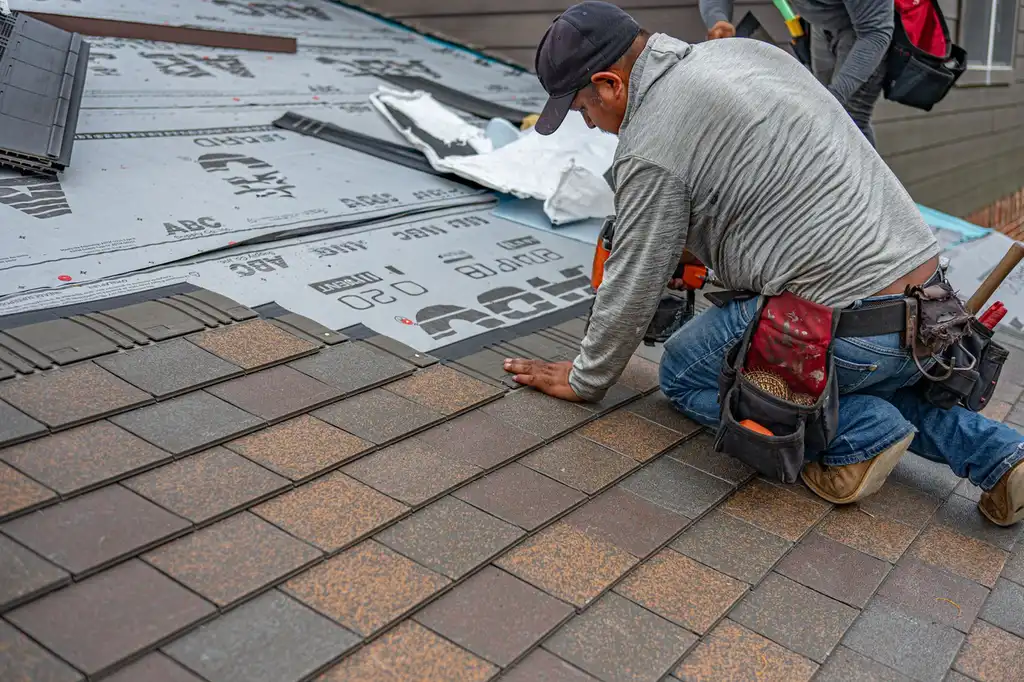
Roof leakRoof leak after a stormWater runs into the attic and ceiling, soaking insulation and drywall. By the time you see a stain, the damage is often already spread. We locate the entry point, extract water from the attic and ceiling cavity, and dry the framing and insulation. If the roof needs repair, we tarp it and coordinate the fix.
Sump failureSump pump failure during heavy rainThe basement fills with water fast, often several inches in an hour. Anything stored on the floor is ruined, and the concrete stays damp for days. We pump out the standing water, extract from the concrete and framing, and set desiccant dehumidifiers to dry the space. We can also recommend a replacement pump setup to prevent a repeat.
Water heater leakWater heater leak before a holidayA failed tank dumps 40 to 80 gallons onto the floor, soaking flooring and framing. If it happens on a weekend, most contractors are closed. We extract, dry, and check the surrounding framing and flooring. If the heater needs replacement, we coordinate that too.
Why Fast Water Removal Matters
A dry structure, documented for insurance, with repairs handled by the same crew.
Stop Mold Before It Starts
Mold growth can begin within 24 to 48 hours of a leak. Our crews extract water and set drying equipment the same day, pulling moisture out of drywall, carpet padding, and subfloor before spores colonize. We apply antimicrobial solution to affected framing and check readings daily with a hygrometer until the structure hits dry standard.
Save Your Floors
Hardwood flooring and carpet padding are the first casualties of standing water. We use weighted extraction and drying mats to pull moisture from hardwood before cupping sets in, and we remove and replace saturated carpet padding rather than trying to dry it. Same day water removal Philadelphia saves floors that would otherwise be torn out.
Insurance-Ready Documentation
We photograph every affected room, log moisture readings, and build an Xactimate-compatible scope your adjuster can process without back-and-forth. That documentation is the difference between a claim paid in two weeks and one that drags for two months. You get a copy of everything we send your carrier.
One Crew, Start to Finish
Extraction, structural drying, dehumidification, and repairs all come from the same team. No handoff between a water removal company Philadelphia and a separate drywall contractor. We dry the structure, then repair the drywall, baseboard, and paint so your home is put back the way it was.
What a written scope covers.
What a written scope covers and what shapes it. Prices are set by the business after the first look.
A pipe burst under our kitchen sink at 11 p.m. and water was running into the basement. Water Damage Restoration Philly had a crew here in about an hour. They extracted the water, set up dehumidifiers, and had everything dry in four days. They even handled the insurance paperwork. I cannot recommend them enough.
We manage a 12-unit building and had a water heater fail on the top floor. Water ran down through three units. Their crew worked through the night, extracted everything, and documented each unit for our carrier. The adjuster told me it was the cleanest claim file he had seen. That saved us weeks.
Our sump pump died during a storm and the basement had six inches of water. They pumped it out, dried the concrete and framing, and checked for mold. The crew was polite, explained everything, and did not try to upsell us. The basement is dry and we have a new pump setup now.
Frequently Asked Questions
Water Damage Restoration Philly does. We are a locally owned water damage company based in Philadelphia, serving every neighborhood from Center City to Torresdale. Call 215-281-3000 and we dispatch a crew, usually within 60 to 90 minutes.
We typically arrive within 60 to 90 minutes of your call, and extraction starts as soon as we map the affected area. Most residential jobs take two to four hours of extraction, followed by three to five days of structural drying. For a burst pipe or sewage backup, faster is better, so call as soon as you notice water.
Most homeowner policies cover sudden and accidental water damage, including burst pipes and appliance leaks. Flood damage from outside the home usually requires separate flood insurance. We document every job with photos, moisture readings, and an Xactimate-compatible scope so your adjuster has what they need. We work directly with your carrier to keep the claim moving.
Shut off the water source if you can, and kill power to any flooded rooms at the breaker. Move furniture and valuables off wet carpet if it is safe to do so. Do not use a household vacuum to remove water. Then call us at 215-281-3000. We will walk you through anything else while the crew is en route.
Call 215-281-3000 any time, day or night. We answer live, ask what happened, and dispatch a crew. If you prefer email, send photos and your address to [email protected] and we'll respond within the hour. Most Philadelphia calls get a technician on-site within 60 to 90 minutes.