For Homes and Renters
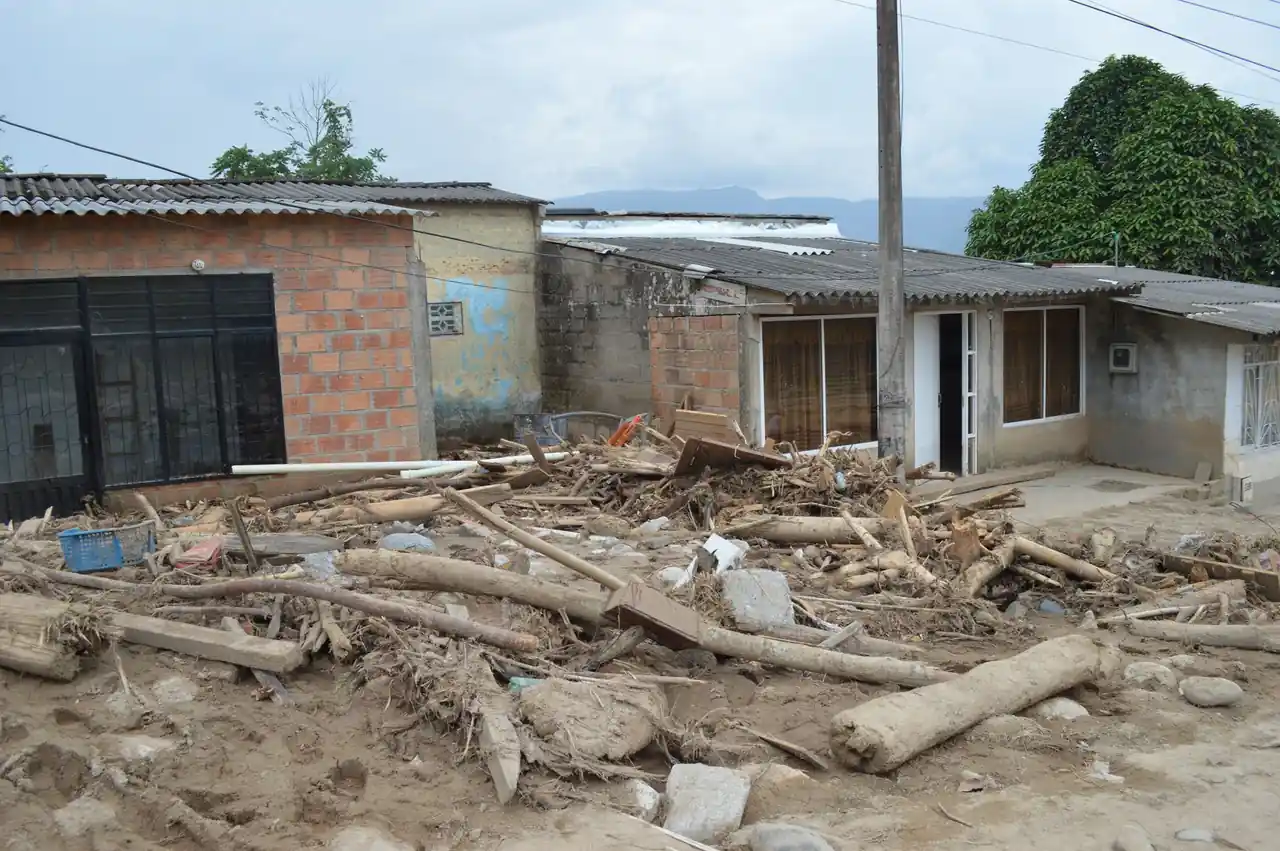
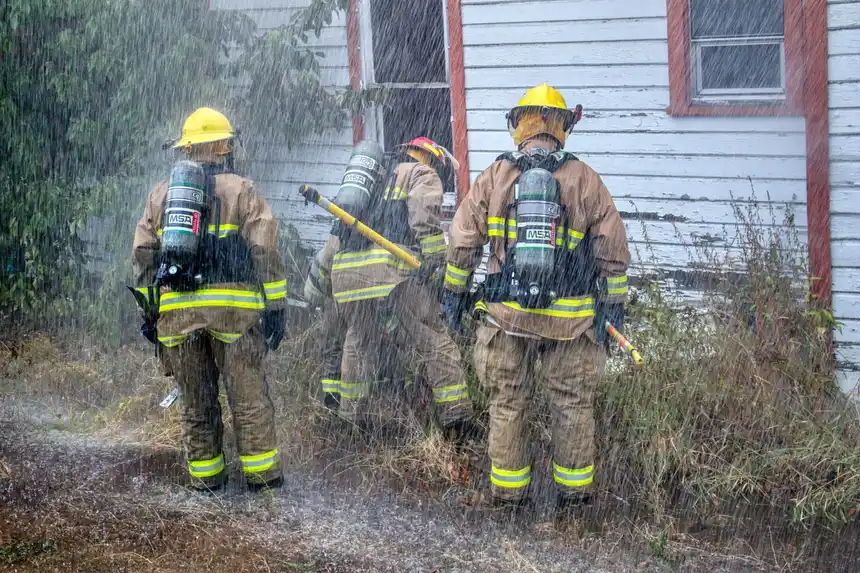
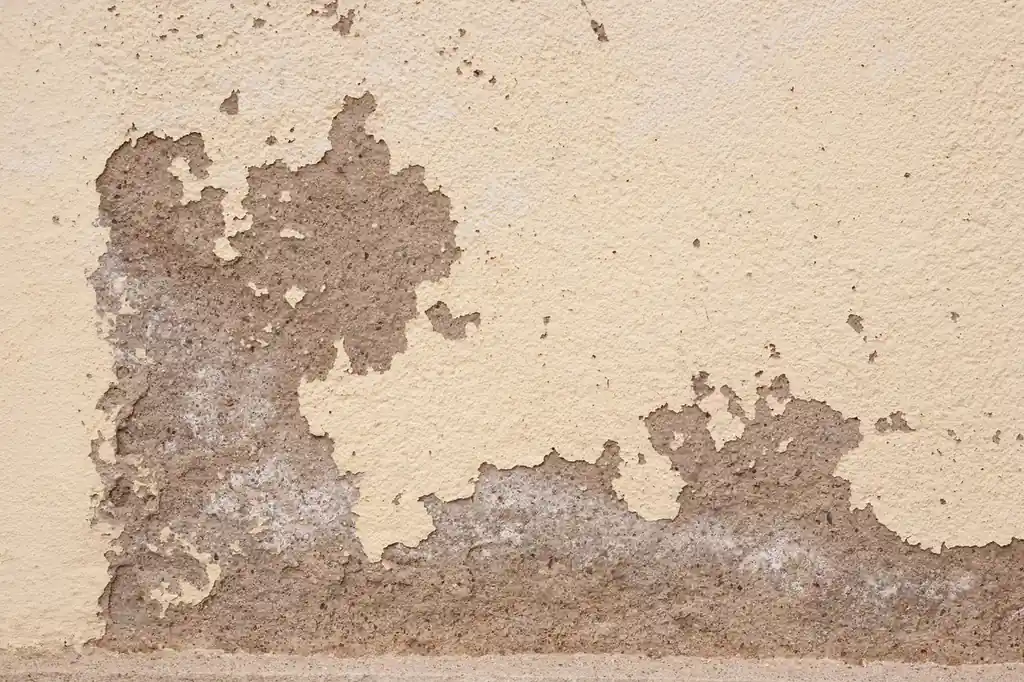
We assess rowhomes, twins, and apartments across Philadelphia. You get readings on your floors, walls, and ceilings before anything is removed.
- Burst pipe behind a wall
- Sump pump failure in basement
- Roof leak above a ceiling
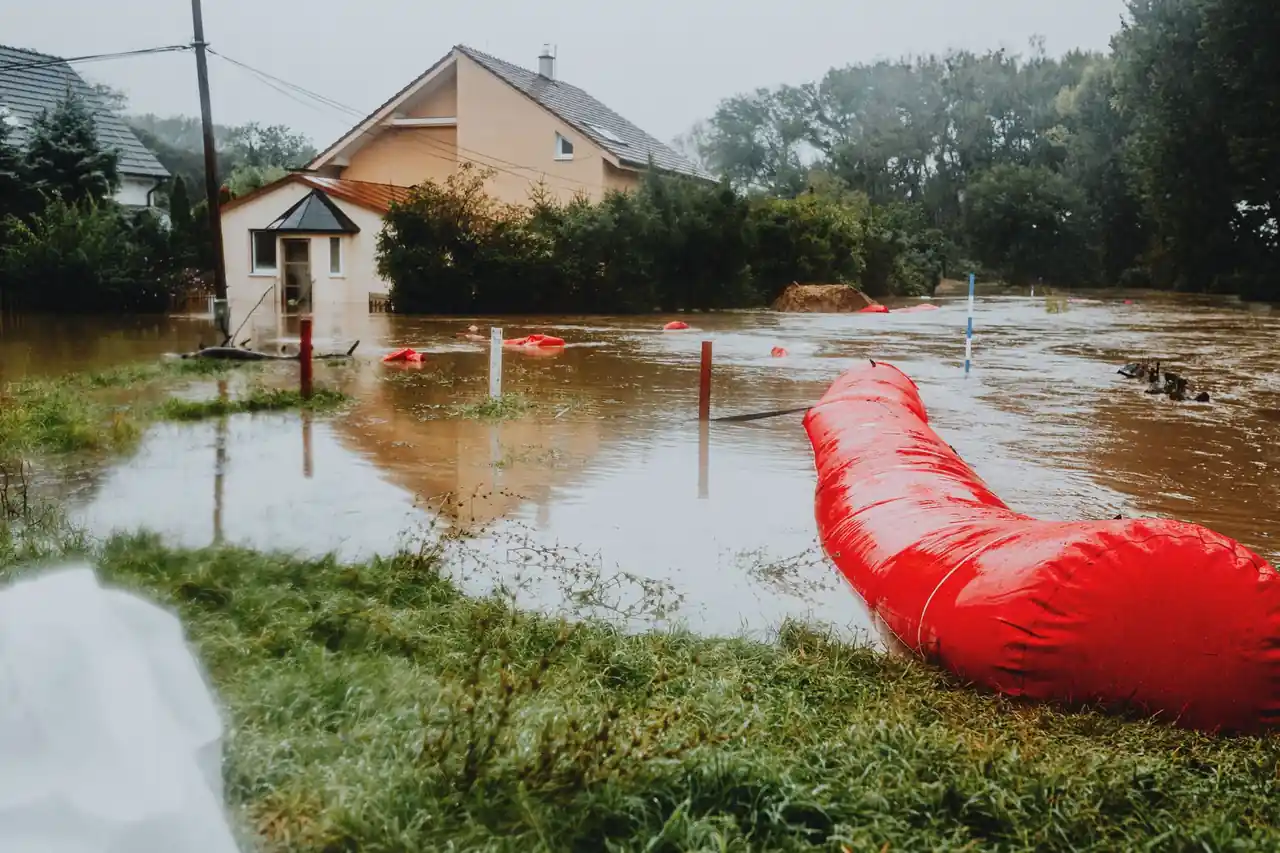
A water damage assessment Philadelphia PA is the first real step after any leak, backup, or storm intrusion. We walk your Philadelphia property, meter every wet surface, and tell you exactly what is wet, what is dry, and what has to come out. Whether you own a rowhome in Fishtown or manage a Center City office, you get a written scope and a drying plan the same day you call.
 Meter every surfaceThermal scan firstWritten drying plan
Every assessment covers the same core work: find the source, measure the spread, rate the damage, and hand you a plan. Add-ons like mold testing or content pack-out are quoted separately if the readings call for them.
We meter every affected surface with a moisture meter and record percentages room by room. You get a sketch showing where the water traveled and how wet each material reads on the day of the visit.
A thermal imaging camera finds trapped moisture behind drywall, under hardwood flooring, and above ceiling tiles. Cool spots on the screen tell us where to cut or where to place drying equipment.
A hygrometer compares indoor and outdoor humidity so we know whether the building can dry on its own. High outdoor humidity in a Philadelphia summer changes how long drying will take.
We assign a water category from 1 to 3 and a drying class from 1 to 4. Those ratings drive the drying plan and tell your insurance adjuster how serious the loss is.
You receive equipment counts, placement notes, and an expected drying timeline. The plan is yours whether you hire us for the drying or run it with your own contractor.
If we see or smell mold growth, we note the location and square footage and recommend mold remediation. Catching it during the assessment keeps a small patch from becoming a whole-wall job.
The approach is the same for a home and a business. What changes is the access, the schedule and who needs the paperwork.
We assess rowhomes, twins, and apartments across Philadelphia. You get readings on your floors, walls, and ceilings before anything is removed.
We assess offices, retail, and multi-unit buildings across Philadelphia County. After-hours visits keep your operation running while we map the moisture.
A plain-language look at what Water Damage Assessment involves and when it is needed.
See how it worksA water damage assessment Philadelphia PA is a diagnostic service that measures how far water has traveled through your building and what it has damaged. We do not guess from a wet carpet. We use a moisture meter and a thermal imaging camera to read wall cavities, then a hygrometer to compare indoor humidity against outdoor readings. If the leak is behind tile or under hardwood, a boroscope goes through a small access hole. You get a moisture map, a category and class rating, and a drying plan before any equipment is staged.
Philadelphia properties fail in predictable ways. A burst pipe in a 1920s rowhome on a cold January night pushes water through plaster and into the joist bays. A sump pump failure in a finished basement in Mayfair soaks carpet padding and baseboard. A roof leak after a nor'easter tracks down a chimney chase in Mount Airy. Each scenario needs a different assessment, and that is why we inspect before we quote. If you are searching for water damage assessment near me Philadelphia PA, this is the call that stops the guesswork.
An assessment tells you what is wet, how wet, and what has to happen next.
Five steps, one visit, and a written plan you can act on. Here is exactly what happens from the first phone call to the final reading.
You call 215-281-3000 and describe what happened: a burst pipe, a sewage backup, a ceiling leak, or a sump pump failure. We ask when it started, whether the water is still running, and whether power is affected. That call takes five minutes and tells us what equipment to load before we roll.
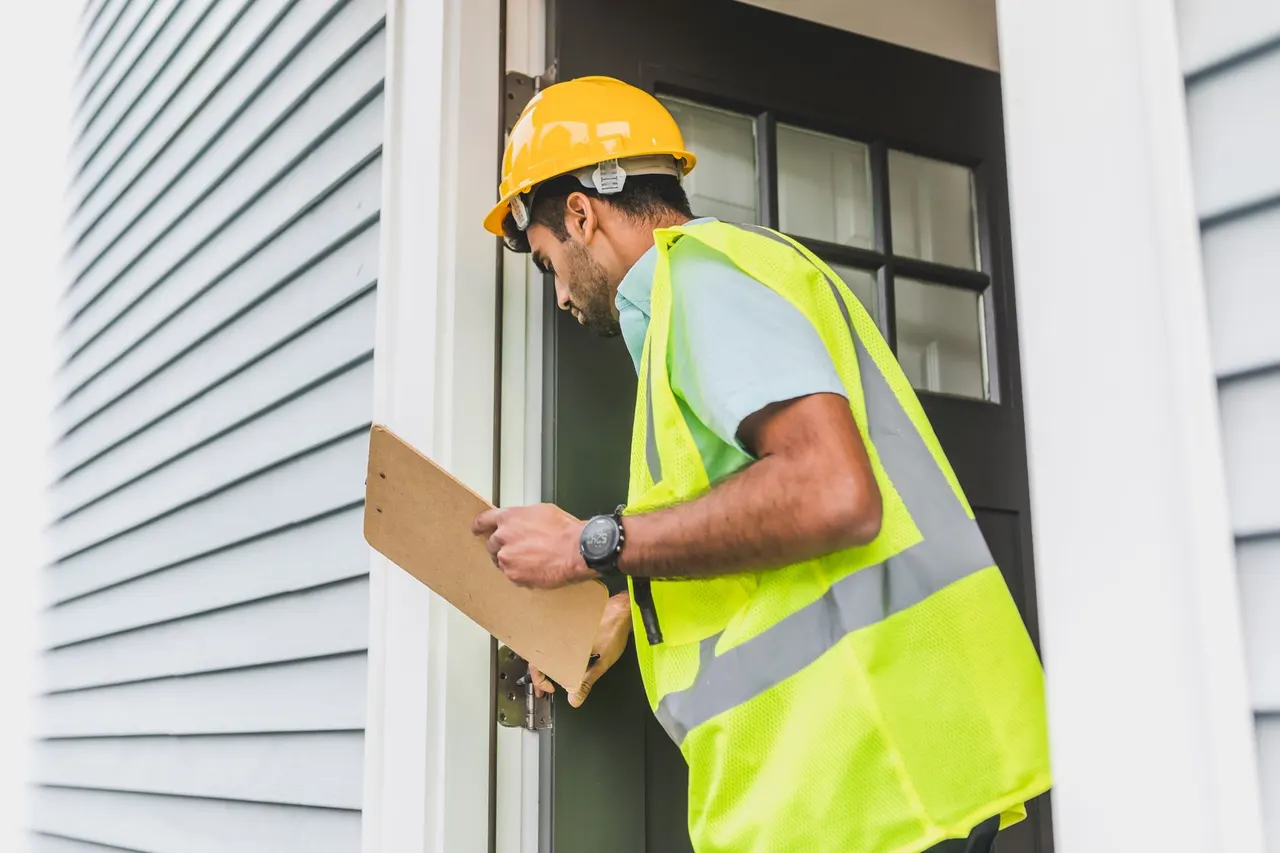
On arrival we walk the affected area with you. We check the source, then follow the water. A thermal imaging camera scans walls and ceilings for cool spots that indicate trapped moisture. A moisture meter confirms readings on drywall, hardwood flooring, subfloor, and carpet padding. This step usually takes 30 to 60 minutes.
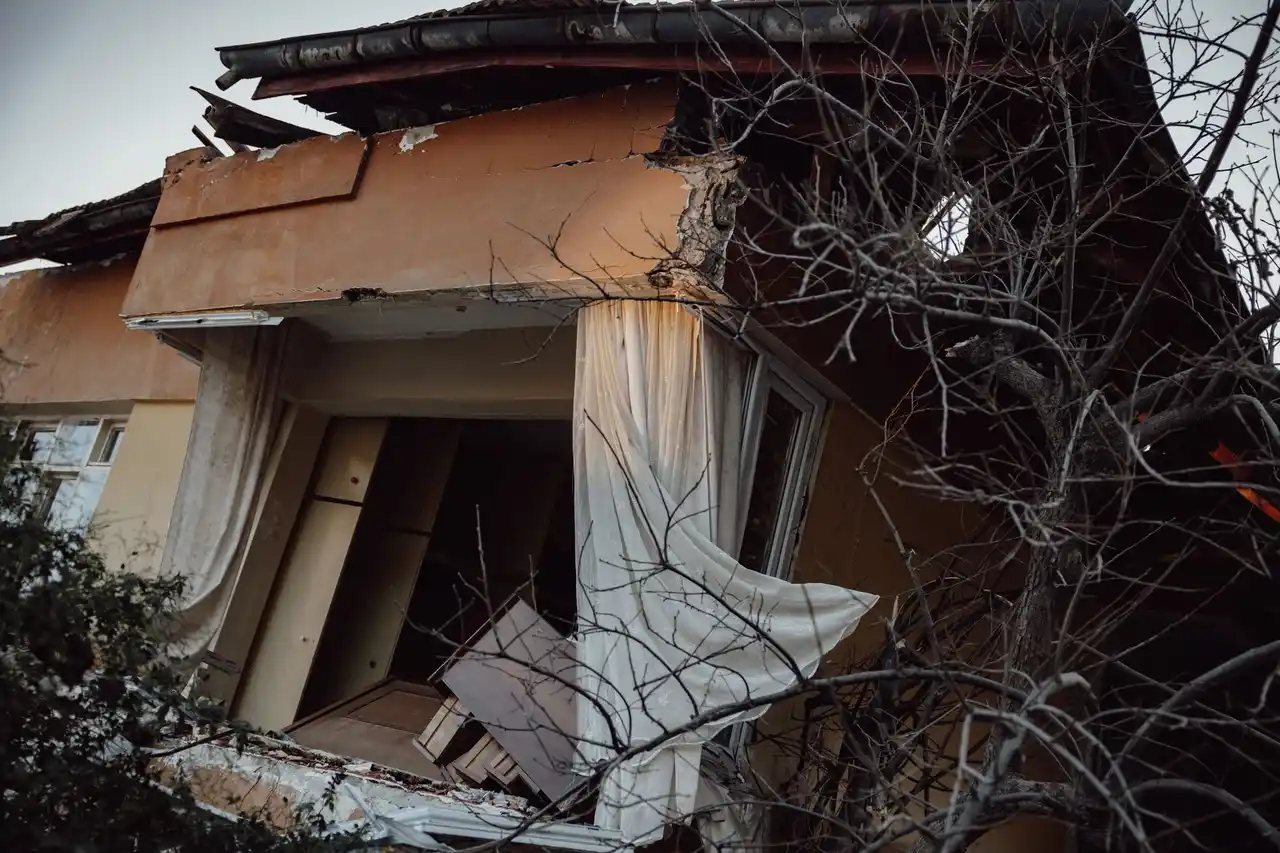
We record moisture percentages and humidity levels with a hygrometer, then sketch a moisture map of the affected rooms. If we suspect water inside a wall cavity, a boroscope goes through a small hole at baseboard height. Every reading gets logged with a photo so your file is complete.
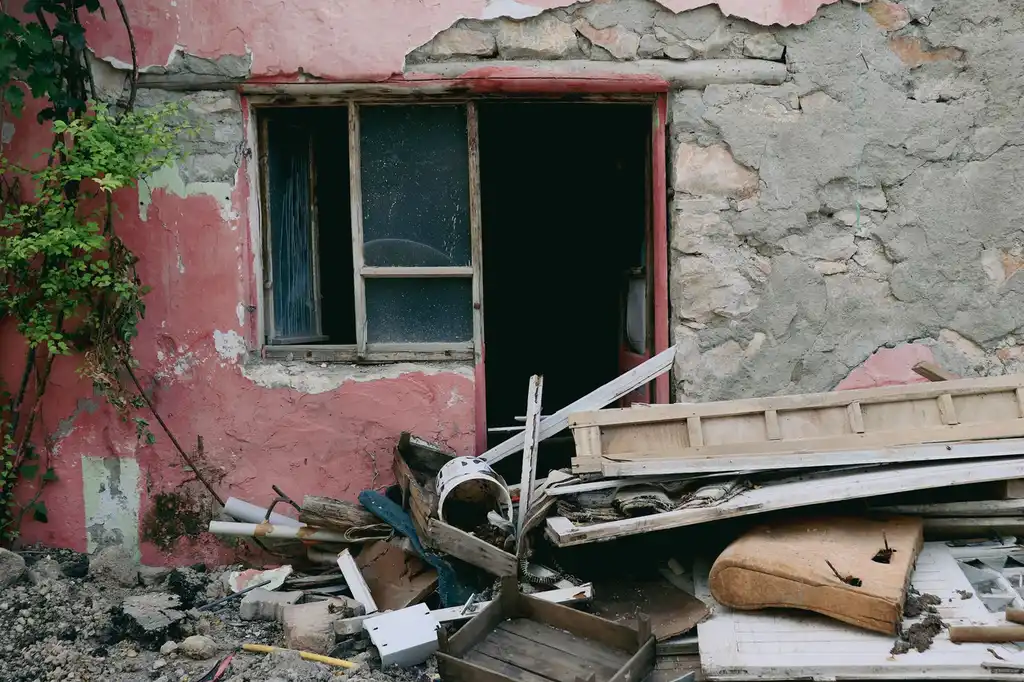
We assign a water category and a drying class, then explain what both mean in plain language. You will know which materials are salvageable, which are not, and why.
You receive a written scope with equipment counts, placement, and an expected drying timeline. If you want us to handle the drying, we schedule it before we leave. If you want a second opinion, the plan is yours to keep and compare.
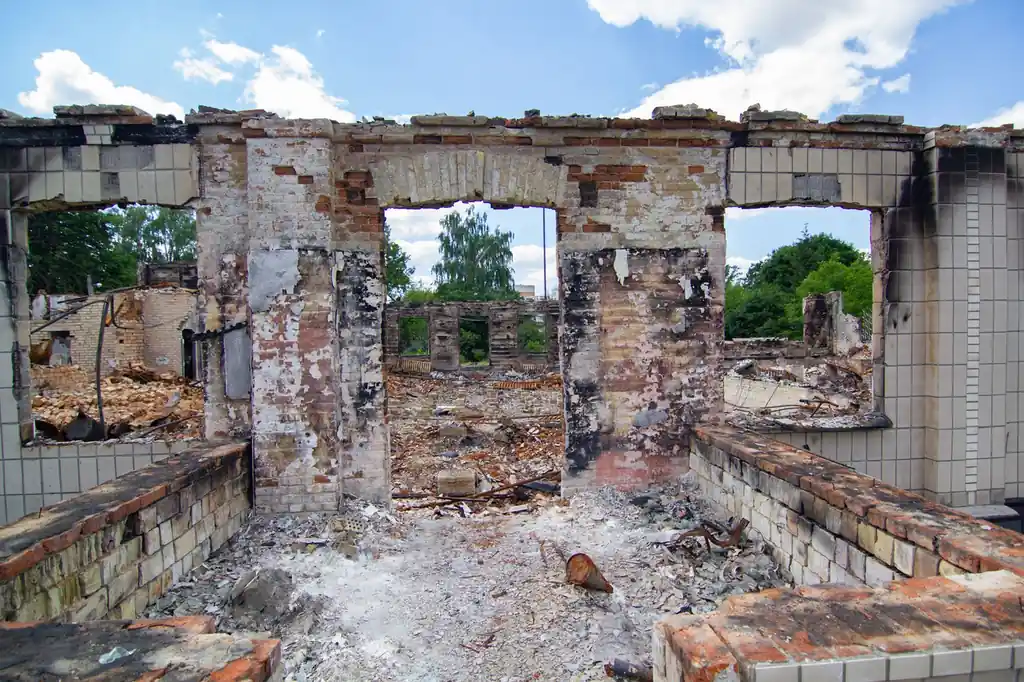
Move across a circle, or focus it and press Enter, for an illustrative thermal view of the photograph.
Scans walls, ceilings, and floors for temperature differences that reveal trapped moisture behind finished surfaces.
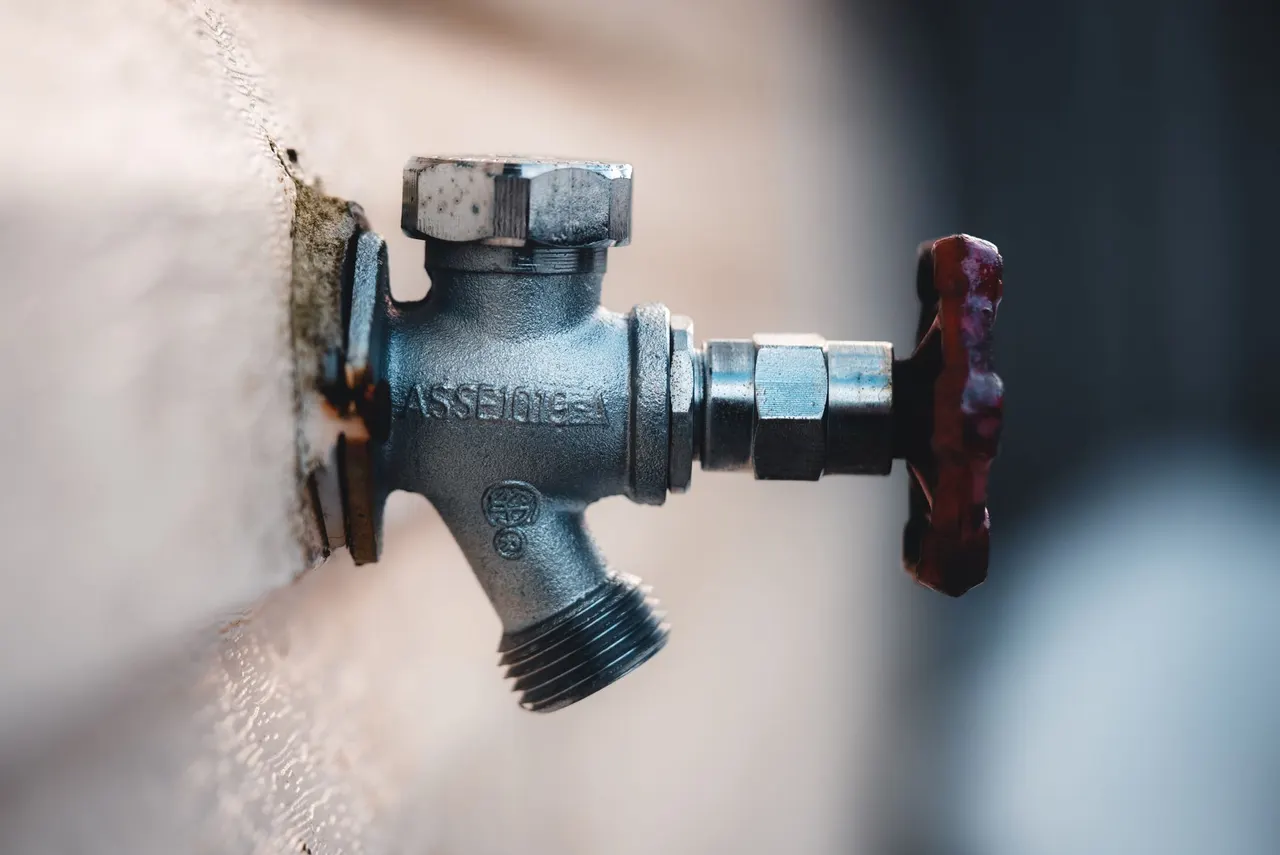
Reads percentage moisture in drywall, hardwood flooring, subfloor, and framing so we can compare wet against dry reference points.
Measures relative humidity and dew point indoors and outdoors to judge how fast the building can dry on its own.
Slides through a small access hole to inspect inside wall cavities and behind tile without tearing out the surface.
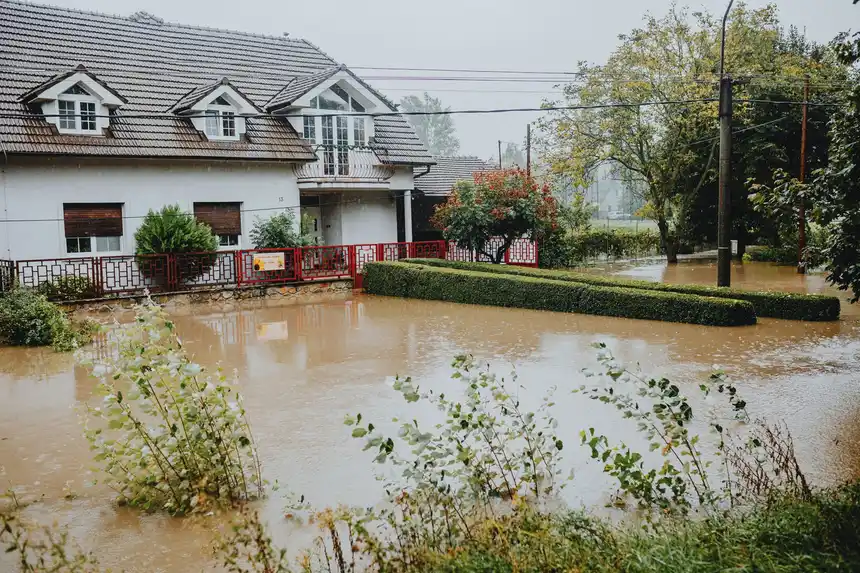
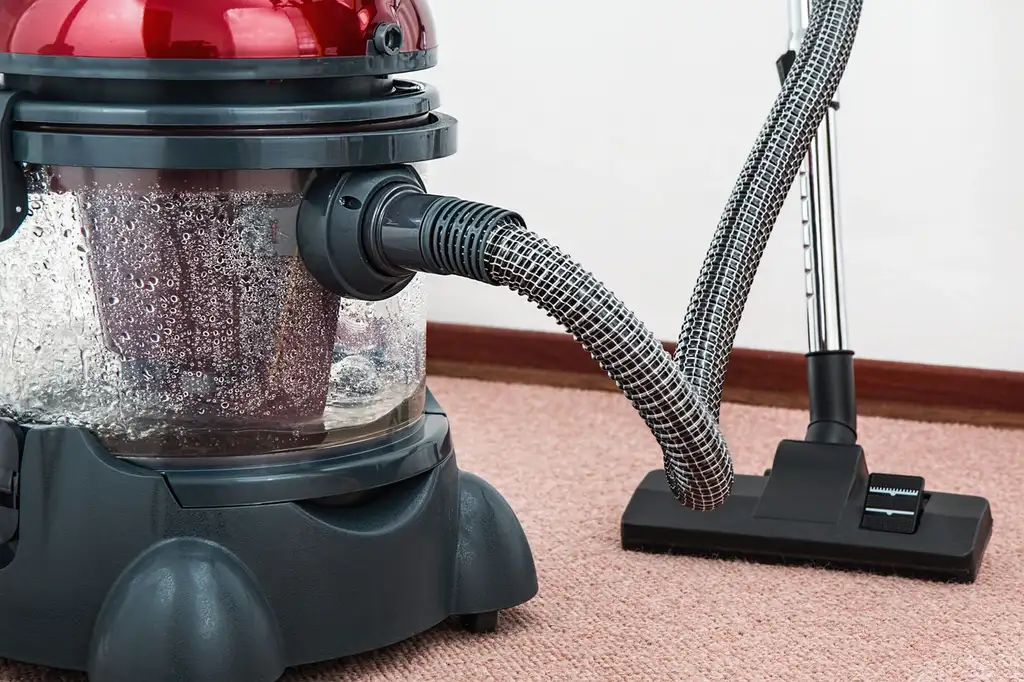
Pulls standing water from carpet, hardwood, and slab before assessment readings can be trusted.
Thermal views are illustrative, generated from the photographs.
Dri-Eaz and Phoenix Restoration units pull moisture out of the air so wet materials can release water during drying.
Directs high-volume airflow across floors and walls to speed evaporation once the drying plan is set.
We follow the S500 standard for water damage classification and drying. It sets the categories, classes, and drying goals that insurers and adjusters recognize, so your documentation holds up during a claim.
We scan with the thermal camera before we meter. The camera shows us where to look, and the meter confirms how wet it is. That order keeps us from missing water that traveled away from the visible damage.
Every reading is compared against a dry reference point in the same material. That baseline tells us whether a wall is genuinely wet or just reading high because of ambient humidity.
Once drying starts, we re-meter the same points every day and log the numbers. When readings match the dry reference point, the structure is done and equipment comes out.
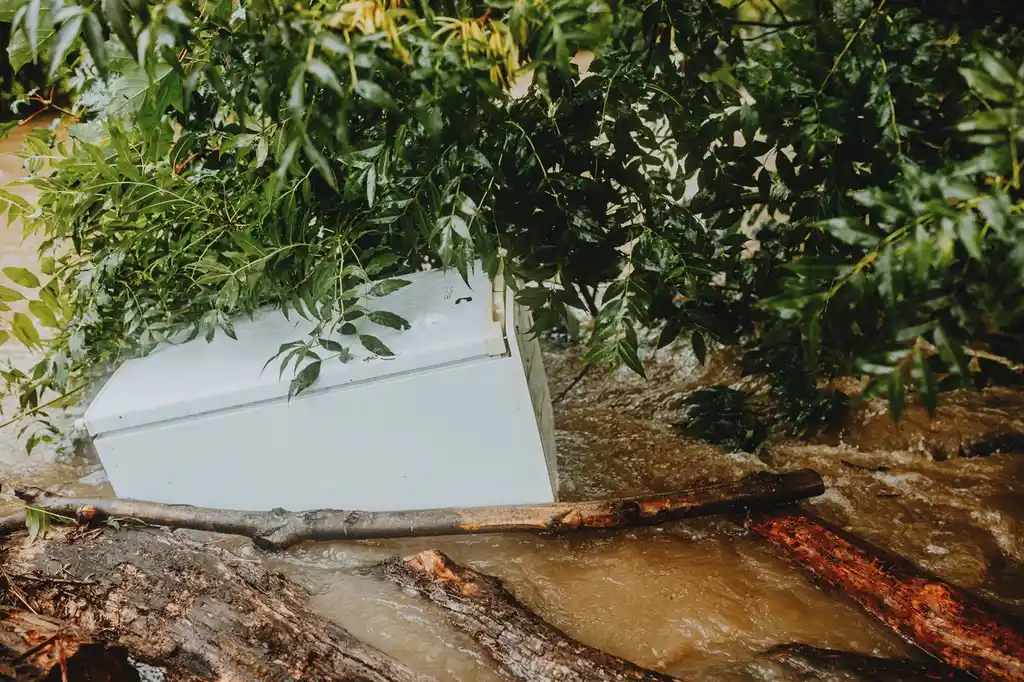
A pipe bursts in a rowhome on a freezing January night and water runs down through two floors.
We shut off the supply, extract standing water, and assess both floors with thermal imaging. The map shows which ceiling cavities and wall bays are wet so drying equipment goes in the right rooms.
Outcome: You know the full scope before any demolition starts, and the drying plan targets the actual wet zones instead of the whole house.
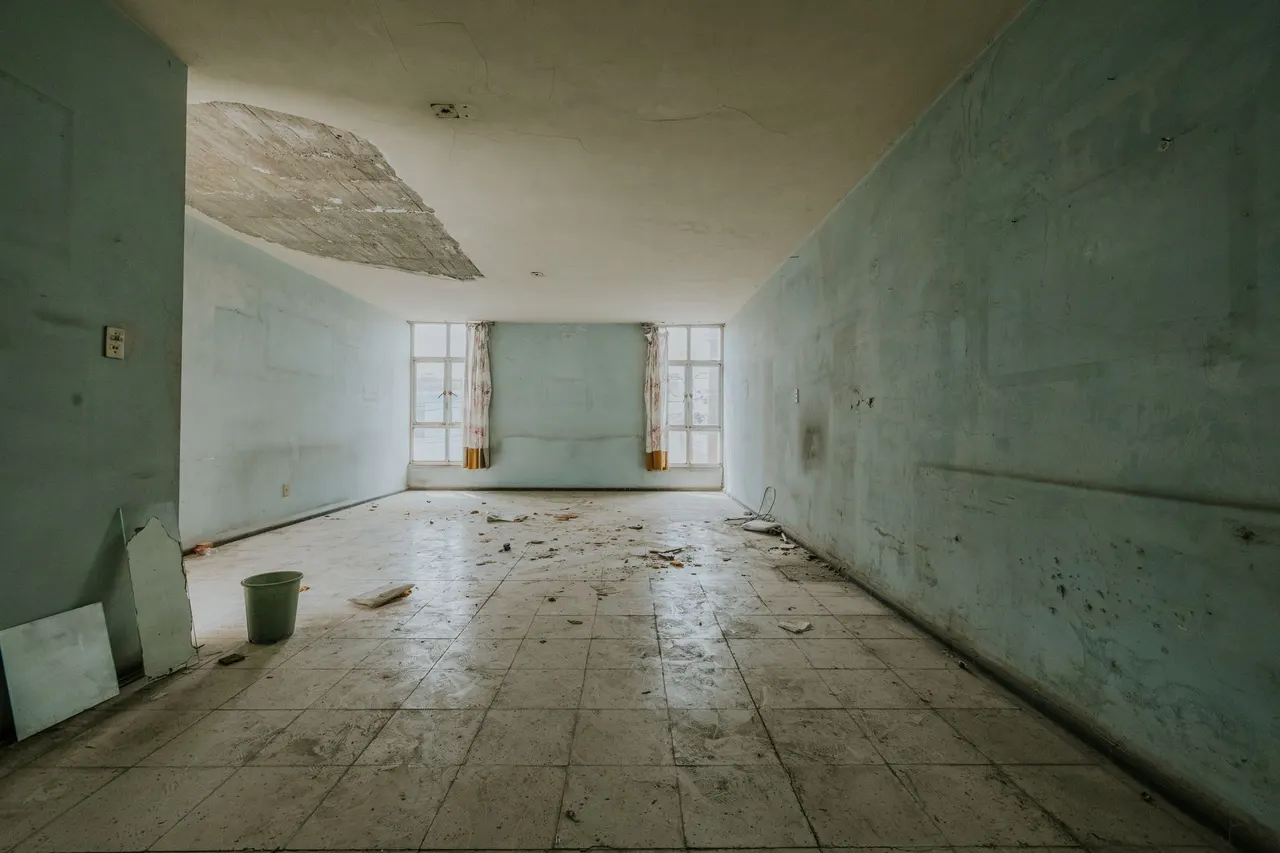
A sewage backup pushes into a finished basement in Kensington after heavy rain.
We treat it as a category 3 loss, assess how far the contamination spread, and mark every affected material. Then we remove what cannot be saved and disinfect the rest with antimicrobial solution.
Outcome: The contaminated materials come out, the structure gets cleaned, and your insurance file documents why each item was removed.
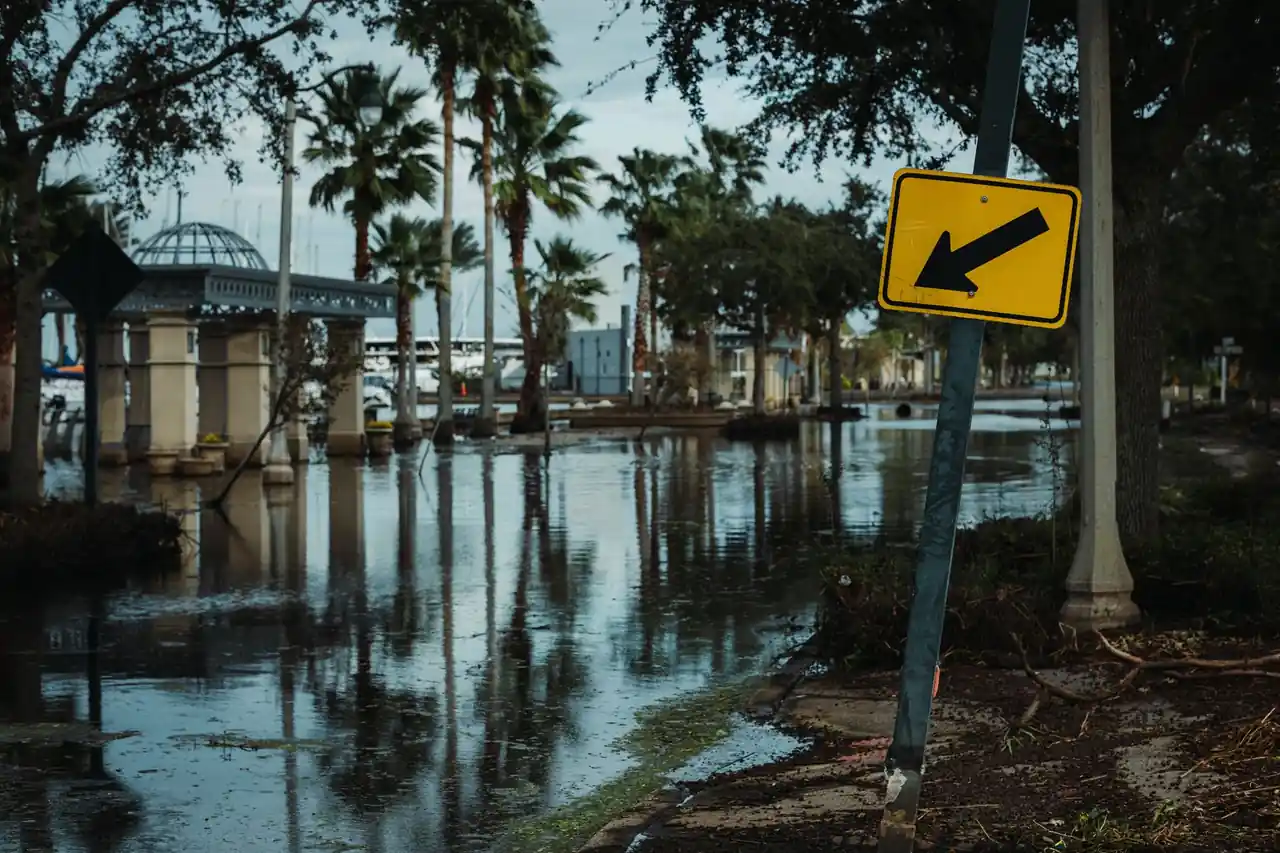
A roof leak after a nor'easter stains the ceiling in a Mount Airy twin.
We scan the ceiling and attic with thermal imaging, read moisture in the drywall and joists, and check whether insulation is wet. If it is, we note the square footage for removal.
Outcome: You get a repair scope that covers the source and the interior damage, so the stain does not come back after the next storm.
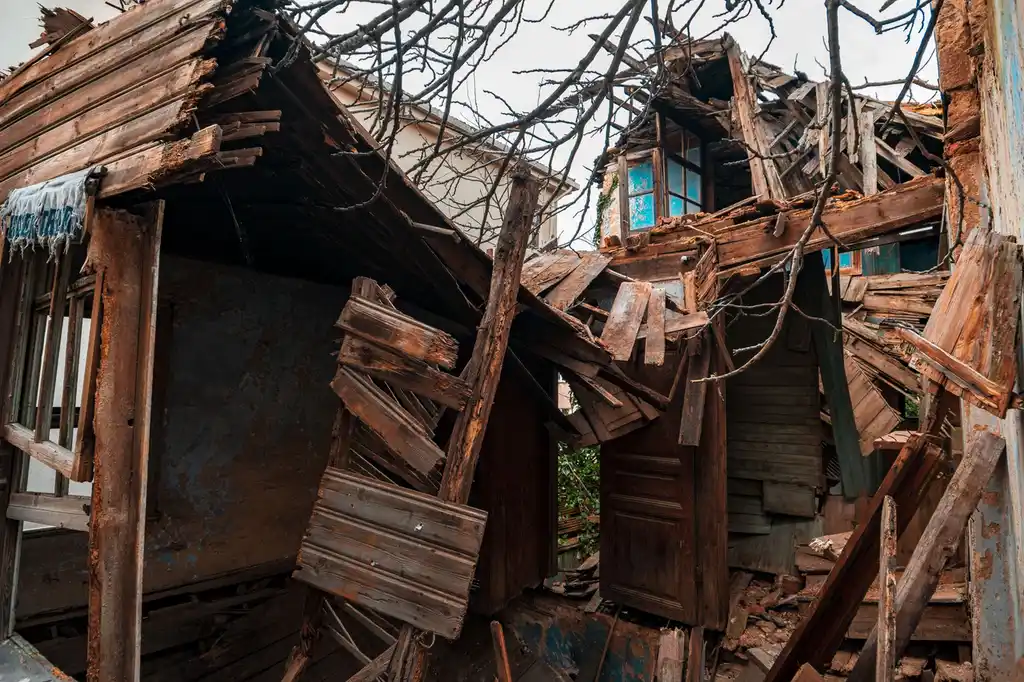
A water heater fails in a Bella Vista home and dumps 40 gallons across the utility room floor.
We extract the standing water, meter the subfloor and adjacent drywall, and check whether the water reached the hallway or a closet. The assessment sets the drying footprint.
Outcome: The floor dries in three to four days, and you replace only the baseboard and drywall that actually got wet.
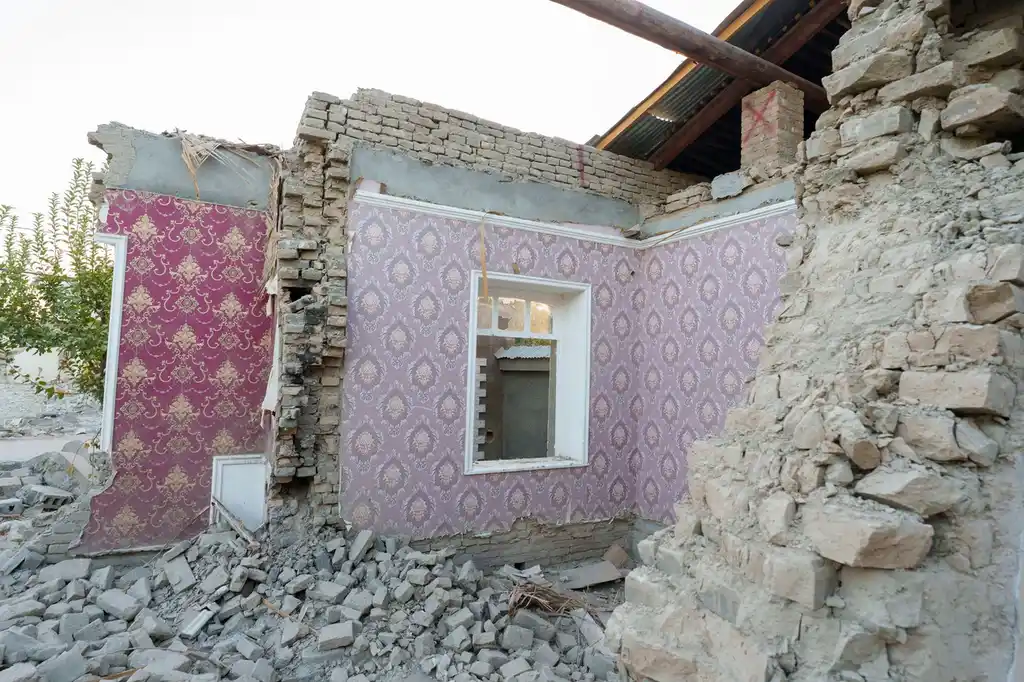
A commercial tenant in Center City reports a musty smell but no visible leak.
We assess after hours, scan the ceiling plenum and exterior walls, and check the HVAC condensate pan and drain line. A hygrometer confirms whether indoor humidity is driving the smell.
Outcome: You find the source without disrupting business hours, and the report gives the building owner a clear repair scope.
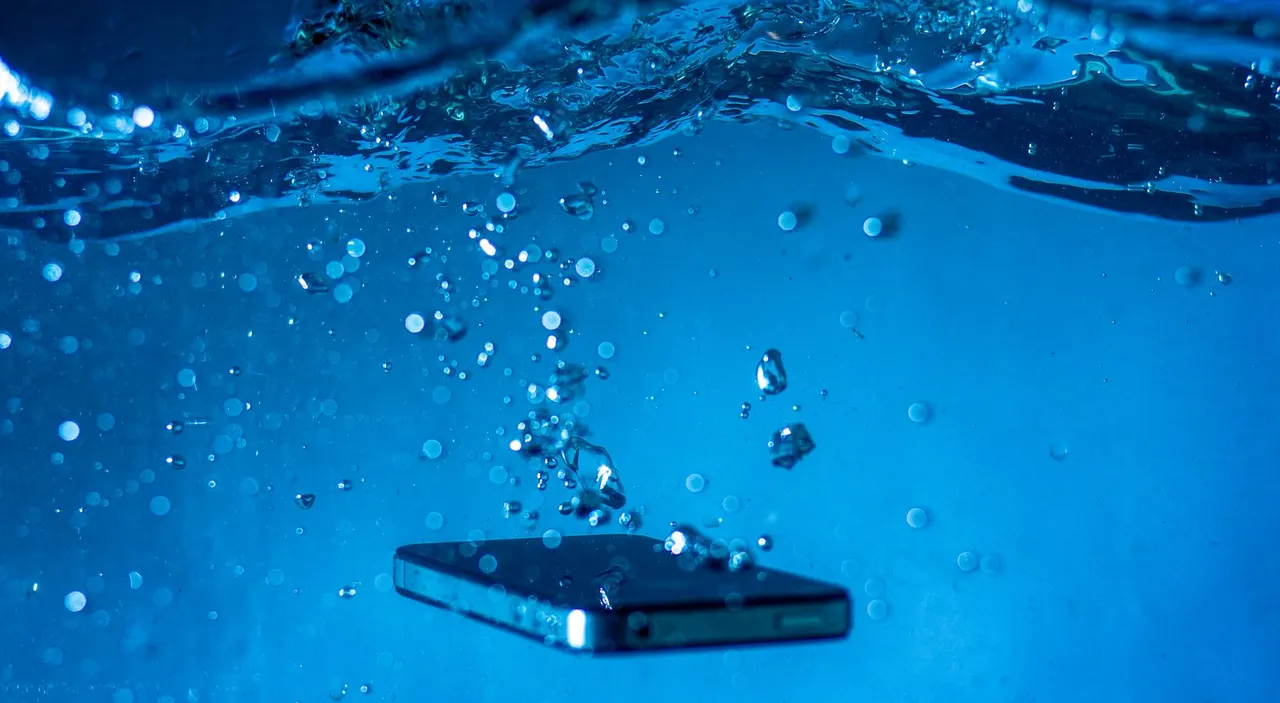
Philadelphia building stock changes how water behaves. A rowhome in Queen Village has plaster walls and a shared party wall, so water can travel sideways into a neighbor's unit before it shows on your side. A twin in Bustleton has a basement slab that stays cold year-round, which slows drying in winter.
Center City high-rises have stacked plumbing, so a supply line failure on the 14th floor can soak ceilings on the 13th. We assess for all of it. Our technicians carry a thermal imaging camera and moisture meter on every call, and we read block foundation walls, hardwood flooring, and subfloor separately because each material dries at a different rate.
If you need water damage assessment in Philadelphia, Pennsylvania, we know the local failure patterns. Call 215-281-3000 and we will schedule a same day water damage inspection Philadelphia visit.
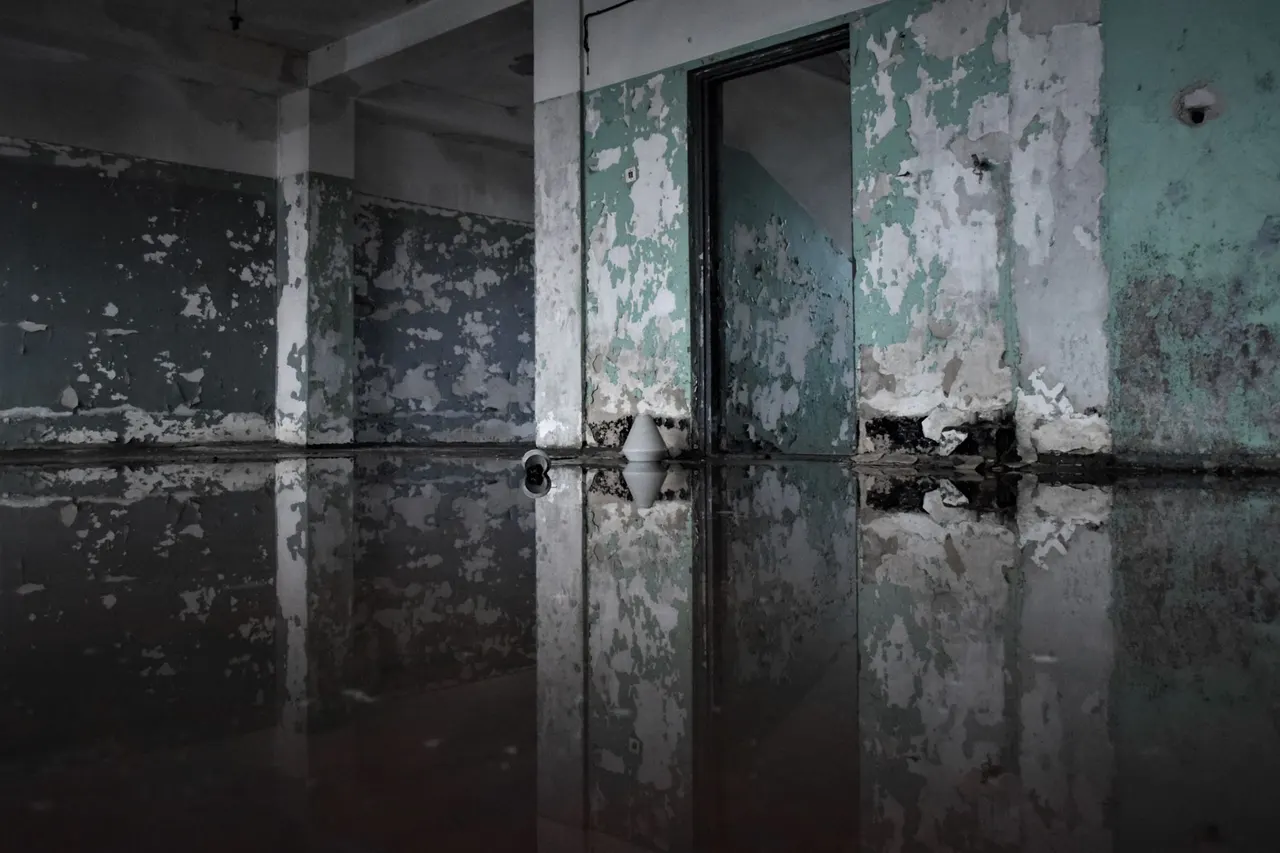
Before: A supply line burst behind the kitchen wall in January. Water ran under the hardwood flooring and into the basement ceiling. The homeowner saw one small stain and assumed the damage was minor.
After: Thermal imaging found saturation across 180 square feet of flooring and 40 square feet of basement ceiling. We dried the hardwood in place over five days and replaced only one section of drywall.
Keep cabinet doors open under the sink during cold snaps so warm air reaches the pipes. Insulate any supply line that runs along an exterior wall.
Before: A sump pump died during a spring storm and the finished basement took on two inches of water. Carpet padding, baseboard, and the bottom 12 inches of drywall were soaked.
After: We extracted the standing water, removed the ruined padding, and dried the subfloor and drywall in three days. The homeowner replaced the pad and reinstalled baseboard without touching the framing.
Test the sump pump every month by pouring a bucket of water into the pit. Install a battery backup so the pump runs during a power outage.
Before: A nor'easter drove rain through a flashing failure and water tracked down the chimney chase. A ceiling stain appeared two floors below the roof, and the attic insulation was wet.
After: Our assessment mapped 60 square feet of wet ceiling and 25 square feet of attic insulation. We removed the wet insulation, dried the framing in four days, and the ceiling was patched and painted.
Check roof flashing and chimney seals each fall before the first freeze. Look for ceiling stains after every major storm.
Most Philadelphia water damage starts small and hides well. These are the problems our assessment catches while the repair is still cheap.
Know what is wet before you tear anything out.
Mold growth can start in 24 to 48 hours on wet drywall and carpet padding. A water damage inspection Philadelphia catches saturation behind baseboard and inside wall cavities while the material is still salvageable. We flag the exact square footage at risk so you can dry it or remove it before spores colonize.
Insurance adjusters want readings, photos, and a category rating, not a verbal description. We log moisture percentages, thermal images, and affected materials room by room. That file supports your claim and gives the adjuster a defensible scope to work from.
Hardwood flooring and subfloor often survive if they are dried within the first 48 hours. Our moisture meter readings tell us whether a floor can be saved with air movers and a commercial dehumidifier or whether a section has to come up. You only pay for removal that is actually necessary.
An assessment ends with a plan, not a sales pitch. We specify how many air movers and dehumidifiers your square footage needs, where they go, and how many days drying should take. You can hand that plan to any contractor or use our team to execute it.
What a written scope covers and what shapes it. Prices are set by the business after the first look.
Included
Depends on
Clear records you can keep and share.
Room-by-room sketch of wet zones
Thermal and meter images with readings
Equipment counts and placement notes
Materials to dry versus remove
Two ratings come out of every assessment: the water category and the drying class. Both drive the plan.
Clean water from a supply line
Gray water with some contamination
Black water, grossly contaminated
A list like this tells people straight away whether you cover their street. Not listed? Call and ask: it only takes a minute.
Based in Philadelphia and covering the places around it. Pick one for local details.
Commercial assessments and large-loss properties price higher because they take longer to map. The final number depends on square footage, how many rooms are affected, and whether we need a boroscope to check wall cavities.
Water Damage Restoration Philly performs water damage inspection in Philadelphia, Pennsylvania, with IICRC WRT and ASD trained technicians. We cover Philadelphia County and the surrounding neighborhoods, from Center City and Fishtown to Mayfair and Roxborough. Call 215-281-3000 and we will schedule a technician to your address.
It includes a full walk-through, thermal imaging of walls and ceilings, moisture meter readings on every affected material, a humidity check with a hygrometer, and a written moisture map. You also get a water category and drying class rating plus a drying plan with equipment counts. If we find mold growth, we note it and recommend mold remediation.
Yes, same-day assessments are usually available when you call before noon. Emergency water damage assessment Philadelphia PA requests get priority, especially for burst pipes, sewage backups, and active roof leaks. If the source is still running, we will talk you through shutting it off before the technician arrives.
Other services from the same team.
One call gets a technician to your door with a thermal camera and moisture meter. We map the water, explain the damage, and hand you a drying plan. Call 215-281-3000 now and stop the guesswork before mold starts.
Call 215-281-3000 any time, day or night. We answer live, ask what happened, and dispatch a crew. If you prefer email, send photos and your address to [email protected] and we'll respond within the hour. Most Philadelphia calls get a technician on-site within 60 to 90 minutes.