Does homeowners insurance cover water damage from a burst pipe?
Yes, most homeowners policies cover sudden burst pipe water damage. Here's how Philadelphia claims work, what's excluded, and how to protect your payout.
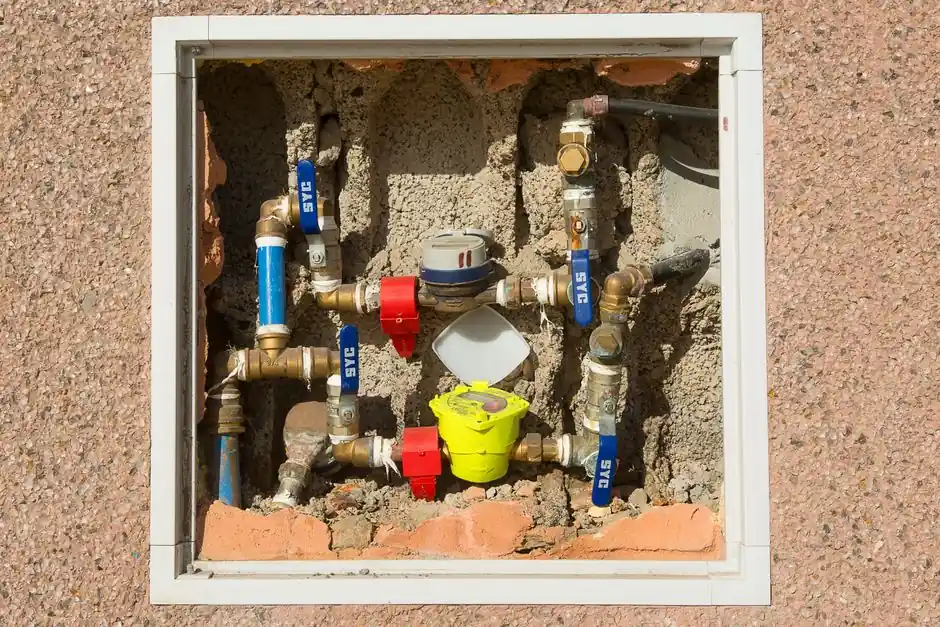
Yes, homeowners insurance almost always covers water damage from a burst pipe - as long as the rupture was sudden and accidental, not the result of long-term neglect. In Philadelphia, a standard HO-3 policy will pay to tear out and replace damaged drywall, flooring, and ceilings, and to repair the pipe itself, up to your dwelling coverage limit. What it will not pay for is the gradual leak you ignored for six months. The rest of this post walks through exactly what's covered, what gets denied, and how to file a claim that actually gets paid.
The short answer: yes, with conditions
Does homeowners insurance cover water damage from a burst pipe in Philadelphia? Yes - if the damage is sudden and accidental. That phrase is the hinge the entire claim swings on. A pipe that freezes and splits during a January cold snap is sudden. A supply line that has been weeping behind the vanity since last spring is not.
Most Philadelphia policies also cover the cost to access the pipe - cutting open the wall, then patching it back - because that's considered part of the water damage. The pipe repair itself is usually covered too, often capped around $5,000 to $10,000 depending on your endorsement. That's separate from your dwelling coverage, which handles the structural mess.
What you'll pay out of pocket is your deductible. In Philadelphia, most homeowners carry a $1,000 to $2,500 deductible on water claims. If the total damage is $3,000, you're writing a check for the first $1,000 to $2,500 and the insurer covers the rest. If the damage is under your deductible, you're paying for it yourself - and filing a claim that small can raise your premium more than it's worth.
What a standard Philadelphia homeowners policy actually covers
A standard Philadelphia homeowners insurance policy covers burst pipe water damage to the structure of your home and, in most cases, your personal belongings. That means the soaked drywall, the ruined hardwood, the warped baseboards, and the waterlogged couch in the basement are all claimable line items.
Here's what typically falls under coverage:
- Dwelling and structure: drywall, insulation, flooring, subfloor, ceiling, cabinetry, and framing damaged by the water.
- Personal property: furniture, electronics, clothing, and stored items - usually covered at 50% to 70% of your dwelling limit.
- Loss of use: if the damage makes the home uninhabitable, the policy pays for a hotel and meals up to a daily cap, often $100 to $200 per day.
- Pipe repair and access: cutting open the wall and fixing the failed section of pipe, usually capped separately.
What most Philadelphia homeowners don't realize is that the water itself isn't the expensive part. The drying is. A burst pipe that runs for 20 minutes can push 50 to 100 gallons into a finished basement. Getting that moisture out of the framing, the subfloor, and the concrete takes commercial dehumidifiers and air movers running for three to five days. That drying bill - often $2,500 to $6,000 in a finished basement - is covered, but only if you document it properly.
If you've got water sitting in a finished lower level right now, the priority is getting it out before the mold clock starts. Mold can begin colonizing wet drywall in 24 to 48 hours. Our basement water extraction Philadelphia PA team handles that first step - pumping, extracting, and setting drying equipment - and we document everything for your adjuster while we're on site.
What's usually excluded from burst pipe coverage
What's usually excluded from burst pipe coverage in Philadelphia is damage the insurer can trace to neglect, poor maintenance, or a slow leak you should have caught. Insurance is built to handle accidents, not deferred maintenance.
The most common denials we see:
- Gradual leaks: a slow drip behind the wall that rotted the framing over months. The insurer will call it "wear and tear" and deny the structural portion.
- Freezing if the home was vacant: if you left the house unheated for weeks in January, most policies exclude the freeze damage.
- Mold: mold that resulted from a leak you didn't address is typically excluded. Mold from a covered burst pipe is usually covered up to a sublimit, often $10,000.
- Sewer backup: water that came up through the drain rather than out of a supply pipe needs a separate sewer backup endorsement. Without it, you're paying for that cleanup yourself.
- Outside the home: damage to a detached garage, fence, or landscaping is often excluded or capped low.
If your burst pipe also backed up the sewer line - which happens in older Philadelphia rowhomes with combined storm and sanitary lines - you're looking at a different claim. Our sewage cleanup Philadelphia crew handles that category of loss, and we'll tell you straight whether it's worth filing.
How to file a burst pipe water damage claim in Philadelphia
How do I file a burst pipe water damage claim in Philadelphia PA? You shut off the water, document everything with photos and video, call a licensed restoration company to stop the damage from spreading, and then call your insurer - in that order. The documentation you capture in the first hour is what your adjuster will lean on three weeks later.
Here's the sequence that gets claims paid:
- Shut off the main. In most Philadelphia rowhomes, the main shutoff is in the basement near the front wall or under the front steps. Kill it before you do anything else.
- Photograph everything. Wide shots of each room, close-ups of the burst section, and a shot of any standing water with a tape measure or a shoe in frame for scale.
- Call your insurer and open the claim. You have a duty to report promptly. Most carriers let you file online or by phone within 24 hours.
- Get the water out. This is the step people skip, and it's the one that costs them. Standing water keeps damaging the structure while you wait for the adjuster. Call a restoration company the same day.
- Keep every receipt. Hotel, meals, replacement toiletries, and the restoration invoice all go into the claim file.
In Philadelphia, most carriers assign an adjuster within 48 to 72 hours. The adjuster will walk the loss with you or your restoration project manager, and the two of them will agree on a scope. That scope is the number your payout is built from. If the restoration company isn't documenting moisture readings, affected square footage, and material types, the scope comes in low - and you eat the difference.
We work directly with adjusters every week across the city. If you're in an older rowhome in Fishtown, Port Richmond, or South Philly, the plaster walls and original hardwood change how the drying scope is written. Our water damage assessment Philadelphia PA gives you a documented, room-by-room picture of the loss before the adjuster arrives.
Common mistakes that shrink your payout
The most common mistake Philadelphia homeowners make after a burst pipe is waiting to call anyone until the adjuster shows up. Every hour the water sits, the damage grows - and the insurer will only pay for the damage that was reasonably preventable from the moment you discovered it.
Other mistakes we see constantly:
- Throwing away damaged items. Your adjuster needs to see the ruined carpet, the warped floorboards, the soaked couch. Pile it in the garage, don't haul it to the curb.
- Using a contractor who doesn't document. If there's no moisture map, no daily drying log, and no photo evidence, the claim gets negotiated down.
- Filing a claim under your deductible. A $900 repair isn't worth a claim that follows you for five years on your CLUE report.
- Assuming the plumber's invoice covers the drying. It doesn't. The pipe repair and the water damage restoration are two separate line items, and only one of them is the plumber's job.
- Ignoring the second pipe. When one pipe freezes and bursts, its neighbors are usually right behind it. Have the whole run inspected before you close the wall back up.
If the burst happened in a bathroom or kitchen - the two rooms where supply lines fail most - the drying scope is different from a basement loss. Tile, grout, and cabinet boxes hold moisture in ways that a moisture meter alone won't catch. Our bathroom water damage restoration Philadelphia PA team handles those losses with the right equipment for hard surfaces.
When to call a professional
Call a professional water damage restoration company the moment you've shut off the water and taken your photos. A burst pipe that released more than a few gallons - or that ran for more than 10 minutes - has pushed water into places you can't see: inside wall cavities, under the subfloor, behind the baseboards.
You can handle a small, contained drip with towels and a fan. You cannot handle a burst supply line that soaked a 12-foot section of drywall and the hardwood beneath it. The moisture trapped in that assembly will feed mold within two days and rot the framing within two weeks.
Water Damage Restoration Philly is a local water damage restoration Philadelphia PA company. We handle burst pipe losses across the city every week - extraction, structural drying, drywall and flooring repair, and the documentation your adjuster needs. We bill most carriers directly and walk you through the claim from the first phone call.
Frequently Asked Questions
Does homeowners insurance cover water damage from a burst pipe in Philadelphia?
Yes, in almost all cases. A standard HO-3 policy covers sudden and accidental burst pipe damage to your home's structure and belongings, minus your deductible. The pipe repair itself is usually covered up to a $5,000 to $10,000 sublimit. Gradual leaks and freeze damage in vacant homes are typically excluded.
How do I file a burst pipe water damage claim in Philadelphia PA?
Shut off the water main, photograph the damage, call your insurer to open the claim, and hire a restoration company the same day to stop further damage. Keep every receipt. Most Philadelphia carriers assign an adjuster within 48 to 72 hours of the first report.
What does homeowners insurance cover for water damage in Philadelphia?
It covers sudden and accidental water damage: burst pipes, appliance failures, and storm-driven water intrusion. It pays for structural repairs, personal property, and loss of use. It does not cover gradual leaks, sewer backup without an endorsement, or mold from long-term neglect.
Will insurance pay for burst pipe water damage in Philadelphia if the pipe was old?
Usually yes, as long as the failure was sudden. Pipe age alone isn't a denial reason. What triggers denials is evidence the pipe was leaking or corroding for weeks or months before it burst - that gets classified as wear and tear and excluded.
How long does a burst pipe water damage claim take in Philadelphia?
Most Philadelphia claims settle in 30 to 60 days from the date of loss. Emergency drying starts immediately and is often paid as a separate advance. The structural repair portion settles after the adjuster's scope is agreed and the work is completed.
Get help with water damage restoration in Philadelphia
If a pipe just burst in your Philadelphia home, the clock is already running on mold and structural damage. We handle the extraction, the drying, the repairs, and the paperwork with your insurer - start to finish.
Call Water Damage Restoration Philly at 215-281-3000. We answer 24/7 and can be on site the same day.