What every Philadelphia homeowner should know before hiring a water damage pro
Before you hire a water damage pro in Philadelphia, know the licensing rules, insurance requirements, real 2026 pricing, and the red flags that cost homeowners thousands.
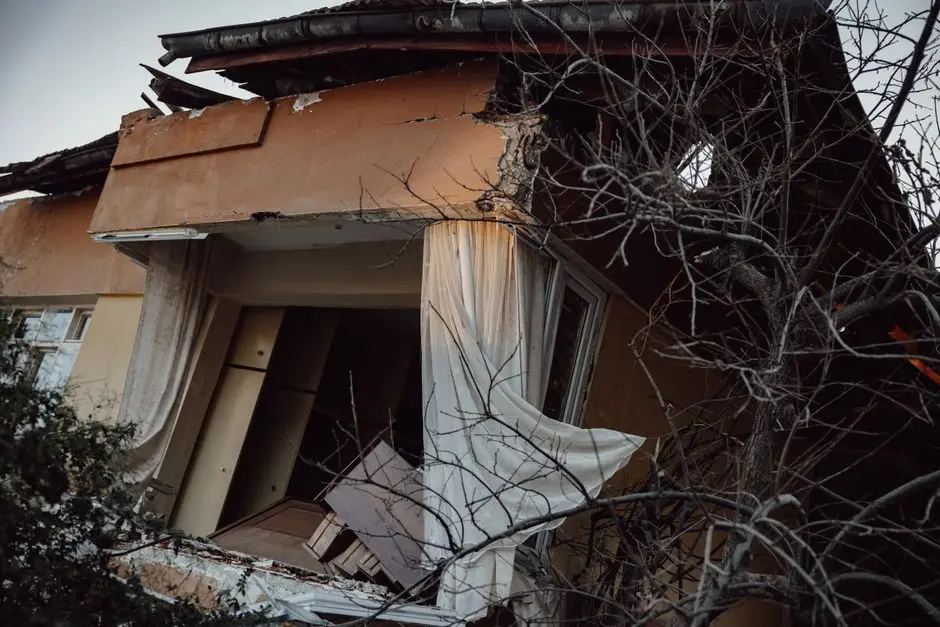
Before you hire a water damage pro in Philadelphia, verify three things: a current Pennsylvania Home Improvement Contractor (HIC) registration, liability and workers' comp insurance, and a written scope that ties payment to measured drying results. Skip any one of those and you're exposed to five-figure repair bills, denied insurance claims, or a mold problem that shows up six weeks later.
We've walked into rowhouses in Fishtown and Port Richmond after the first contractor left, and the pattern is always the same: wet drywall behind fresh paint, a dehumidifier that was never plugged in, and a homeowner who paid in full on day one. This guide covers what to check, what to ask, what 2026 pricing looks like in Philadelphia, and the red flags that should end the conversation immediately.
What to know before hiring a water damage pro in Philadelphia
What to know before hiring a water damage pro in Philadelphia is that the category of contractor you hire determines your legal and financial protection. Pennsylvania does not license "water damage restoration" as a standalone trade. It regulates home improvement contractors through the Attorney General's HIC registry, and it licenses plumbers through the state plumbing board. A legitimate restoration company holds an HIC number, carries general liability and workers' comp, and either employs or subcontracts a licensed plumber for any work behind the wall.
Water damage restoration is the process of extracting standing water, drying structural materials to a measured standard, and repairing what the moisture destroyed. It is not a cleaning service, and it is not a handyman job. The difference matters because a proper job uses moisture meters, thermal imaging, and daily psychrometric readings - not just a wet-vac and a fan from the hardware store.
Philadelphia adds three wrinkles most national checklists ignore. First, the housing stock is old: roughly 80% of the city's rowhouses were built before 1950, and many still have galvanized supply lines that fail at the threads. Second, the combined sewer system backs up into basements during heavy rain, which turns a clean water loss into a contaminated one. Third, the city's plumbing code requires permits for most supply and drain line replacements, and an unpermitted repair can surface during a future home sale.
If you want a baseline for what a full-service response looks like, our own water damage restoration Philadelphia PA process starts with a free assessment and a written scope before any equipment is placed.
How do I choose a water damage company in Philadelphia PA?
How do I choose a water damage company in Philadelphia PA comes down to four filters: registration, insurance, equipment, and documentation. Run every candidate through those four and you'll eliminate most of the bad actors in under ten minutes.
- Registration. Search the company's HIC number on the Pennsylvania Attorney General's website. If they can't produce a number, they can't legally contract home improvement work in the state.
- Insurance. Ask for a certificate of insurance showing general liability and workers' compensation. Call the carrier to confirm it's active. If a worker gets hurt in your basement and the company has no workers' comp, your homeowner's policy can be on the hook.
- Equipment. A real restoration truck carries truck-mounted extraction, commercial LGR dehumidifiers, and axial air movers. If they arrive with a shop vac and a box fan, they're not drying your house - they're drying the surface.
- Documentation. You should receive a moisture map on day one, daily readings, and a drying log at the end. That log is what your insurance adjuster uses to justify the claim.
For a deeper look at the technical side of the work, our water damage restoration Philadelphia PA page walks through the extraction, drying, and repair phases in order.
Licensing, insurance, and certifications that matter in Pennsylvania
Pennsylvania's HIC registration is the single most important credential to verify. It's required for any home improvement contract over $500, it must be renewed every two years, and it gives you access to the state's arbitration process if the work goes wrong. Ask for the number in writing before you sign anything.
Beyond the state registration, look for technicians certified by the IICRC (Institute of Inspection, Cleaning and Restoration Certification). The relevant designations are WRT (Water Restoration Technician) and ASD (Applied Structural Drying). These aren't legally required in Pennsylvania, but they signal that the crew has been trained on the S500 standard, which is the industry benchmark for drying times, moisture targets, and documentation.
For any work involving supply lines, drain lines, or water heaters, the company must either hold a Philadelphia master plumber license or bring in a licensed plumber. This is where a lot of out-of-state franchises cut corners - they dry the house, then hand the plumbing repair to an unlicensed sub. If the repair leaks again in eight months, you have no recourse against the original contractor.
One more credential worth asking about: mold remediation. Pennsylvania doesn't license mold contractors, but the EPA and IICRC publish standards for containment and removal. If your loss is more than 48 hours old, or involves sewage, assume mold is present and ask how they handle it.
What water damage restoration actually costs in Philadelphia in 2026
Typical 2026 pricing in Philadelphia runs $1,200 to $3,500 for a small loss (one room, clean water, under 24 hours), $3,500 to $8,000 for a mid-size loss (basement or two rooms, some drywall removal), and $8,000 to $25,000+ for a whole-floor loss involving sewage, hardwood, or structural repair. Those ranges assume the work is done to IICRC standards with documented drying.
Here's what drives the number up or down:
- Water category. Clean water from a supply line is the cheapest. Gray water from a washing machine or dishwasher costs more. Black water from a sewer backup or flood requires containment, disposal, and disinfection - often triple the cost of a clean-water loss.
- Time elapsed. Mold can begin colonizing wet drywall in 24 to 48 hours. Every day you wait adds remediation scope.
- Materials affected. Carpet and pad are usually replaced. Hardwood can sometimes be dried in place with mats, but cupped boards often need refinishing or replacement. Drywall below the flood line almost always comes out.
- Access. A finished basement with a drop ceiling and built-in shelving takes longer to dry than an open one. Labor is the biggest line item.
Insurance usually covers sudden and accidental discharge - a burst pipe, a failed water heater, an appliance supply line. It typically does not cover gradual leaks, groundwater flooding, or neglect. If your loss is from a sewer backup, check whether you have a sewer backup rider; standard policies in Pennsylvania often exclude it.
We give you a written scope and a fixed price before we start, and we bill the insurance carrier directly when the claim is covered. No surprise invoices three weeks later.
Questions to ask a water damage company in Philadelphia
Questions to ask a water damage company in Philadelphia should cover credentials, process, pricing, and insurance handling. Print this list and work through it on the phone before you let anyone into your basement.
- What's your Pennsylvania HIC registration number?
- Can you email me a certificate of insurance for general liability and workers' comp today?
- Are your technicians IICRC-certified in water restoration?
- Will you give me a written scope and price before work begins?
- How do you document drying - daily readings, moisture maps, a final log?
- Do you bill my insurance directly, or do I pay upfront and get reimbursed?
- Who handles the plumbing repair, and are they licensed in Philadelphia?
- What's your policy if the moisture readings don't hit target in five days?
- Do you handle mold remediation in-house, or subcontract it?
- Can you provide three local references from the last six months?
If a company can't answer the first two questions in under a minute, end the call. The rest of the conversation won't get better.
For emergency situations - a burst pipe at 2 a.m. or a basement filling during a storm - speed matters more than anything else. Our emergency water removal Philadelphia PA team is on call around the clock, and we start extraction within the first hour on site.
Red flags and common mistakes Philadelphia homeowners make
The biggest red flag is a demand for full payment upfront. Reputable restoration companies take a deposit for equipment and materials, then bill the balance when the job is dry and documented. If someone wants the entire job paid in cash on day one, walk away.
Other warning signs we see regularly:
- No written scope. If the estimate is a verbal number scribbled on a business card, you have no way to hold them to it.
- Pressure to sign immediately. Storm-chasers and door-knockers after a big rain rely on urgency. A legitimate company will give you a day to review the paperwork.
- No moisture readings. If nobody puts a meter on your walls, they're guessing. Guessing leads to mold.
- Subcontracting everything. Some "restoration companies" are lead-generation operations that sell your claim to a third party. You want the crew that shows up to be the crew that's accountable.
- Promising to "cover your deductible." That's insurance fraud in Pennsylvania, and it can void your claim.
Common homeowner mistakes are just as costly. Waiting a week to call because the water "seemed to dry on its own" is the most expensive one. Running a household fan instead of a commercial dehumidifier is the second - it moves air but doesn't remove the 15 to 20 gallons of water vapor a wet basement releases into the air. And throwing away damaged items before the adjuster photographs them can reduce your payout.
If you're dealing with a specific type of loss, we have dedicated pages for the most common ones in the city - basement water extraction Philadelphia PA for below-grade flooding, and sewage backup cleanup Philadelphia PA for contaminated backups, which need a completely different protocol than a clean-water loss.
When to call a professional
Call a professional the moment water has been standing for more than a few hours, has touched drywall, carpet, or a finished ceiling, or came from a sewer, toilet, or outdoor flood. Those are the three conditions where DIY drying almost always fails.
You can handle a small, clean-water spill yourself - a glass knocked over on a tile floor, a slow drip under a sink that you catch immediately. Mop it, dry it, and check the cabinet with your hand for dampness over the next two days. That's it.
Everything else needs equipment you don't own. A commercial dehumidifier pulls 15 to 25 gallons per day out of the air; a residential unit pulls 2 to 4. Air movers push 2,000 to 3,000 CFM; a box fan pushes maybe 300. Without that capacity, moisture stays in the framing and the mold clock keeps running.
At Water Damage Restoration Philly, we handle the assessment, extraction, drying, and repair under one roof, and we work directly with your insurance adjuster so you're not stuck translating between contractors. If you're not sure whether your situation warrants a call, describe it to us and we'll tell you straight.
Frequently Asked Questions
What should I know before hiring a water damage pro in Philadelphia?
Verify the company's Pennsylvania HIC registration, confirm active liability and workers' comp insurance, and insist on a written scope with a fixed price before work starts. In Philadelphia, also confirm who handles the plumbing repair and whether they're licensed locally. Expect $1,200 to $3,500 for a small clean-water loss in 2026.
How do I choose a water damage company in Philadelphia PA?
Check four things: state HIC registration, current insurance certificates, IICRC-certified technicians, and a documented drying process with daily moisture readings. Get three local references from the past six months. If any of those four is missing, keep looking - the city has plenty of qualified options.
What questions should I ask a water damage restoration company in Philadelphia?
Ask for their HIC number, insurance certificate, IICRC certifications, written scope and price, drying documentation process, and whether they bill insurance directly. Also ask who performs the plumbing repair and whether they're licensed in Philadelphia. A legitimate company answers all of these without hesitation.
Does homeowners insurance cover water damage in Philadelphia?
Standard policies cover sudden and accidental discharge - burst pipes, failed water heaters, appliance supply lines. They typically exclude gradual leaks, groundwater flooding, and sewer backups unless you added a rider. Most Philadelphia claims fall in the $3,000 to $12,000 range for a mid-size loss.
How long does water damage restoration take in Philadelphia?
A small clean-water loss takes 3 to 5 days of drying plus 1 to 3 days of repair. A basement or multi-room loss runs 5 to 7 days of drying. Sewage or flood losses add 2 to 4 days for containment and disinfection. Mold remediation, if needed, adds another 3 to 7 days.
Get help with water damage restoration in Philadelphia
If you've got water where it shouldn't be, the clock is already running. We'll assess the damage, give you a written scope, and start drying the same day.
Call Water Damage Restoration Philly at 215-281-3000 - we answer 24/7 and we serve every neighborhood in the city.