For Homes
We dry basements, utility rooms, and ceilings after HVAC leaks. You get clear readings and a plan for repairs.
- Basement air handler leaks
- Ceiling stains from upstairs units
- Wet drywall and insulation
When your air handler or furnace line leaks, HVAC Water Damage Restoration in Philadelphia gets the water out before mold sets in. We handle emergency hvac water damage repair Philadelphia homeowners trust for flooded basements, soaked ductwork, and ruined ceilings. Our team responds across Philadelphia County with extraction units, dehumidifiers, and moisture meters to dry your home and get your heat or AC running again.
 Check moistureExtract waterDry structure
Every HVAC water damage job starts with a full assessment and ends with a dry, working system. Here is what our standard service covers for Philadelphia homes and businesses. Additional repairs or material replacements are quoted separately after we inspect the damage.
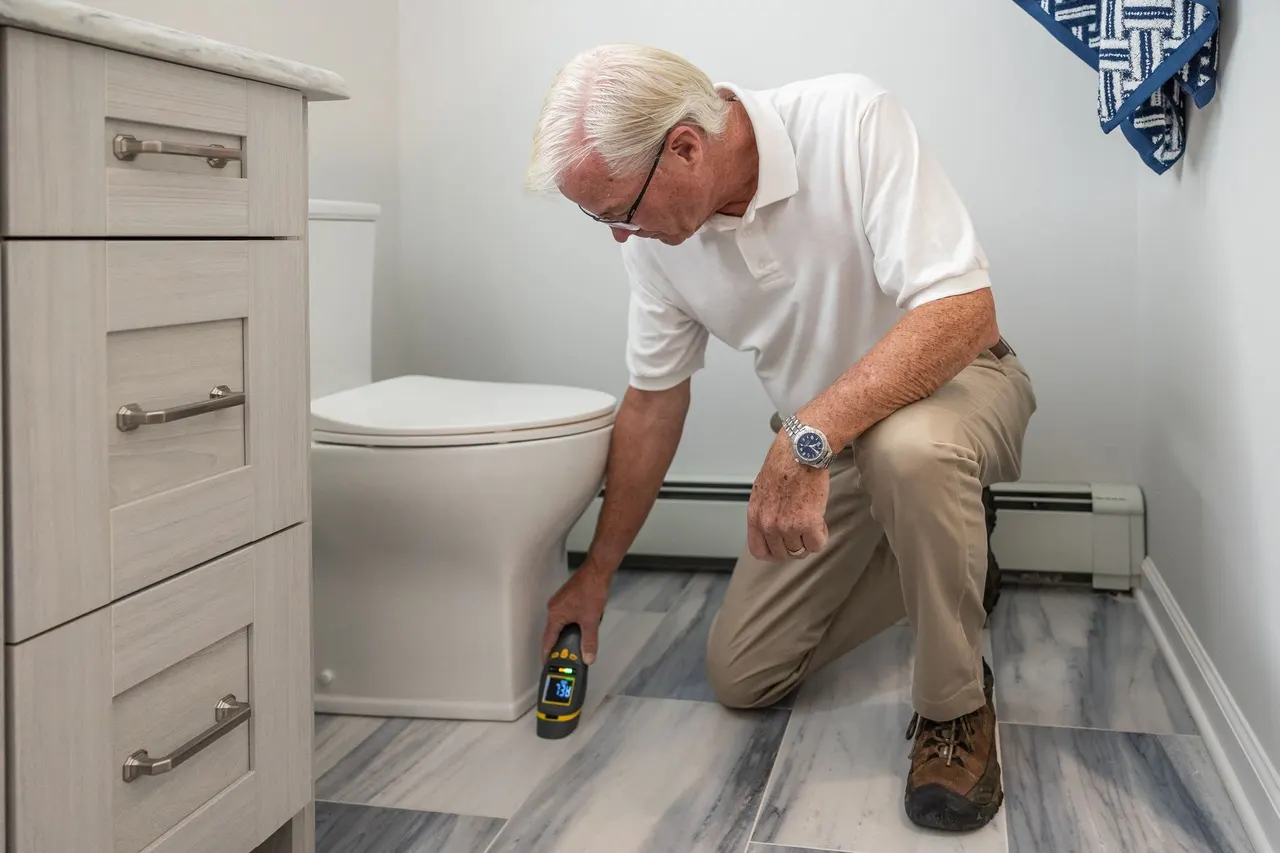
We use thermal imaging cameras, moisture meters, and hygrometers to map exactly where water traveled. You get a clear explanation of what is wet and why before we start any work.
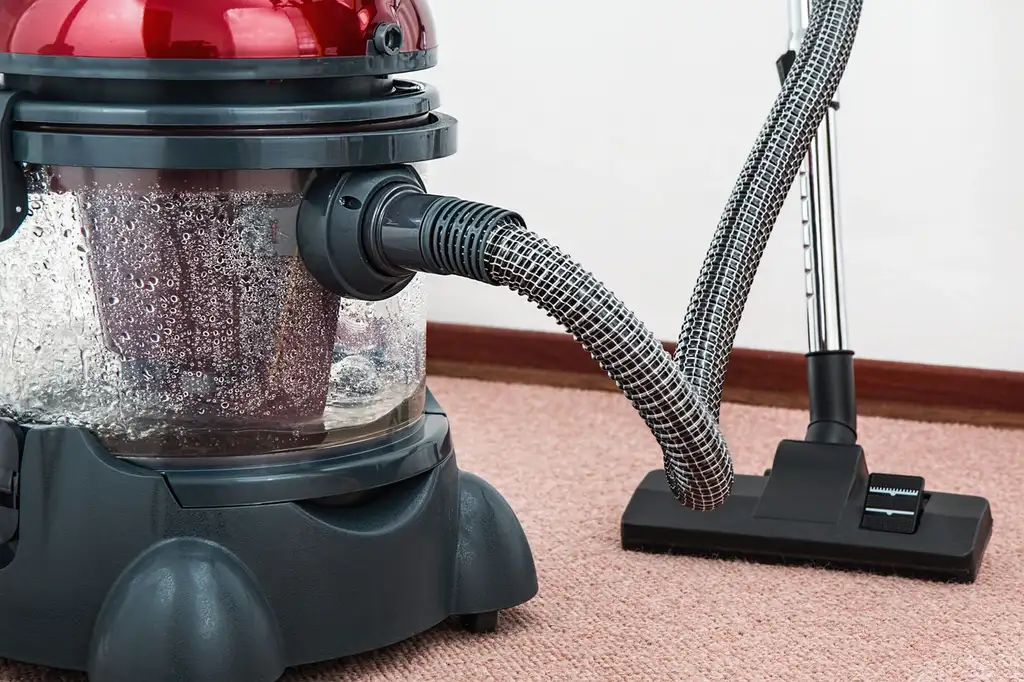
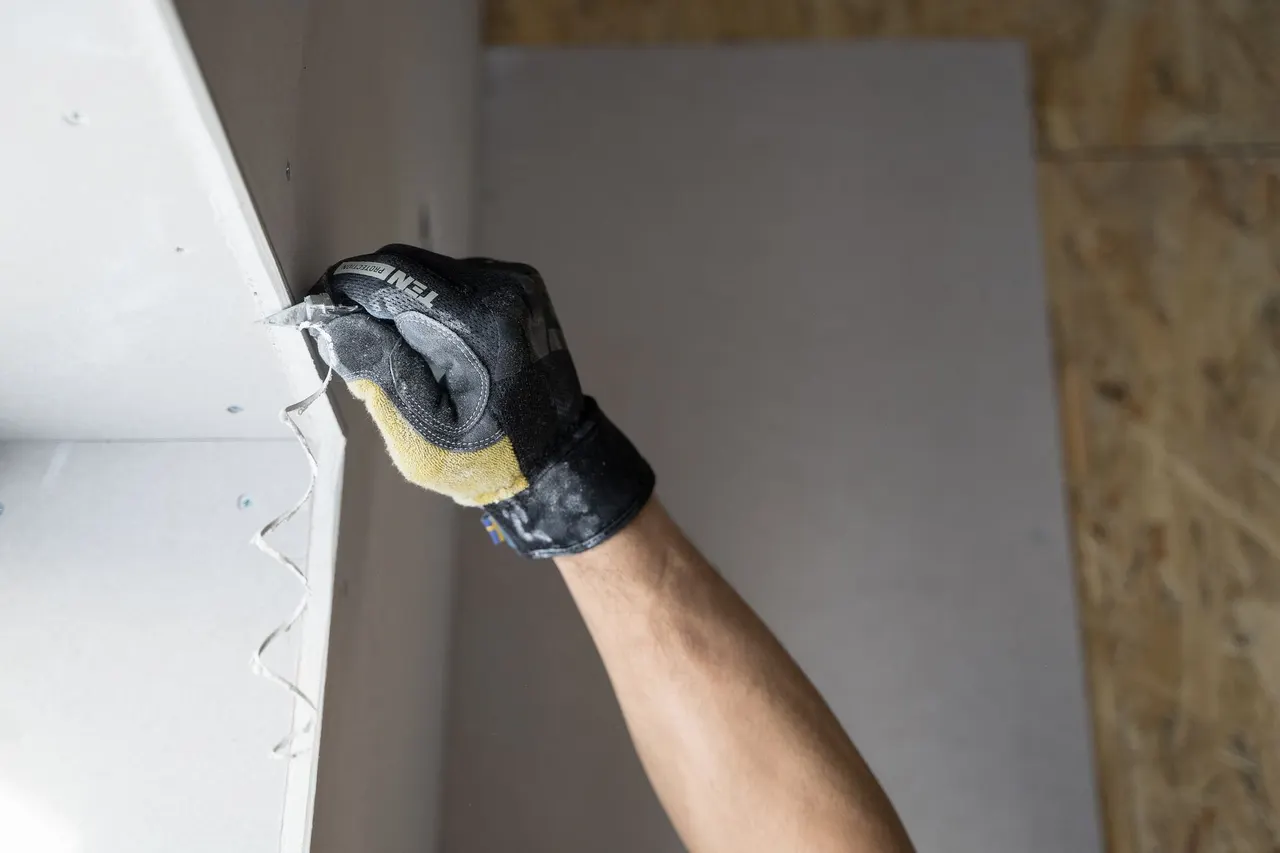
Standing water comes out with wet/dry vacuums and sump pumps. Saturated carpet padding, drywall, and insulation are removed and bagged for disposal.
Commercial dehumidifiers, air movers, and drying mats are positioned to dry subfloor, framing, and ductwork. We monitor daily and adjust until readings meet dry standard.
We apply antimicrobial solution to wet framing and cavities to prevent mold growth. This is standard on every job where water sat for more than 24 hours.
We check the blower motor, circuit board, drain pan, and condensate line for damage. If parts need replacement, we explain options and costs before ordering.
Before we pack up, we take final moisture readings and give you a written report. You see the numbers that confirm your structure is dry.
The approach is the same for a home and a business. What changes is the access, the schedule and who needs the paperwork.
We dry basements, utility rooms, and ceilings after HVAC leaks. You get clear readings and a plan for repairs.
We keep offices, retail, and warehouses open after HVAC water damage. Extraction and drying start the same day.
A plain-language look at what HVAC Water Damage Restoration involves and when it is needed.
See how it worksHVAC Water Damage Restoration in Philadelphia is the process of extracting water from your heating and cooling system, drying the surrounding structure, and repairing components damaged by condensate leaks, burst supply lines, or clogged drain pans. We pull standing water with a wet/dry vacuum, set commercial dehumidifiers and air movers, then check the blower motor, circuit board, and insulation for hidden moisture. If the leak soaked drywall or subfloor, we cut out the wet material and treat the cavity with antimicrobial solution.
Philadelphia homes from Fishtown rowhouses to Northeast split-levels deal with HVAC water damage year-round. Summer humidity overwhelms condensate pumps, and winter freeze-thaw cycles crack drain lines. We see it most in basements where the air handler sits below grade. If you search hvac water damage restoration near me Philadelphia PA after a ceiling leak, we can be on site the same day. Our IICRC WRT technicians use thermal imaging cameras to find water you cannot see behind finished walls.
The source matters as much as the water. We find both.
Every job follows the same proven sequence: find the source, stop the water, extract, dry, and repair. Here is what you can expect when our team arrives at your Philadelphia property.
You call 215-281-3000 and describe the leak. We ask about the unit location, water spread, and whether the system is still running. A crew is dispatched with extraction equipment, moisture meters, and drying gear. For active leaks, we talk you through shutting off the water supply and power to the unit before we arrive.
We inspect the air handler, drain pan, condensate line, and surrounding ductwork. A thermal imaging camera and hygrometer map moisture behind walls and under floors. We check for sewage backup or category 3 water, which changes the safety protocol. You get a clear explanation of what is wet and why.
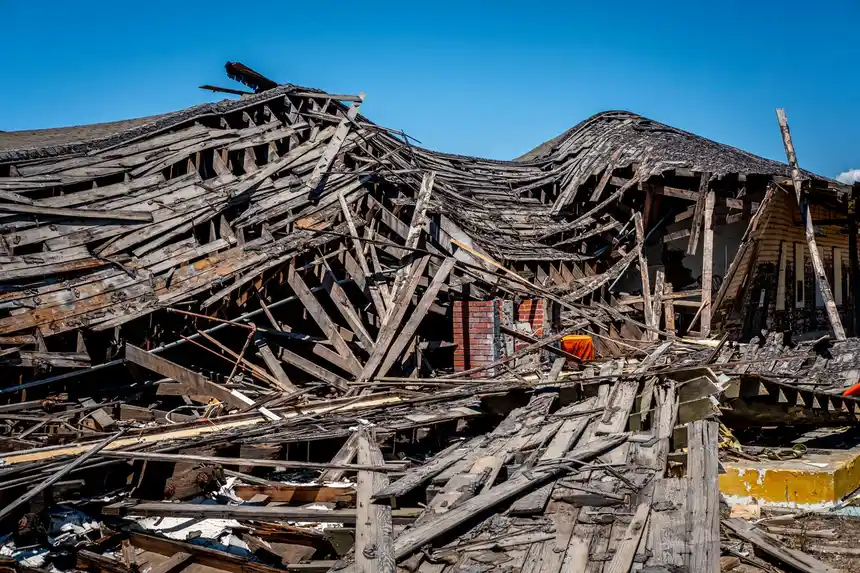
Standing water comes out with a wet/dry vacuum and sump pump. If carpet padding or drywall is saturated, we remove and bag it. We set plastic sheeting to contain dust and protect unaffected rooms. Extraction typically takes two to four hours for a residential HVAC leak.
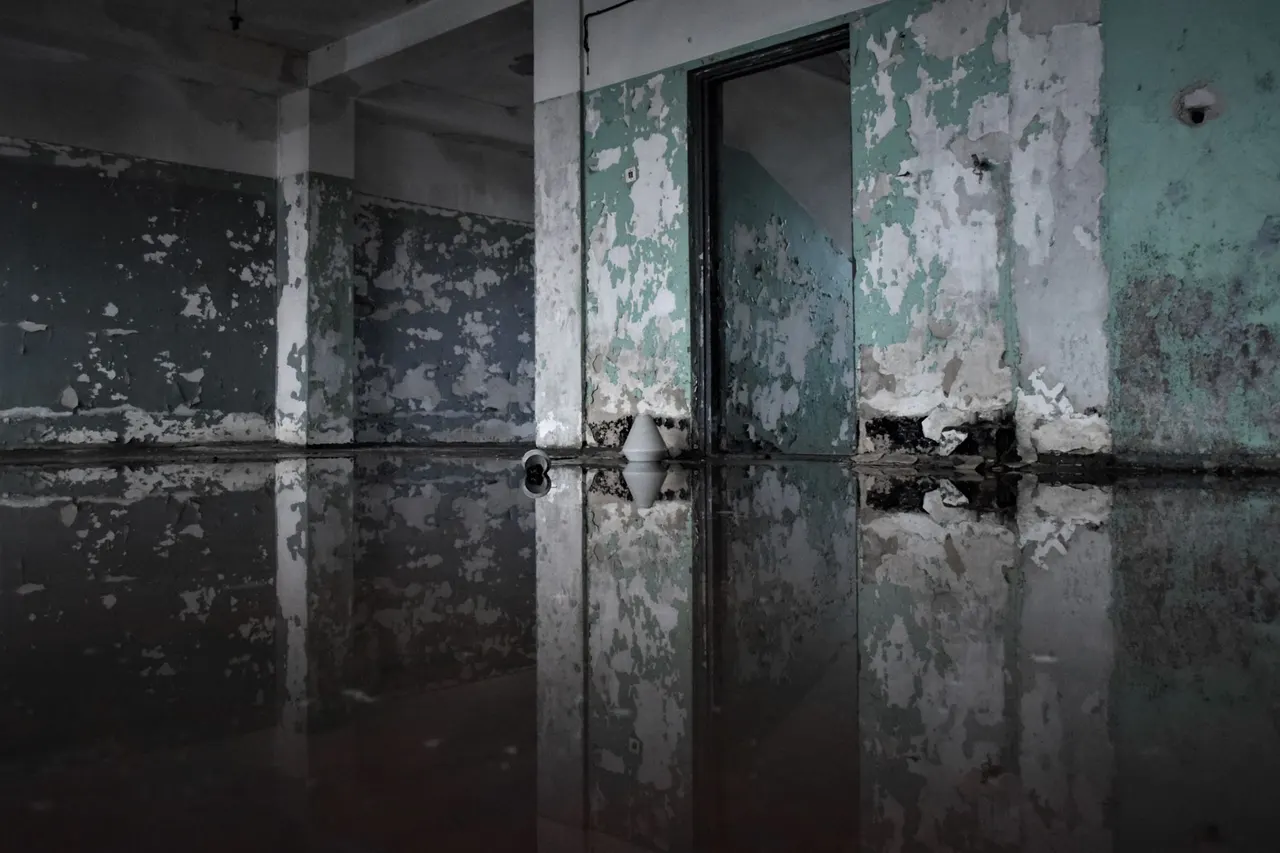
We position commercial dehumidifiers, air movers, and drying mats to pull moisture from subfloor, framing, and ductwork. Desiccant units handle tight crawl spaces. We monitor with moisture meters daily and adjust equipment until readings match dry standard. Most homes dry in three to five days.
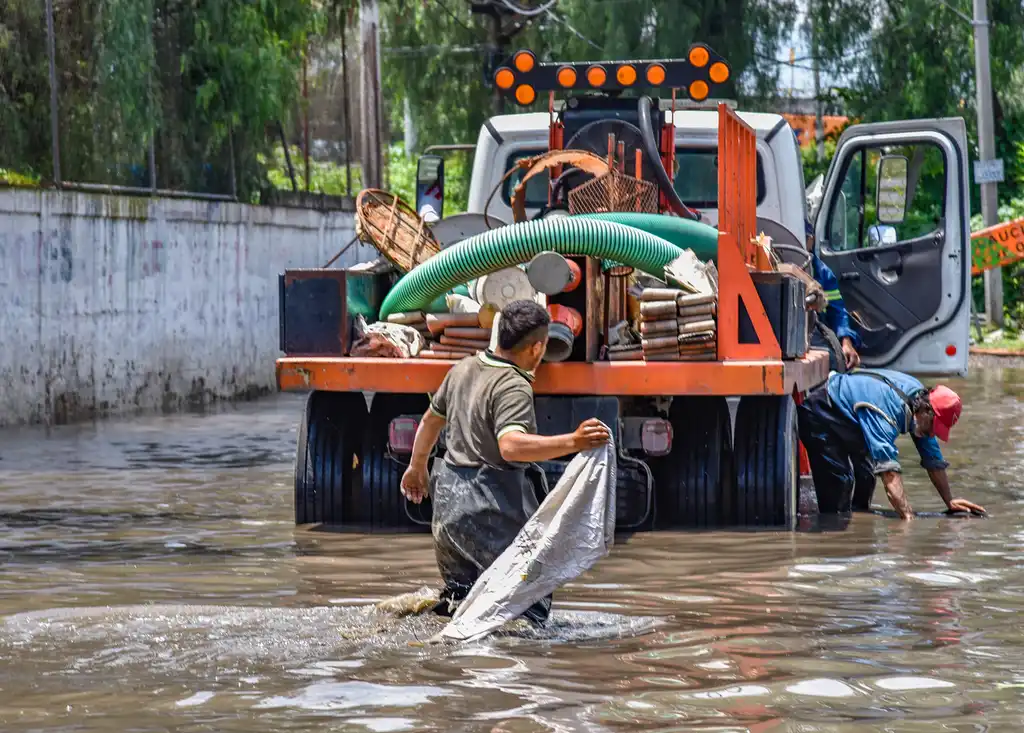
Once the structure is dry, we repair or replace damaged HVAC components, reconnect ductwork, and test the system through a full heating or cooling cycle. We replace mold-resistant drywall where needed and seal penetrations. You get a final moisture report and a walkthrough before we pack up.
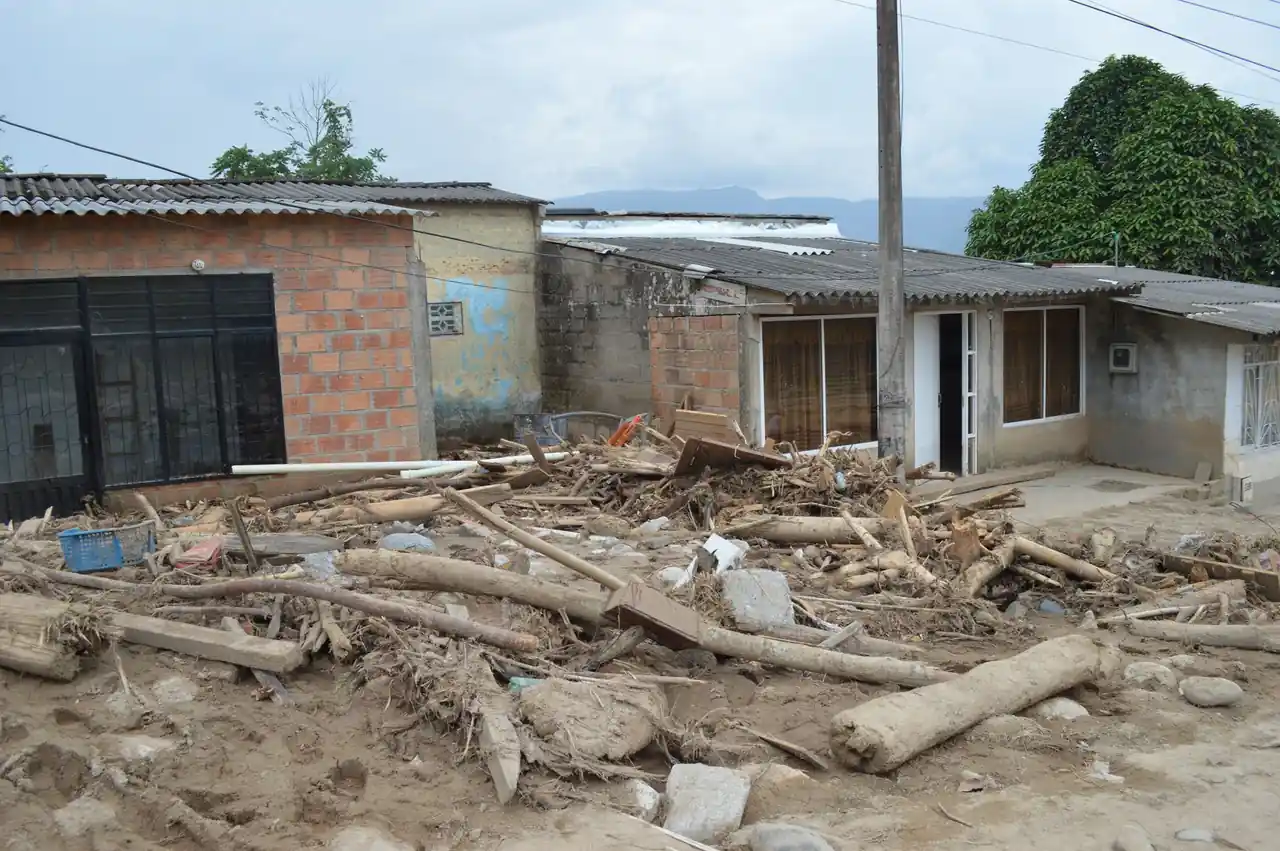
Move across a circle, or focus it and press Enter, for an illustrative thermal view of the photograph.
Detects temperature differences behind walls and under floors to find hidden moisture without tearing apart your home.
Pulls moisture from the air to dry framing, subfloor, and ductwork after extraction. Essential for Philadelphia humidity.
Circulates air across wet surfaces to speed evaporation. We position them to reach inside wall cavities and under cabinets.
Measures moisture content in materials and relative humidity in the air. We use readings to decide when drying is complete.
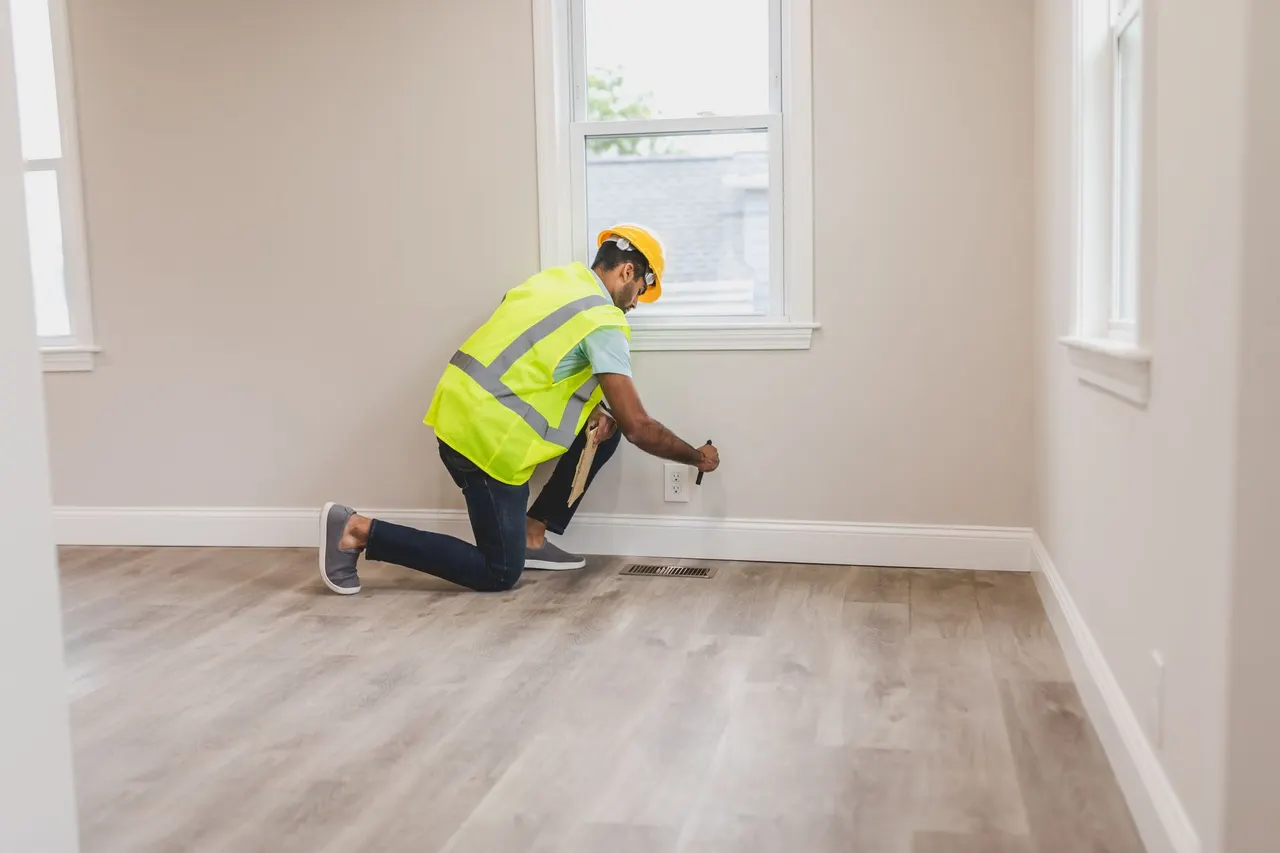
Inspects inside ductwork and wall cavities for hidden mold or water damage that is not visible from the surface.
Thermal views are illustrative, generated from the photographs.
Eliminates musty odors after an HVAC leak by oxidizing odor-causing particles. Used in unoccupied spaces only.
Removes mold spores and debris from ductwork and surfaces after water damage. Captures particles as small as 0.3 microns.
We follow the IICRC S500 standard for water damage restoration, which sets the drying goals and monitoring schedule for every job. This ensures we dry to the correct standard, not just until surfaces feel dry.
We use thermal cameras to map the full extent of water migration. This method finds moisture behind finished walls and under floors without destructive testing, saving you money on unnecessary demolition.
For tight crawl spaces and cool basements, desiccant dehumidifiers remove moisture more effectively than refrigerant units. We use them when Philadelphia humidity is high or the space is difficult to heat.
After extraction and during drying, we apply antimicrobial solution to wet framing and cavities. This prevents mold growth during the drying period and protects your indoor air quality.
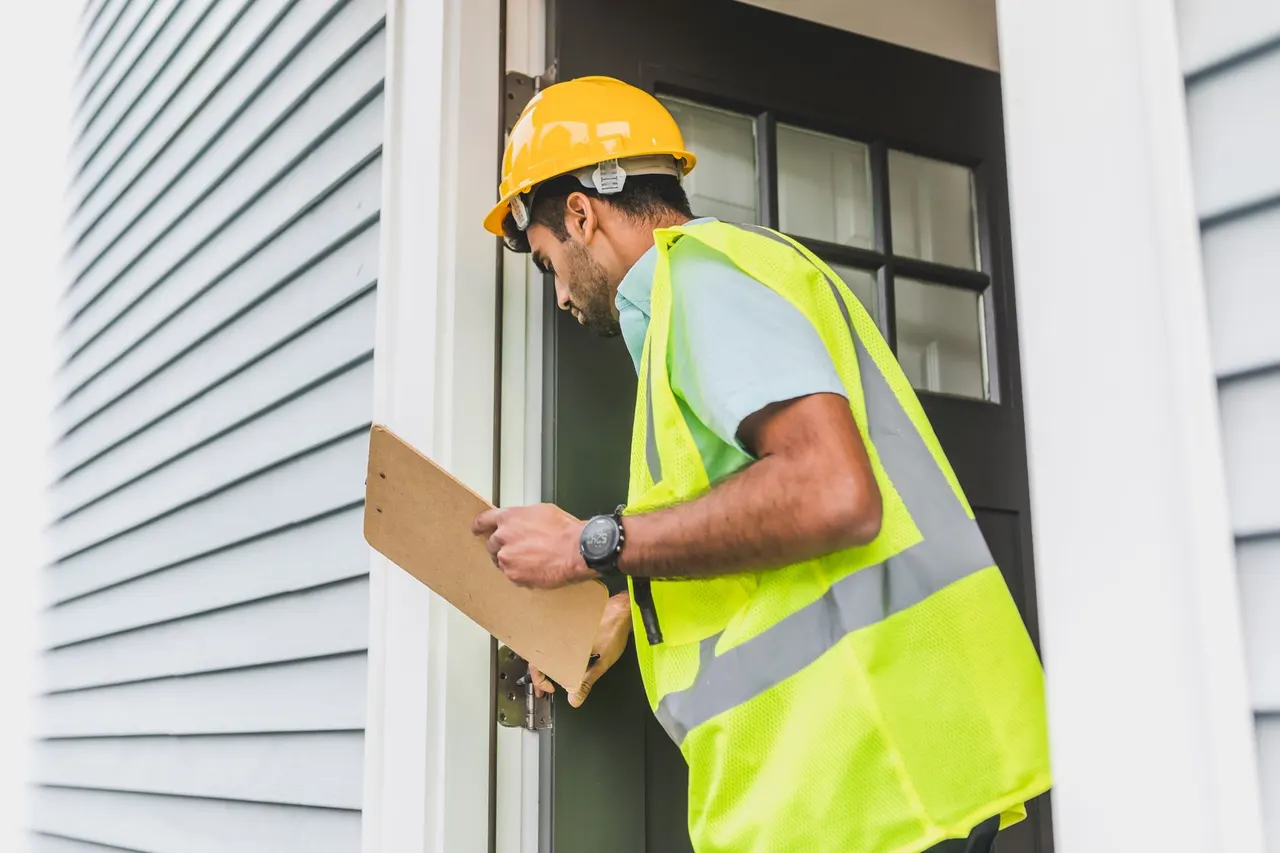
You notice water stains on the ceiling below your second-floor air handler after a long AC run.
We inspect the drain pan and condensate line, extract water from the ceiling cavity, and dry the joists. If the stain is large, we replace the drywall section.
Outcome: The ceiling is dry, repaired, and repainted. The condensate line is cleared so the leak does not return.
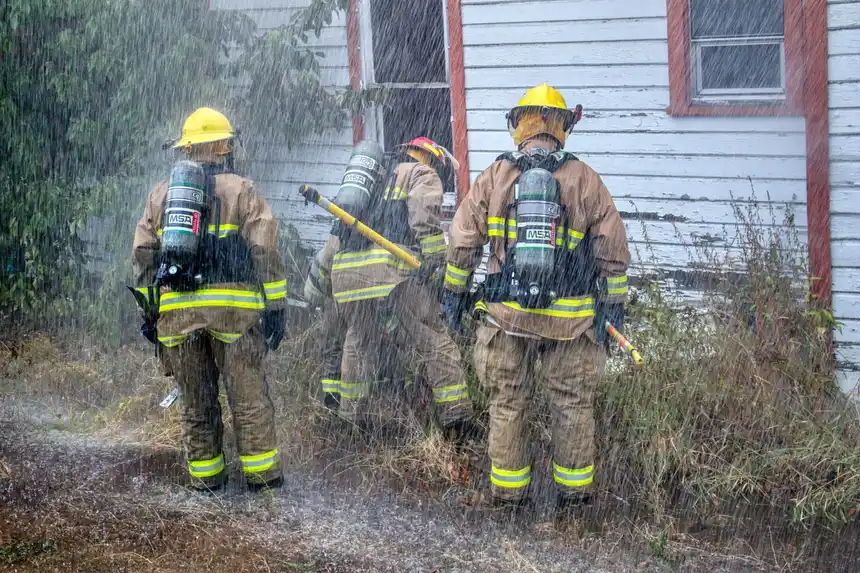
Your basement floods during a summer storm and the water reaches your furnace and air handler.
We pump the standing water, extract from the floor, and set dehumidifiers. We inspect the HVAC unit for water damage and test it after drying.
Outcome: The basement is dry, the HVAC system is running, and you have moisture readings to prove it.
A pipe bursts behind the wall next to your HVAC closet and soaks the insulation and framing.
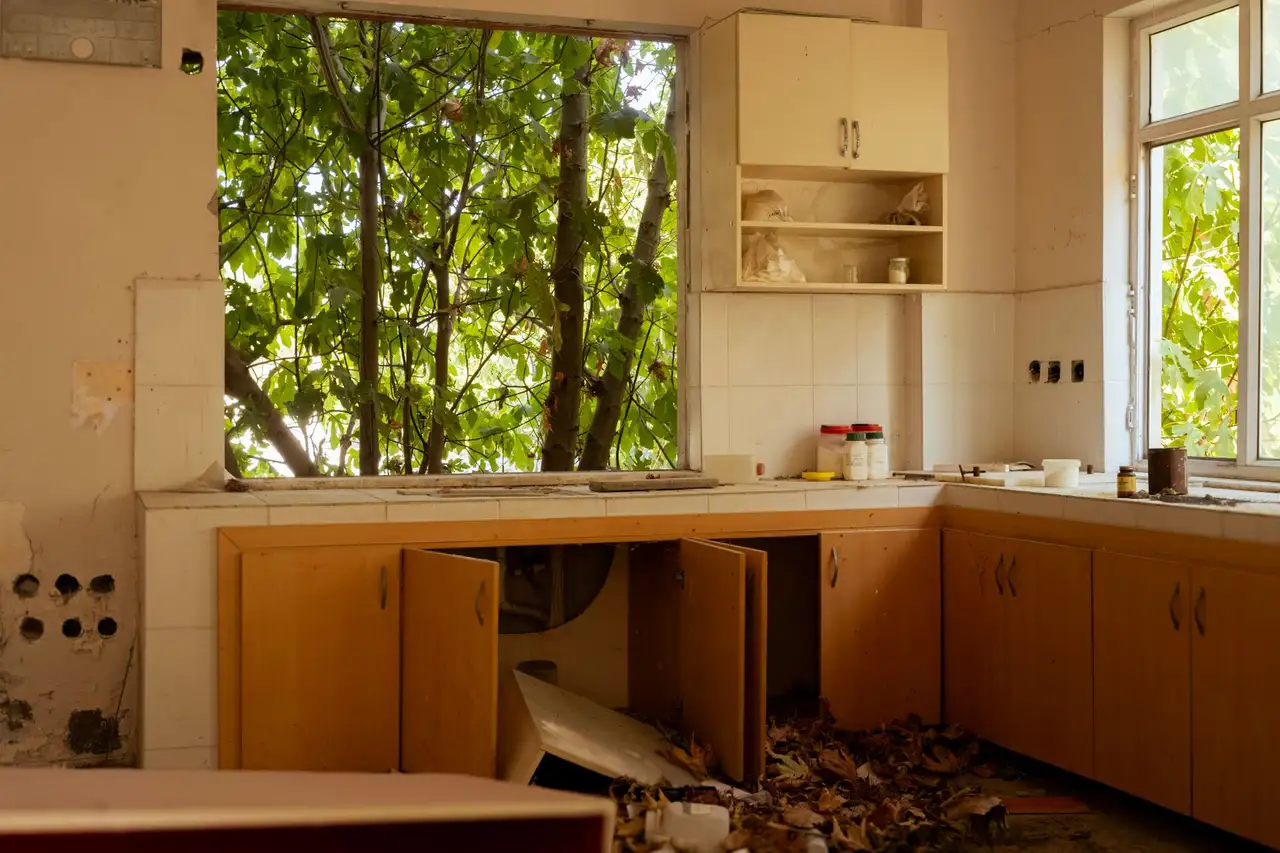
We open the wall, remove wet insulation, and dry the framing with air movers. We repair the pipe, replace insulation, and close the wall with mold-resistant drywall.
Outcome: The wall cavity is dry, the pipe is fixed, and the repair is finished and painted.
Your water heater leaks in the utility room and water spreads toward the HVAC unit.
We extract the water, dry the floor and baseboards, and check the HVAC unit for moisture. We replace the water heater if needed and treat the area.
Outcome: The utility room is dry, the new water heater is installed, and your HVAC system is unaffected.
You smell musty odors from your vents weeks after a small HVAC leak you thought you cleaned up.
We inspect the ductwork with a boroscope, clean with HEPA vacuums, and apply antimicrobial solution. We run an ozone generator to eliminate odors.
Outcome: The musty smell is gone, the ducts are clean, and air quality is restored.
Philadelphia's housing stock is old, and that shapes every HVAC water damage job. Rowhouses in Fishtown and Kensington share walls and have tight basements where air handlers sit below grade. When a condensate line clogs, water spreads into neighboring units. We know how to contain it. In Center City high-rises, leaks from upper floors travel down through concrete slabs and drip into HVAC closets.
We use thermal imaging to trace the path. Winter freeze-thaw cycles crack drain lines in Northeast Philadelphia split-levels, while summer humidity overwhelms condensate pumps in Old City condos. We pull L&I permits when structural repairs are needed and follow Pennsylvania HIC requirements. We serve ZIP codes 19154, 19151, and 19150, among others.
Before: A clogged condensate line overflowed for three days while the homeowner was away. The basement floor was covered in standing water, and drywall wicked moisture up six inches. Mold was starting on the baseboards.
After: We extracted 40 gallons, removed wet drywall, and dried the framing to 12% moisture content in four days. New mold-resistant drywall was installed and painted. The HVAC unit was cleaned and tested, and the homeowner returned to a dry, safe basement.
Install a condensate overflow switch and schedule annual drain line cleaning before summer.
Before: A second-floor air handler leaked through a concrete slab into a ninth-floor condo. The ceiling was stained and sagging, and the hardwood floor below was warped. The building manager needed fast action to avoid complaints from other residents.
After: We dried the ceiling cavity with air movers and a dehumidifier, replaced the sagging drywall, and used drying mats to save the hardwood. Moisture readings returned to normal in five days. The condo was repaired and repainted within a week.
Check the drain pan monthly and keep the area around the air handler clear of storage.
Before: A sump pump failed during a storm and flooded the utility room, submerging the furnace base and air handler. The homeowner worried the system was ruined and faced a costly replacement.
After: We pumped the water, extracted from the concrete floor, and dried the space with commercial dehumidifiers. The furnace and air handler were dried, tested, and returned to service. The sump pump was replaced with a backup model. Total downtime was three days.
Test your sump pump every spring and install a battery backup to handle power outages.
HVAC leaks cause more damage than most homeowners realize. Here are the most common problems we fix across Philadelphia County, and what happens if you wait.
A dry structure and a working system, documented.
Mold can begin growing within 24 to 48 hours of a leak. We extract standing water, set desiccant dehumidifiers, and apply antimicrobial solution to wet framing. Our Philadelphia hvac water damage restoration services include moisture readings at every visit so you know the structure is dry, not just surface-dry.
A slow condensate leak under a second-floor air handler can stain a ceiling and warp hardwood within days. We use drying mats on hardwood, extract carpet padding, and replace saturated drywall before it sags. Catching it early saves thousands compared to full floor replacement.
Water in the blower compartment shorts control boards and rusts heat exchangers. We dry electrical components, test the unit, and repair or replace damaged parts. Most residential systems are back online within one to three days after extraction and drying.
We document every step with photos, moisture logs, and Xactimate-ready estimates. That paperwork helps your claim move faster. Whether you need emergency hvac water damage repair Philadelphia PA or a planned repair, we keep the process transparent from first call to final walkthrough.
What a written scope covers and what shapes it. Prices are set by the business after the first look.
Included
Depends on
Clear records you can keep and share.
Daily readings from every affected area
Before, during, and after images
Work performed and materials replaced
Dry standard confirmation and system test
Not all water is the same. The category determines what we can dry and what must be removed.
Clean water from a supply line or condensate
Gray water with some contamination
Black water from sewage or flooding
A list like this tells people straight away whether you cover their street. Not listed? Call and ask: it only takes a minute.
Based in Philadelphia and covering the places around it. Pick one for local details.
If drywall, insulation, and flooring need removal and replacement, expect the higher end. We provide a written estimate before work starts.
Water Damage Restoration Philly handles hvac water damage repair in Philadelphia PA, including extraction, structural drying, and HVAC component repair. Call 215-281-3000 and we will dispatch a crew, usually the same day. We serve every Philadelphia neighborhood from Center City to Torresdale.
Most homeowner policies cover sudden HVAC water damage, like a burst supply line or failed condensate pump, but not long-term neglect or maintenance issues. We document the loss with photos and moisture logs and provide Xactimate estimates your adjuster can process. We recommend calling your insurer after you call us so drying can start immediately.
Extraction takes two to four hours. Structural drying usually runs three to five days with commercial dehumidifiers and air movers. If we remove drywall or flooring, repairs add one to three days. Most Philadelphia homeowners have their HVAC system running again within a week of the initial call.
Other services from the same team.
Water from your HVAC system will not wait, and neither should you. Call Water Damage Restoration Philly at 215-281-3000 for same-day extraction and drying.
Call 215-281-3000 any time, day or night. We answer live, ask what happened, and dispatch a crew. If you prefer email, send photos and your address to [email protected] and we'll respond within the hour. Most Philadelphia calls get a technician on-site within 60 to 90 minutes.