For Homes
We handle water damage in houses, rowhouses, and apartments. You get a clear scope and daily updates.
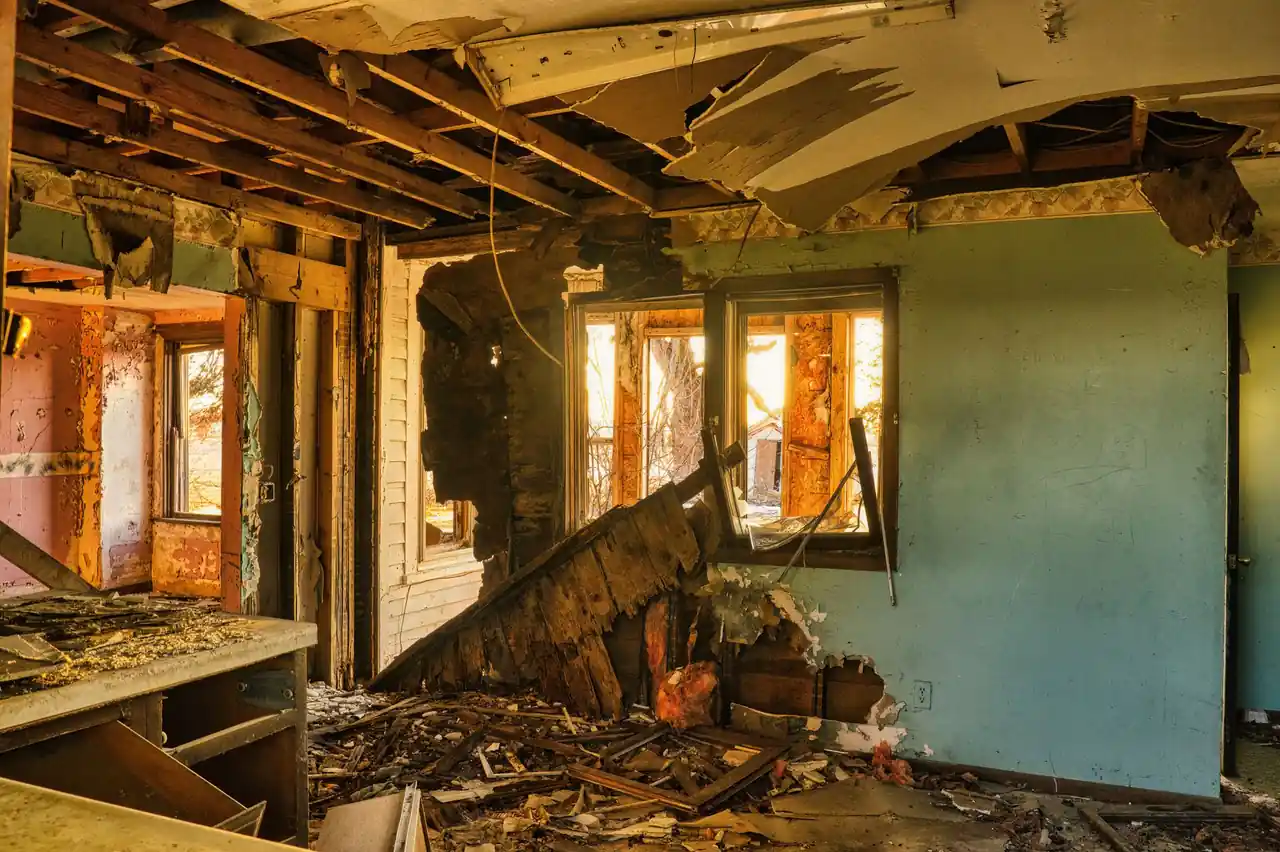
- Burst pipe under sink
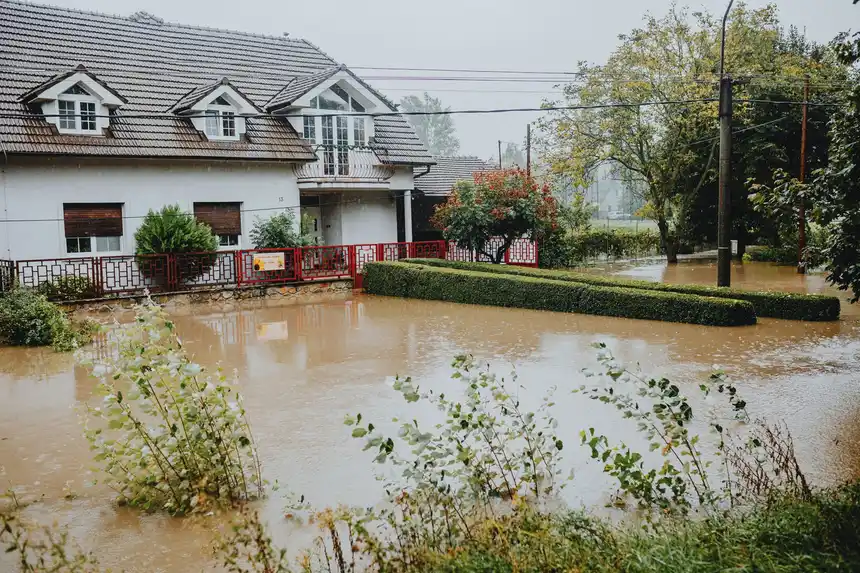
- Basement flooded from storm
- Ceiling leak from roof
Residential Water Damage Restoration in Philadelphia starts with a call and ends with a dry, repaired home. Water Damage Restoration Philly handles burst pipes, basement flooding, sewage backups, and roof leaks across Philadelphia County. We extract standing water, dry structural cavities, and rebuild what the water ruined. If you need home water damage repair in Philadelphia, our crew is on the road with extraction units and drying equipment.
 Moisture mappingDaily drying logsPhoto documentation
Every residential water damage restoration job starts with the same core scope: emergency response, water extraction, structural drying, and documentation. Repairs like drywall, flooring, and painting are included when damage requires removal. Here is what you get when you call us.
We remove standing water with truck-mounted and portable extraction units. Carpet padding gets pulled if saturated. Extraction typically takes 1 to 3 hours depending on volume and access. We also stop the water source if it is still running.
Commercial air movers and dehumidifiers run continuously until moisture readings hit dry standard. We check daily with a moisture meter and hygrometer. Most Philadelphia homes dry in 3 to 5 days. You get a written log of every reading.
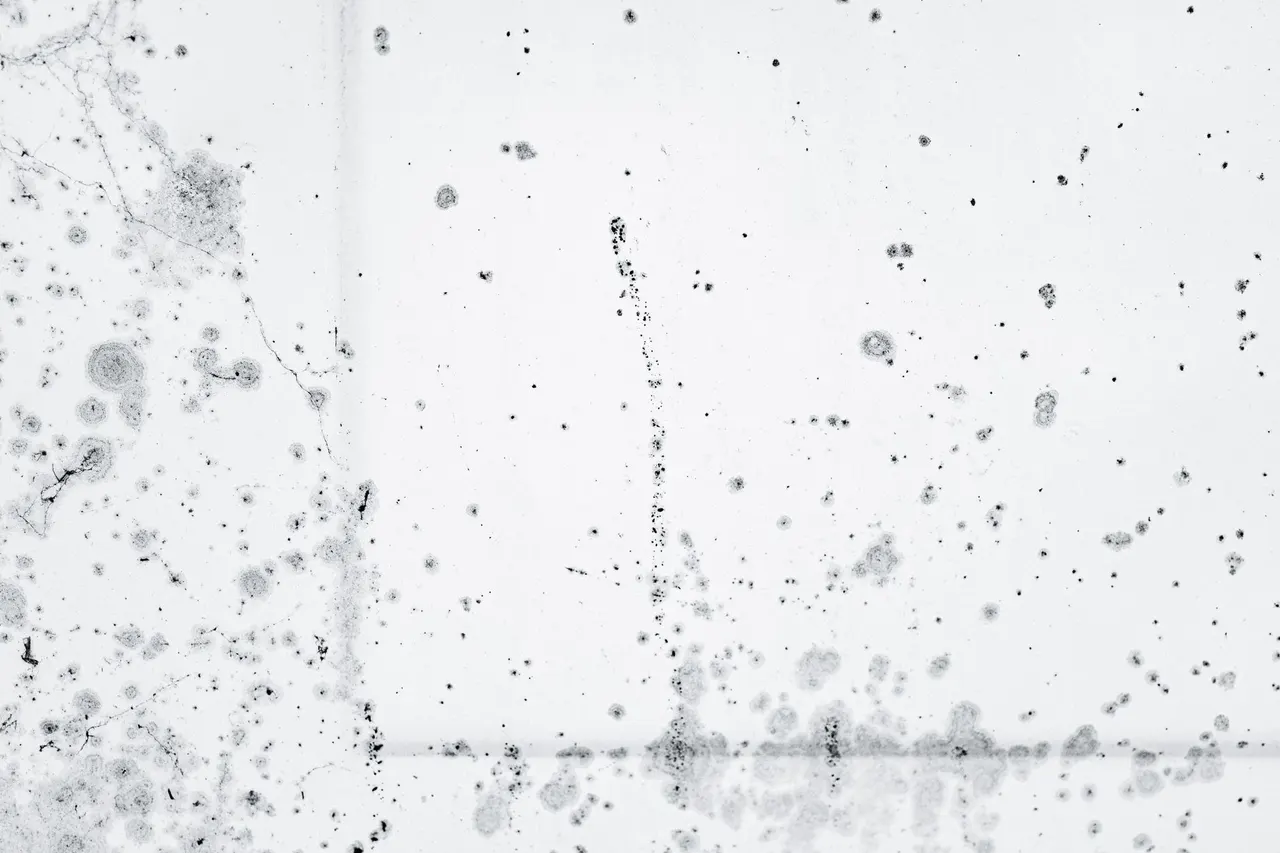
After extraction and during drying, we treat affected surfaces with antimicrobial solution to inhibit mold growth. This is especially important in basements, crawl spaces, and anywhere water sat for more than 24 hours before we arrived.
We photograph every affected area, log moisture readings, and produce a line-item scope using Xactimate. That documentation goes to your adjuster and supports your claim. You get a copy for your records.
Once the structure is dry, we replace what was removed. That means drywall, insulation, baseboard, hardwood flooring, carpet padding, and paint. In bathrooms and basements, we use mold-resistant drywall. One crew handles everything.
The approach is the same for a home and a business. What changes is the access, the schedule and who needs the paperwork.
We handle water damage in houses, rowhouses, and apartments. You get a clear scope and daily updates.
We restore water damage in offices, retail spaces, and multi-unit buildings. Work is scheduled to minimize disruption.
A plain-language look at what Residential Water Damage Restoration involves and when it is needed.
See how it worksResidential Water Damage Restoration in Philadelphia is the process of removing standing water, drying structural materials, and repairing everything a leak or flood damaged inside a home. It starts with an inspection using a moisture meter and thermal imaging camera, then moves to extraction with a water extraction unit, air movement with commercial air movers, and dehumidification with a commercial dehumidifier. We track moisture readings daily until your drywall, subfloor, and framing hit dry standard.
Philadelphia homes get hit from every direction. Rowhouse plumbing in Fishtown and Port Richmond freezes during January cold snaps and splits copper supply lines. Sump pumps in East Falls and Roxborough quit during heavy rain, pushing water into finished basements. If you search residential water damage restoration near me Philadelphia PA after a storm, you want a crew that knows these blocks. We have worked Philadelphia County since 2015 and know how water moves through 1920s masonry and modern construction alike.
Water damage gets worse with every hour, so the first step is always stopping the source and extracting standing water.
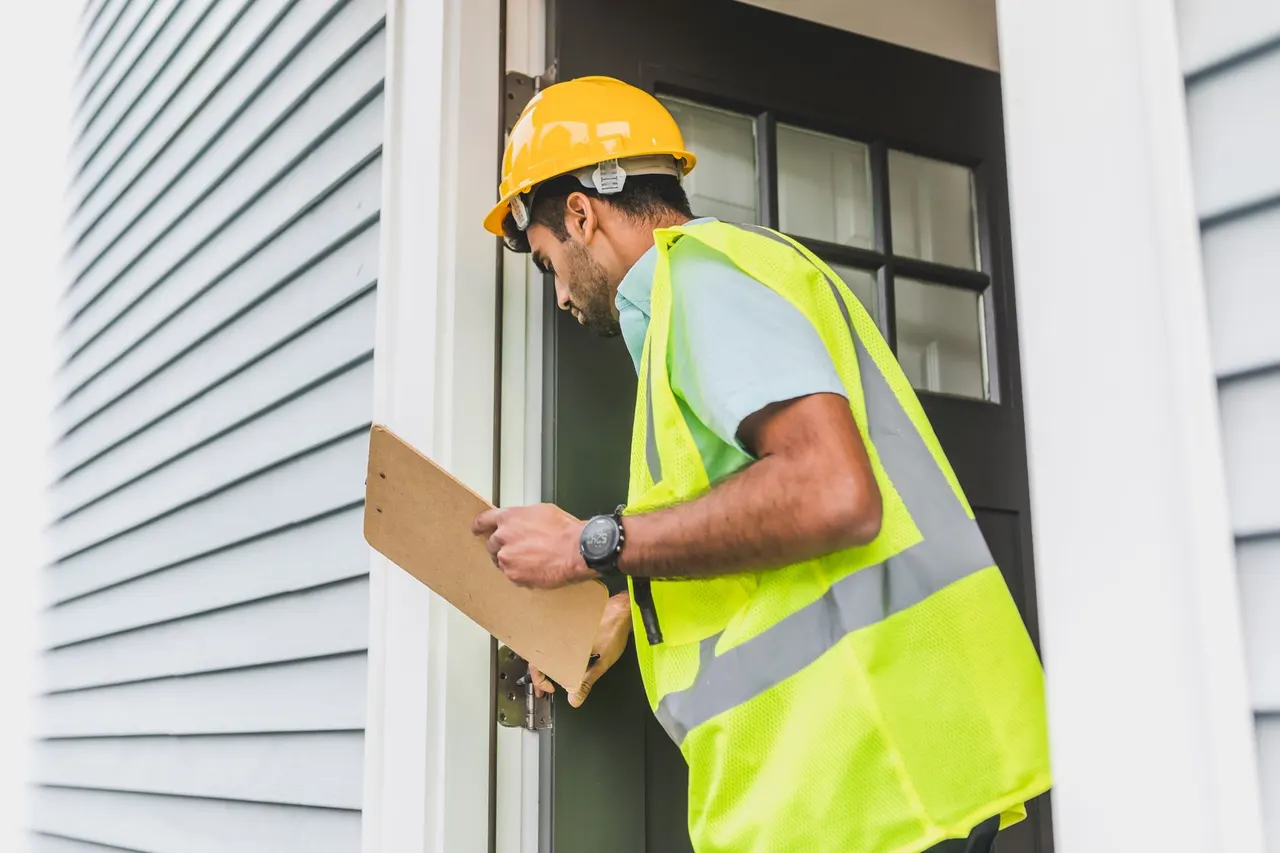
Every job follows the same sequence: stop the source, extract, dry, verify, repair. Here is what you experience from the first call to the final walkthrough.
You call 215-281-3000 and describe what happened. We ask about the water source, how long it has been running, and whether sewage is involved. A crew is dispatched with extraction equipment. You get an arrival window, not a vague promise.
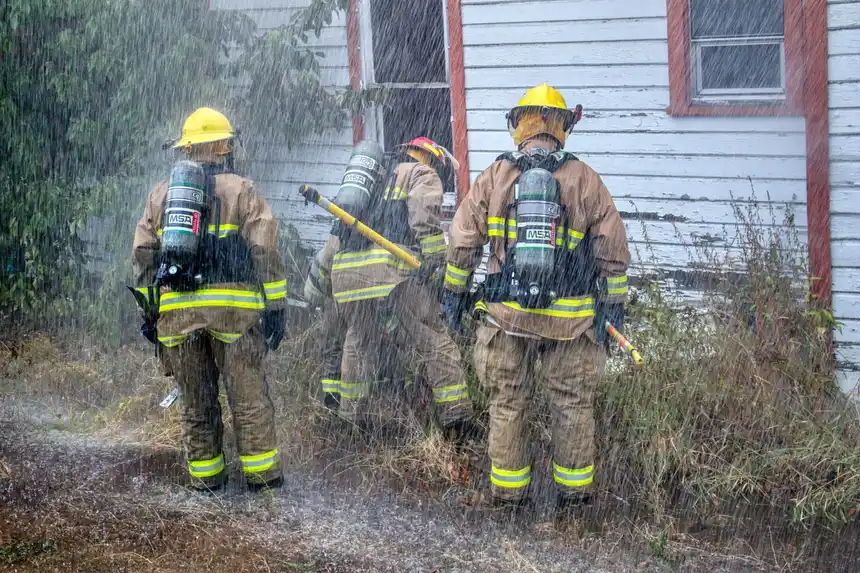
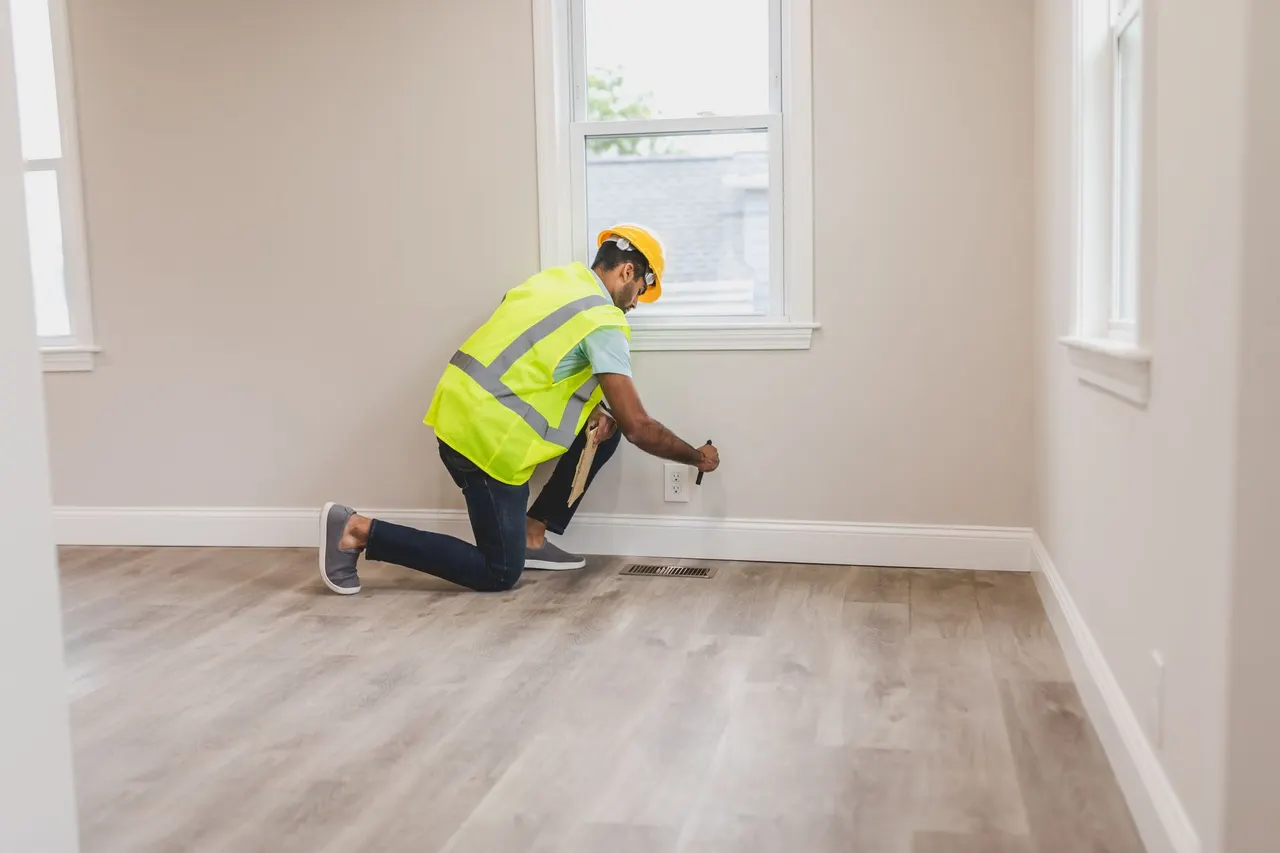
On arrival, we walk the affected area with a moisture meter, thermal imaging camera, and hygrometer. We check behind baseboards with a boroscope and map the moisture boundary. You see the readings and understand exactly what is wet and what is not.
Standing water comes out first. We use truck-mounted and portable water extraction units, plus a wet/dry vacuum for tight spaces. Carpet padding gets pulled if saturated. Extraction typically takes 1 to 3 hours depending on volume and access.
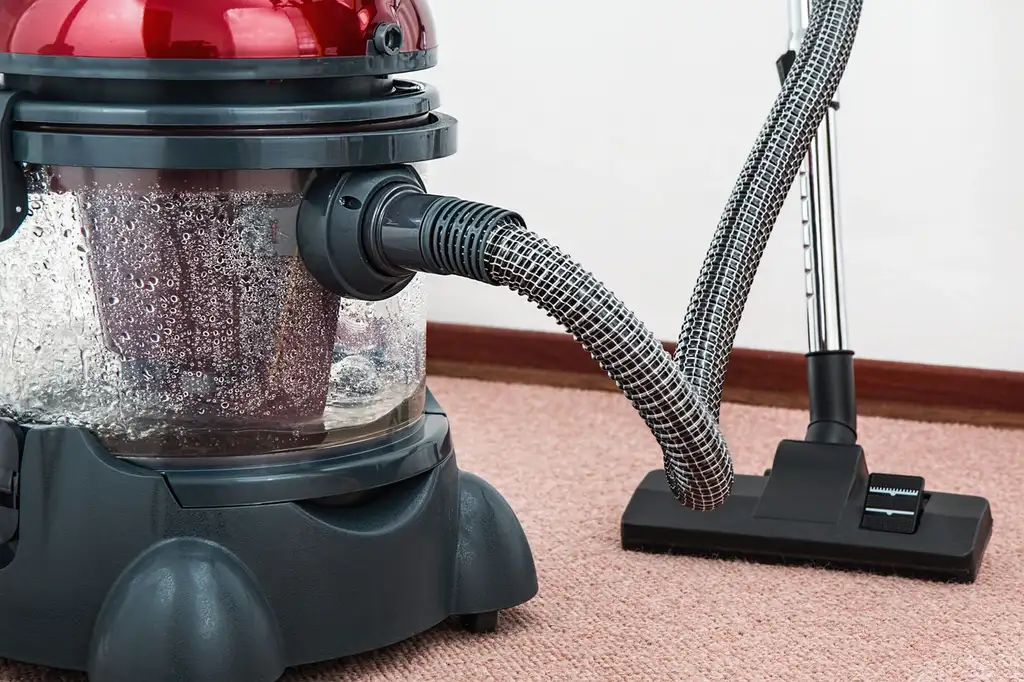
We set commercial air movers and Dri-Eaz or Phoenix Restoration dehumidifiers to pull moisture from drywall, subfloor, and framing. Desiccant dehumidifiers handle deep cavities. We monitor daily with moisture meters and adjust equipment until readings match dry standard.
Once the structure is dry, we repair what was removed. That means new drywall, insulation, baseboard, paint, and flooring as needed. We treat affected areas with antimicrobial solution before closing walls. You get a final walkthrough and documentation package.
Move across a circle, or focus it and press Enter, for an illustrative thermal view of the photograph.
Removes standing water from carpets, hard floors, and subfloor. Truck-mounted units handle large volumes; portable units reach tight spaces like closets and under cabinets.
Pulls moisture from the air so wet materials dry faster. We use Dri-Eaz and Phoenix Restoration units, including desiccant dehumidifiers for deep cavities and crawl spaces.
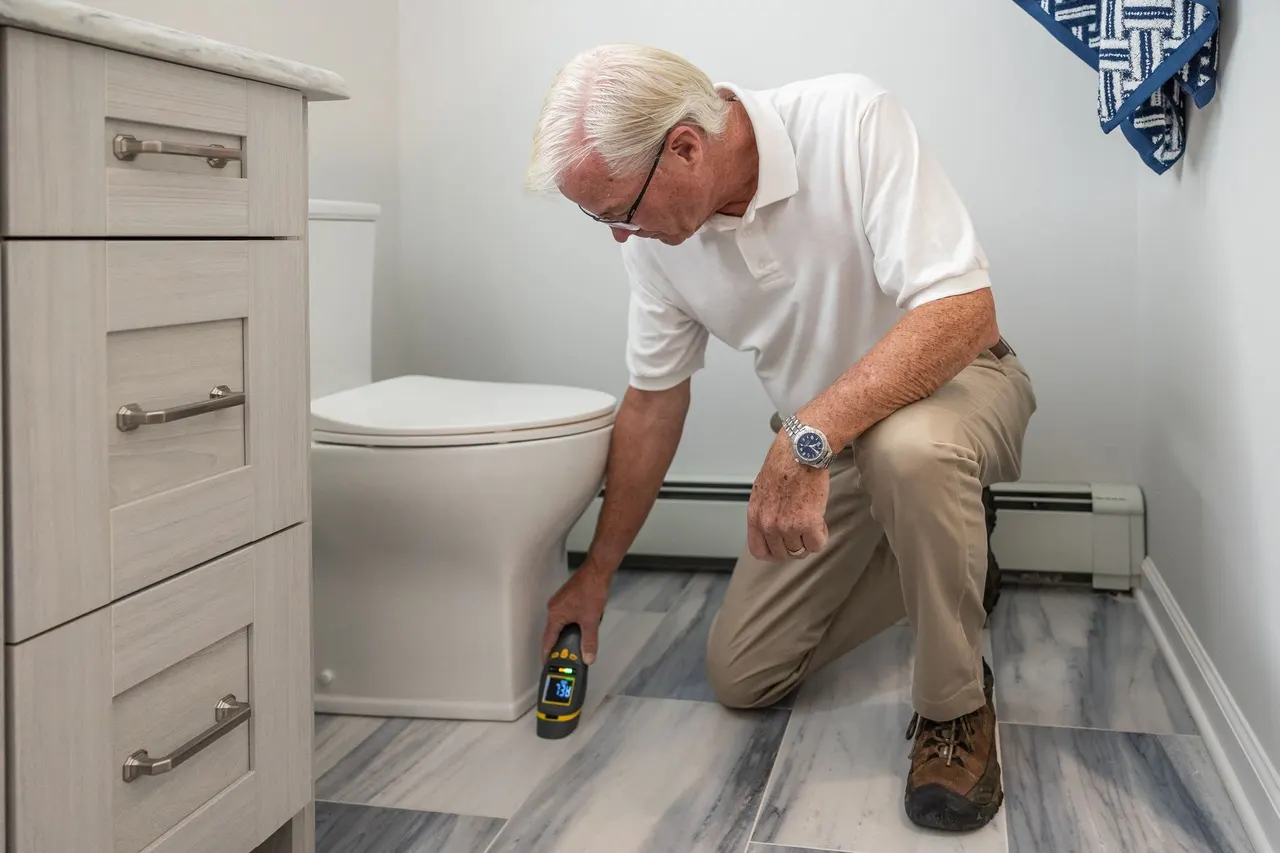
Circulates air across wet surfaces to speed evaporation. We position air movers to create a vortex effect that reaches behind baseboards and under flooring.
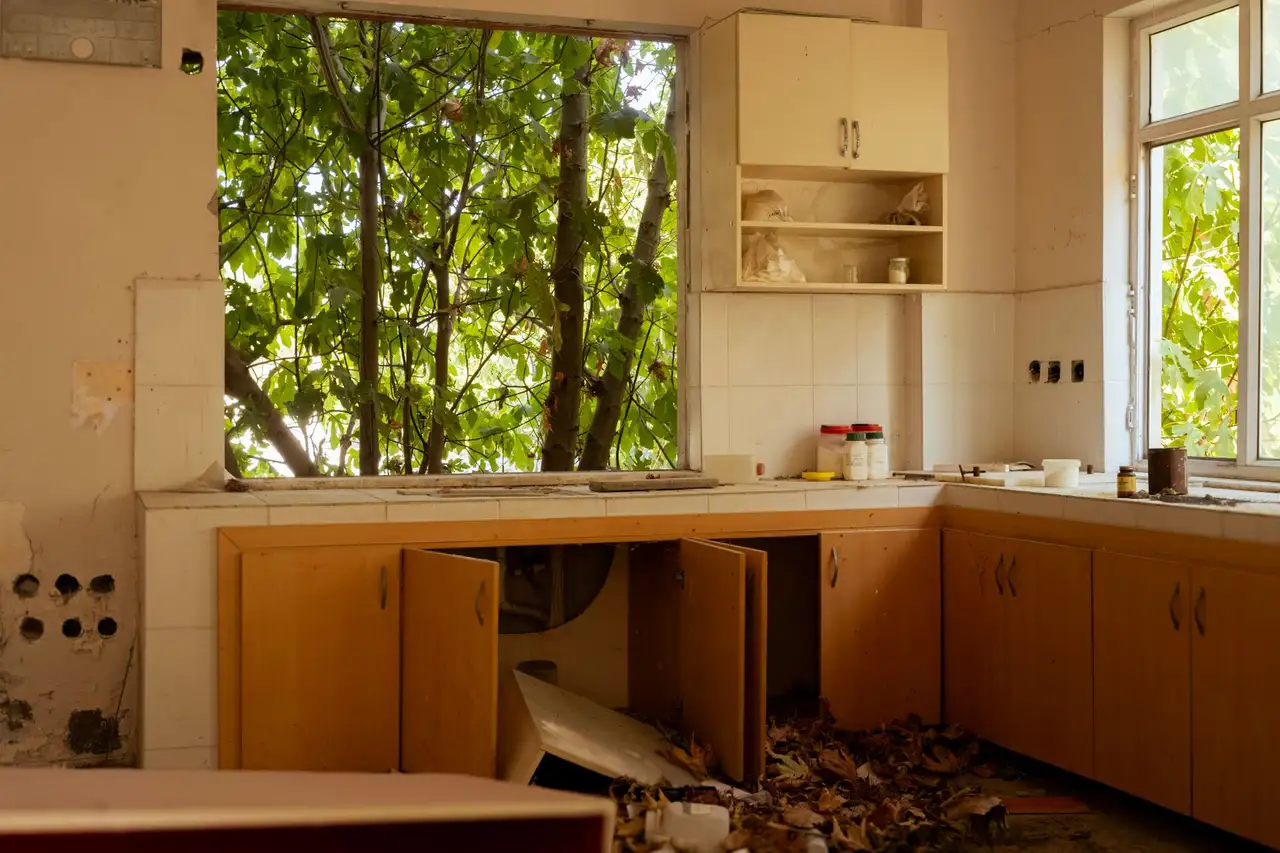
Measures moisture content in drywall, wood, and concrete. We log readings daily to track drying progress and confirm when materials hit dry standard.
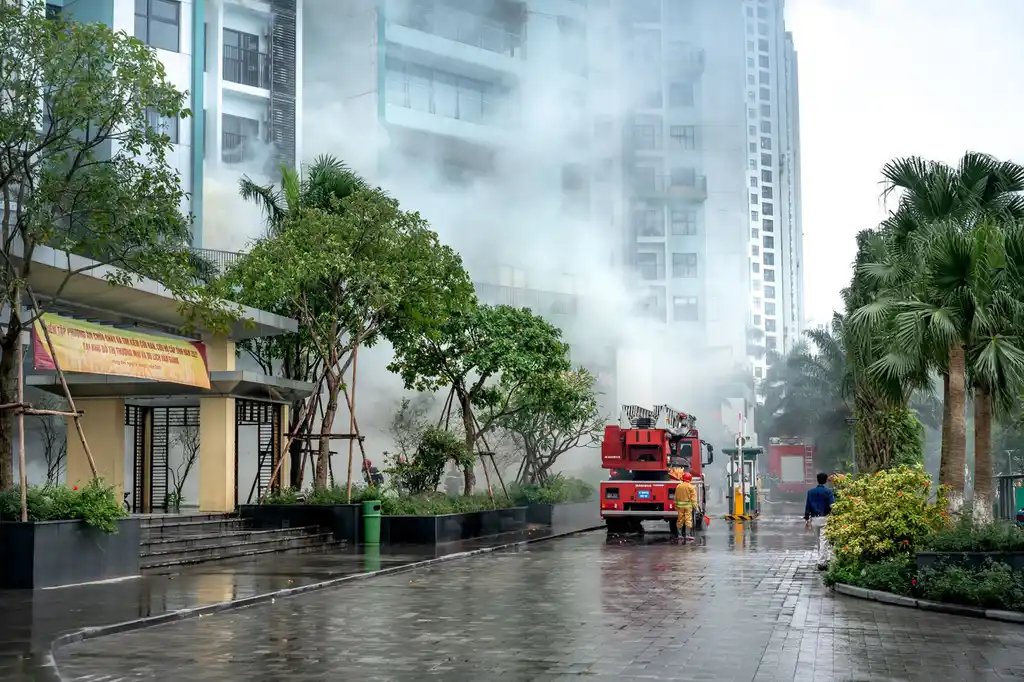
Reveals temperature differences that indicate hidden moisture behind walls, under floors, and in ceilings. It helps us find water that a moisture meter alone would miss.
Thermal views are illustrative, generated from the photographs.
A camera on a flexible probe that lets us see inside wall cavities, behind baseboards, and under cabinets without tearing everything apart.
Ozone generators neutralize odors at the molecular level. HEPA vacuums capture mold spores and fine particles during cleanup. We use both for odor removal and post-drying cleanup.
The IICRC S500 sets the standard for water damage restoration, including extraction, drying, and monitoring. We follow it on every job to ensure the structure is properly dried and documented.
We map the moisture boundary in every affected room using a moisture meter and thermal imaging camera. This tells us exactly where the water traveled and where to place drying equipment.
We record moisture readings every day and adjust equipment placement based on the numbers. You get a written log showing the drying progress from start to finish.
After extraction and during drying, we apply antimicrobial solution to affected surfaces. This inhibits mold growth and is standard practice on any job where water sat for more than 24 hours.
A pipe burst under the kitchen sink while you were at work, and you came home to an inch of water across the first floor.
We extract the standing water, pull wet carpet padding, and set air movers and dehumidifiers. We check the basement and adjacent rooms for water that traveled through the subfloor. Drying typically takes 3 to 5 days.
Outcome: Your first floor is dry, the damaged drywall and flooring are repaired, and you have documentation for your insurance claim.
Your sump pump failed during a heavy rainstorm, and your finished basement is flooded with 2 inches of water.
We pump out the water, remove saturated carpet and padding, and dry the walls and concrete floor. We treat the space with antimicrobial solution and inspect the sump pit and discharge line for the cause of the failure.
Outcome: The basement is dry, odors are gone, and you know what failed so you can prevent it from happening again.
A toilet supply line broke overnight, and water soaked through the bathroom floor into the ceiling of the room below.
We extract water from both floors, cut out saturated drywall in the ceiling below, and dry the framing. We repair the drywall, paint the ceiling, and replace any damaged flooring in the bathroom.
Outcome: Both floors are dry and repaired, and the ceiling below shows no sign of the leak.
A winter cold snap froze a pipe in your unheated porch, and it split when temperatures rose, sending water into the living room.
We shut off the water, extract from the living room, and dry the subfloor and wall cavities. We repair the split pipe, replace damaged drywall, and treat the area to prevent mold.
Outcome: The pipe is repaired, the living room is dry, and the wall is closed up and painted.
Philadelphia's housing stock creates specific water damage patterns. Rowhouses share walls, so water from a burst pipe in one unit often travels into the neighbor's unit. We check adjacent walls and floors as part of every assessment. The city's older homes have galvanized steel pipes that corrode and fail, and many basements rely on sump pumps that quit during heavy rain.
Winter cold snaps freeze pipes in unheated porches and crawl spaces, causing splits that flood living areas when temperatures rise. Philadelphia County requires permits for structural repairs, and we pull them when the job requires it. We also follow EPA Lead-Safe practices on pre-1978 homes, which covers most of the city.
If you need emergency home water damage repair Philadelphia PA, we know the blocks and the buildings.
Before: A supply line burst under the kitchen sink while the homeowner was at work. Water spread across the first floor and seeped into the basement through the subfloor. Carpet padding was saturated, and drywall was wet 18 inches up the wall.
After: We extracted 40 gallons of standing water, removed wet carpet padding, and dried the structure in 4 days. We replaced 12 feet of drywall, reinstalled baseboard, and painted. Moisture readings confirmed dry standard before we closed the walls.
We recommended a water alarm under the sink and an annual inspection of supply lines. Both are inexpensive and can prevent a repeat.
Before: A sump pump failed during a storm, flooding a finished basement with 2 inches of water. Carpet, padding, and the bottom 2 feet of drywall were saturated. The homeowner discovered it the next morning.
After: We extracted the water, removed carpet and padding, and cut out wet drywall. Drying took 3 days with commercial dehumidifiers and air movers. We treated the space with antimicrobial solution, replaced drywall, and installed new carpet.
We installed a battery backup sump pump and recommended testing it every spring before storm season.
Before: A sewage backup sent contaminated water into a South Philly basement. The homeowner called us immediately. The water was Category 3, meaning contaminated. Affected materials had to be removed and disposed of properly.
After: We removed all contaminated materials, treated the space with antimicrobial solution, and dried the structure in 4 days. We replaced the drywall and flooring and deodorized the air with an ozone generator. The basement passed a final inspection.
We recommended a backwater valve on the main sewer line to prevent future backups. The homeowner had one installed within a month.
Water damage does not fix itself. It spreads, it smells, and it grows mold. Here are the most common problems we see in Philadelphia homes and how we solve them.
A dry, repaired home with documentation for your insurance claim.
Most emergency home water damage repair Philadelphia PA jobs get a technician on site within 60 to 90 minutes. That speed matters when a burst pipe is dumping 8 gallons a minute into your kitchen.
We photograph every affected room, log moisture readings with a hygrometer, and record daily drying progress. That documentation supports your insurance claim and proves the structure is dry before we close walls. No guesswork, no hidden moisture behind baseboards.
We do not leave you with open walls and a dehumidifier rental. Our team replaces drywall, installs mold-resistant drywall where needed, reinstalls baseboard, and handles hardwood flooring and carpet padding replacement. One crew from extraction to final walkthrough.
We work with Xactimate estimates, which most major carriers accept. You get a line-item scope, photo documentation, and moisture logs formatted for adjusters. That means fewer back-and-forth calls and faster claim approval for residential water damage restoration in Philadelphia, Pennsylvania.
What a written scope covers and what shapes it. Prices are set by the business after the first look.
Included
Depends on
Clear records you can keep and share.
Daily readings from start to finish
Before, during, and after images
Line-item estimate for repairs
Final readings confirming dry standard
Not all water damage is the same. The category determines what can be saved and what must be removed.
Clean water from a supply line or rain
Gray water from appliances or toilets
Black water from sewage or flooding
A list like this tells people straight away whether you cover their street. Not listed? Call and ask: it only takes a minute.
Based in Philadelphia and covering the places around it. Pick one for local details.
Small appliance leaks that stay in one room land near the low end. Sewage backups, basement flooding, or jobs requiring drywall and flooring replacement push higher. Insurance usually covers the bulk if the damage is sudden and accidental.
Water Damage Restoration Philly handles home water damage repair in Philadelphia PA, from emergency extraction through finished repairs. We are based in Philadelphia, registered as a Pennsylvania Home Improvement Contractor, and have served Philadelphia County since 2015. Call 215-281-3000 and we dispatch a crew with extraction and drying equipment.
Most homeowner policies cover sudden and accidental water damage, including burst pipes, appliance failures, and storm-driven roof leaks. Flood damage from rising water typically requires separate NFIP coverage. We provide Xactimate estimates, moisture logs, and photo documentation that adjusters accept, which speeds up approval for residential water damage restoration in Philadelphia, Pennsylvania.
Most Philadelphia homes dry in 3 to 5 days with proper air movers and dehumidifiers running continuously. Dense materials like hardwood flooring, plaster walls, and brick can take 5 to 7 days. We check moisture readings daily and do not pull equipment until the structure hits dry standard, which prevents mold growth behind walls.
Other services from the same team.
Water spreads fast. Every hour you wait, the damage gets worse and the repair bill goes up. Call Water Damage Restoration Philly at 215-281-3000.
Call 215-281-3000 any time, day or night. We answer live, ask what happened, and dispatch a crew. If you prefer email, send photos and your address to [email protected] and we'll respond within the hour. Most Philadelphia calls get a technician on-site within 60 to 90 minutes.