Signs of hidden water damage behind walls in old Philadelphia homes
Musty smells, bubbling paint, and soft drywall are the first clues. Here's how to spot hidden water damage behind walls in old Philadelphia homes before it spreads.
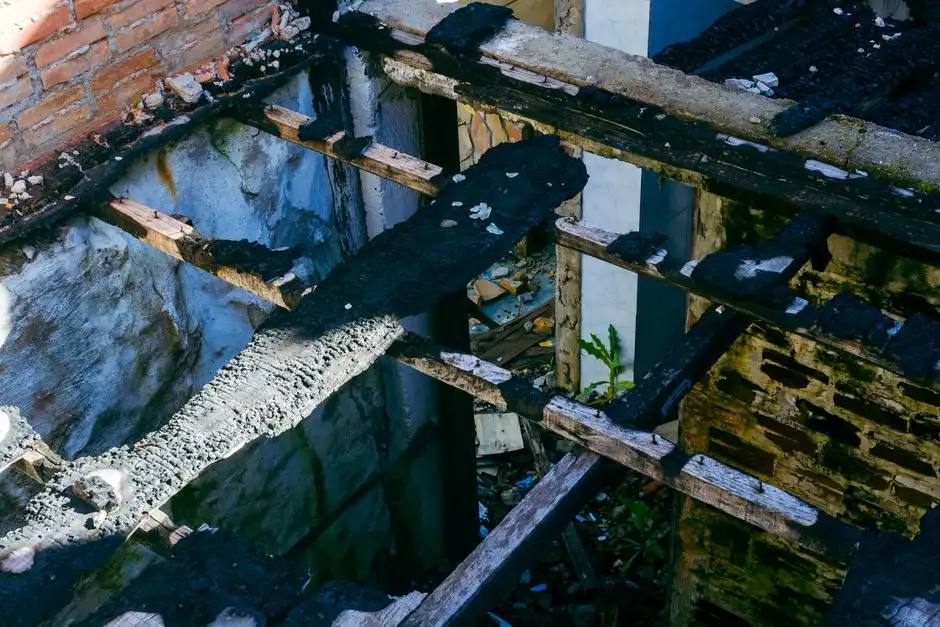
The first sign of hidden water damage behind walls in old Philadelphia homes is almost always a smell - a musty, wet-cardboard odor that gets stronger in humid weather and never quite goes away. The second is a wall that feels cool or soft to the touch, even when the rest of the room is dry. If either of those sounds familiar, you likely have a slow leak feeding moisture into plaster, lath, or brick that has been quietly absorbing water for weeks. This post covers the specific signs we look for in Philadelphia rowhomes, why these buildings hide leaks so well, and when it is time to bring in a pro.
Why old Philadelphia homes hide water damage so well
Old Philadelphia homes hide water damage because their walls were built to breathe - and that same breathability lets moisture travel far from the source before you ever see a stain. Most rowhomes in Fishtown, South Philly, and West Philly were framed with true-dimension lumber and finished with three-coat plaster over wood lath. That plaster is thick. A leak can soak the lath behind it for a month before the surface paint shows any sign.
The masonry is the other half of the problem. Brick and stone foundations wick groundwater upward through capillary action, especially after the kind of nor'easter that dumps two inches of rain in six hours. That water enters the wall cavity from below, not from a pipe, so there is no obvious drip to trace. By the time you notice efflorescence - the white, chalky mineral deposit on brick - the wall has already been wet through at least one full season.
We also see this in homes with original galvanized supply lines. Galvanized steel corrodes from the inside out. A 1920s line that looks fine from the outside can be 80 percent blocked and weeping at a joint behind the kitchen wall. That is one reason we treat every call as a potential hidden-leak investigation, not just a visible-water cleanup. If you are already dealing with standing water, our water damage restoration Philadelphia PA team handles extraction and drying, but the leak itself still has to be found.
What are the signs of hidden water damage behind walls in Philadelphia?
The signs of hidden water damage behind walls in Philadelphia are a musty odor, bubbling or peeling paint, soft or discolored drywall, a warped baseboard, and a persistent increase in your water bill. Any one of those is worth investigating. Two or more together usually means an active leak.
Here is what we actually check on arrival:
- Smell test: A musty, earthy odor that is strongest near an outlet, baseboard, or closet. Mold can colonize drywall paper in 48 to 72 hours at 70°F and 60 percent humidity.
- Touch test: Press the wall with your palm. A cool spot on an interior wall in summer means evaporative moisture is pulling heat out of the surface.
- Paint and plaster: Bubbling, cracking, or a chalky white haze. Plaster that sounds hollow when tapped has already separated from the lath.
- Baseboards and trim: Swelling, separation from the wall, or a dark waterline along the bottom edge.
- Floor clues: Cupped hardwood, loose tile, or a soft spot near the wall. A 1/16-inch gap between the baseboard and floor is a red flag.
- Meter check: Shut off every fixture in the house and watch your water meter. If the low-flow indicator is still spinning, you have a hidden leak.
One more sign that gets missed constantly: a faint hissing or dripping sound inside the wall when the house is quiet. That is pressurized water escaping a pinhole in copper or a failing joint. It will not stop on its own.
How do I know if I have hidden water damage in my Philadelphia home?
You know you have hidden water damage in your Philadelphia home when the evidence points to moisture without a visible source - a smell that returns after cleaning, a wall that stays damp, or a water bill that jumps 15 to 20 percent with no change in usage. At that point, guessing is expensive. A moisture meter and a thermal camera settle the question in about 20 minutes.
We use both on every assessment. The meter reads percentage moisture content in drywall, plaster, and wood. Normal interior drywall reads 0.5 to 1 percent. Anything above 15 percent is wet, and above 20 percent is actively feeding mold. The thermal camera shows temperature differences across the wall surface, which reveals where water is pooling behind the finish.
If you want a professional read on your walls before you start cutting into them, our water damage assessment Philadelphia PA service includes moisture mapping and a written scope of where the water is and how far it has traveled. That saves you from opening the wrong wall.
The rowhome problem: shared walls and slow leaks
Philadelphia rowhome water damage spreads sideways because the party wall between you and your neighbor is a shared moisture path. That wall is usually a brick wythe with no air gap. When your neighbor's supply line leaks, the brick wicks water into your side. When your roof flashing fails, the same thing happens in reverse.
We see this constantly in residential water damage restoration in Philadelphia, Pennsylvania calls across Point Breeze and Grays Ferry, where blocks of 1920s rowhomes share original brick and original plumbing. A leak at 1240 S. 17th Street can show up as a stain at 1238. That is not a coincidence - it is capillary action through shared masonry.
Rowhome roofs are another weak point. Flat or low-slope roofs with original built-up tar and gravel fail at the flashing, especially after freeze-thaw cycles. Ice dams form at the parapet, water backs up under the membrane, and the ceiling below stains three feet from the exterior wall. If you see a brown ring on the ceiling after a winter storm, the source is almost always the roof, not the plumbing.
Basements in these homes are damp by design. Original stone foundations were meant to weep. When we handle basement water extraction Philadelphia PA, we treat the wall as part of the system - drying the masonry, not just the floor.
Common mistakes Philadelphia homeowners make
The most common mistake is painting over the stain. A coat of Kilz hides the discoloration but does nothing about the moisture behind it. The paint will bubble again within one heating season, and by then the drywall paper has already started to mold.
Other mistakes we see:
- Ignoring a small drip because it only happens when it rains. That is a roof or flashing leak, and it will not seal itself.
- Running a dehumidifier in the room but never finding the source. You will pull a gallon a day out of the air and still have a wet wall cavity.
- Cutting out drywall to "let it dry" without addressing the leak. You expose the cavity to more humid air and risk mold on the framing.
- Assuming the water bill is high because of the kids. A toilet flapper leak costs about $0.02 per gallon. A hidden supply-line leak can add $40 to $80 a month.
- Waiting until spring to deal with a winter leak. Mold does not wait. It starts in 48 hours and spreads through the wall cavity in two weeks.
One more: using a pin-type moisture meter on plaster without knowing the calibration. Plaster reads high even when dry because of its mineral content. A professional meter with a plaster setting gives you a real number.
When to call a professional
Call a professional when you smell musty air that returns after cleaning, when a wall stays damp for more than 48 hours, or when you cannot find the source with a visual inspection. Those three situations almost always mean moisture is trapped in a cavity where you cannot see it.
We handle the full sequence: find the leak, stop it, dry the structure, and verify with moisture readings before we close anything up. Our team uses thermal imaging and penetrating moisture meters on every job, and we document the dry-down so you have a record for insurance. If the leak has been active long enough to grow mold, we handle that too - our mold remediation Philadelphia PA service includes containment, HEPA filtration, and clearance testing.
Water Damage Restoration Philly works across Philadelphia, from Center City to the Northeast. We are a local water damage restoration Philadelphia PA company, which means we know these buildings - the plaster, the brick, the galvanized lines, and the rowhome quirks that make hidden leaks so hard to find.
Frequently Asked Questions
What are the signs of hidden water damage behind walls in Philadelphia?
A musty odor, bubbling or peeling paint, soft or discolored drywall, a warped baseboard, and a water bill that jumps 15 to 20 percent with no usage change. In old Philadelphia rowhomes, a cool spot on an interior wall or a faint hissing sound inside the wall are also strong indicators.
How do I know if I have hidden water damage in my Philadelphia home?
Shut off every fixture and watch your water meter. If the low-flow indicator still spins, you have a hidden leak. A moisture meter reading above 15 percent on drywall or plaster confirms it. Thermal imaging shows exactly where the water is pooling behind the finish.
Who can detect hidden water damage in Philadelphia PA?
A licensed water damage restoration company with thermal imaging and penetrating moisture meters. We map the moisture, find the source, and document the readings. Call 215-281-3000 to schedule an assessment - most jobs are diagnosed in under an hour.
How long does it take for mold to grow behind a wet wall?
Mold can colonize drywall paper in 48 to 72 hours when the wall is wet and the indoor humidity is above 60 percent. In an old Philadelphia home with plaster and lath, the timeline is similar but the mold spreads farther because the lath creates air channels behind the finish.
Will my homeowners insurance cover hidden water damage?
Most policies cover sudden and accidental discharge, like a burst pipe or appliance failure. They typically exclude long-term seepage and maintenance issues. We document the source and the dry-down so your adjuster can see exactly what happened and when.
Get help with water damage restoration in Philadelphia
If you smell musty air or feel a soft spot in your wall, do not wait for it to spread. We find the leak, dry the structure, and verify the moisture readings before we leave. Call Water Damage Restoration Philly at 215-281-3000 for same-day service across Philadelphia.