For Homes
We dry carpet in rowhomes, twins and apartments across Philadelphia. You get daily moisture readings and a written drying log for your claim.
- Burst pipe under the sink
- Sump pump failure in basement
- Water heater leak overnight
Carpet Water Extraction and Drying Philadelphia PA is the service that pulls standing water out of carpet and padding, then dries the fibers, subfloor and baseboards before mold takes hold. If a burst pipe, appliance leak or basement flooding soaked your rug, we handle carpet water removal Philadelphia wide, from Center City rowhomes to Northeast Philadelphia twins. Call 215-281-3000 and we roll within the hour.
 Moisture mappedPad checked firstDrying logged daily
Every job includes the moisture mapping, extraction, drying equipment, daily monitoring and the written drying report. Tear-out and replacement of pad or carpet is a separate scope, and we tell you upfront if your job needs it. Here is what is in the standard carpet water extraction and drying scope.
We run a moisture meter and thermal imaging camera across the carpet, pad, baseboard and subfloor, and use a boroscope in the wall cavity if we suspect hidden water. You see the readings before we start, so the drying scope matches the actual wet area.
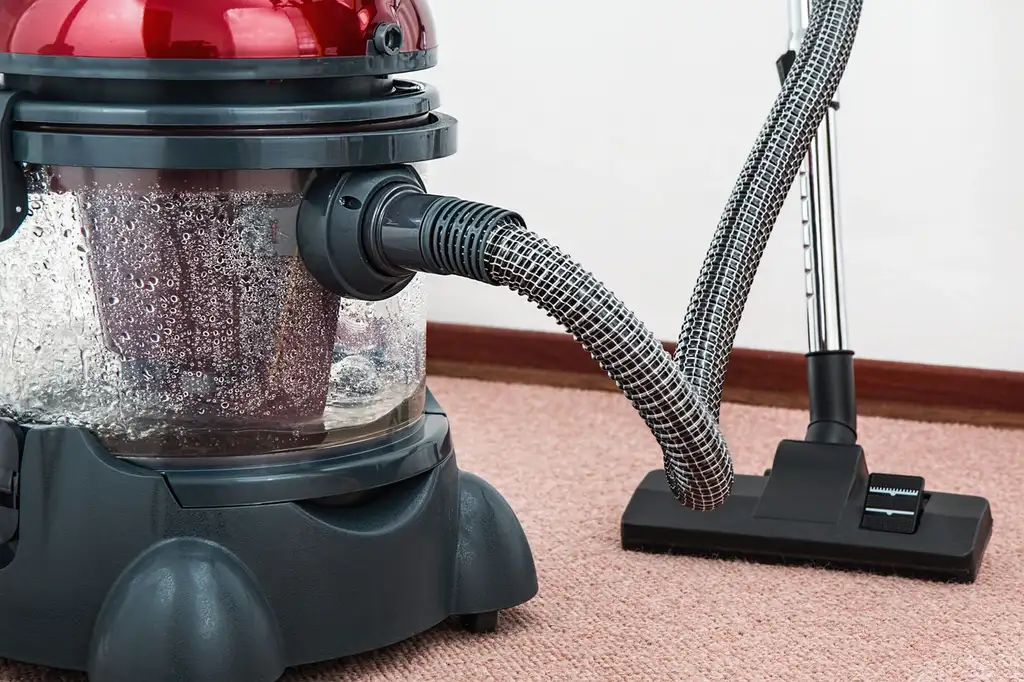
A water extraction unit or wet/dry vacuum pulls standing water from the carpet, and weighted extraction heads push into the pad to release trapped water. We dry the pad in place with a drying mat and air movers when the water is clean and the pad is intact.
We position commercial dehumidifier and air mover arrays to move air across the carpet and under the pad edge. Equipment stays until a hygrometer and moisture meter show the carpet and subfloor at dry standard, which usually takes 2 to 3 days.
Once the carpet and pad are dry, we apply antimicrobial solution to the pad and subfloor to stop mold and bacteria from colonizing. If odor lingers, we run an ozone generator or HEPA vacuum pass. This step is standard on every wet carpet job, not an add-on.
We check moisture readings every day and adjust equipment placement as the carpet dries. You get a written drying log with the daily readings and photos, which is what your insurance adjuster needs to close the claim without a second visit.
We photograph the wet line, log the moisture readings and write the scope in Xactimate format, the same system Servpro and ServiceMaster Restore use. Your adjuster gets a clean file, and we bill the carrier directly when the claim covers the work.
The approach is the same for a home and a business. What changes is the access, the schedule and who needs the paperwork.
We dry carpet in rowhomes, twins and apartments across Philadelphia. You get daily moisture readings and a written drying log for your claim.
We dry commercial carpet in offices and retail spaces around Philadelphia. Work is scheduled around your hours so you can stay open while we extract and dry.
A plain-language look at what Carpet Water Extraction and Drying involves and when it is needed.
See how it worksCarpet water extraction and drying Philadelphia PA is a two-stage water damage restoration service that removes trapped water from carpet fibers and padding, then forces the remaining moisture out of the subfloor, tack strip and baseboard. We start with a moisture meter and thermal imaging camera to map how far the water traveled, because carpet hides the wet line better than any surface in the house. A wet/dry vacuum or truck-mounted water extraction unit pulls the bulk, then commercial dehumidifier and air mover arrays dry the rest.
Most Philadelphia calls we run come from a burst pipe behind a kitchen wall, a water heater that let go overnight, or a sump pump failure during a heavy rain. Older rowhomes in Fishtown and Port Richmond often have original hardwood under the carpet, so we check the subfloor before we set drying equipment. If you search carpet water extraction near me Philadelphia PA at 2 a.m., you get a live dispatcher, not a voicemail.
Carpet hides water longer than any other surface, so we map before we dry.
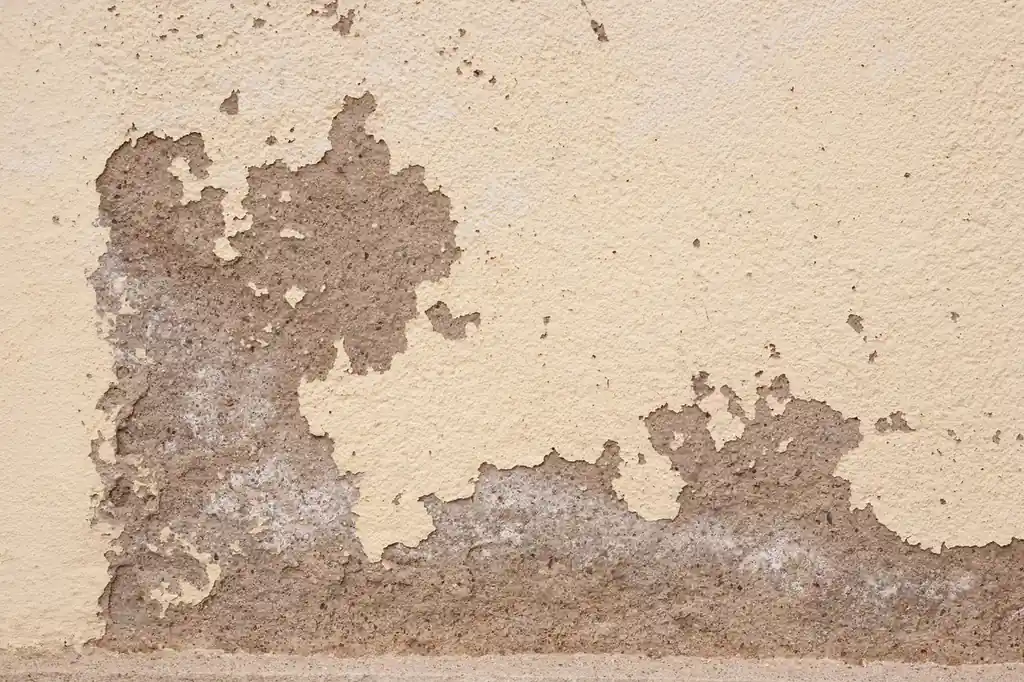
Five steps, start to finish. You get a call-ahead, a walk-through, and a written drying report at the end.
You call 215-281-3000, tell us what leaked and roughly how much water you see. We ask about the floor type, the age of the home and whether the water is clean or dirty. A crew is dispatched with extraction and drying gear sized for the job, usually within the hour in Philadelphia.
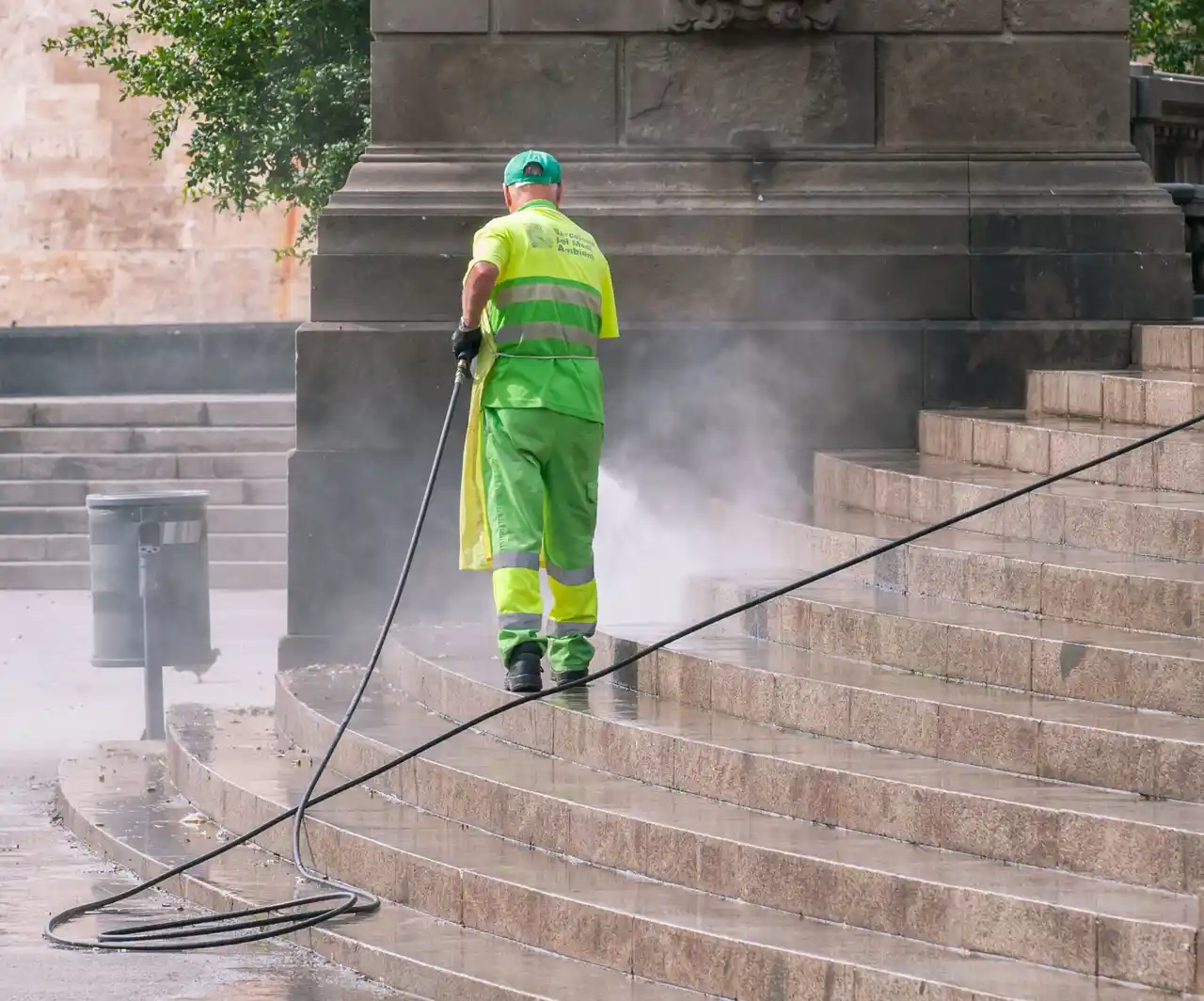
On arrival we walk the room with you, then run a moisture meter and thermal imaging camera across the carpet, pad, baseboard and subfloor. A boroscope goes into the wall cavity if we suspect a hidden wet line. You see the readings before we start, so there is no guesswork about scope.
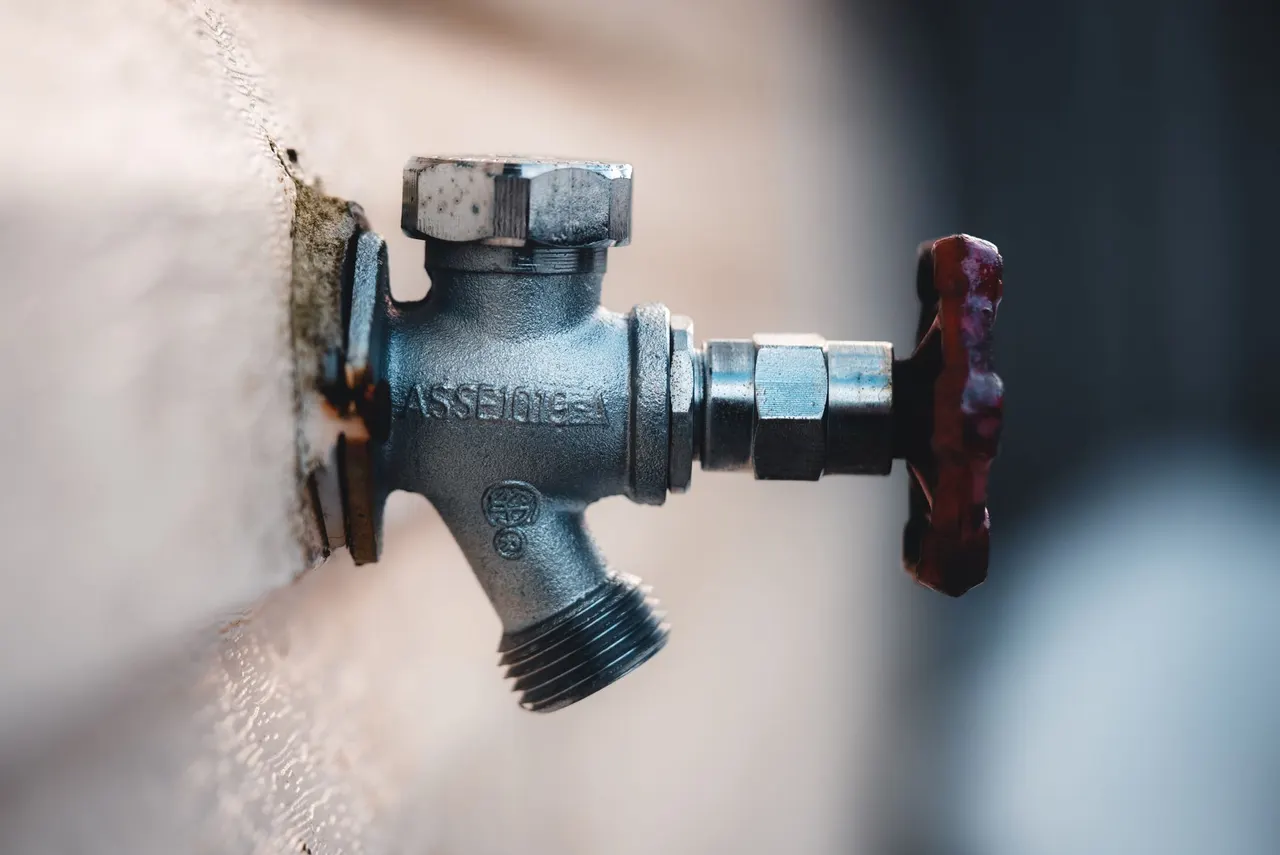
We pull standing water with a water extraction unit or wet/dry vacuum, working the carpet in overlapping passes. Weighted extraction heads push down into the pad to release water the surface pass misses. A sump pump or truck mount handles larger volumes from basement flooding.
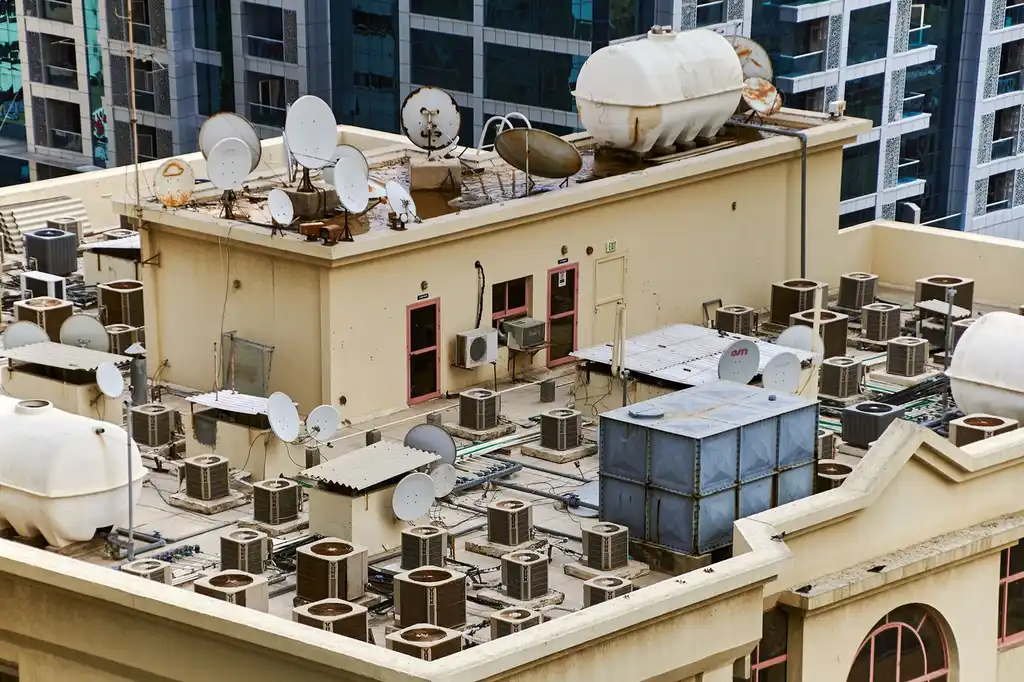
Commercial dehumidifier and air mover arrays go in, positioned to move air across the carpet and under the pad edge. We check a hygrometer and moisture meter daily and adjust equipment until the carpet and subfloor hit dry standard. Most rooms take 2 to 3 days.
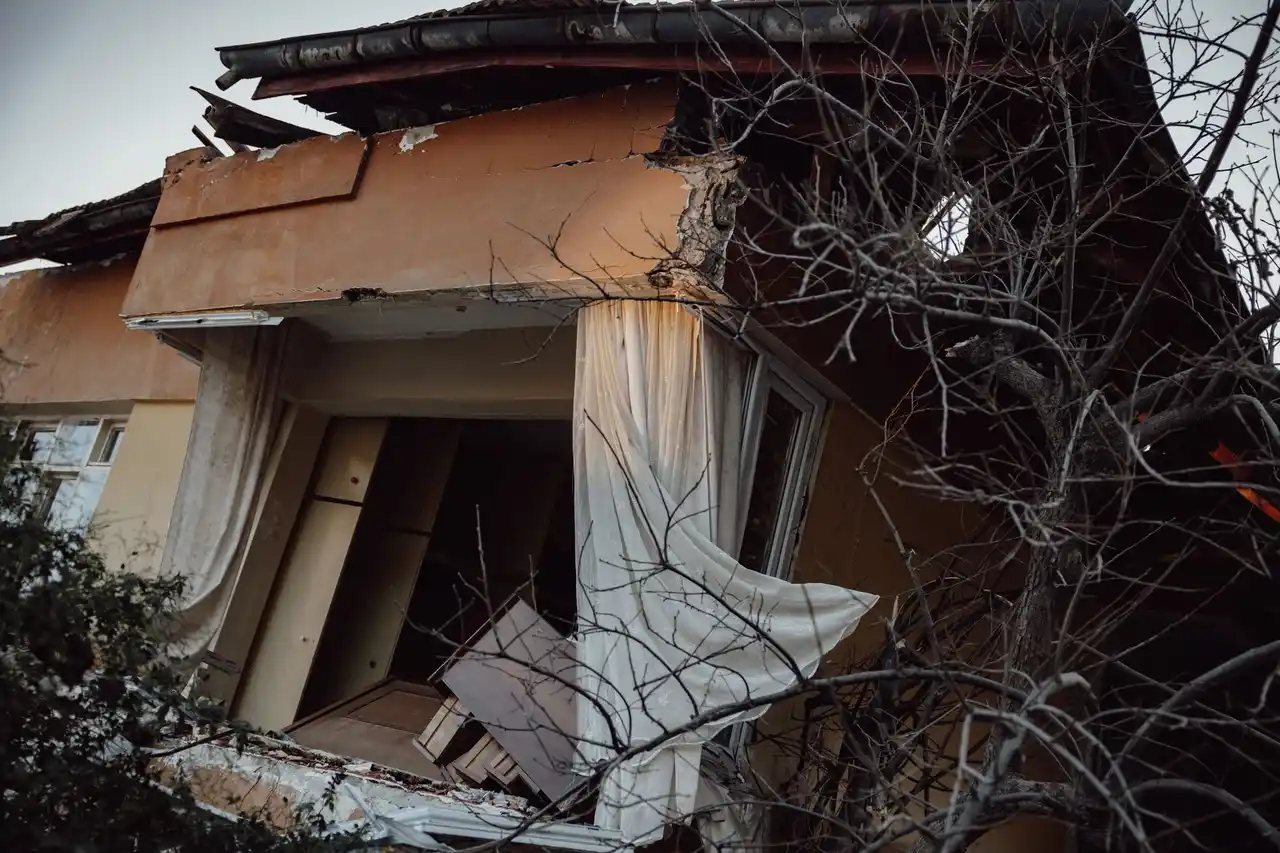
Once dry, we apply antimicrobial solution to the pad and subfloor, then run an ozone generator or HEPA vacuum pass if odor lingers. You get a drying log with daily readings, photos and the Xactimate scope for your adjuster. We walk the room with you before we pack up.
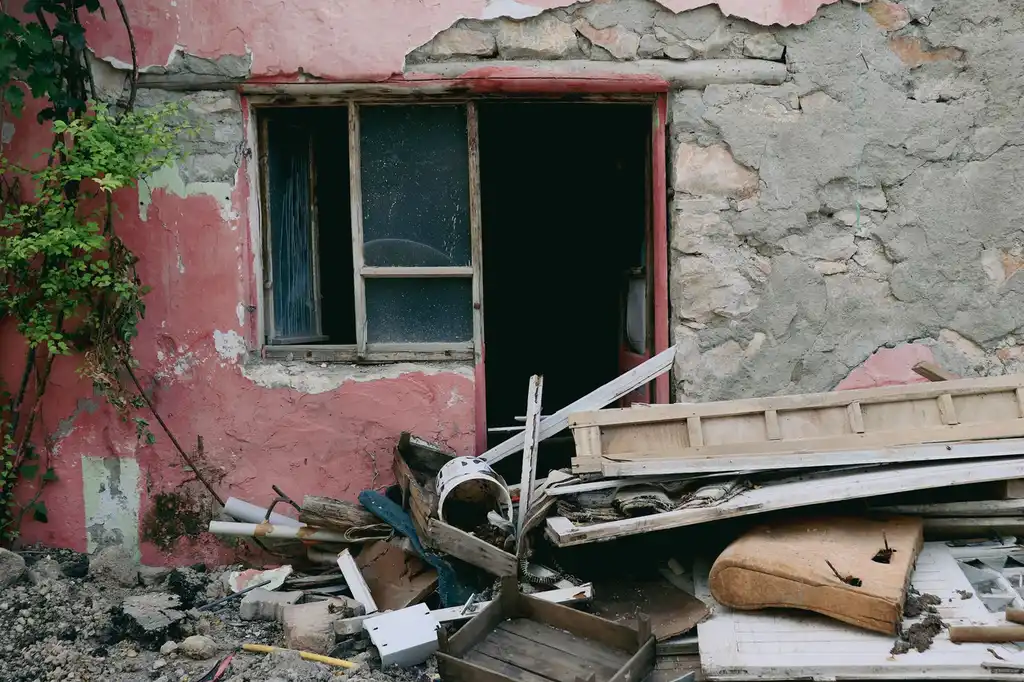
Move across a circle, or focus it and press Enter, for an illustrative thermal view of the photograph.
Pulls standing water out of carpet and pad in overlapping passes. Weighted extraction heads push down into the padding to release water the surface pass misses.
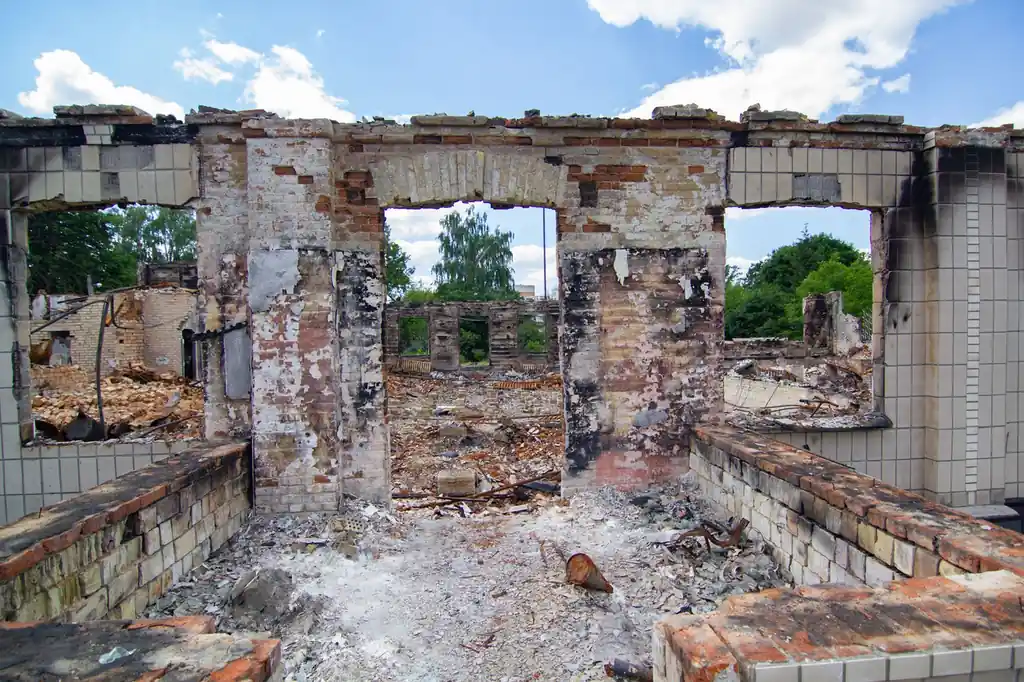
Removes moisture from the air so the carpet and pad can dry instead of re-wetting. We size the unit to the room volume and run it alongside air movers.

Moves air across the carpet surface and under the pad edge to speed evaporation. Placement matters more than count, so we reposition them as the drying front moves.
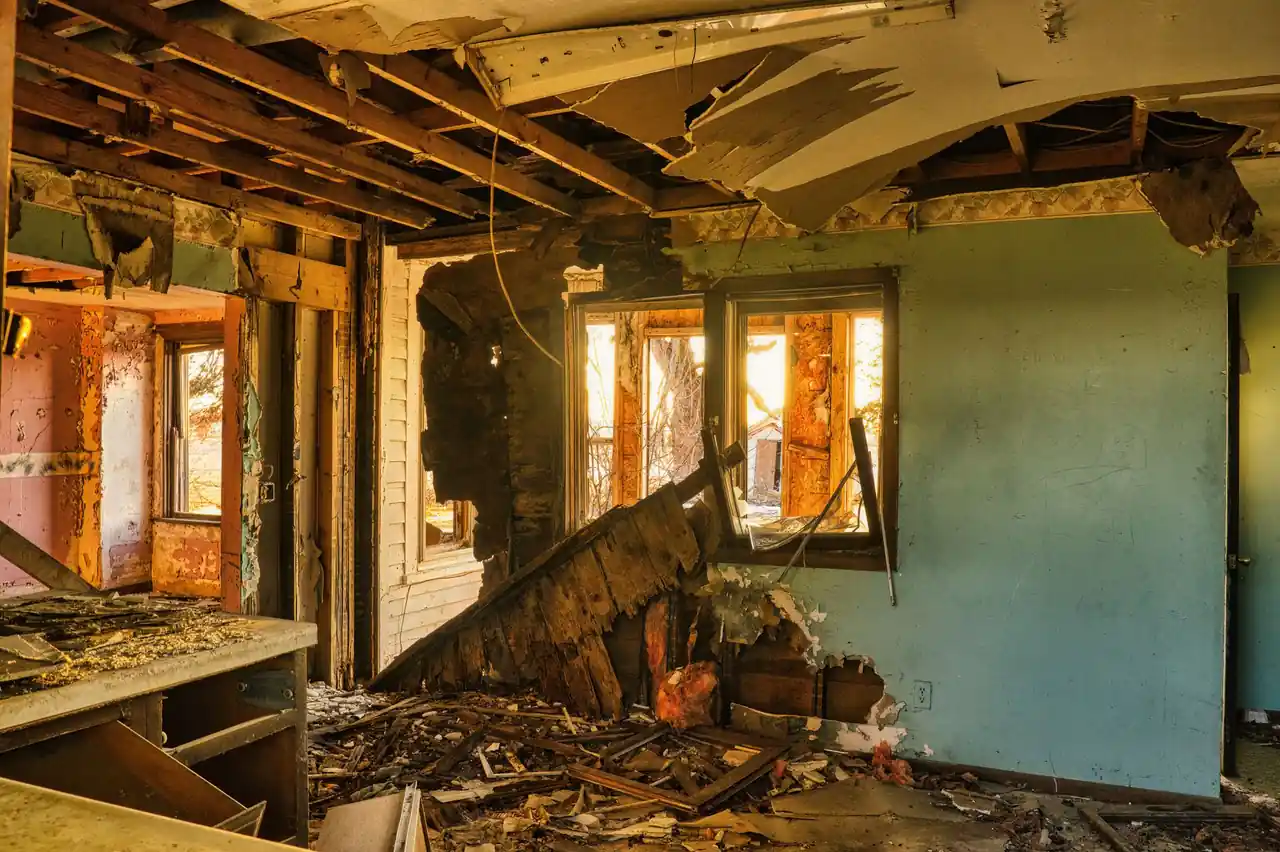
Reads moisture content in the carpet, pad and subfloor, and tracks humidity in the room. We log readings daily and do not pull equipment until the numbers hit dry standard.
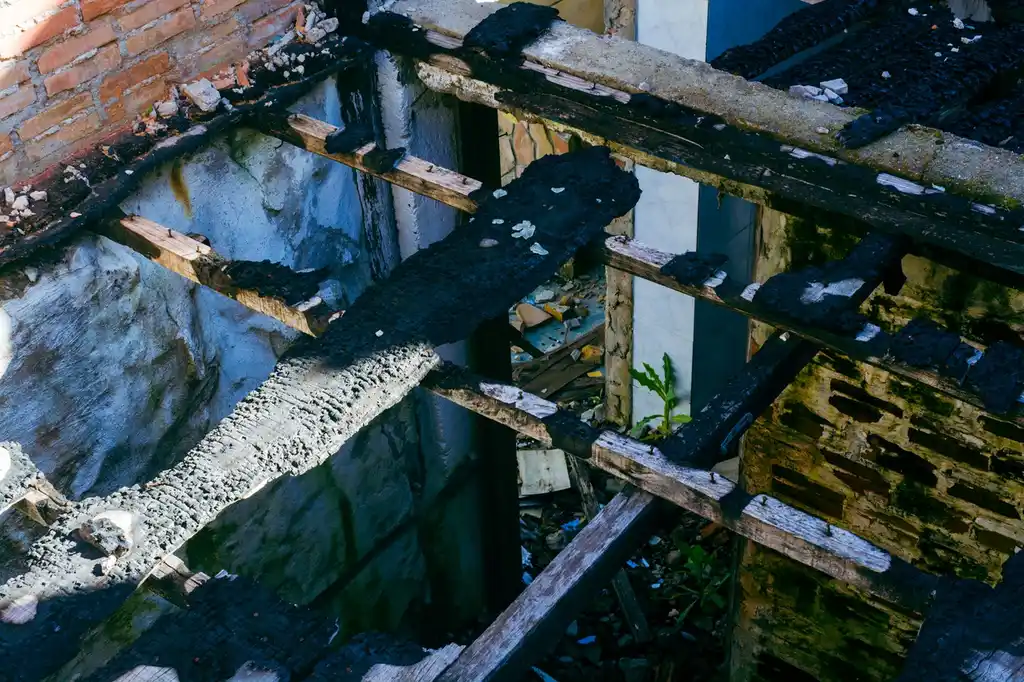
Shows the wet line under the carpet and inside the wall without cutting anything open. It is how we find water that traveled further than the visible stain suggests.
Thermal views are illustrative, generated from the photographs.
A small camera that goes into the wall cavity behind the baseboard to check for hidden moisture. It tells us whether the drywall needs to be cut and dried.
Clears musty odor at the source after the carpet is dry. The ozone generator treats the room, and the HEPA vacuum pulls spores and debris off the surfaces.
We follow the IICRC S500 standard for water damage restoration, which sets the dry standard for carpet, pad and subfloor. That means daily moisture readings, documented equipment placement and a defined endpoint instead of a guess about when the carpet is dry.
We classify the water as Category 1, 2 or 3 before we start. Clean-water leaks let us dry the pad in place, while sewage backup or storm flooding means the pad and often the carpet have to come out. The category drives the whole scope.
We run the extraction unit in overlapping passes with a weighted head, then repeat at a different angle. That releases water trapped deep in the pad that a single surface pass leaves behind, which shortens the drying time by a day or more.
We record moisture meter and hygrometer readings every day and photograph the equipment setup. The log shows when the carpet and pad hit dry standard and gives your insurance adjuster the documentation needed to close the claim.
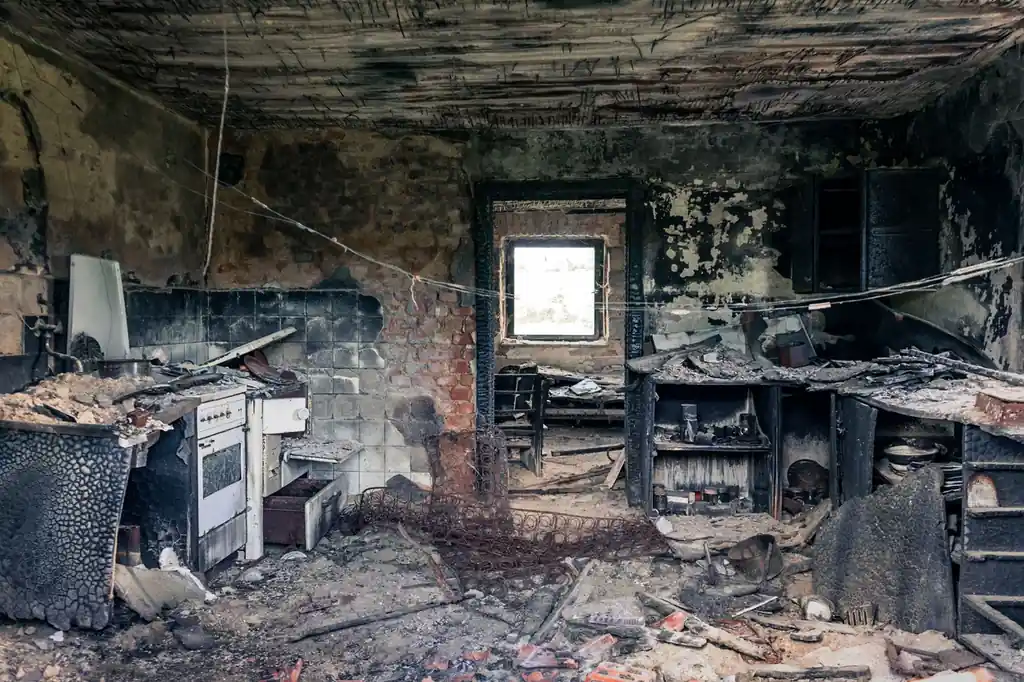
A pipe bursts behind a kitchen wall in a Fishtown rowhome at 2 a.m. and water spreads under the carpet in the dining room.
We shut the supply, extract the standing water with a water extraction unit, and map how far it traveled with a thermal imaging camera. Dehumidifier and air mover arrays go in the same visit, and we check the wall cavity with a boroscope.
Outcome: The carpet and pad hit dry standard in 2 to 3 days, and the hidden wall moisture is caught before mold starts.
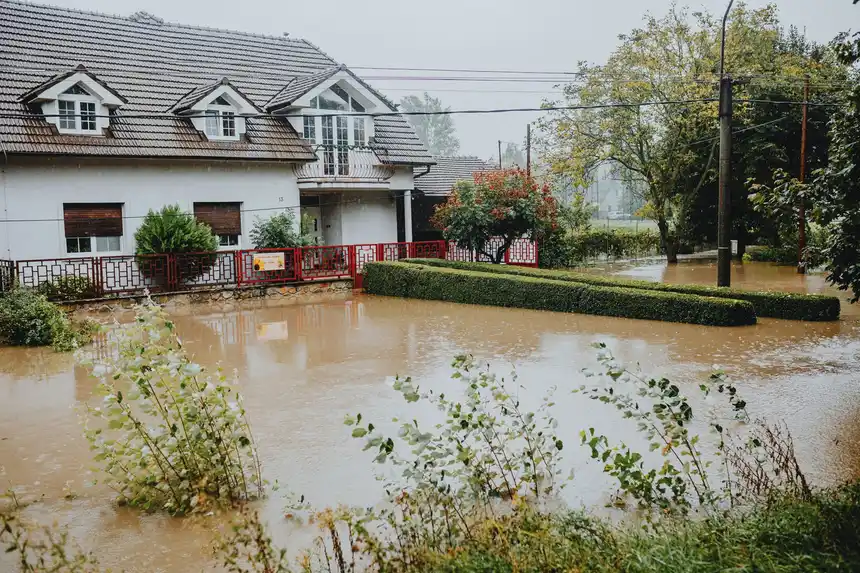
A sump pump fails during a heavy Philadelphia rainstorm and the basement carpet is soaked wall to wall.
We pump the standing water, extract the carpet and pad, and dry the slab underneath with a commercial dehumidifier. The baseboard and drywall get checked for wicking before we call the job done.
Outcome: Most basements are dry in 3 to 4 days, and we flag what caused the sump failure so it does not repeat next storm.
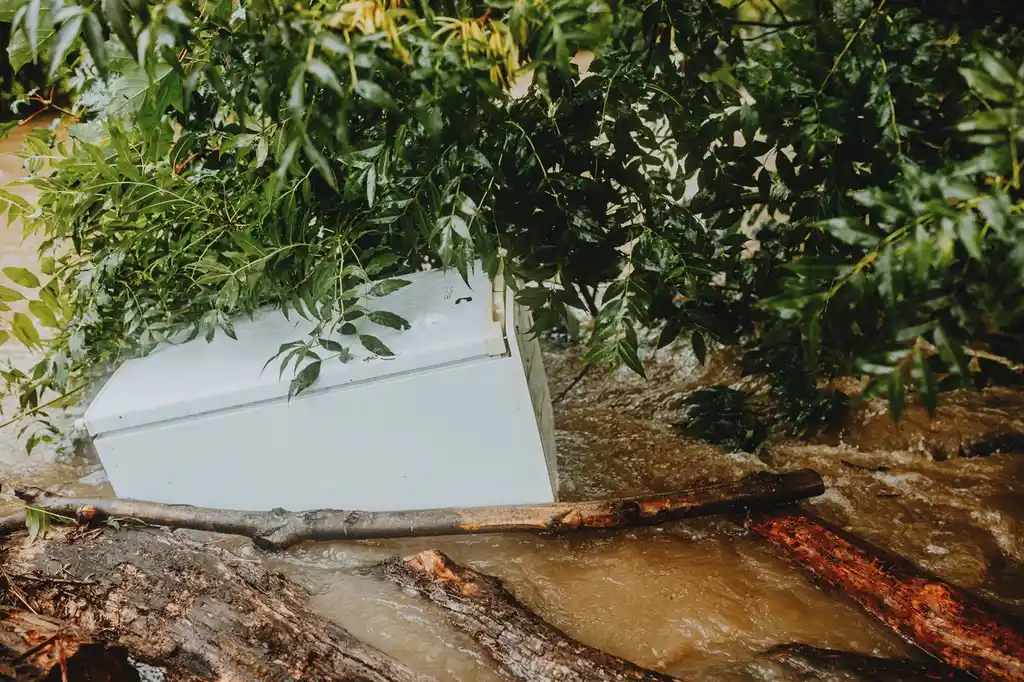
A water heater in a Roxborough basement lets go overnight and soaks the carpet in the hallway and utility room.
We shut the supply, extract the carpet water, dry the pad in place and treat it with antimicrobial solution. An ozone generator clears the musty smell, and we check the drywall behind the unit for moisture.
Outcome: The pad is saved, the smell is gone, and the drying log gives the homeowner a clean record for the insurance claim.
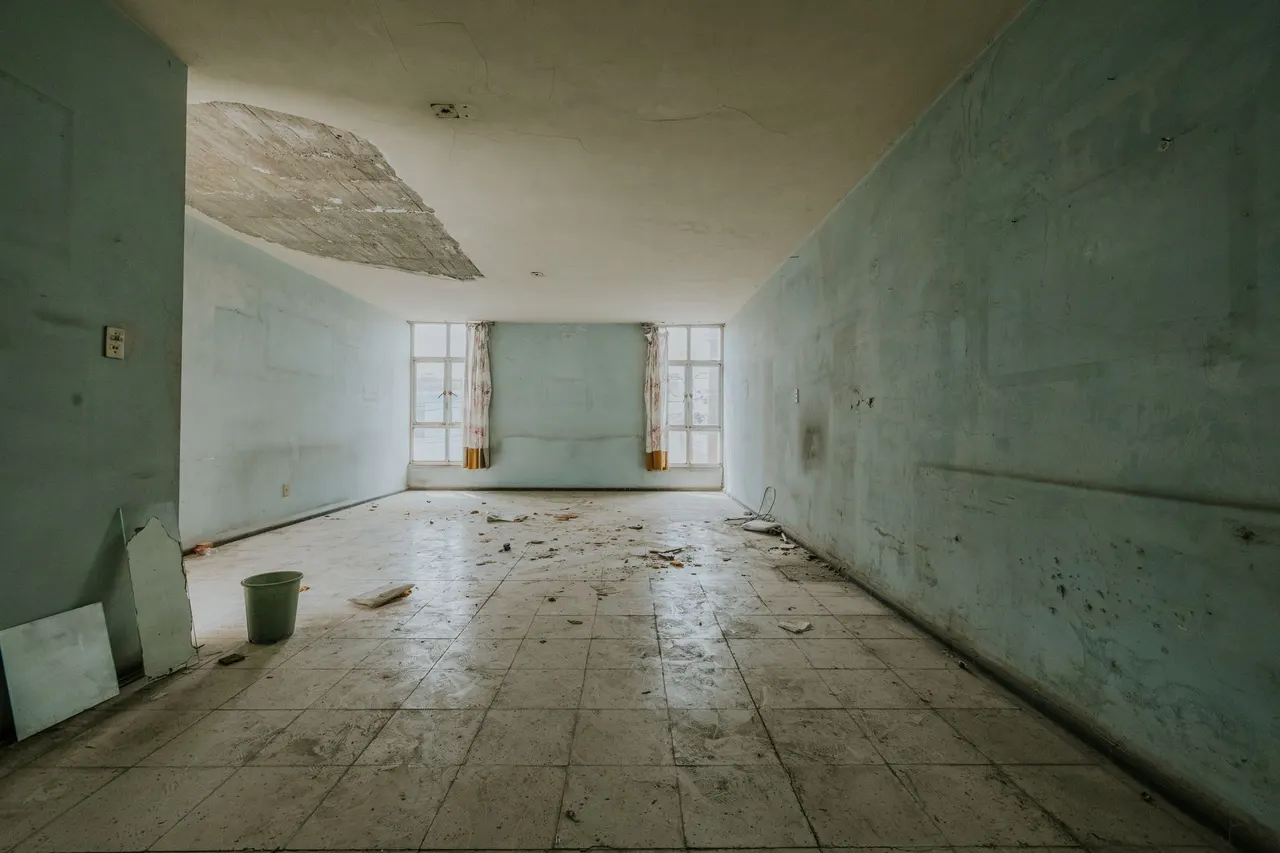
A toilet supply line leaks in a University City apartment and soaks the carpet in the hallway and bedroom next door.
We extract the carpet water, dry the pad and subfloor, and treat with antimicrobial solution because of the contamination risk. The property manager gets daily moisture readings and an Xactimate scope for the claim.
Outcome: Tenants are back in the unit in about four days, and the adjuster closes the claim without a second inspection.

Philadelphia rowhomes and twins dry differently than a suburban house, and that changes how we run carpet water extraction and drying in Philadelphia, Pennsylvania. Most of the housing stock is older, with original hardwood under the carpet, plaster walls and narrow stairwells that limit airflow.
A wet carpet in a Fishtown rowhome can stall out because the room cannot breathe, so we position air movers to push air up the stairwell and out. Basements flood often here after heavy rain, and sump pump failure is one of our most common calls. We check the subfloor with a moisture meter before we set equipment, because water that wicks into old hardwood can cup the boards if it is not dried fast.
Winter brings burst pipes in unheated rear additions, and spring storms push water through roof leaks and foundation seepage.

Before: A supply line burst behind the kitchen wall overnight and soaked the dining room carpet wall to wall. The pad was saturated, the baseboard was wet, and the homeowner could smell mildew by morning. The carpet read wet 12 feet past the visible stain.
After: We extracted 18 gallons of standing water, dried the pad in place and treated it with antimicrobial solution. The moisture meter read dry standard on day three, and the baseboard and drywall checked dry before we packed up. No tear-out was needed.
Keep the cabinet under the sink clear so you can see a drip early, and check the supply line fittings once a year. If the carpet feels damp after a leak, call before the 48-hour mold window closes.
Before: A sump pump failed during a spring storm and flooded a finished basement with carpet wall to wall. Standing water sat about an inch deep, and the pad was soaked through. The homeowner called after the water had been sitting for about 10 hours.
After: We pumped and extracted the standing water, dried the carpet and pad with dehumidifier and air mover arrays, and checked the slab and baseboard for moisture. The basement hit dry standard in four days, and the pad was saved.
Test the sump pump before every storm season and keep a battery backup on the float. If the basement floods again, call within the first few hours to keep the pad from needing replacement.
Before: A toilet supply line leaked in an upstairs apartment and soaked the carpet in the hallway and bedroom below. The property manager found it the next morning, with the pad wet and a musty smell starting. The ceiling drywall was also damp.
After: We extracted the carpet water, dried the pad and subfloor, treated with antimicrobial solution and ran an ozone generator for the odor. The ceiling drywall was cut and dried in the same visit. Tenants were back in the unit in four days.
Check the toilet supply line and shutoff valve at move-in and once a year after that. Report any ceiling stain to the property manager right away, even if the carpet feels dry.
Carpet hides water better than any other surface in the house, which is why most Philadelphia homeowners do not realize how far the moisture spread until the smell starts. These are the problems we run into most.
Dry carpet, saved pad and a documented job for your claim.
Mold growth in carpet padding can begin within 24 to 48 hours of a leak. We extract, treat with antimicrobial solution and dry the pad and subfloor in one visit, which cuts the odds of a tear-out and a mold remediation bill later. Most Philadelphia jobs we dry in 2 to 3 days.
If the pad is clean-water wet and still intact, we dry it in place with a drying mat and air movers instead of ripping it out. That saves you the cost of new padding and the labor to re-stretch the carpet. Sewage backup or Category 3 water changes that call, and we tell you straight.
Wet carpet smells because bacteria and mildew are feeding in the backing. We pull the water, dry the fibers, then run an ozone generator or HEPA vacuum pass to clear the smell. Same-day carpet drying Philadelphia PA keeps that musty smell from settling into the room.
We photograph the wet line, log moisture readings and write the drying report in Xactimate format so your adjuster sees the scope clearly. That documentation is the difference between a covered claim and a fight. We have been doing this in Philadelphia County since 2015.
What a written scope covers and what shapes it. Prices are set by the business after the first look.
Included
Depends on
Clear records you can keep and share.
Daily moisture and humidity readings
Wet line and equipment setup
Xactimate format for your adjuster
Where water traveled under carpet
The source of the water decides whether the pad can be dried in place or has to come out.
From a supply line or appliance
From a drain or washing machine
From sewage or storm flooding
A list like this tells people straight away whether you cover their street. Not listed? Call and ask: it only takes a minute.
Based in Philadelphia and covering the places around it. Pick one for local details.
Clean-water extraction is cheaper than sewage backup cleanup because the pad can often be dried in place. We give you a written scope before we start, and we bill your insurance directly when the claim covers it.
Water Damage Restoration Philly does carpet water removal in Philadelphia, Pennsylvania, along with structural drying, dehumidification and mold remediation. We have been serving Philadelphia County since 2015 and carry IICRC WRT and IICRC ASD credentials. We cover Center City, Fishtown, Roxborough, Northeast Philadelphia and the surrounding neighborhoods, and we document every job in Xactimate for your adjuster.
Most carpet in a Philadelphia home dries in 2 to 3 days with commercial dehumidifier and air mover arrays running continuously. Thick pad, a wet subfloor or a rowhome with poor airflow can push it to 4 or 5 days. We check a moisture meter daily and do not pull equipment until the carpet and pad hit dry standard, which we log for you and your insurance company.
Clean-water wet padding can often be dried in place with a drying mat and air movers, which saves you the cost of new pad and re-stretching. Sewage backup, Category 3 water or pad that has been wet more than 48 hours usually has to come out. We check with a moisture meter and a boroscope, then tell you straight which way your job goes.
Other services from the same team.
Carpet padding starts growing mold in 24 to 48 hours, so the sooner we extract, the more of your carpet and pad we save. We have served Philadelphia County since 2015 and document every job for your insurance claim. Call 215-281-3000 and we roll.
Call 215-281-3000 any time, day or night. We answer live, ask what happened, and dispatch a crew. If you prefer email, send photos and your address to [email protected] and we'll respond within the hour. Most Philadelphia calls get a technician on-site within 60 to 90 minutes.