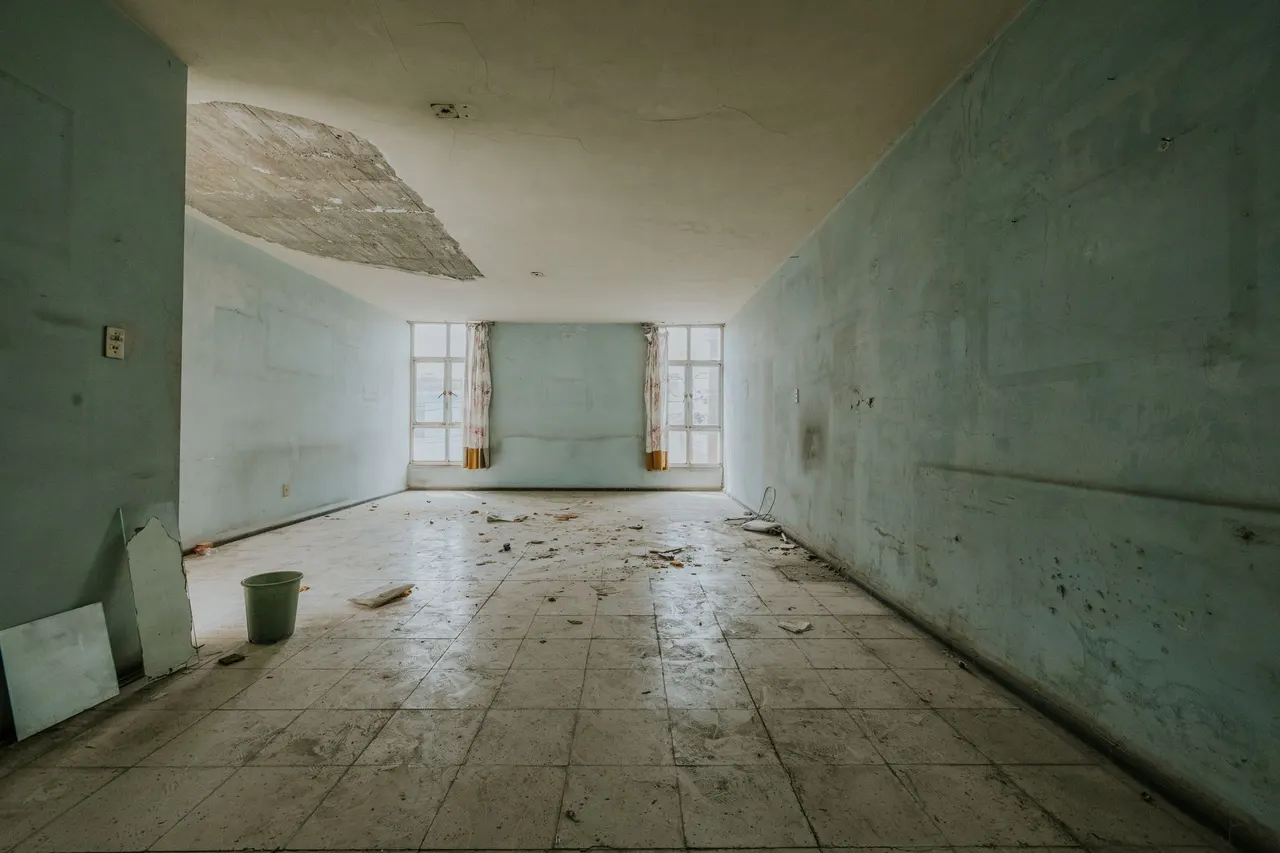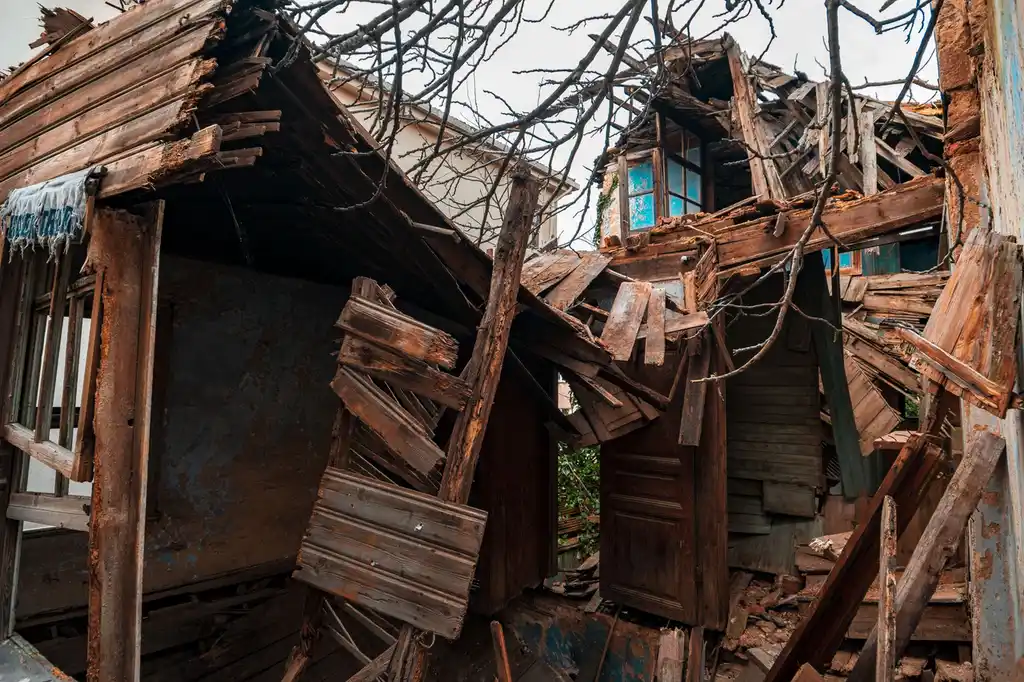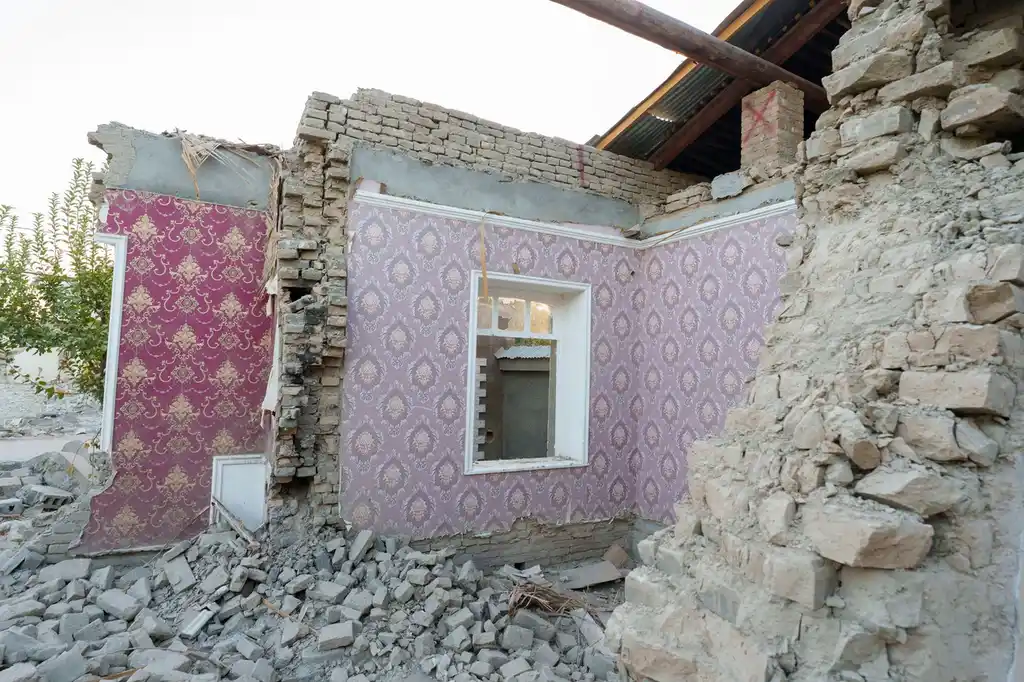
For homes and rentals
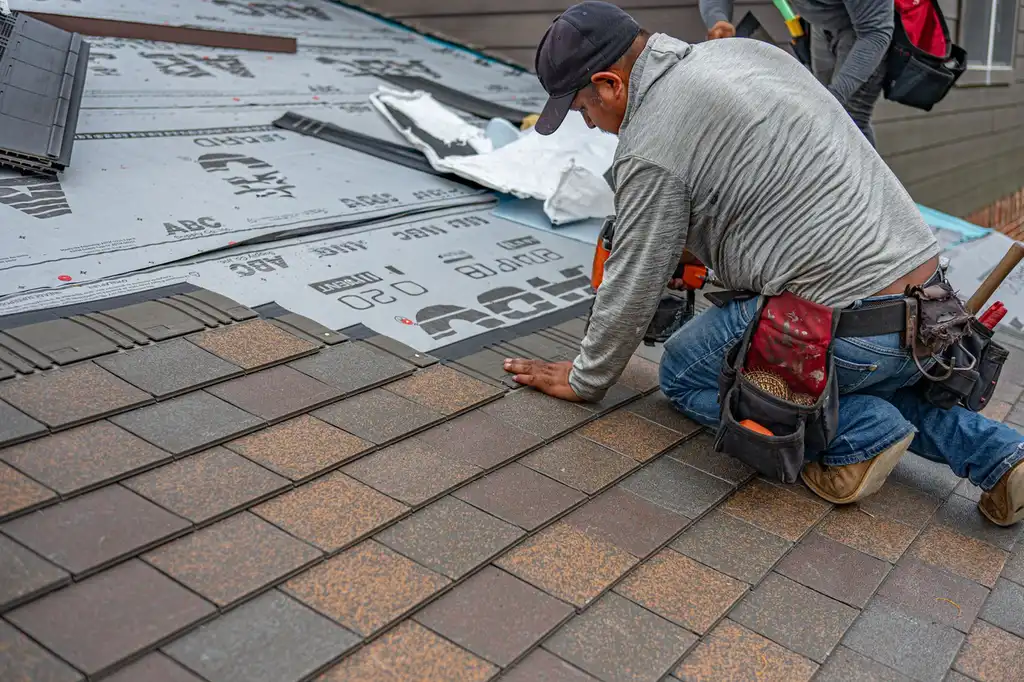
We dry the wall cavity before hanging new board in your home. You get a clean finish that blends with the rest of the room.
- Ceiling stains from roof leaks
- Burst pipe behind a cabinet
- Basement wall wicking water
When a burst pipe or roof leak soaks your walls, drywall water damage repair Philadelphia PA has to start before mold sets in. We cut out the wet sections, dry the framing, and hang new board that matches your existing finish. Homeowners across Philadelphia County call us because we handle the whole job, from water extraction to the final coat of compound.
 Moisture mappedCavity driedFinish matched
Every job starts with an assessment and ends with a finished wall. Here is what comes standard, and what we add when the damage calls for it.
We use a moisture meter, hygrometer, and thermal imaging camera to find every wet section before we cut. Readings get marked on the wall so you can see the wet zone.
Standing water comes out with a water extraction unit. Commercial dehumidifiers and air movers then run until the cavity reads dry, usually 2 to 4 days.
We cut back to dry material, usually 12 to 24 inches past the stain, and bag everything for haul-away. Insulation and baseboard come out if they are wet.
The exposed cavity gets treated with antimicrobial solution before new board goes up. This step stops mold from growing behind the finished wall.
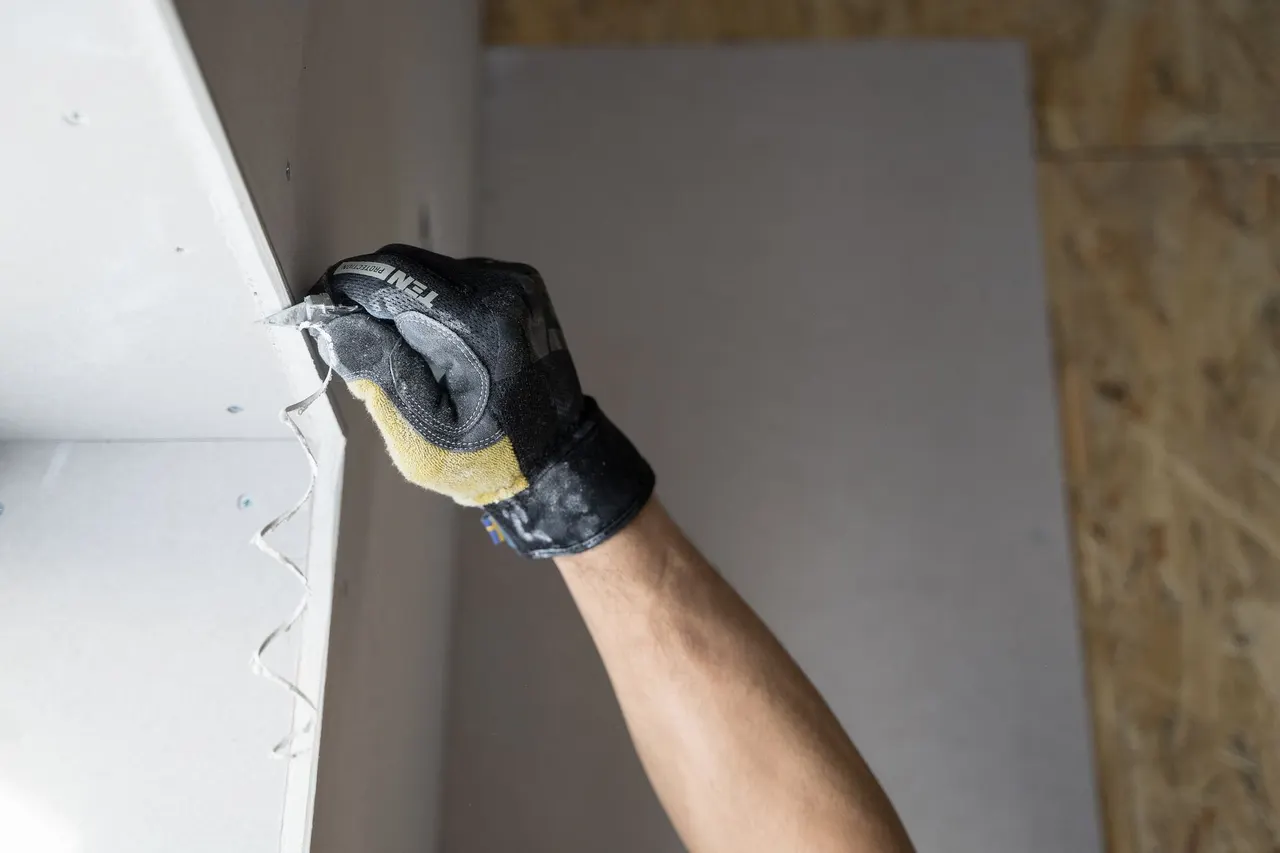
We hang mold-resistant drywall where it matters, tape the seams, feather compound, sand, and prime. The finished wall blends with the rest of the room.
Photos, moisture logs, and an Xactimate scope go to your adjuster. That package is what gets a claim approved without a second inspection.
The approach is the same for a home and a business. What changes is the access, the schedule and who needs the paperwork.
We dry the wall cavity before hanging new board in your home. You get a clean finish that blends with the rest of the room.
We repair water-damaged drywall in offices, retail, and multi-unit buildings. Work is scheduled around your operating hours.
A plain-language look at what Drywall Water Damage Repair involves and when it is needed.
See how it worksDrywall water damage repair Philadelphia PA is the process of removing soaked drywall, drying the framing and cavity behind it, and installing new board that matches the original wall. Water wicks up paper facing fast, so a small ceiling leak can soften a 4-foot section within 24 hours. We use moisture meters and a thermal imaging camera to map exactly how far the damage travels before we cut anything.
Philadelphia's rowhouse stock makes this trickier than a suburban ranch. Shared walls, plaster-and-lath construction, and finished basements mean water from a roof leak or sewage backup often spreads sideways through a party wall. If you search for drywall water damage repair near me Philadelphia, you want a crew that knows how these older homes drain and where moisture hides behind baseboard and insulation.
Dry the cavity first, then rebuild the wall so the repair lasts.
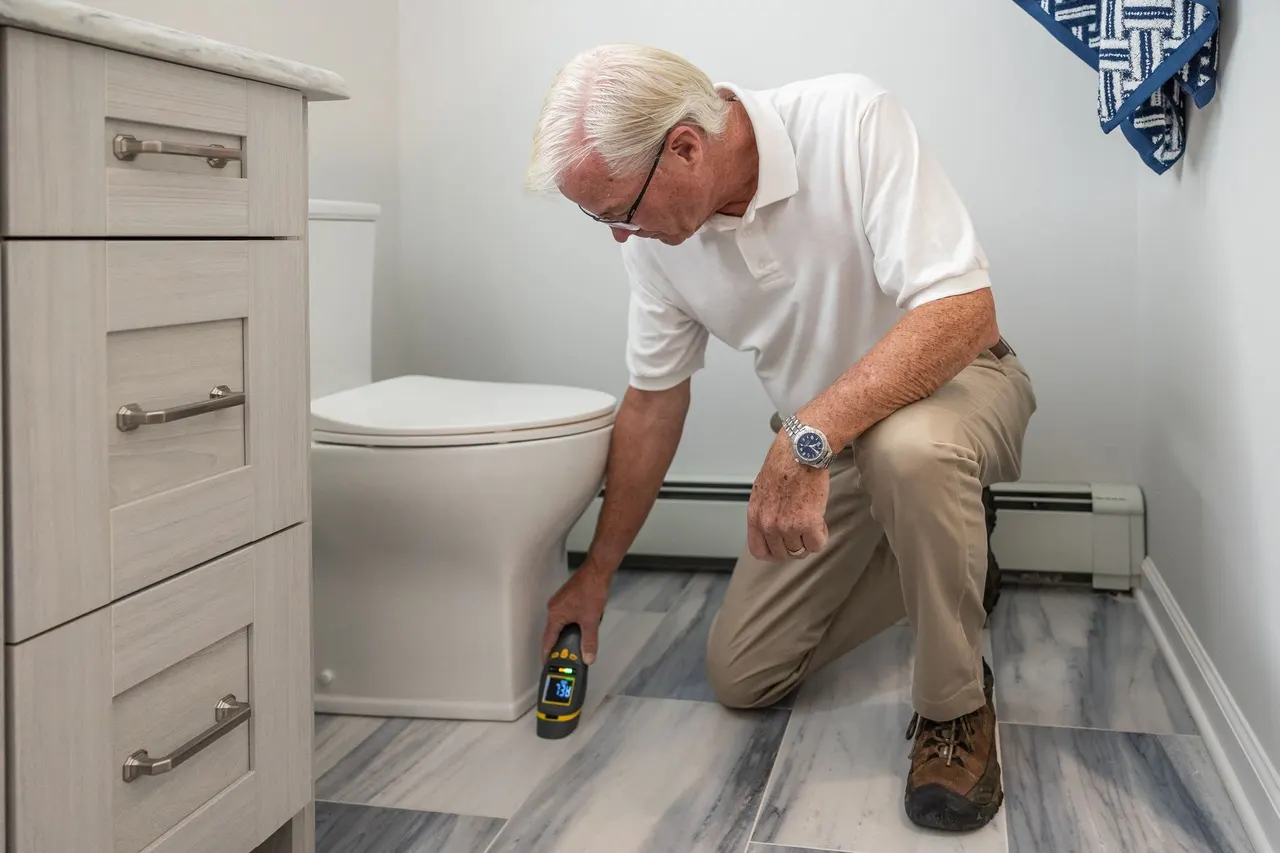
Every job follows the same five steps. You will know what is happening and why at each stage.
We walk the room with a moisture meter, hygrometer, and thermal imaging camera. Readings get marked on the wall so you can see the wet zone. This takes 20 to 30 minutes and tells us exactly where to cut.
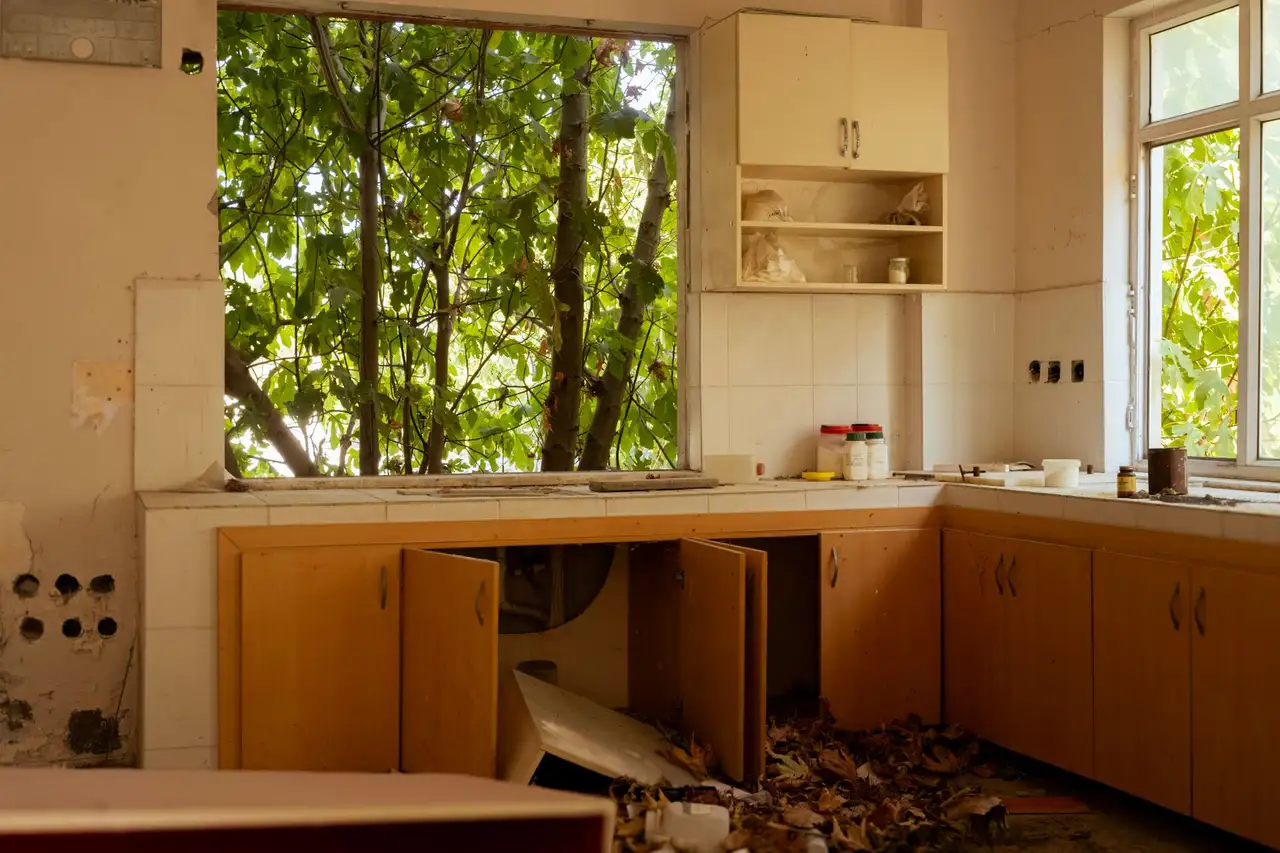
Standing water comes out with a water extraction unit and wet/dry vacuum. Then commercial dehumidifiers and air movers run continuously. You will hear them, and that is the point. Drying typically takes 2 to 4 days depending on wall thickness.
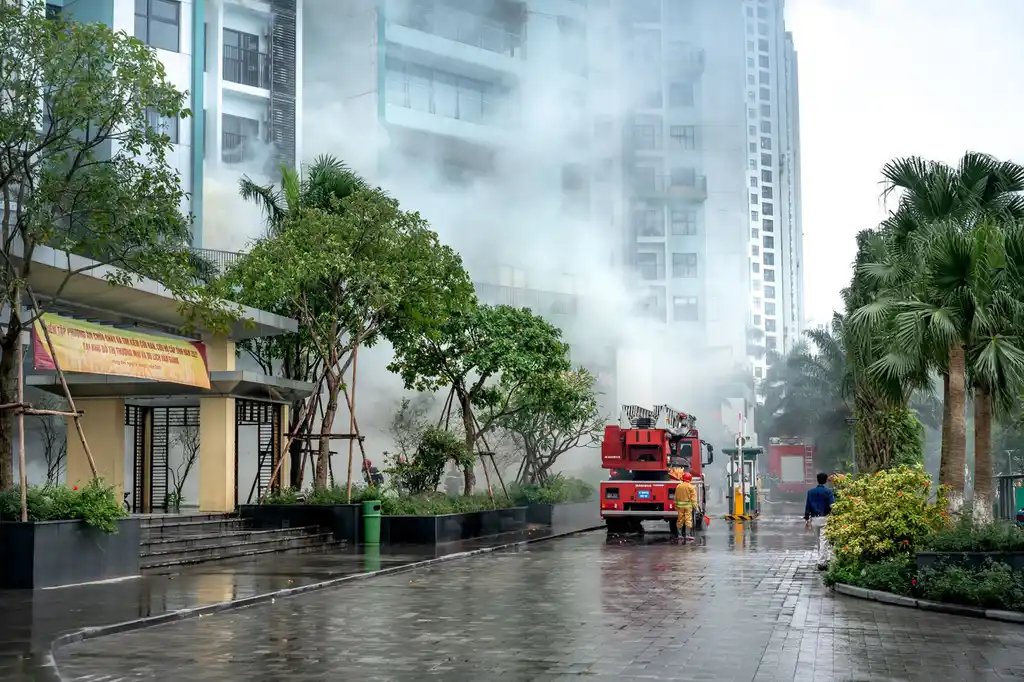
We cut the drywall back to dry material, usually 12 to 24 inches past the visible stain. Insulation and baseboard come out if they are wet. Everything gets bagged and hauled away, and we treat the cavity with antimicrobial solution.
New drywall goes up, seams get taped, and compound is feathered wide enough to disappear under paint. We use mold-resistant drywall in basements and bathrooms. Sanding and priming finish the job, usually within 1 to 2 days after the cavity is dry.
We take a last set of moisture readings and photograph the finished wall. You get the drying log and photo report for your records or your insurance claim. If anything reads high, we keep the equipment running at no extra charge.
Move across a circle, or focus it and press Enter, for an illustrative thermal view of the photograph.
Finds wet drywall behind paint and wallpaper without tearing the wall open. We use it to map the exact boundary of the damage before cutting.
Reads moisture content in drywall and framing, and tracks humidity in the room. We log readings daily until the cavity hits the dry standard.
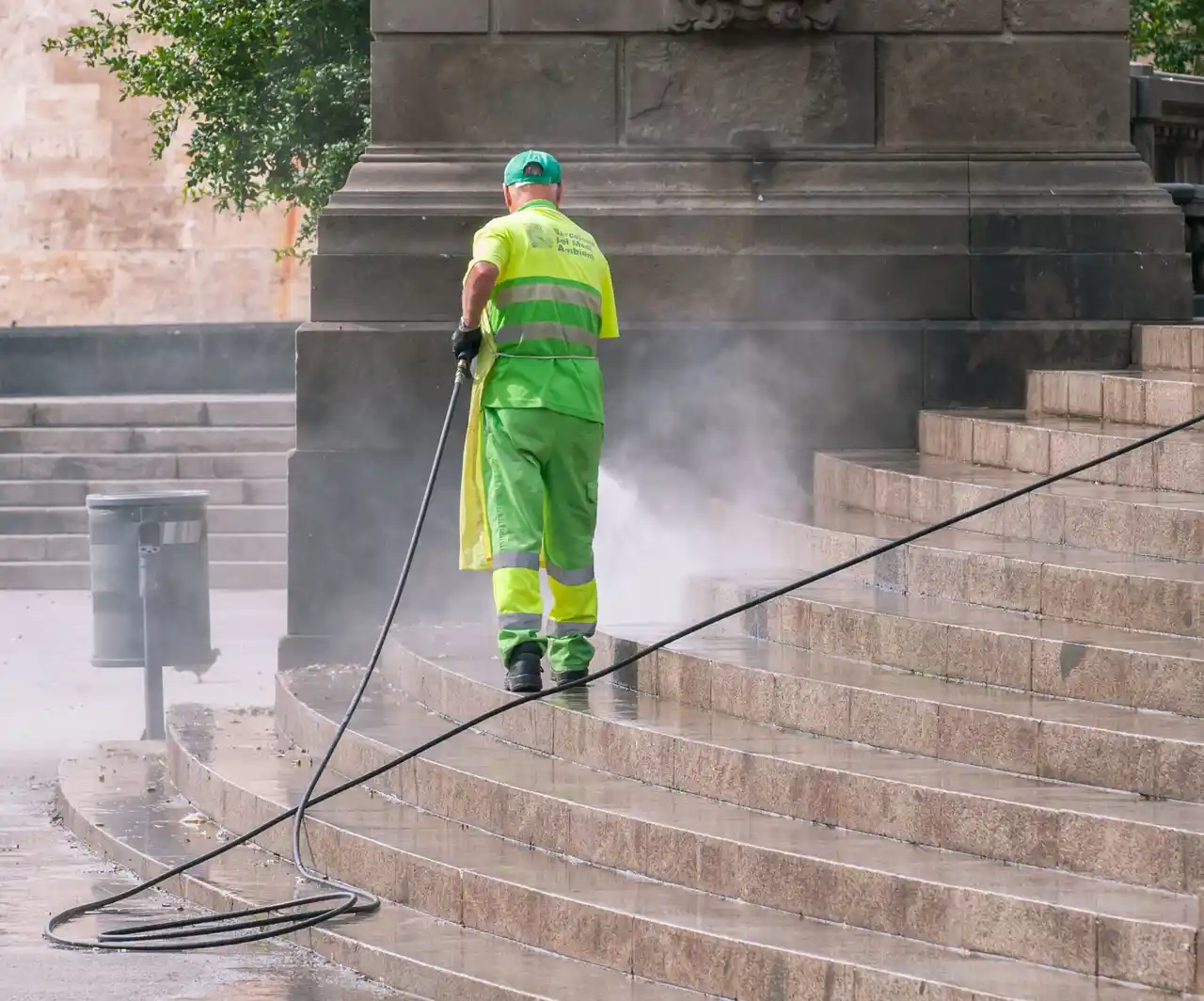
Pulls moisture out of the air so the wall cavity can dry. These units run continuously for 2 to 4 days on a typical job.
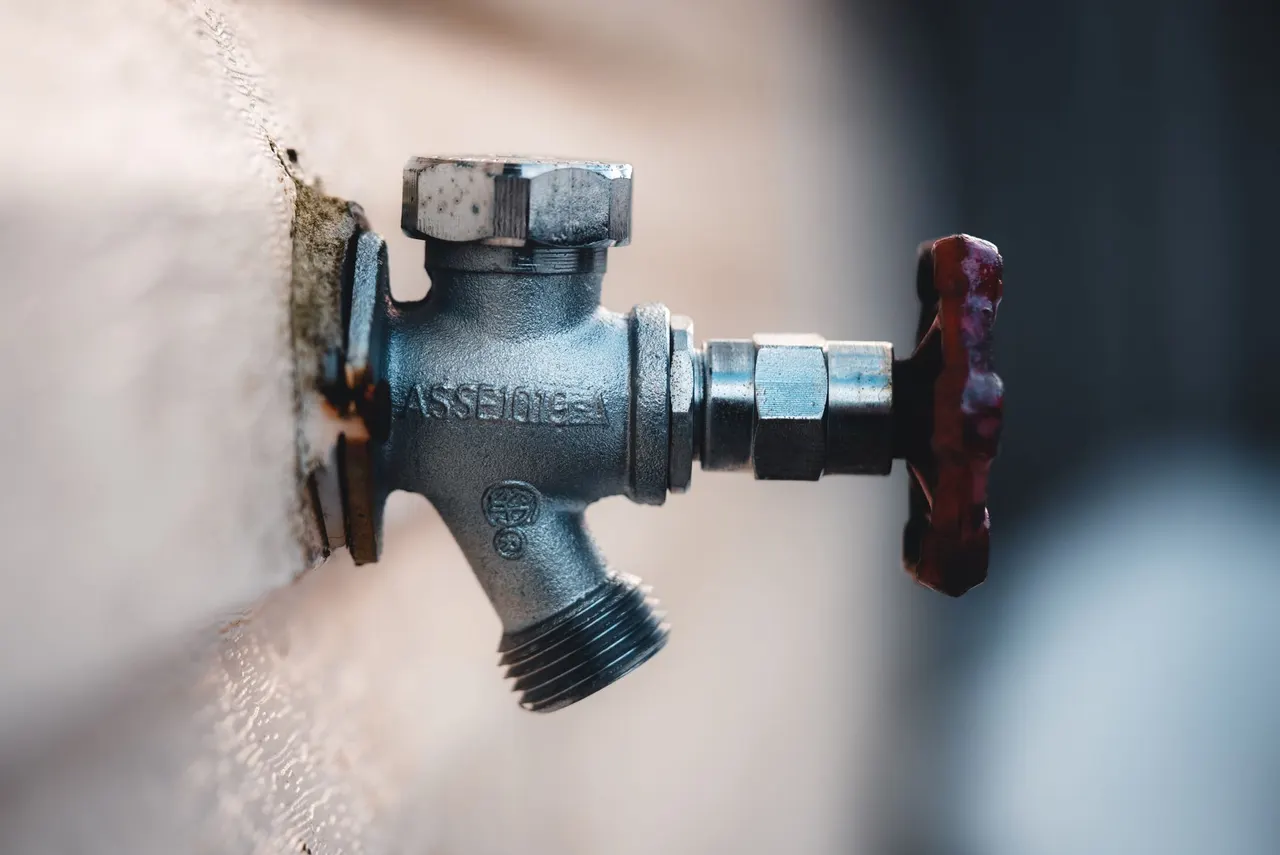
Circulates air across the exposed framing and drywall edges to speed evaporation. We position them to reach inside the wall cavity, not just the room.
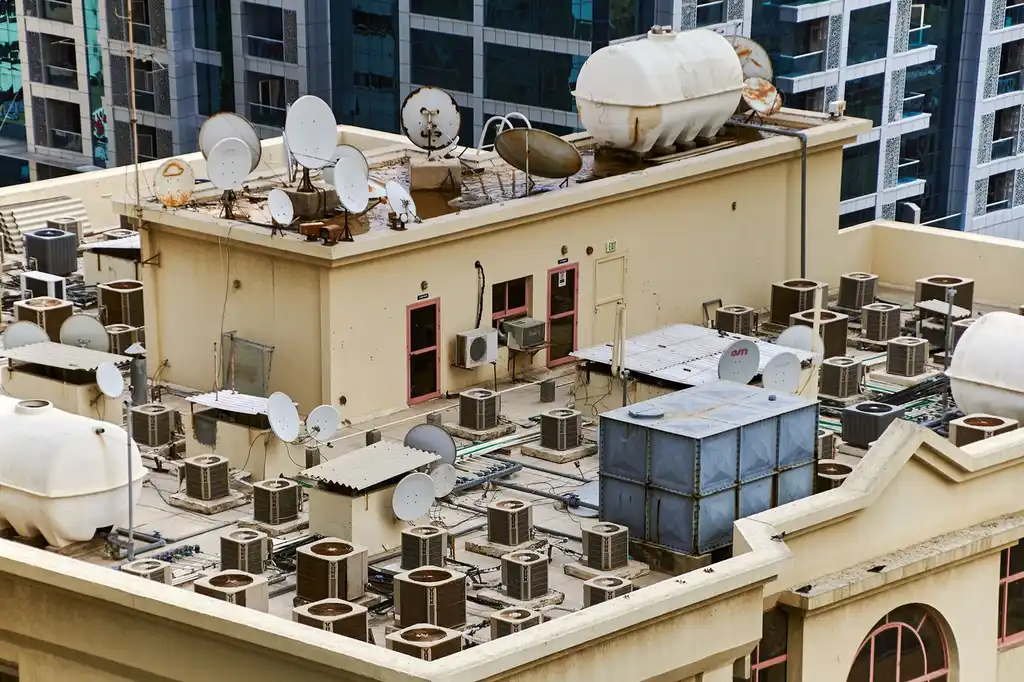
Removes standing water from floors and carpet before drying begins. Getting the bulk water out first cuts drying time significantly.
Thermal views are illustrative, generated from the photographs.
Lets us look inside a closed wall cavity without a full tear-out. We use it to check insulation and framing when the surface looks dry but the meter says otherwise.
Removes musty odors after a drywall tear-out and captures fine dust before the rebuild. We run them after demolition and before new board goes up.
The industry standard for water damage restoration. It sets the drying targets, documentation requirements, and moisture readings we follow on every drywall job.
We mark the wet zone on the wall with readings from a moisture meter and thermal camera. That map decides where we cut, so we remove only the drywall that has to go.
New drywall does not go up until the framing reads within the dry standard for its material. We check with a moisture meter and hygrometer, and we keep drying if the numbers are high.
We write the repair scope in the same software most insurance adjusters use. Line items, photos, and moisture logs go in one package so the claim moves faster.
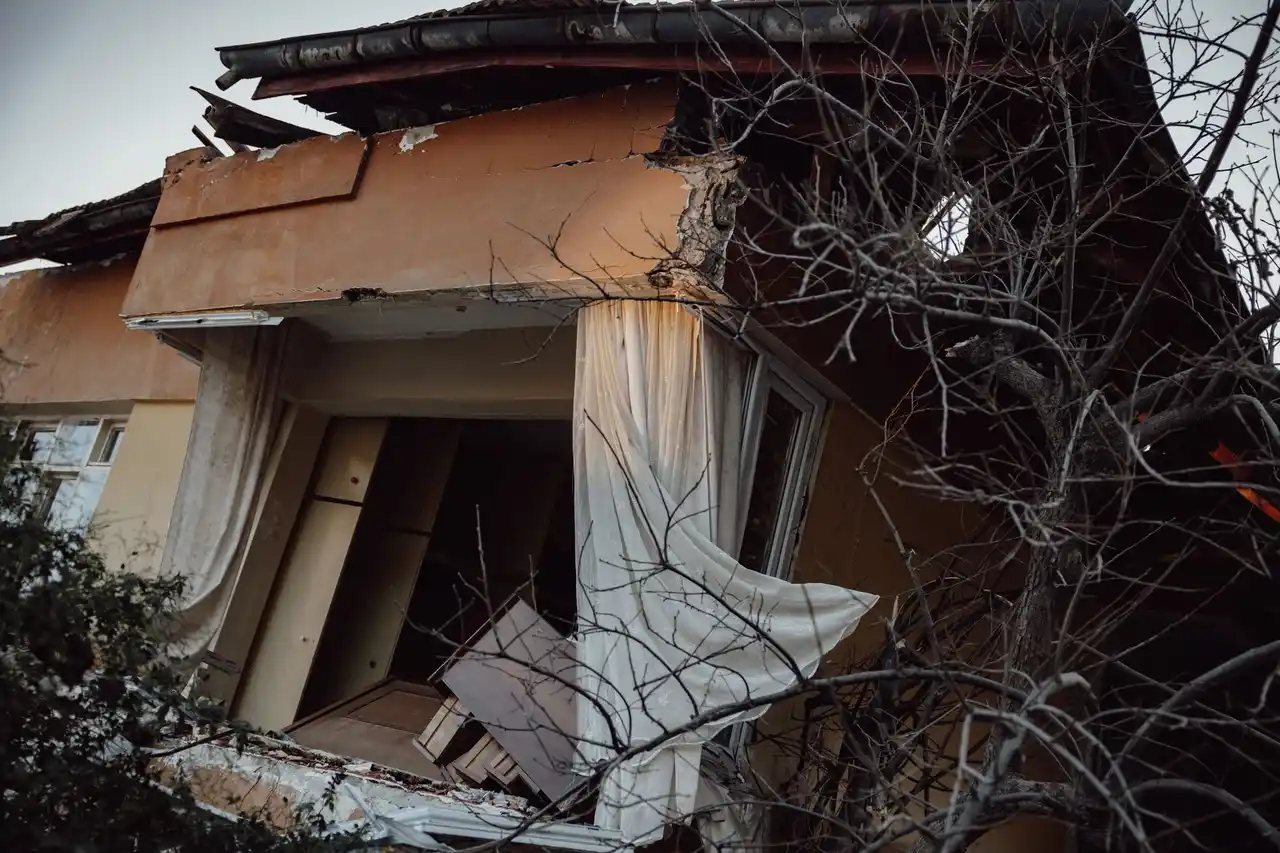
A supply line under the bathroom sink let go and soaked the wall behind the vanity in a Center City condo.
We shut off the line, extracted the water, and cut out the wet drywall behind the cabinet. A dehumidifier and air mover ran for three days before we hung new board and matched the texture.
Outcome: The wall was rebuilt in five days, the vanity went back in, and the condo passed the building's moisture inspection.
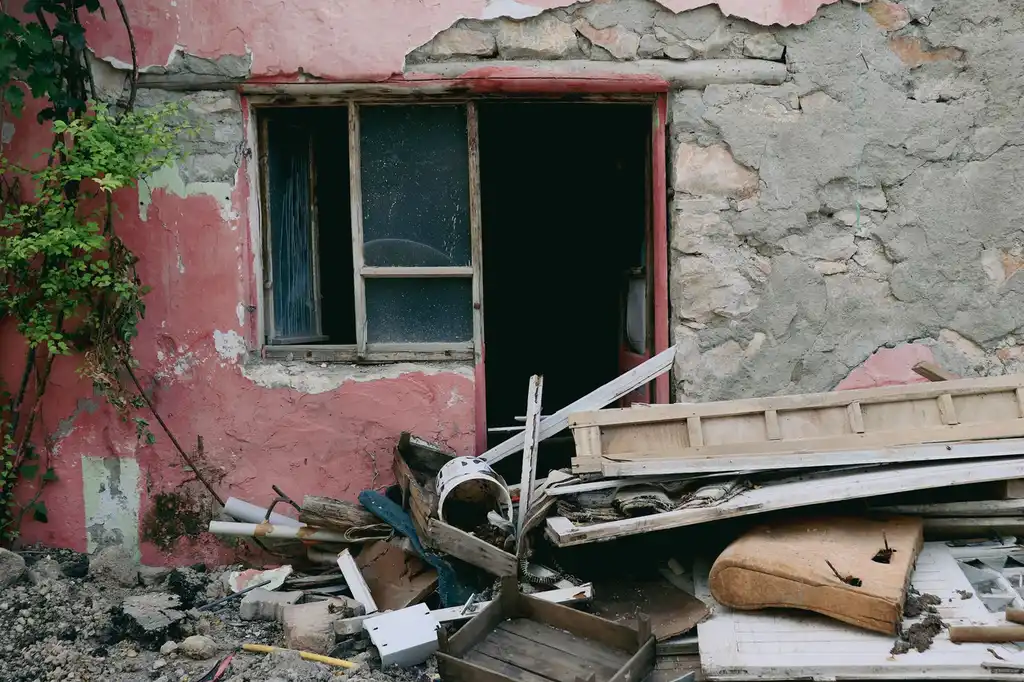
A roof leak during a fall storm soaked the ceiling drywall in a Mount Airy twin.
We tarped the roof, mapped the wet zone with a thermal camera, and removed the sagging ceiling section. After drying the joists, we installed new drywall and feathered the seams wide.
Outcome: The ceiling was finished and painted in four days. No mold appeared in the follow-up check two weeks later.
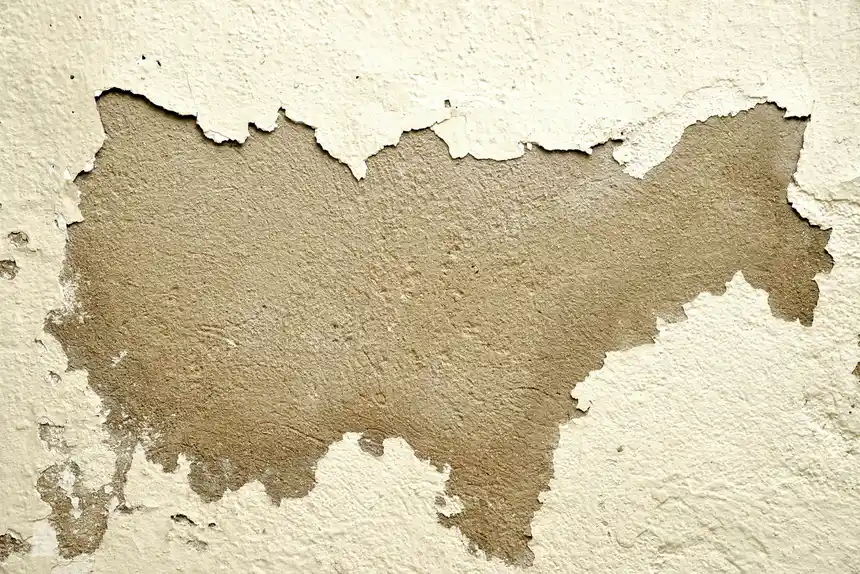
A washing machine hose burst in a Fishtown rowhouse and flooded the laundry room wall.
We extracted 15 gallons of standing water, cut the drywall 18 inches up, and dried the cavity with air movers. New mold-resistant board went up after the framing read dry.
Outcome: The laundry room was back in service in six days, and the homeowner's insurance covered the repair.
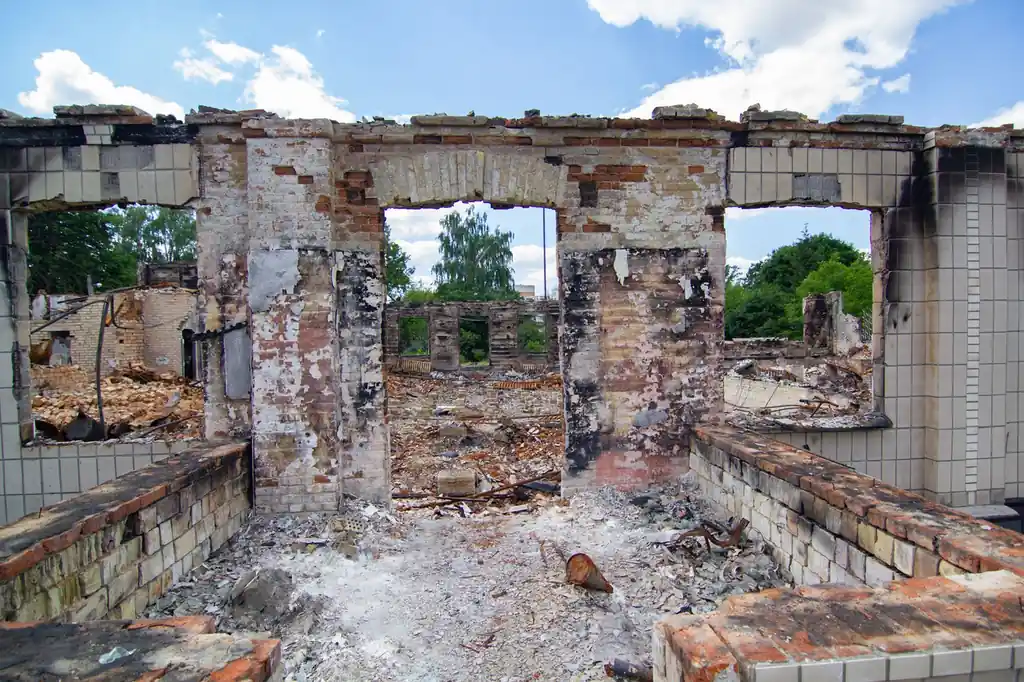
A water heater failed in a Grays Ferry basement and soaked the drywall behind it.
We removed the failed unit, extracted the water, and cut out the soaked drywall. The cavity was treated with antimicrobial solution and dried before new board was hung.
Outcome: The wall was rebuilt and painted in five days, and the new water heater was installed on a raised pan.
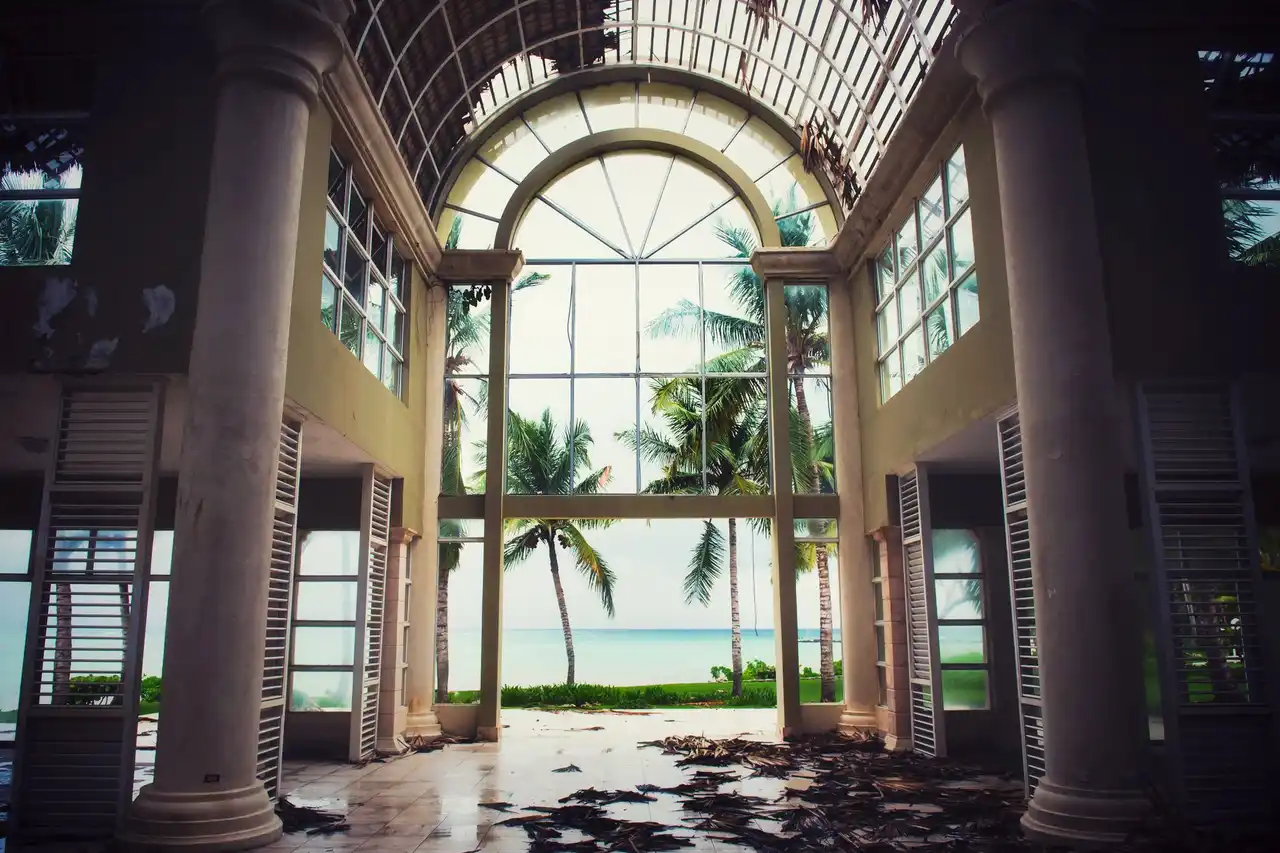
A sewage backup in a Northern Liberties commercial space soaked the lower drywall in a storage room.
We removed the contaminated board, treated the framing, and rebuilt the wall with mold-resistant drywall. Work happened after hours so the business stayed open.
Outcome: The storage room was back in use in three days, and the tenant's insurance claim was approved with our documentation.
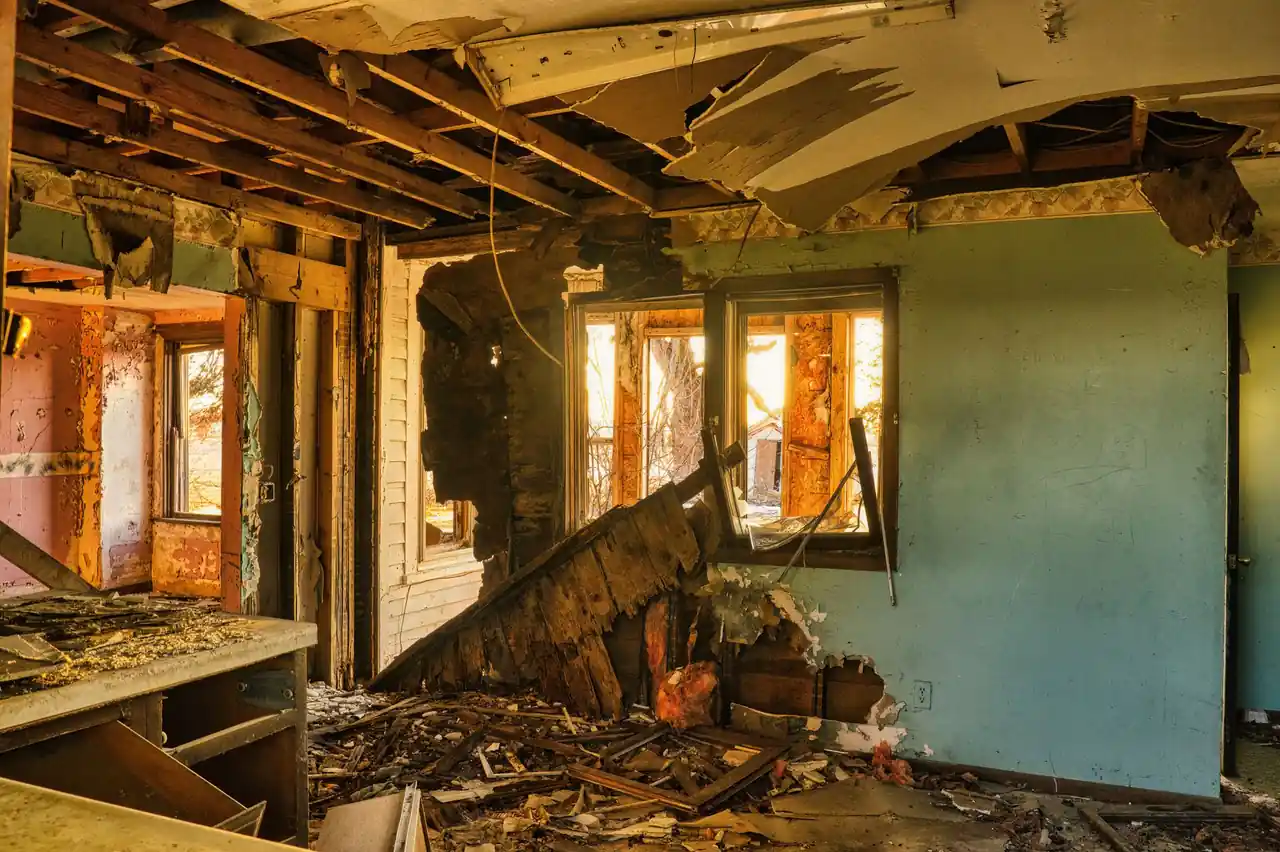
Philadelphia's housing stock changes how this work gets done. Most of the city is rowhouses and twins built before 1950, many with plaster-and-lath walls instead of modern drywall. Plaster holds water longer and releases it slower, so drying times run toward the high end of the 2-to-4-day range. Shared party walls mean a leak in one unit can soak the neighbor's wall, and we have to coordinate access on both sides.
Older homes also carry lead paint, so we follow EPA Lead-Safe practices when we cut into walls built before 1978. Basements are another factor. Finished basements are common in Fishtown, Kensington, and South Philadelphia, and they sit below the water table in many blocks. A sump pump failure or sewage backup soaks the bottom of the drywall fast.
We cut at the water line, dry the cavity, and rebuild with mold-resistant board. If you need emergency drywall repair Philadelphia PA on a weekend, we keep crews on call because these failures do not wait for Monday. From 19154 in the Northeast to 19102 in Center City, the approach stays the same: find the wet zone, dry it, and rebuild it right.
Before: A supply line burst above the kitchen and soaked a 6-foot section of ceiling drywall. The stain was spreading, and the board was sagging by the time we arrived. Moisture readings showed the joists were wet 18 inches past the visible damage.
After: We cut out the wet section, dried the joists for three days, and installed new ceiling drywall. The seams were feathered 16 inches and textured to match. Final moisture readings were within the dry standard.
Keep an eye on the repaired ceiling for the first month. If you see a new stain, call us before it spreads. A moisture meter check at 30 days confirms the repair is holding.
Before: A sewage backup soaked the bottom 2 feet of drywall in a finished basement. The water was contaminated, so the drywall could not be dried and saved. The framing behind it needed treatment before any rebuild.
After: We removed the affected board, treated the framing with antimicrobial solution, and rebuilt with mold-resistant drywall. The baseboard was replaced, and the wall was primed and painted. The job took five days.
Have your sump pump checked every fall before the rainy season. A backup battery on the pump prevents the same failure from happening again during a power outage.
Before: A fall storm drove rain through a failing roof flashing and soaked the ceiling drywall in a back bedroom. The stain was 3 feet across, and the plaster-and-lath construction held moisture longer than modern drywall.
After: We tarped the roof, removed the wet ceiling section, and dried the joists for four days. New drywall went up, and the texture was matched to the rest of the ceiling. The repair was painted and finished in six days.
Have the roof flashing inspected each spring. Check the attic after heavy rain for any new water stains.
Most drywall damage starts with a leak you did not see until the stain appeared. Here are the situations we handle every week.
A dry cavity and a wall that looks untouched.
We never hang new board over a wet cavity. Commercial dehumidifiers and air movers run until a moisture meter reads dry, usually 2 to 4 days. That step alone prevents the mold growth that forces a second tear-out three months later.
New drywall has to blend with the old. We feather compound 12 to 16 inches past the seam, match texture where needed, and prime before paint. Most ceilings and walls look untouched once we finish sanding.
We photograph every wet section, log moisture readings, and write the scope in Xactimate so your adjuster can process the claim without a second visit. That documentation is the difference between a covered repair and an out-of-pocket argument.
A burst pipe at 2 a.m. or a sump pump failure during a storm does not wait for business hours. Our crews roll with wet/dry vacuums and extraction units, so the drying starts the same day you call, not the next afternoon.
What a written scope covers and what shapes it. Prices are set by the business after the first look.
Included
Depends on
Clear records you can keep and share.
Daily readings from assessment to dry-out
Before, during, and after images
Line-item repair scope for your claim
Final readings and materials used
Not every wet wall needs to come out. The category of water and how long it sat decide what can be dried and what has to go.
From a supply line or rain leak
From a washing machine or tub
From sewage or floodwater
A list like this tells people straight away whether you cover their street. Not listed? Call and ask: it only takes a minute.
Based in Philadelphia and covering the places around it. Pick one for local details.
A finished basement with 40 feet of wet wall, insulation replacement, and three days of drying pushes toward the top of that range. Insurance often covers the bulk of it when the cause is a burst pipe or appliance leak.
Water Damage Restoration Philly handles drywall repair as part of full water damage restoration. You can reach us at 215-281-3000 for a same-day assessment.
Yes, in most cases. Sudden events like a burst pipe, water heater failure, or appliance leak are typically covered under standard homeowners policies. Gradual damage from a slow roof leak or long-term seepage usually is not. We photograph everything, log moisture readings, and write the scope in Xactimate so your adjuster has what they need to approve the repair.
Plan on 3 to 6 days total. Drying the cavity takes 2 to 4 days with commercial dehumidifiers and air movers. Cutting out wet board, hanging new drywall, taping, and finishing adds another 1 to 2 days. Larger jobs with multiple rooms or plaster walls can run a week. We give you a written timeline before we start.
Other services from the same team.
Water-soaked drywall gets worse every hour. Call 215-281-3000 and we will send a crew to assess, extract, and start drying the same day. We have been doing this work in Philadelphia since 2015.
Call 215-281-3000 any time, day or night. We answer live, ask what happened, and dispatch a crew. If you prefer email, send photos and your address to [email protected] and we'll respond within the hour. Most Philadelphia calls get a technician on-site within 60 to 90 minutes.