For Homes
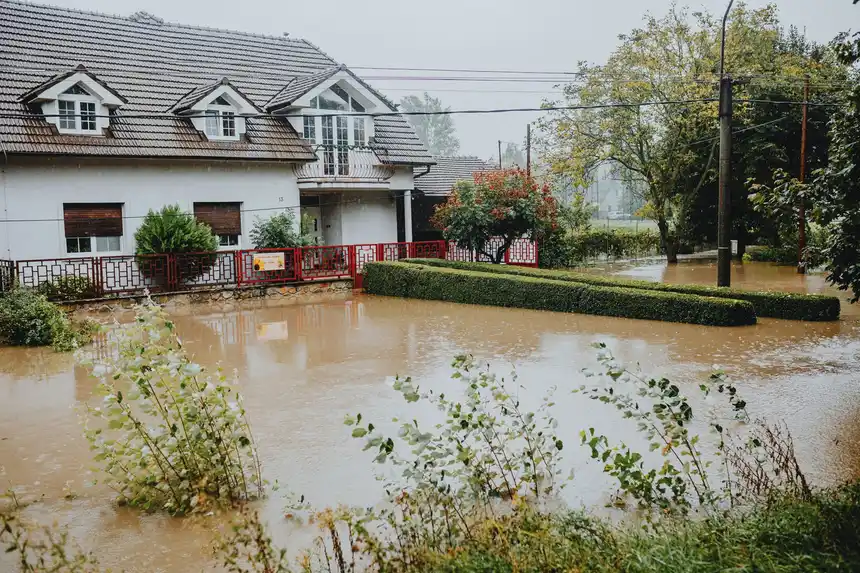
We dry basements, kitchens, and bathrooms in Philadelphia homes. You get a clear plan and daily updates.
- Burst pipe under sink
- Basement sump pump failure
- Ceiling leak from upstairs
Commercial Water Damage Restoration in Philadelphia is what we do every day for property managers, landlords, and business owners across Philadelphia County. When a supply line lets go at 2 a.m. or a roof drain backs up over a storefront, you need a crew that can extract, dry, and document the loss before mold sets in. We handle commercial water damage repair Philadelphia wide, from Center City high-rises to Fishtown warehouses.
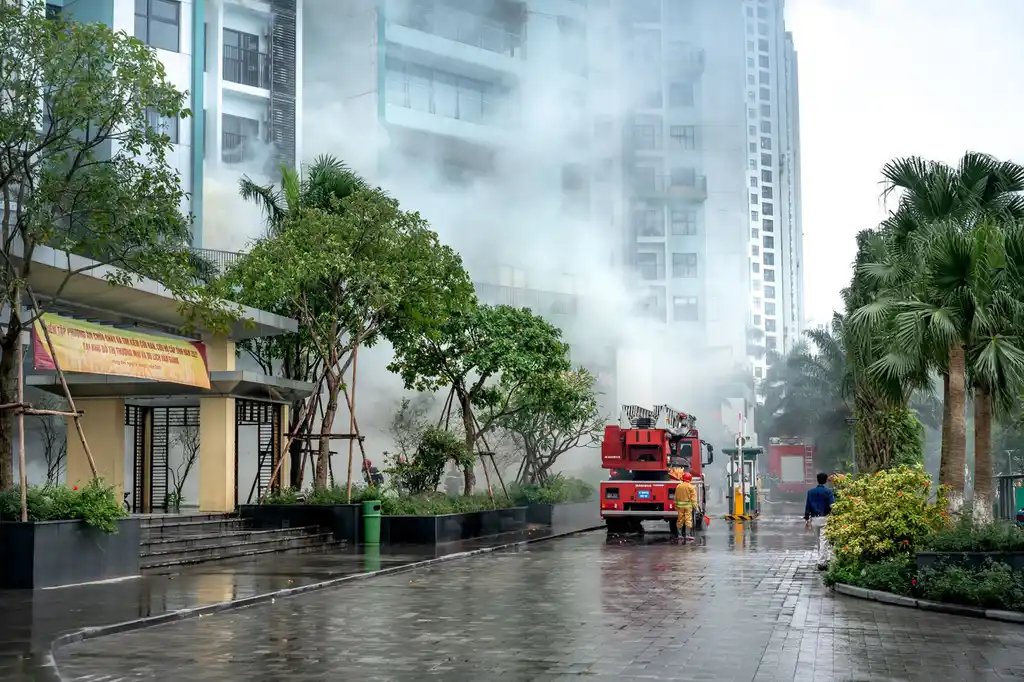 Check moistureExtract waterDocument readings
Every commercial water damage restoration in Philadelphia, Pennsylvania starts with a written scope. We tell you what is covered, what your insurance handles, and what the timeline looks like. No surprises.
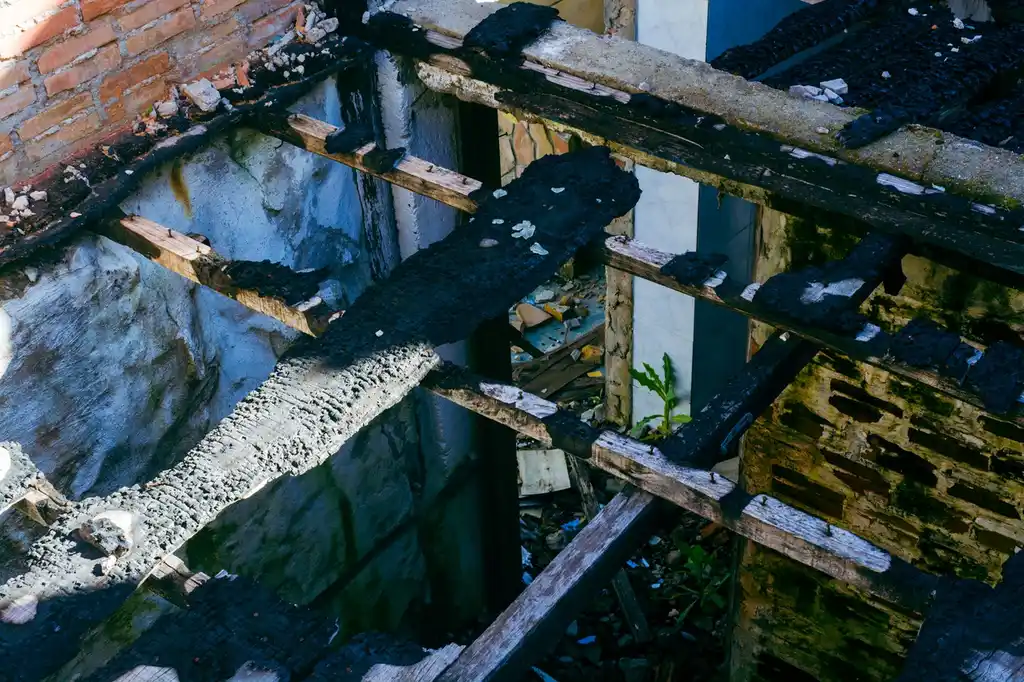
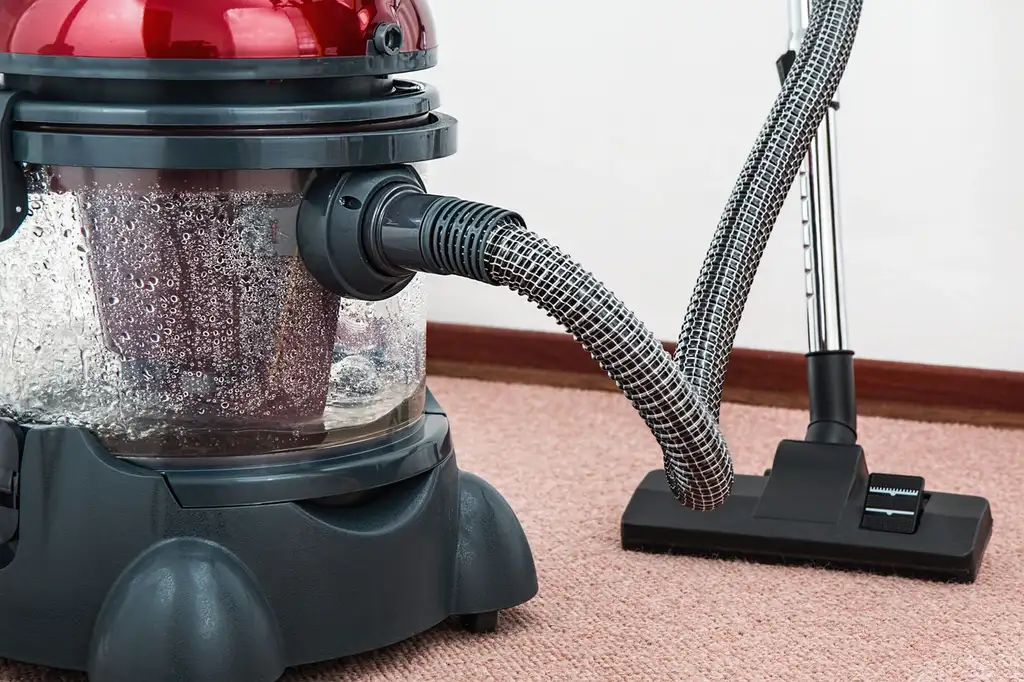
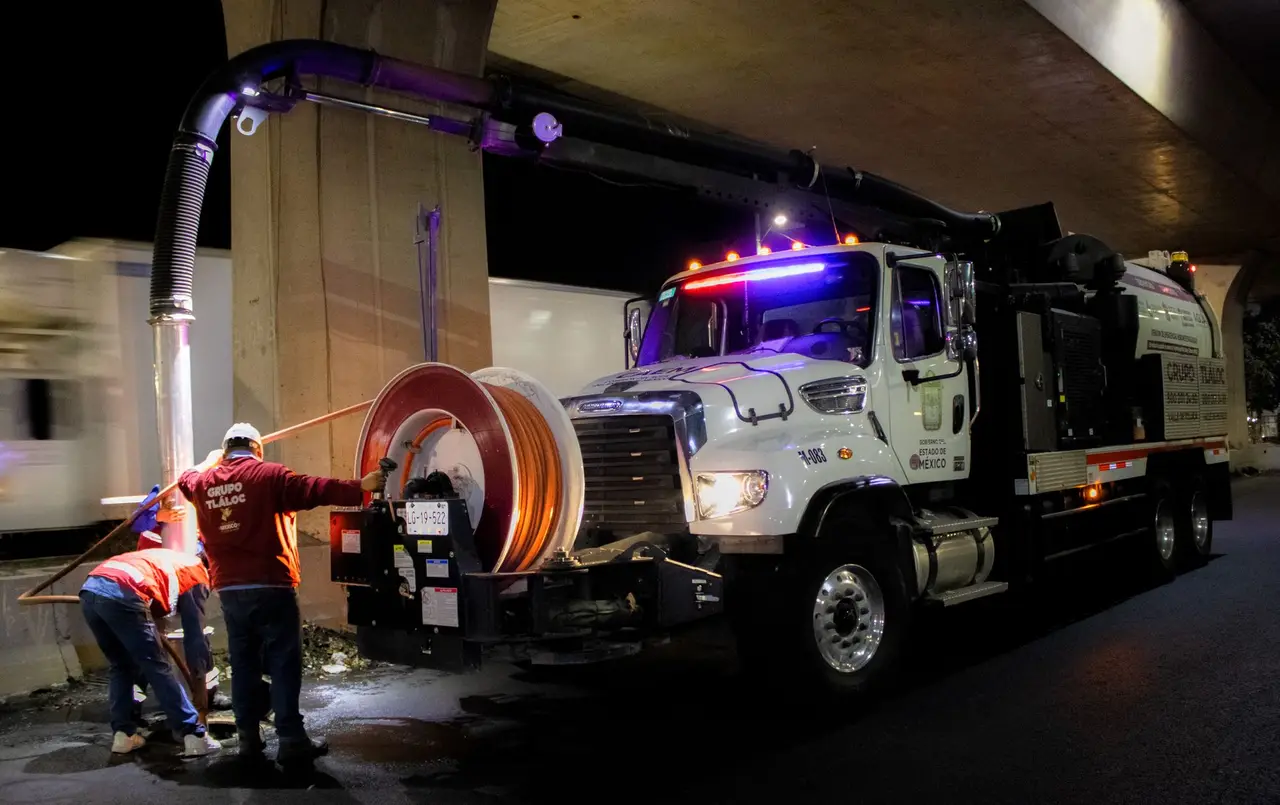
We remove standing water with wet/dry vacuums and truck-mounted units. This includes carpet, concrete, and hardwood flooring. Extraction typically takes two to six hours depending on volume and access.
Commercial dehumidifiers and air movers run until moisture readings hit dry standard. We monitor daily with a moisture meter and thermal imaging camera. Drying logs are provided for your insurer.
After extraction, we apply antimicrobial solution to affected surfaces. This stops mold growth during the dry-out. For sewage backup, we treat before extraction begins to protect the crew and the space.
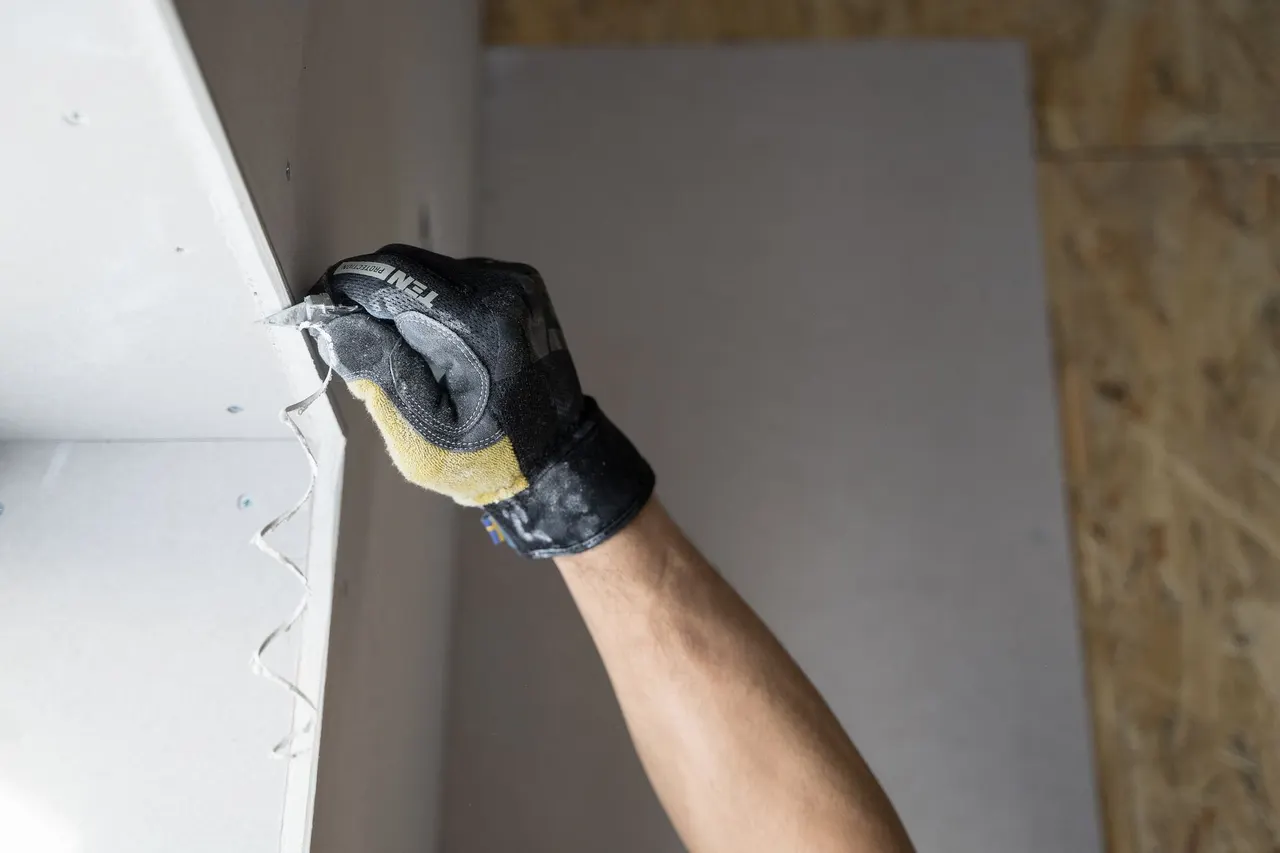
Saturated carpet padding, insulation, and drywall go into bags and out to the dumpster. We leave the space clean and ready for repairs. Disposal is included in the scope.
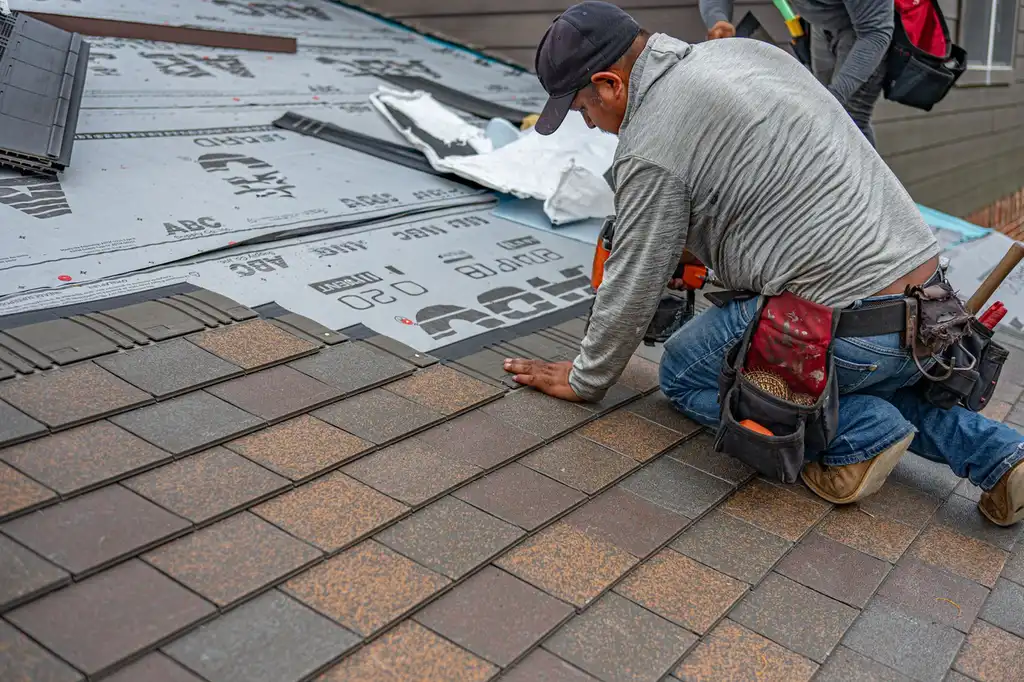
We replace drywall, baseboard, paint, and flooring as needed. If structural work requires a permit, we pull it through Philadelphia L&I. You get a finished space, not a dried shell.
The approach is the same for a home and a business. What changes is the access, the schedule and who needs the paperwork.
We dry basements, kitchens, and bathrooms in Philadelphia homes. You get a clear plan and daily updates.
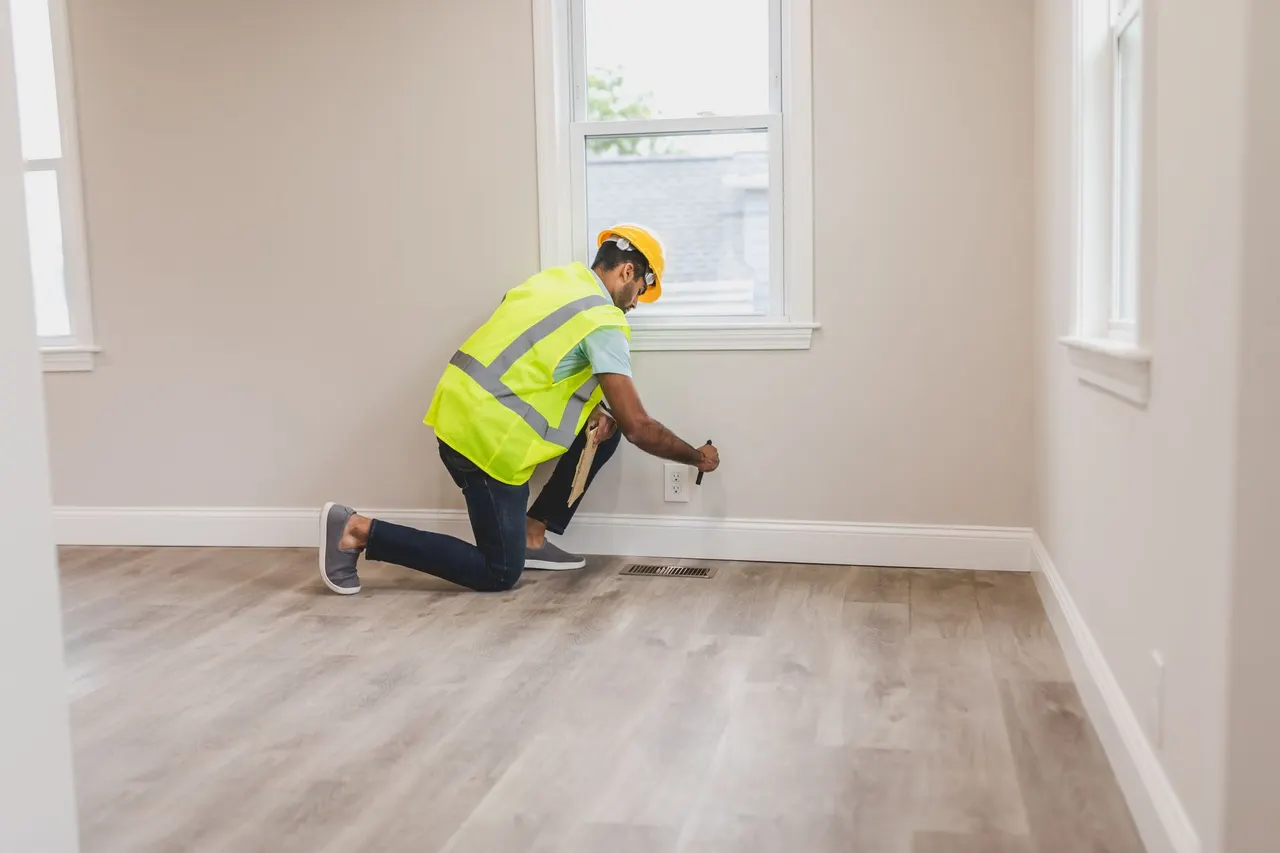
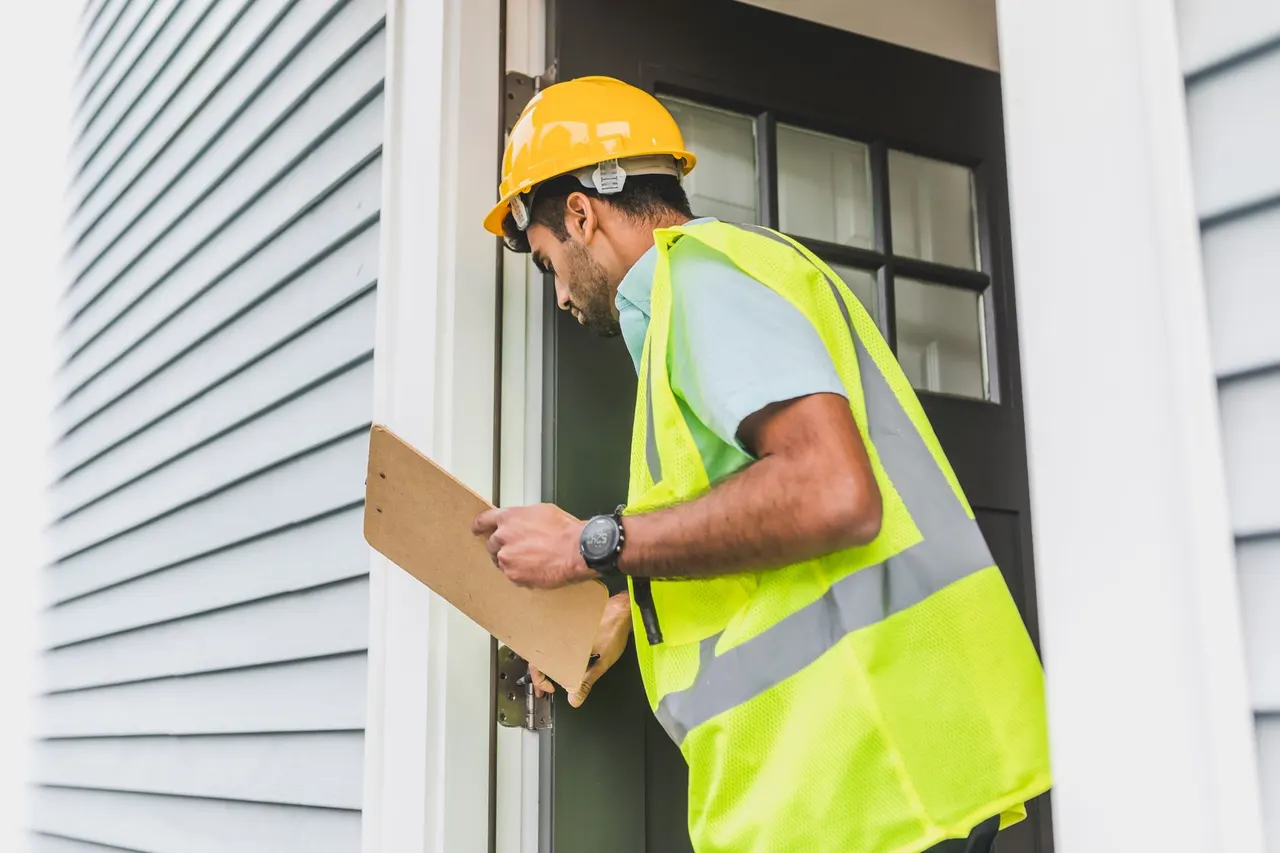
We dry offices, retail, and warehouses across Philadelphia. We work around your hours to limit downtime.
A plain-language look at what Commercial Water Damage Restoration involves and when it is needed.
See how it worksCommercial Water Damage Restoration in Philadelphia is the process of extracting standing water, drying structural materials, and returning a commercial space to pre-loss condition after a leak, flood, or pipe failure. It is not the same as mopping up. We use water extraction units, commercial dehumidifiers, and air movers to pull moisture out of drywall, subfloor, and carpet padding, then verify dryness with moisture meters and a thermal imaging camera before we close the job.
Philadelphia commercial properties face water damage from burst pipes in winter, sewage backup during heavy rain, and roof leaks in older masonry buildings. A slow supply-line leak behind a break room wall can saturate insulation for weeks before anyone notices. That is why property managers call us for commercial water damage restoration near me Philadelphia searches at all hours. We stop the source, dry the structure, and give you documentation your insurer will accept.
Fast extraction and measured drying prevent mold and keep your business open.
Every job follows the same five steps. You will know what is happening, who is doing it, and when we expect to be done.
You call 215-281-3000 and describe the loss. We ask about the water source, the square footage affected, and whether the space is open or closed. Within minutes we dispatch a crew with extraction equipment. You get a call-back with an arrival window, not a vague promise.
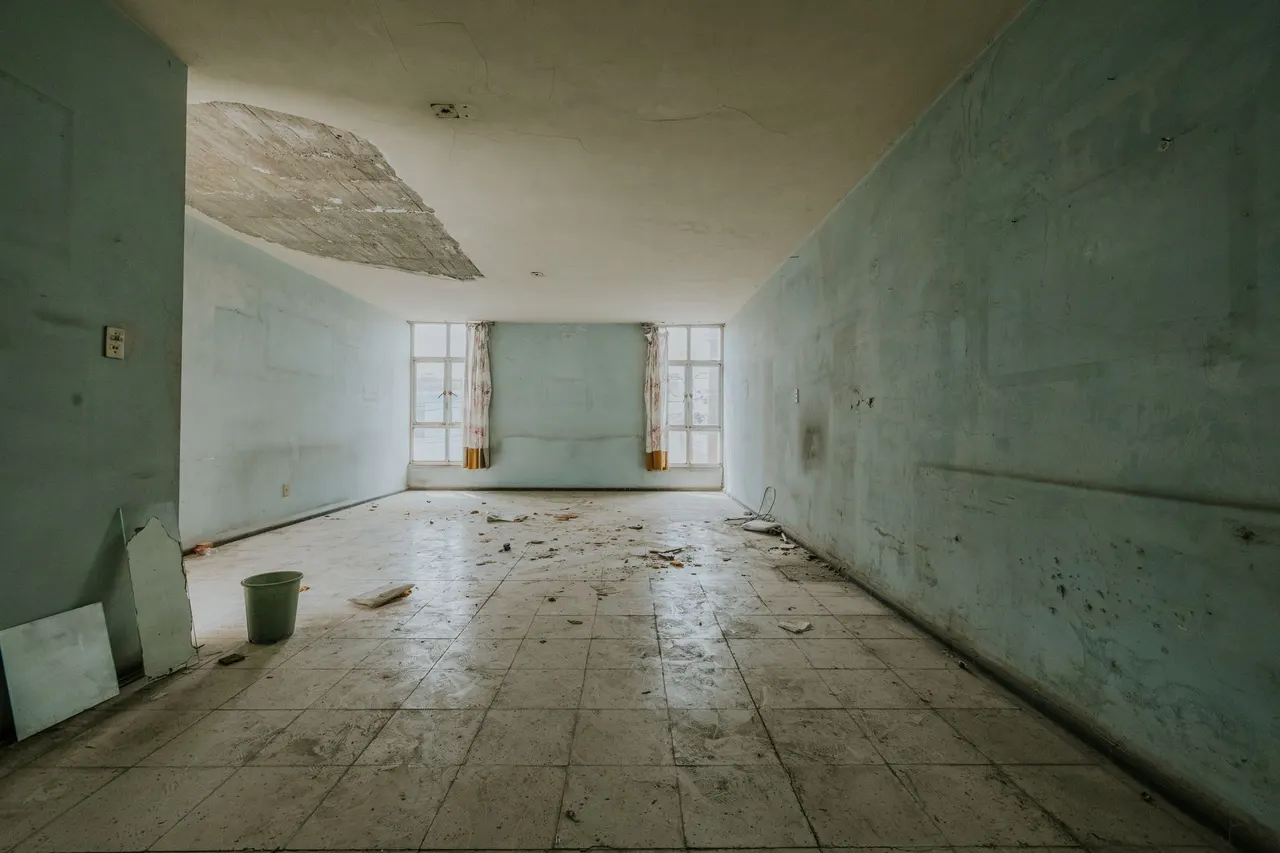
On arrival we walk the space with you. We use a moisture meter, hygrometer, and thermal imaging camera to map how far water traveled. We check for hidden saturation behind baseboard, under subfloor, and inside wall cavities with a boroscope. This assessment tells us exactly what needs drying and what does not.
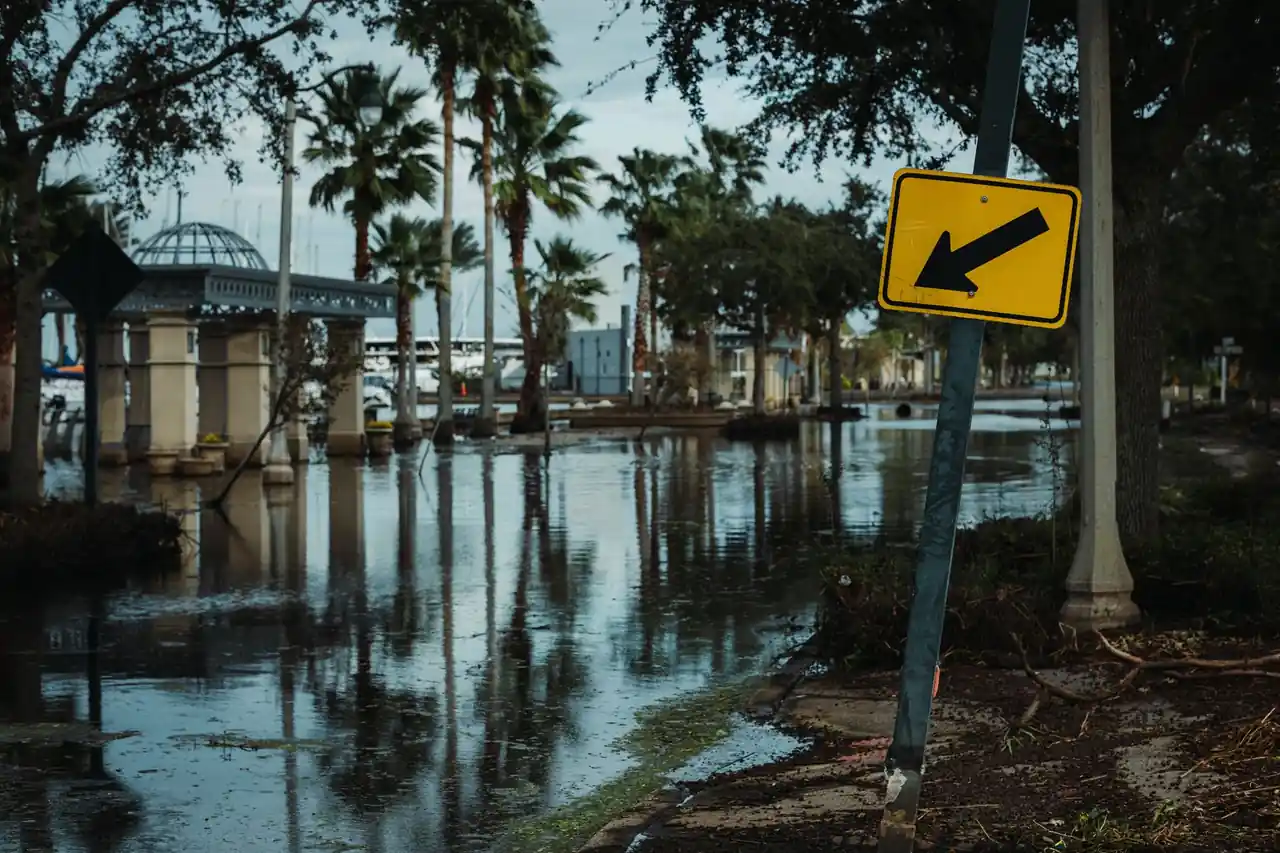
Standing water comes out first. We use wet/dry vacuums and truck-mounted extraction units to remove hundreds of gallons from carpet, concrete, and hardwood flooring. If the source is a sewage backup, we treat the area with antimicrobial solution before extraction begins. This step usually takes two to six hours depending on volume.
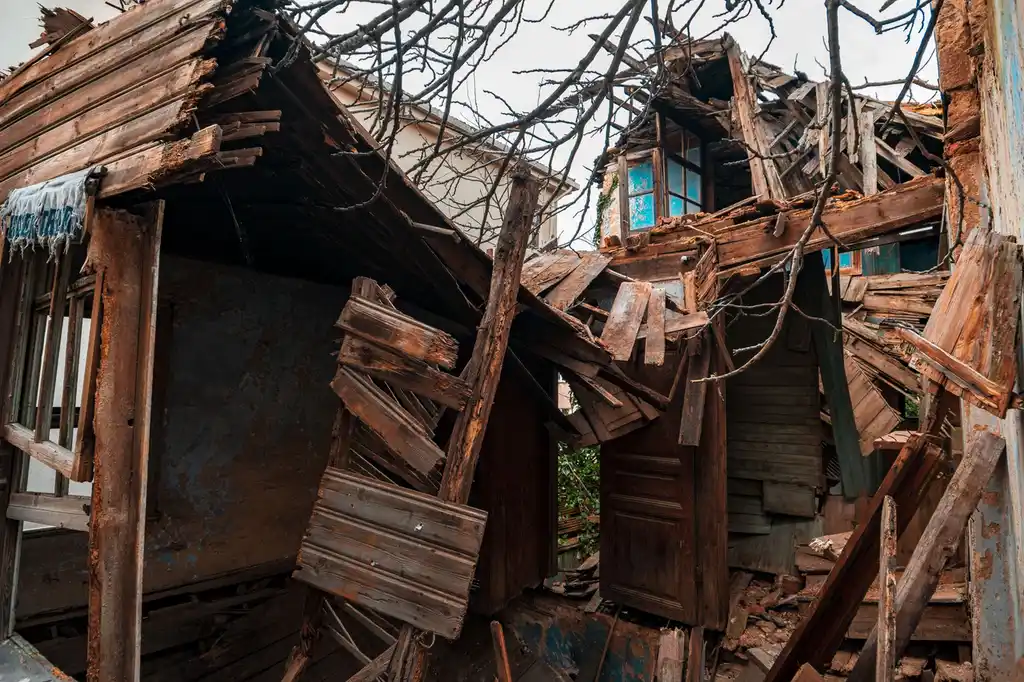
We set commercial dehumidifiers and air movers to dry the structure. Desiccant units handle large open spaces; refrigerant units work better in tight rooms. We monitor moisture content daily with a moisture meter and adjust equipment placement. A typical commercial dry-out runs three to five days.
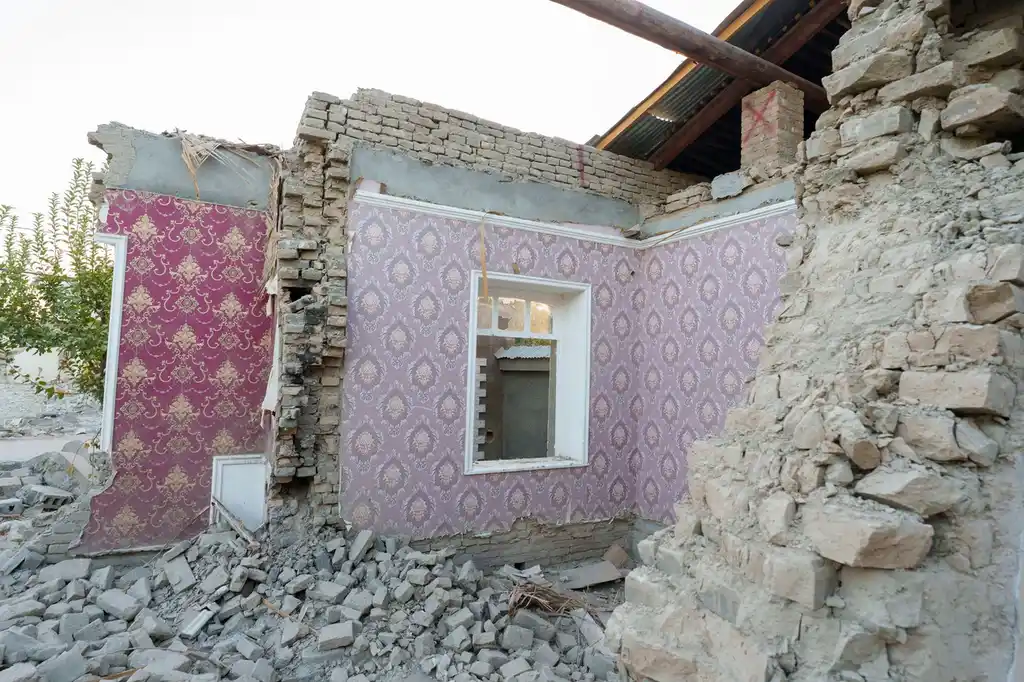
When readings match dry standard, we remove equipment and document the result. Then we handle repairs: drywall, baseboard, paint, and flooring. If mold growth appeared during the dry-out, we remediate it before closing walls. You get a final walk-through and a written drying log for your records.
Move across a circle, or focus it and press Enter, for an illustrative thermal view of the photograph.
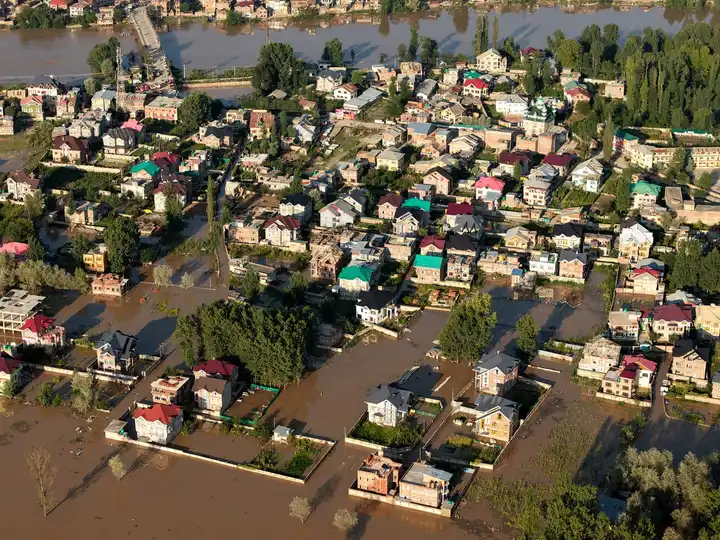
Truck-mounted and portable units remove hundreds of gallons from carpet, concrete, and hardwood. Essential for large commercial losses.
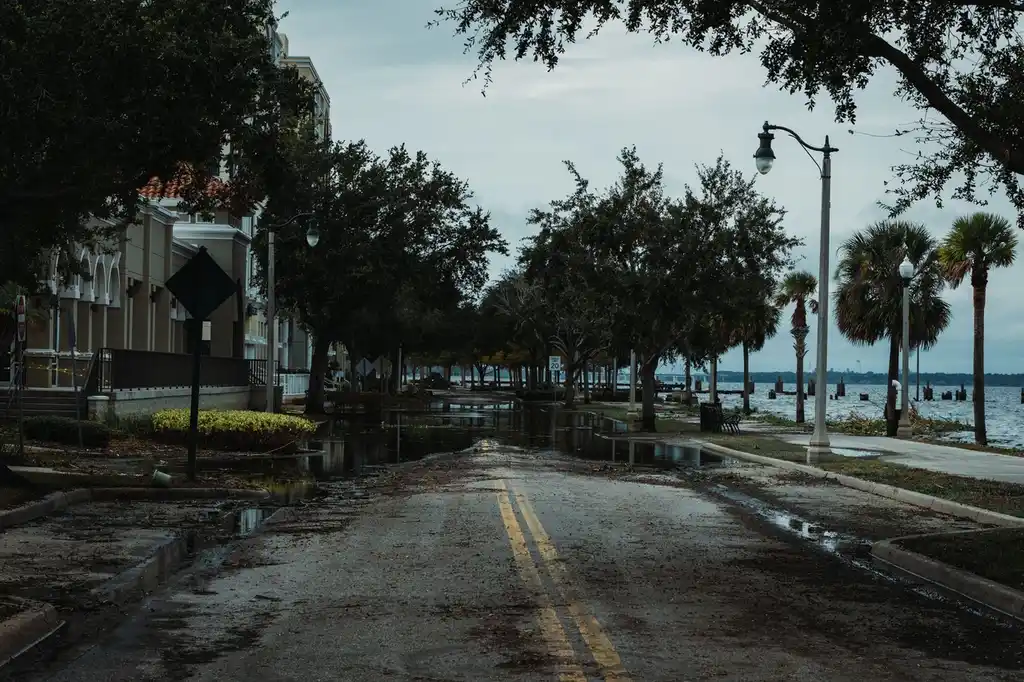
Desiccant and refrigerant units pull moisture from the air and materials. We size them to the square footage and humidity load.
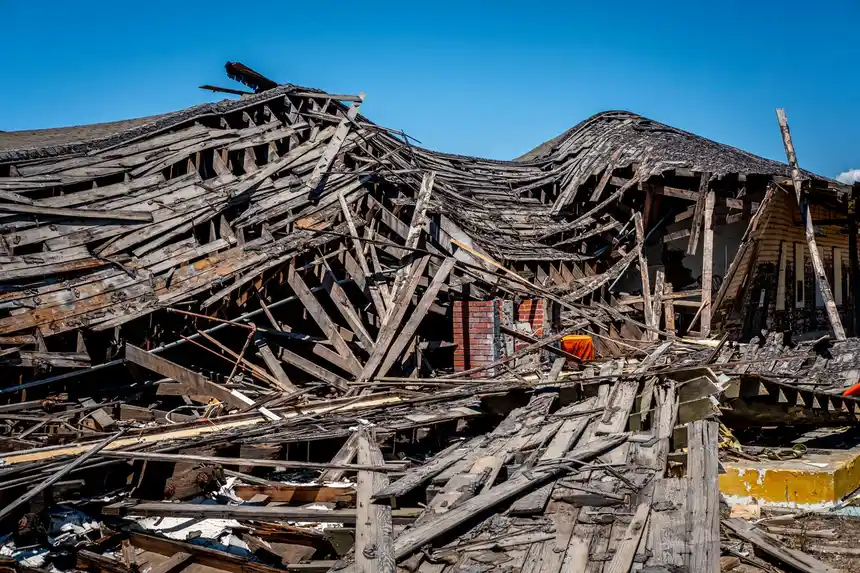
High-velocity fans circulate air across wet surfaces to speed evaporation. We place them to create a drying vortex in each room.
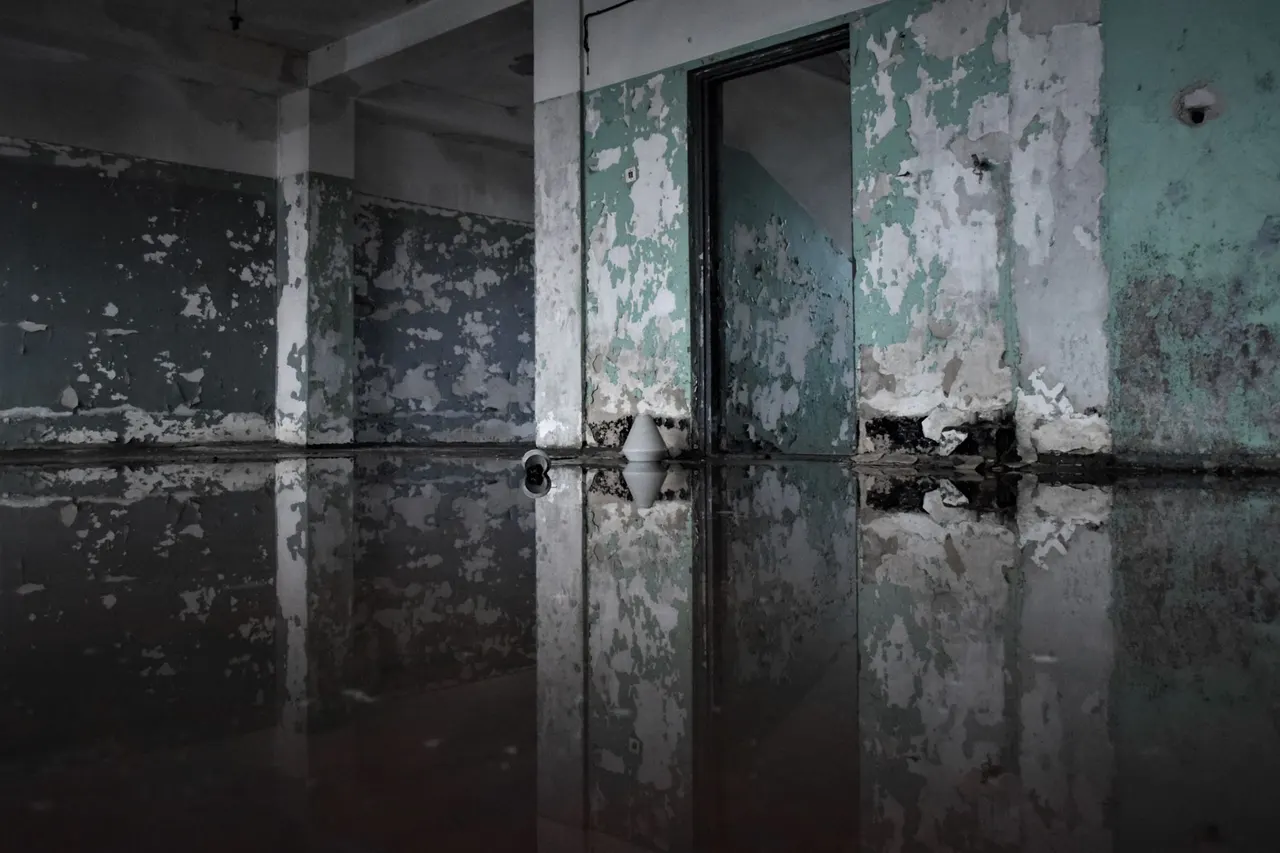
Reveals temperature differences caused by moisture. We use it to find hidden water behind walls and under floors.
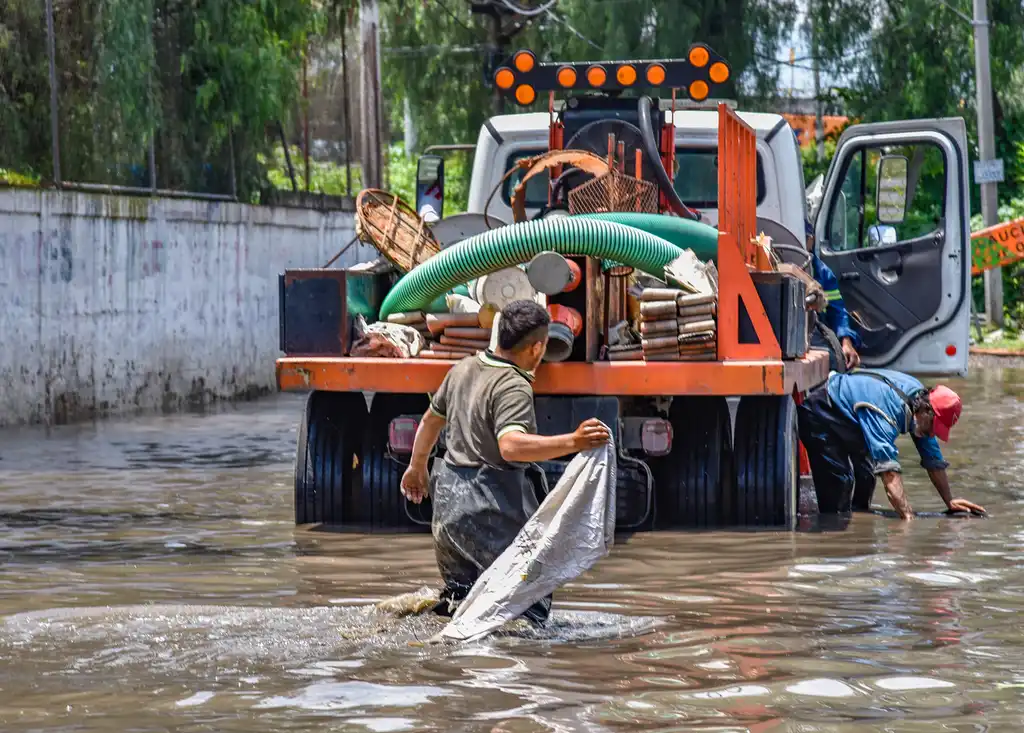
Measures moisture content in materials and humidity in the air. We record readings daily to track drying progress.
Thermal views are illustrative, generated from the photographs.
A camera on a flexible rod that lets us see inside wall cavities and under subfloor without demolition.
Removes odors and airborne particles after a loss. We use them to restore indoor air quality before you reopen.
We follow the IICRC Water Restoration Technician and Applied Structural Drying standards on every job. That means documented moisture readings, proper equipment placement, and a drying log that meets industry requirements.
Our estimates are formatted in Xactimate, the software most insurers use. This speeds up claim approval and reduces back-and-forth with adjusters.
Many Philadelphia commercial buildings predate 1978. We follow EPA Lead-Safe rules when disturbing painted surfaces to protect occupants and workers.
We know what inspectors want to see and schedule accordingly.
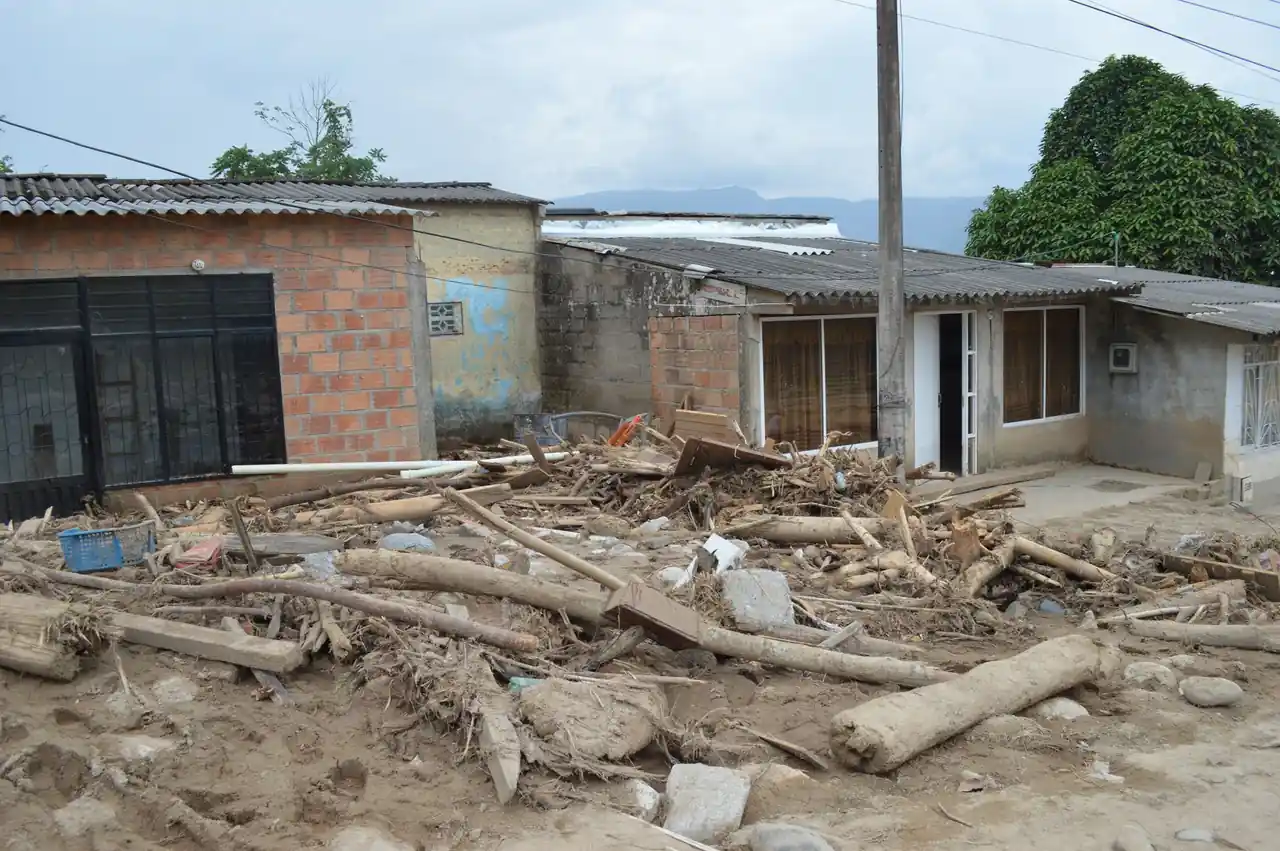
A pipe bursts in a Center City office tower on a Sunday night, flooding three floors before the building engineer notices.
We dispatch a crew immediately, extract water from all three floors, and set drying equipment. Our technicians coordinate with building security for access and document the loss for the property manager's insurance claim.
Outcome: The building is dry within four days, and repairs begin the following week. Tenants return to their offices without a prolonged shutdown.
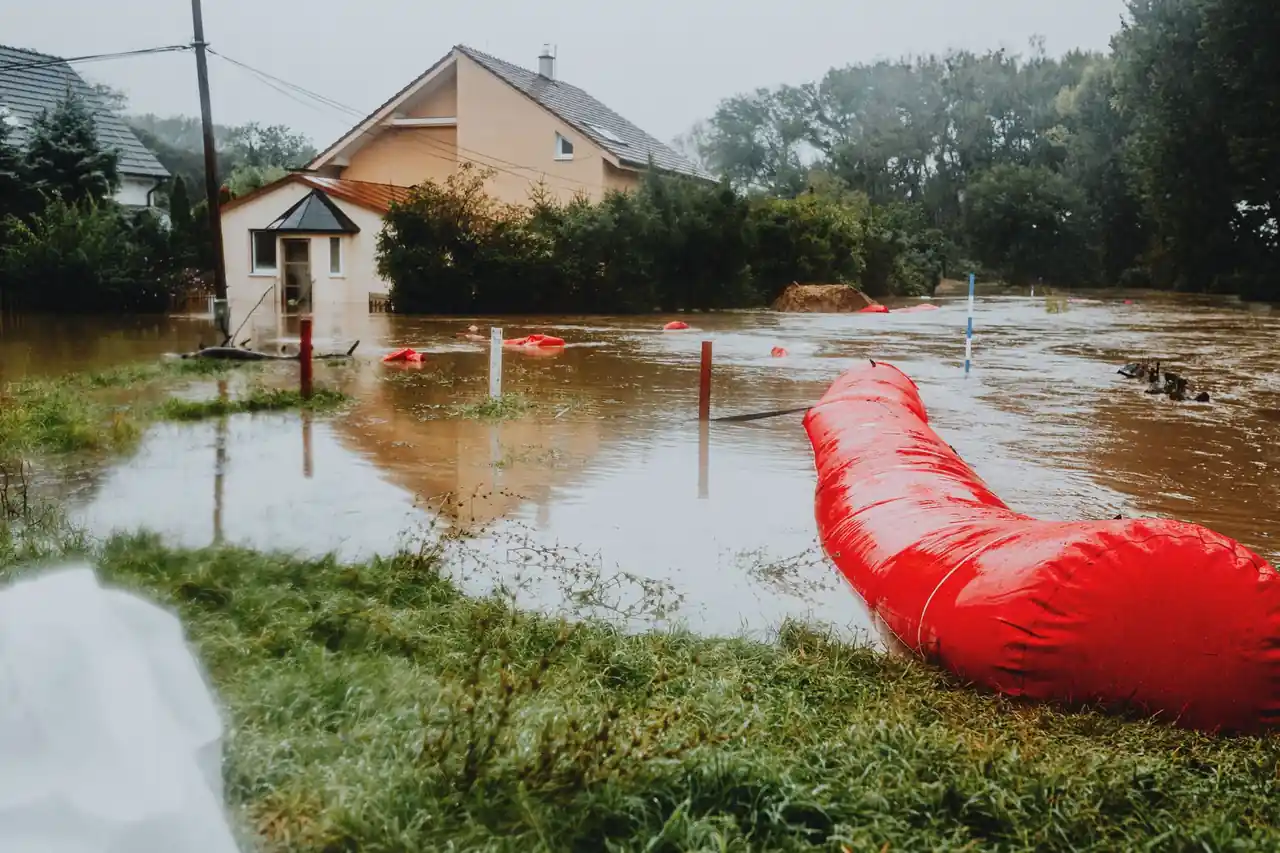
A restaurant in Fishtown has a grease trap backup that sends sewage across the kitchen floor during dinner service.
We arrive within the hour, shut down the affected area, and treat the floor with antimicrobial solution. Contaminated materials are removed, and the kitchen is dried and sanitized to health code standards.
Outcome: The restaurant passes its health inspection and reopens the next evening. The owner avoids a multi-day closure and lost revenue.
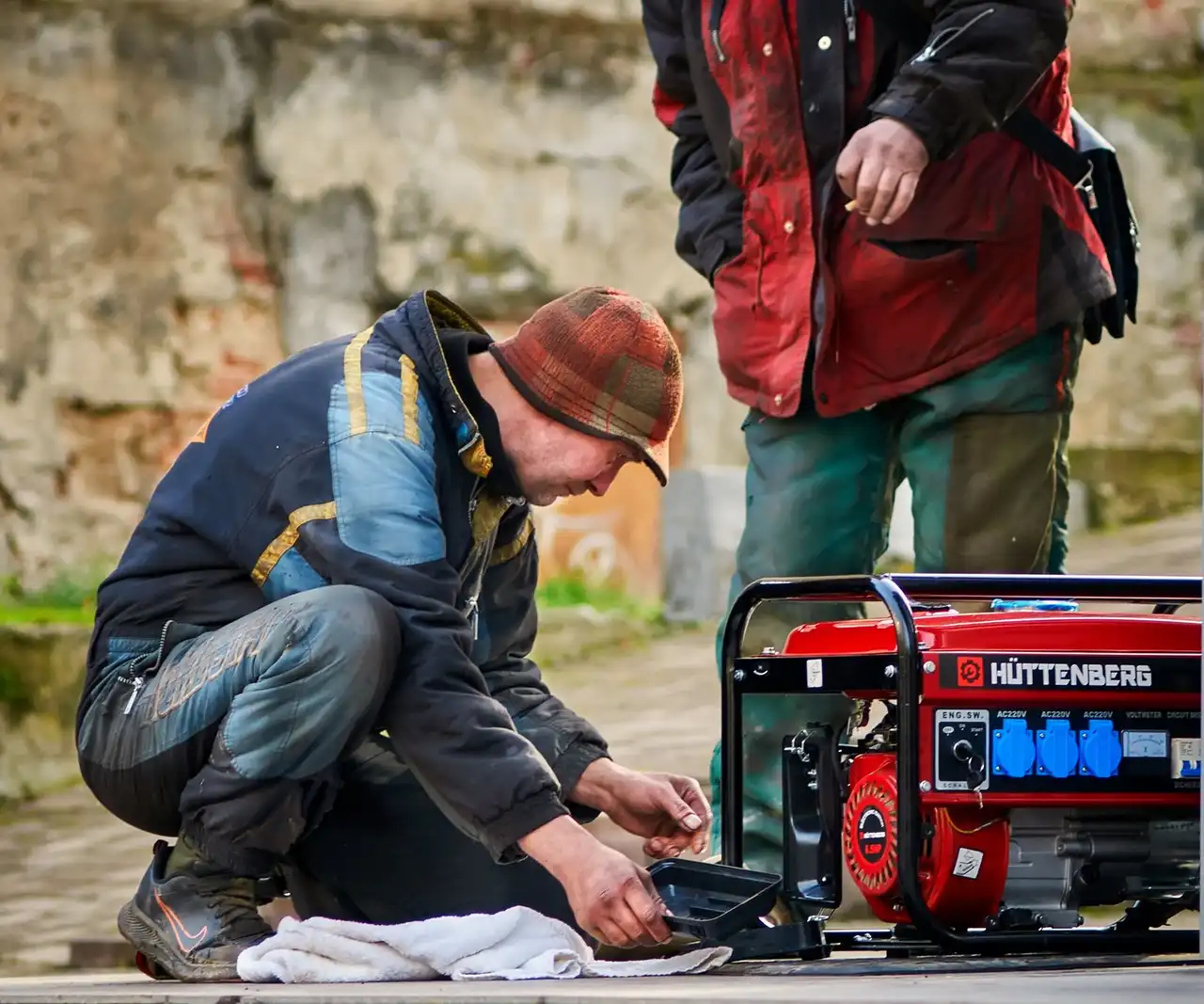
A Northeast Philadelphia warehouse discovers standing water from a failed sump pump after a heavy rainstorm.
We bring in truck-mounted extraction units and desiccant dehumidifiers. The water is removed, and the concrete floor is dried. We document the loss and help the owner file a claim.
Outcome: The warehouse is dry in three days, and the owner replaces the sump pump with a larger unit. No inventory is lost.
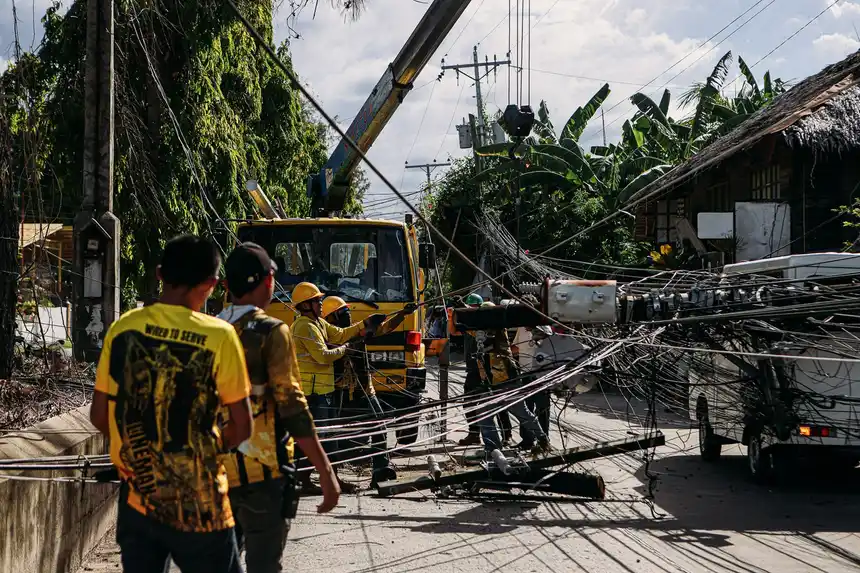
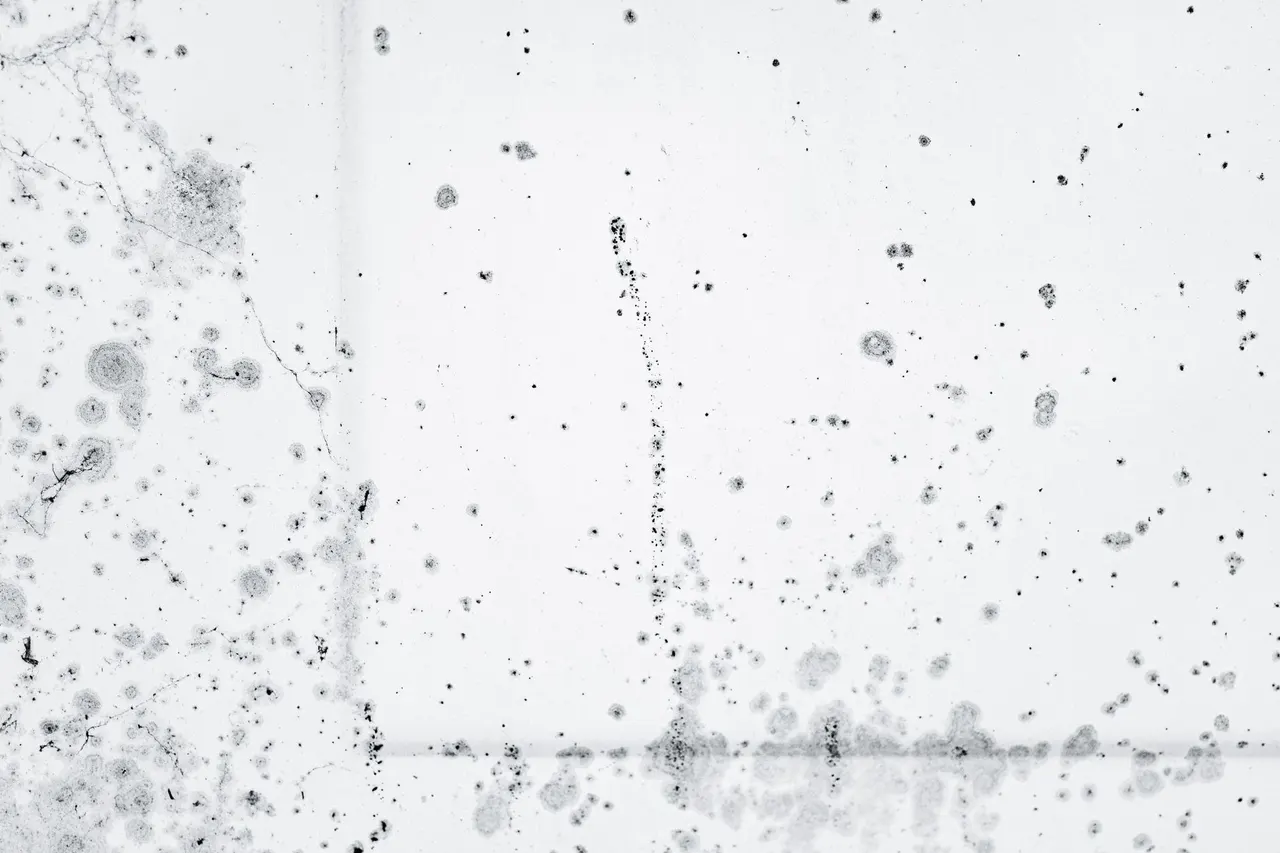
A property manager in University City finds mold on the drywall of a commercial unit two weeks after a roof leak.
We contain the area, remove the moldy drywall, and treat the cavity with antimicrobial solution. The roof leak is repaired, and the space is dried before new drywall goes up.
Outcome: The unit passes clearance testing and is ready for a new tenant. The property manager avoids a costly mold remediation down the line.
Philadelphia commercial buildings are old, dense, and full of surprises. Row-house conversions in Center City have shared walls and original plumbing that fails without warning. Warehouses in Port Richmond and Fishtown sit on slabs that wick water up from the ground. Winter freezes burst pipes in unheated vestibules; summer storms overwhelm combined sewers and push water into basements.
We know these patterns because we work them every week. When you call for commercial water damage restoration in Philadelphia, Pennsylvania, we bring the right equipment for the building type. A high-rise office needs different drying than a Germantown warehouse. We also pull Philadelphia L&I permits when structural repairs are needed, and we follow EPA Lead-Safe rules on pre-1978 buildings.
If you need commercial water damage restoration near me Philadelphia PA, we are already in your neighborhood.
Before: A 12th-floor supply line burst overnight, sending water down to the 10th floor. Three tenant spaces had saturated carpet, wet drywall, and standing water in the elevator lobby.
After: We extracted 400 gallons, set 20 air movers and 6 dehumidifiers, and dried the structure in four days. Drywall was replaced, carpet was reinstalled, and tenants returned without a rent abatement.
We recommended a water leak detection system for the riser closets. The building engineer now checks supply lines quarterly.
Before: A grease trap backup sent Category 3 water across the kitchen floor during dinner service. The health department was notified, and the restaurant faced a multi-day closure.
After: We treated the area with antimicrobial solution, removed contaminated materials, and dried the kitchen in 48 hours. The restaurant passed its health inspection and reopened the next evening.
We advised the owner to schedule quarterly grease trap cleanings and install a backflow preventer.
Before: A failed sump pump left two inches of standing water across 5,000 square feet of warehouse space. Cardboard inventory and pallets were soaked.
After: We extracted the water, set desiccant dehumidifiers, and dried the concrete slab in three days. Inventory was documented for insurance, and the owner replaced the pump with a larger unit.
We recommended a battery backup sump pump and annual pump testing before storm season.
Water damage in a commercial building is never convenient. These are the calls we get most often from Philadelphia property managers and business owners.
Fast, documented drying gets your commercial space back to normal.
We roll trucks across Philadelphia County with water extraction units and commercial dehumidifiers ready to run. Most commercial losses we see are stabilized within the first two hours on site, which limits how far moisture wicks into drywall and subfloor. That speed is the difference between a two-day dry-out and a two-week rebuild.
Every commercial water damage repair Philadelphia job includes moisture readings, thermal imaging photos, and a drying log formatted for Xactimate. Adjusters want numbers, not opinions. We hand you a complete file so your claim moves without back-and-forth. That alone saves property managers days of administrative work.
Mold-resistant drywall, antimicrobial solution, and proper vapor barriers are not upsells for us. They are how a commercial building passes inspection and stays dry through the next storm season.
From emergency extraction to final baseboard reinstall, our technicians handle the whole scope. You are not juggling three subcontractors. That means one point of contact, one schedule, and one invoice.
What a written scope covers and what shapes it. Prices are set by the business after the first look.
Included
Depends on
Clear records you can keep and share.
Daily moisture readings and equipment notes
Images of affected areas before and after
Written outline of work to be done
Summary of drying and repairs completed
Not all water damage is the same. The category determines how we handle the cleanup.
Clean water from a supply line
Gray water with some contamination
Black water with harmful bacteria
A list like this tells people straight away whether you cover their street. Not listed? Call and ask: it only takes a minute.
Based in Philadelphia and covering the places around it. Pick one for local details.
We provide a written scope before work begins so you know the number.
Water Damage Restoration Philly handles commercial water damage repair in Philadelphia PA for offices, retail, restaurants, and multi-unit buildings. Call 215-281-3000 and we will dispatch a crew today.
Most commercial property policies cover sudden and accidental water damage, including burst pipes, appliance leaks, and storm-driven roof leaks. Sewage backup often needs a rider. We document the loss with moisture readings and photos formatted for Xactimate, which gives your adjuster what they need to approve the claim.
A typical commercial dry-out in Philadelphia takes three to five days. Small losses under 1,000 square feet with concrete floors can dry in 48 hours. Larger spaces with hardwood flooring, insulation, and subfloor saturation run five to seven days. We monitor daily and do not pull equipment until readings hit dry standard.
Other services from the same team.
Water spreads fast. Call 215-281-3000 and we will dispatch a crew to your Philadelphia commercial property today.
Call 215-281-3000 any time, day or night. We answer live, ask what happened, and dispatch a crew. If you prefer email, send photos and your address to [email protected] and we'll respond within the hour. Most Philadelphia calls get a technician on-site within 60 to 90 minutes.