Pipe burst cleanup Philadelphia PA: fast, dry, done right
When a pipe lets go in your Philadelphia home or business, every minute counts. Our pipe burst cleanup Philadelphia PA team shuts the water off, extracts standing water, and dries the structure before mold sets in. We handle burst pipe repair Philadelphia and full restoration under one roof, from rowhomes in Fishtown to high-rises in Center City. Call 215-281-3000 and we roll.
Every pipe burst cleanup in Philadelphia, Pennsylvania starts with the same core scope: stop the water, remove it, dry the structure, and document it. What changes is how much demolition and rebuild your specific loss needs. Here is what is standard on our jobs.
Emergency water extraction
Truck-mount and portable extraction to pull standing water out of rooms, hallways, and basements. We remove 50 to 300 gallons on a typical residential burst pipe before drying equipment goes down.
Moisture mapping and documentation
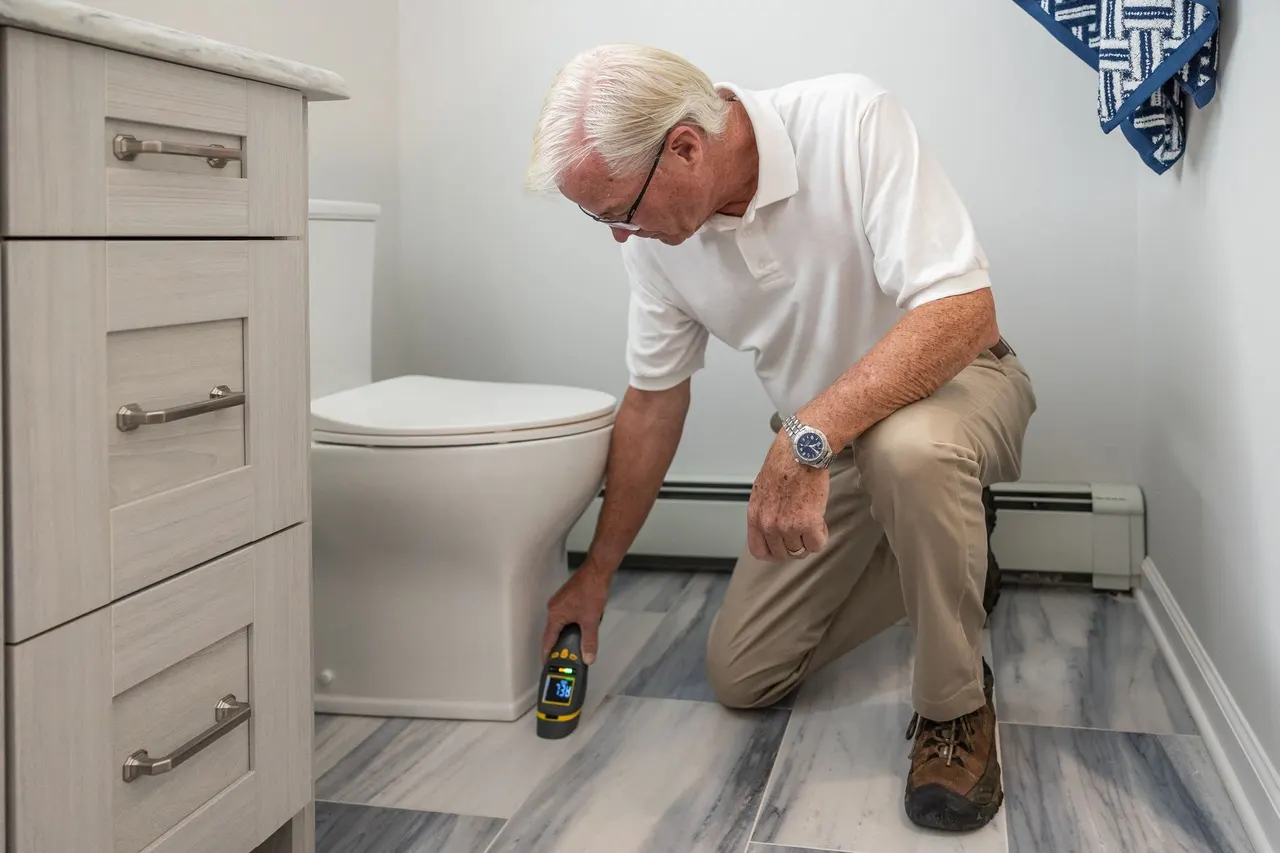
Moisture meter, thermal imaging camera, and hygrometer readings taken at each visit. You get a written log showing where water traveled and how fast materials are drying. This is also what your insurance adjuster wants to see.
Structural drying setup
Commercial dehumidifier and air mover placement, with plastic sheeting to focus airflow into wall cavities when needed. We monitor and adjust daily until readings hit dry standard, usually in 3 to 5 days.
Antimicrobial treatment
Application of antimicrobial solution to affected framing, subfloor, and drywall edges. This slows microbial growth while the structure dries, which matters when a burst pipe has been leaking for a day or more.
Damaged material removal
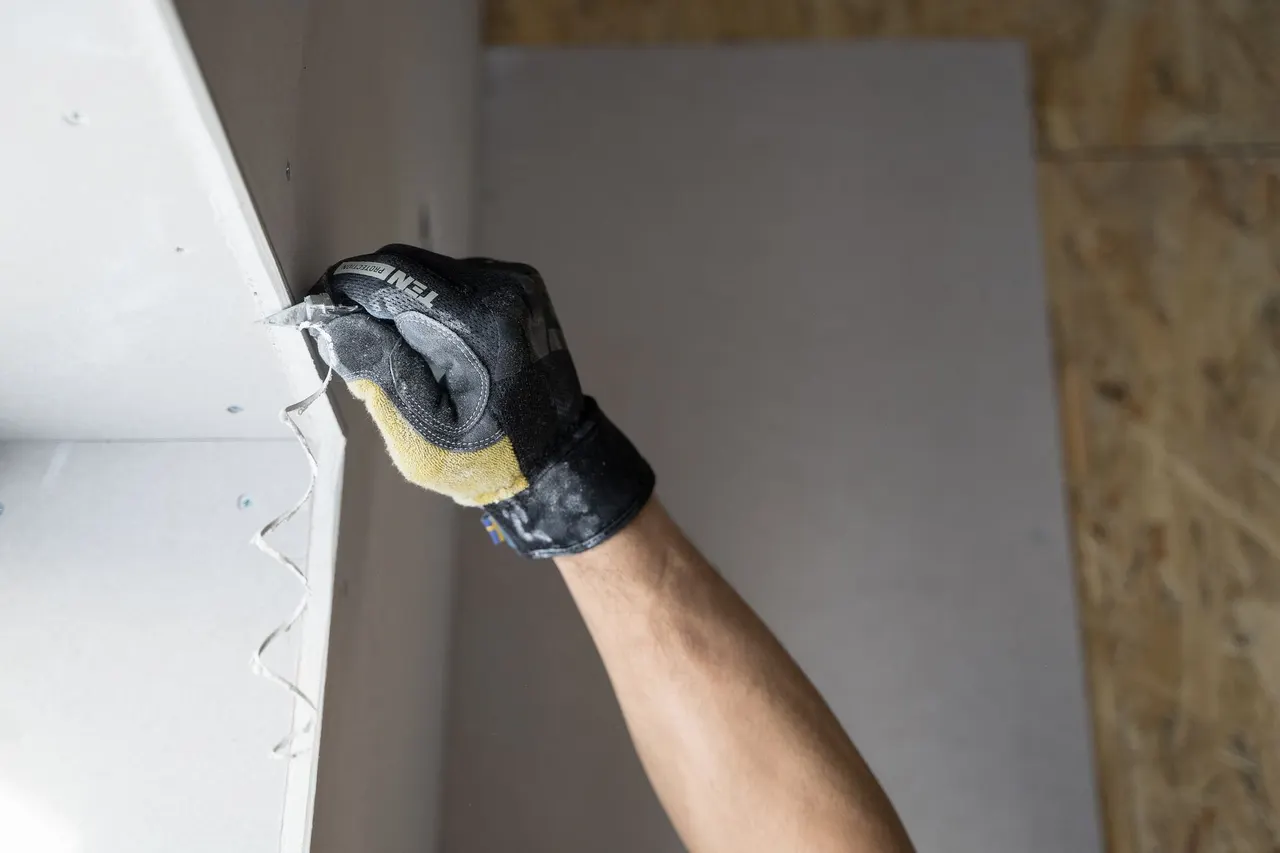
Removal of saturated carpet padding, baseboard, insulation, and drywall that wicked water above the flood line. We cut clean lines so the rebuild is straightforward and your repair costs stay predictable.
Rebuild and repair
Drywall, baseboard, flooring, and paint work to put the room back together after drying.
Homes and businesses.
The approach is the same for a home and a business. What changes is the access, the schedule and who needs the paperwork.
For homes and tenants
We handle burst pipes in rowhomes, twins, and single-family houses across Philadelphia. You get extraction, drying, and a clear picture of what needs repair.
Under-sink supply line burst
Frozen crawl space pipe
Second-floor line into ceiling
For businesses and managers
We work with property managers, restaurants, and offices on burst pipe losses. Crews can stage after hours so your doors stay open.
Riser failure in multi-unit building
After-hours restaurant flood
Office ceiling line burst
What pipe burst cleanup Philadelphia PA actually involves
A plain-language look at what Pipe Burst Cleanup involves and when it is needed.
Pipe burst cleanup Philadelphia PA is the emergency water damage service that stops an active pipe leak, removes standing water, and dries the building materials a burst pipe soaked. A burst supply line can push 8 to 12 gallons per minute into a rowhome, so the first hour matters more than the next ten. We shut the main, extract water with truck-mounted and portable units, then dry wall cavities, subfloors, and ceilings until moisture readings match a dry standard.
Philadelphia's housing stock makes this worse than in newer cities. Most homes here were built before 1950, with galvanized steel or early copper lines that corrode from the inside. Add a hard freeze in January and pipes in unheated crawl spaces or exterior walls split. If you search pipe burst cleanup near me Philadelphia PA at 2 a.m., you need a crew that knows these blocks, not a call center.
A burst pipe is a race between extraction and mold, and extraction wins when it starts early.
What it is
Emergency removal of water from a burst pipe, followed by structural drying and repair.
When you need it
Any time a supply line splits and water reaches floors, walls, or basements.
What to expect
Extraction on arrival day, then three to five days of monitored drying.
Our pipe burst cleanup process, step by step
From the first call to final walkthrough, here is exactly what happens when you hire us for pipe burst cleanup in Philadelphia.
Emergency call
You call 215-281-3000 and describe what happened. We ask where the water is coming from, whether the main is shut, and what rooms are affected. We give you a realistic arrival window and tell you what to do while you wait, like killing power to wet areas if it is safe.
Call intake
Arrival window
Safety guidance
Inspect and isolate
On arrival we confirm the source, verify the main is off, and map the spread with a moisture meter and thermal imaging camera. A boroscope goes into wall cavities where we suspect hidden water. This takes 20 to 40 minutes and tells us exactly what we are dealing with.
Source check
Moisture map
Hidden water scan
Extract standing water
We pull standing water with wet/dry vacuum and truck-mount extraction, then remove saturated carpet padding, baseboard, and any drywall that has wicked water above the flood line. Saturated insulation comes out too. This is where the bulk of the water leaves the building.
Standing water out
Wet materials removed
Volume logged
Dry and monitor
We set Dri-Eaz and Phoenix Restoration dehumidifiers with air mover arrays, sometimes adding plastic sheeting to focus airflow into wall cavities. We check readings daily with a hygrometer and adjust equipment. Most homes dry in 3 to 5 days.
Equipment set
Daily readings
Adjustments made
Repair and close out
Once materials are dry, we handle the burst pipe repair Philadelphia portion or coordinate with your plumber, then rebuild drywall, baseboard, and flooring. Final walkthrough includes a moisture log and photos so you know the structure is dry before we call it done.
Repairs coordinated
Rebuild finished
Final walkthrough
Tools and methods we use
Move across a circle, or focus it and press Enter, for an illustrative thermal view of the photograph.
Thermal imaging camera
Finds temperature differences behind walls and floors to locate hidden water after a burst pipe, so we open the right spot instead of guessing.
Moisture meter and hygrometer
Measures material moisture content and ambient humidity. These readings set our dry standard and tell us when to pull equipment.
Boroscope
A small camera that goes into wall cavities and under floors to confirm water and check for mold without large demolition.
Dri-Eaz and Phoenix Restoration dehumidifiers
Commercial-grade units that pull moisture out of the air so wet framing and drywall can release water and dry.
Air mover arrays
High-CFM fans positioned to sweep air across wet surfaces and into wall cavities. Placement matters more than the number of fans.
Thermal views are illustrative, generated from the photographs.
Methods
Wet/dry vacuum and truck-mount extraction
Removes standing water from floors, carpet, and basements. The truck-mount unit handles large volumes fast on arrival.
Ozone generator and HEPA vacuum
Used for odor removal and fine-particle cleanup when a burst pipe loss has sat long enough to develop musty smells.
IICRC S500 drying standard
We follow the S500 standard for water damage restoration, which sets how we classify the loss, place equipment, and determine when materials are dry. It is the difference between a documented dry and a guess.
Daily moisture monitoring
Readings are taken every day at the same points so we can see the drying curve. If a wall stalls, we adjust airflow or add equipment instead of waiting and hoping.
Containment and negative air
When mold is suspected, we set plastic sheeting containment and run HEPA filtration so spores do not spread to clean rooms during removal and drying.
Xactimate documentation
We build the scope in Xactimate line-item format, which most major carriers accept directly. It speeds up the claim and reduces back-and-forth with your adjuster.
When Philadelphia customers call us
Kitchen line burst
A second-floor bathroom supply line bursts overnight in a Queen Village rowhome and water runs down into the kitchen ceiling.
We extract on both floors, cut out the saturated ceiling drywall, and set drying equipment with plastic sheeting to dry the joist bays. The plumber repairs the line while drying runs.
Outcome: Kitchen ceiling rebuilt and repainted in about a week, with no mold and no lingering musty smell in the first-floor rooms.
Restaurant flood
A restaurant in Chinatown has a pipe burst behind the bar during dinner service and water spreads across the dining room floor.
We respond after hours, extract the floor, and set drying equipment so the space can reopen the next morning. Equipment stays in place behind a screened area during business hours.
Outcome: The restaurant reopened the following day with drying running quietly in the background and no lost weekend revenue.
Vacation freeze
A Germantown homeowner returns from vacation to find a frozen pipe split and the basement flooded two inches deep.
We pump out the standing water, remove saturated carpet and padding, and dry the concrete and framing. Antimicrobial treatment goes down because the water sat for days.
Outcome: Basement dry in five days, new carpet installed the following week, and no mold growth in the framing.
Condo riser failure
A Center City condo building has a pipe burst on a high floor, affecting three units and the hallway carpet.
We stage equipment across all affected units, coordinate access with the property manager, and dry the common-area carpet with air movers and dehumidifiers.
Outcome: All three units and the hallway returned to dry standard within four days, with one documentation package for the building's claim.
Hidden wall leak
A Manayunk homeowner hears water running in the wall but cannot find the source.
We use a thermal imaging camera and boroscope to trace the line, open a small access panel, and confirm the burst before extraction begins.
Outcome: Source found in under an hour, minimal demolition, and the wall patched after drying instead of a full tear-out.
FishtownCenter CityManayunk
How pipe burst cleanup runs in Philadelphia
Philadelphia is a freeze-and-thaw city with old pipes. Most of the housing stock predates 1950, and a lot of it still has galvanized steel supply lines that corrode from the inside until they split. Add a January cold snap and unheated crawl spaces, and burst pipes become a weekly event. Rowhomes add a wrinkle: water travels sideways through shared walls, so we map both sides with thermal imaging camera before we assume the loss is contained. If you need same day pipe burst cleanup Philadelphia PA during a freeze, we stage crews across the city so response stays fast.
Fishtown: Dense rowhome blocks with original galvanized lines. Water spreads sideways fast, so we check adjoining walls on every job.
Center City: High-rise and mid-rise buildings with shared risers. A burst on an upper floor can hit several units, so we coordinate with building management.
Manayunk: Hillside homes with crawl spaces and exterior runs that freeze early. We see a lot of split lines in unheated crawl areas.
Germantown: Large older homes with finished basements and plaster walls. Plaster dries slower, so we plan for longer dry times.
Northeast Philadelphia: Post-war housing with copper and some PEX. Basement flooding is common when a supply line lets go on the first floor.
January freeze cycles: Pipes in exterior walls and crawl spaces split when temperatures drop into the teens. Call volume spikes, so we pre-stage crews and equipment.
IllustrativeThe thermal view is generated from the photograph. It is not a measurement. Drag the handle, or use the arrow keys once it is focused.
Fishtown kitchen line burst overnight
Before: A supply line under the kitchen sink split at 3 a.m. and ran for hours. Water spread across the kitchen floor, soaked the base cabinets, and drained into the basement through a floor penetration. Carpet padding in the finished basement was saturated.
After: We extracted 180 gallons, removed wet padding and baseboard, and dried the kitchen and basement in four days. Cabinets were saved. New baseboard and paint finished the job, and final moisture readings were within dry standard.
Check under-sink supply lines and shutoff valves twice a year, and know where your main shutoff is. In older Fishtown rowhomes, replacing galvanized stubs before they fail is cheaper than cleanup.
Center City condo riser failure
Before: A riser joint failed on the 14th floor and water traveled down through three units plus the hallway carpet. Two units had wet drywall at the ceiling line, and the hallway carpet was soaked through.
After: We staged dehumidifiers and air movers in all three units and the hallway, cut out saturated ceiling drywall, and dried everything to standard in four days. One documentation package covered the building's claim.
Building management should have risers inspected annually and know which units share each riser. Quick shutoff at the floor valve limits how many units get hit.
Germantown frozen pipe, flooded basement
Before: A homeowner returned from a two-week trip to find a frozen pipe had split and the basement was under two inches of water. Carpet, padding, and the bottom two feet of drywall were saturated, and the space smelled musty.
After: We pumped out the standing water, removed carpet and padding, cut out wet drywall, and treated framing with antimicrobial solution. Five days of drying brought readings to standard, and new carpet and drywall went in the following week.
Before winter travel, shut off the main or have someone check the house. Keep basement heat above 55 degrees, and insulate pipes in exterior walls and crawl spaces.
Problems we solve after a burst pipe
A burst pipe is never just water on the floor. Here are the problems we see most in Philadelphia and how we handle them.
Shared wall spreadWater spreading through rowhome shared wallsWater travels sideways into neighboring units, and you end up dealing with two insurance claims instead of one. We map the spread with thermal imaging camera and boroscope, then dry both sides of the wall where needed. Fast containment keeps the loss inside your unit and keeps your neighbor's claim off your plate.
Hidden basement waterHidden moisture in finished basementsDrywall and drop ceilings hide water, so the surface feels dry while framing and insulation stay wet and mold starts. We take moisture meter readings behind finished surfaces and use a boroscope in suspect cavities. If readings are high, we open a small access point, dry the cavity, and patch it after. No guesswork.
Frozen line splitFrozen pipe splits during a cold snapA split line can dump hundreds of gallons before anyone notices, and the repair cannot start until the pipe thaws and the water is off. We extract and dry while your plumber handles the thaw and repair. Our crews work these January freeze weekends every year, so we know how to sequence the work and keep drying moving.
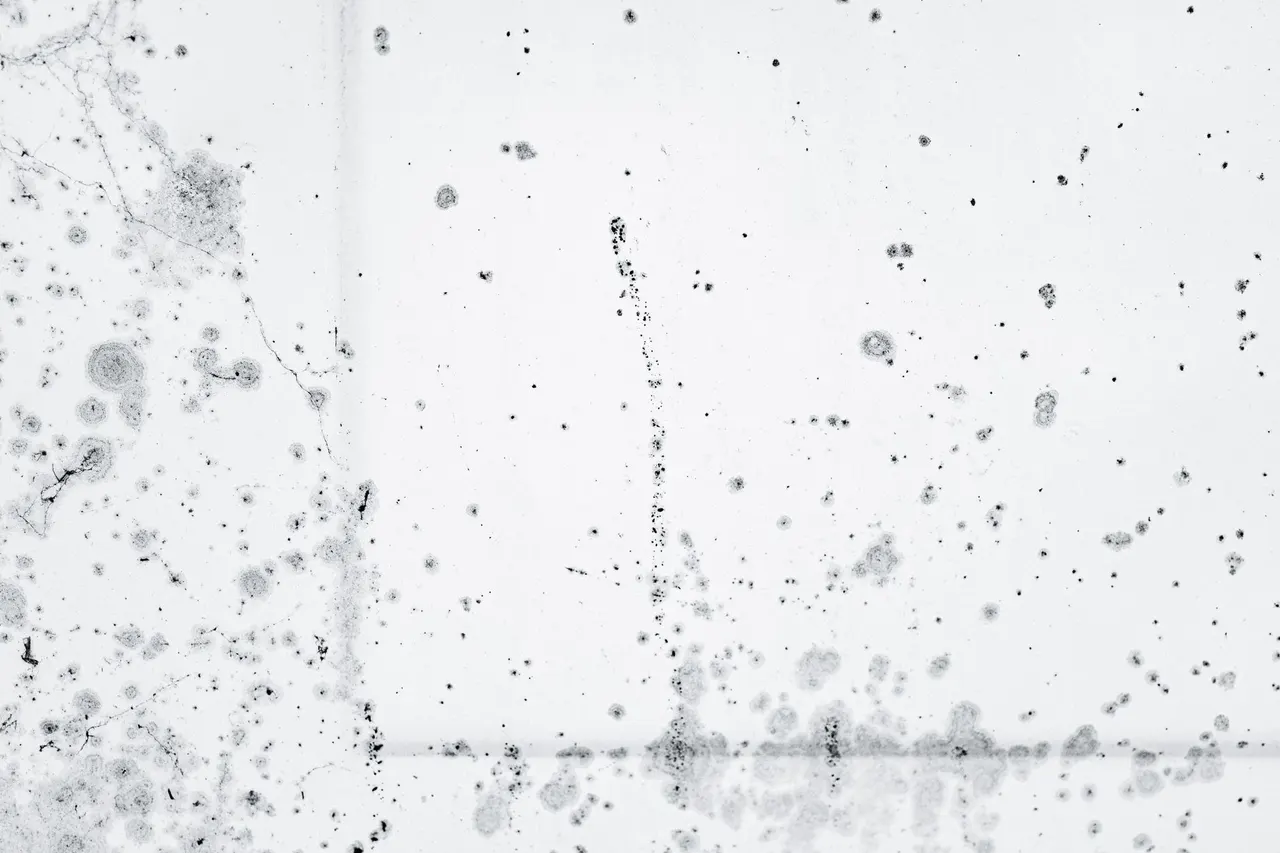
Mold within 48 hoursMold growth within 48 hoursOnce mold colonizes wet drywall and framing, cleanup costs jump and air quality drops in the whole house. We treat affected materials with antimicrobial solution during drying, and if growth is already visible we set containment and run HEPA vacuum. Catching it early is the difference between a treatment and a full remediation.
Claim documentation gapsInsurance claim stalls without documentationAdjusters deny or delay when there is no moisture log, no photos, and no itemized scope of the loss. We photograph everything, log daily readings, and build Xactimate-ready line items. You hand your carrier a complete file, which is what keeps the claim moving instead of sitting in review.
Why fast pipe burst cleanup pays off
Fast extraction and documented drying protect your floors, walls, and claim.
Stop the water fast
We locate and isolate the failed line, then extract standing water with wet/dry vacuum and truck-mount units. Most residential jobs remove 50 to 300 gallons before drying even starts. That is the difference between replacing carpet padding and replacing a subfloor.
Dry it, do not just mop it
A mop and a fan will not dry a wall cavity. We set commercial dehumidifier and air mover arrays, track readings with a moisture meter and thermal imaging camera, and document daily until materials hit dry standard. Typical dry times run 3 to 5 days.
Catch hidden mold early
Mold can start within 24 to 48 hours of a burst pipe. We treat affected framing and drywall with antimicrobial solution, and if growth is already present we bring in HEPA vacuum and containment. Catching it at day two saves you a full remediation later.
Work with your insurance
We document everything with photos, moisture logs, and Xactimate-ready line items so your claim moves. Most burst pipe claims in Philadelphia are covered, and clear documentation is what keeps the adjuster moving. You get a scope you can hand straight to your carrier.
What a written scope covers.
What a written scope covers and what shapes it. Prices are set by the business after the first look.
A supply line let go under our kitchen sink at 6 a.m. and water was running into the basement by the time we noticed. They had extraction gear running within two hours. Four days of drying, new drywall, and you cannot tell anything happened. The moisture logs they gave us made the insurance claim painless.
We had a pipe burst on the 11th floor of a condo building over a holiday weekend. Their crew handled three affected units, set drying equipment in each, and coordinated with our plumber on the repair. Clear communication the whole way. I have used them twice since for other buildings.
Our crawl space line froze during that January cold snap and soaked the finished basement. They cut out the wet drywall and insulation, dried everything, and treated for mold because it had been sitting a couple days. Honest about what needed replacing and what did not. Fair price, no surprises.
Questions Philadelphia homeowners ask us
A single-room cleanup with minimal demolition sits at the low end. Finished basements with saturated drywall, insulation, and flooring push higher. Insurance usually covers the cleanup when the burst was sudden and accidental.
That split matters: the pipe has to be fixed before drying can finish, and we sequence it so you are not paying for extra days of equipment. Call 215-281-3000 and we will walk you through it.
Yes, most standard homeowners policies cover sudden and accidental pipe bursts, including extraction, drying, and repairs. What they often exclude is gradual seepage or long-term neglect. We document the loss with photos, moisture logs, and Xactimate line items so your adjuster has what they need. We work directly with most major carriers.
Extraction usually takes 2 to 6 hours on arrival day. Drying runs 3 to 5 days for most Philadelphia homes, sometimes 7 in finished basements with plaster walls. Rebuild after that depends on scope, typically 2 to 10 days. You get daily moisture readings so you can see progress, not just take our word for it.
Call 215-281-3000 any time, day or night. We answer live, ask what happened, and dispatch a crew. If you prefer email, send photos and your address to [email protected] and we'll respond within the hour. Most Philadelphia calls get a technician on-site within 60 to 90 minutes.