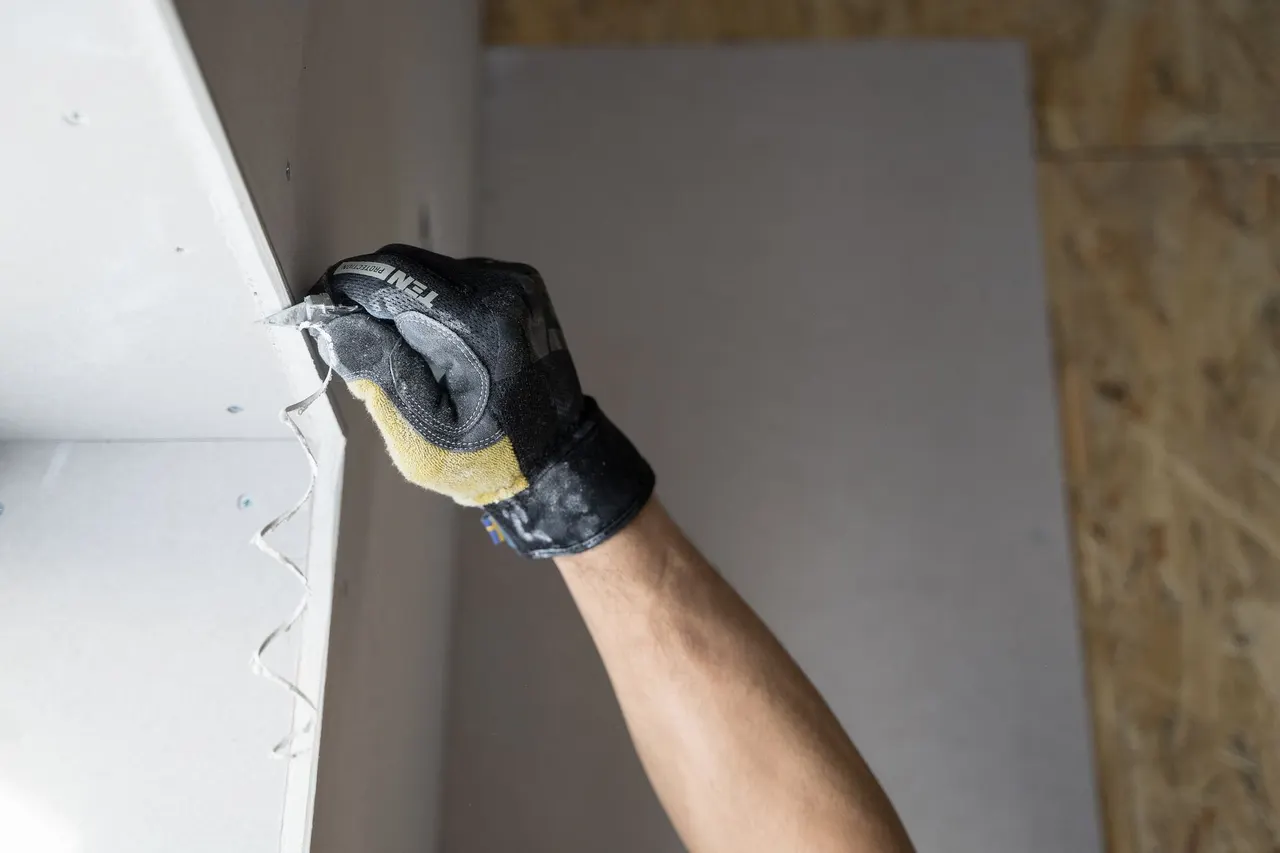
For homes and apartments
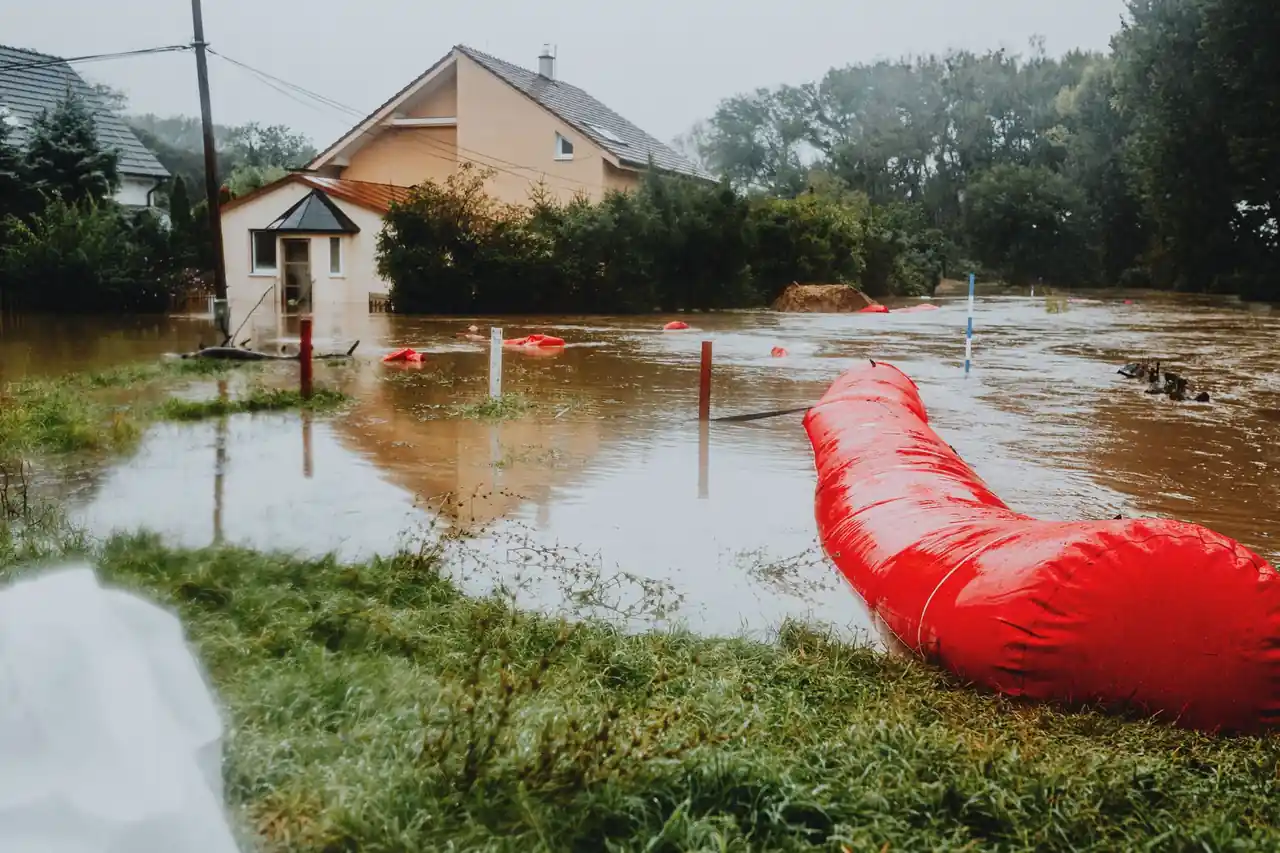
We dry basements, crawl spaces, and living areas after leaks or floods. You get daily updates and a written log.
- Basement flooding
- Crawl space moisture
- Appliance leaks
When a burst pipe, sewage backup, or roof leak leaves your Philadelphia property damp, dehumidification services Philadelphia PA remove the moisture before mold takes hold. We place commercial dehumidifiers and air movers, track readings with a moisture meter and hygrometer, and dry the structure to IICRC standards. Whether you need emergency dehumidification Philadelphia PA at 2 a.m. or a scheduled dehumidifier rental Philadelphia, we handle it.
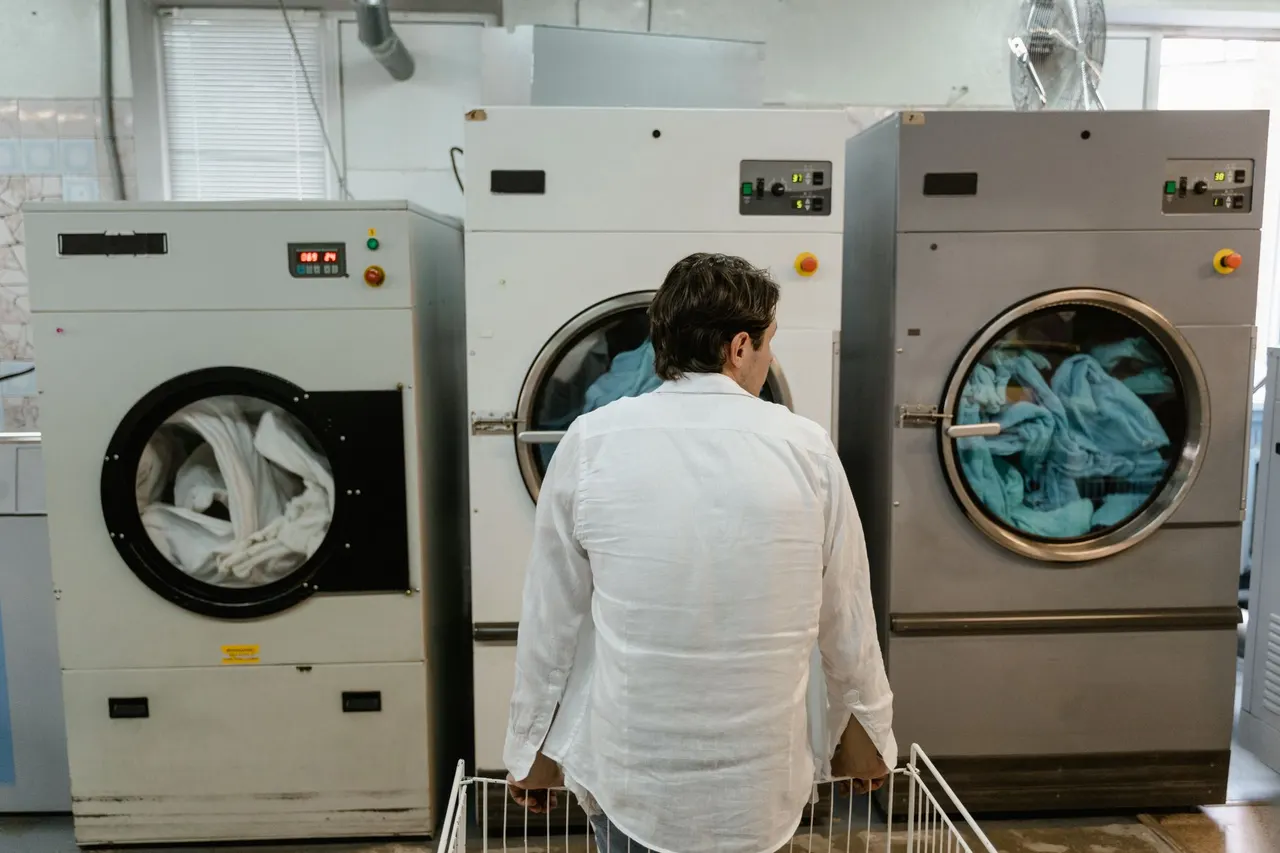 Moisture mappingEquipment sizingDaily readings
Every dehumidification job starts with an inspection and ends with a final moisture check. Here is what is included in our standard service. If your job needs something extra, we tell you upfront before we add it.
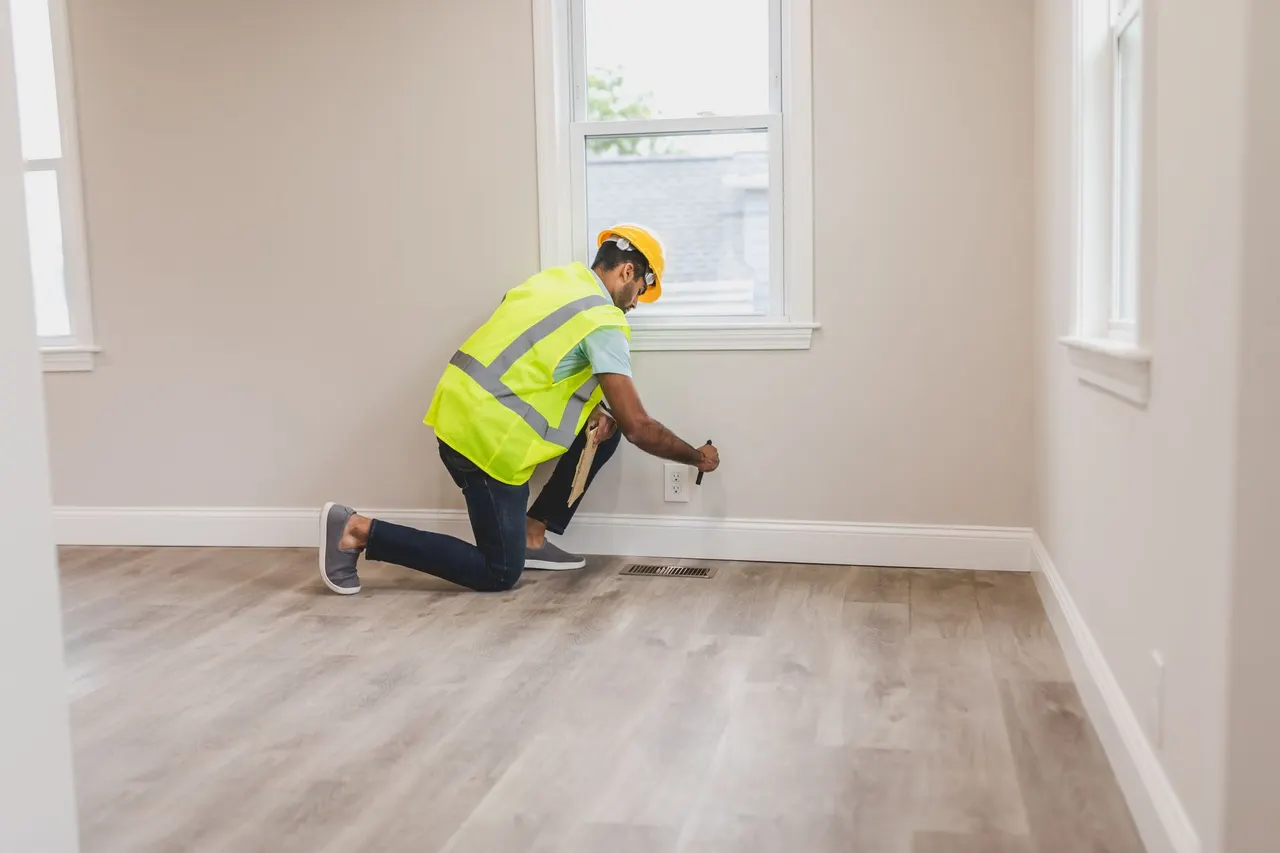
We use a moisture meter, thermal imaging camera, and hygrometer to find all wet areas. This includes hidden moisture behind baseboards and under flooring. The map tells us where to place equipment.
We bring Dri-Eaz and Phoenix Restoration dehumidifiers sized to your space. We position them for maximum airflow and set them to run continuously. You do not need to empty anything or monitor them.
Air movers keep air moving across wet surfaces to speed evaporation. We angle them based on the drying map. This is critical for drying carpet, hardwood, and drywall efficiently.
We return every 24 hours to log readings with the moisture meter and hygrometer. If drying has stalled, we adjust equipment. You get a written log for your records and insurance.
After extraction, we apply antimicrobial solution to surfaces that were wet. This stops mold and bacteria from growing while the space dries. It is standard on sewage backup and flood jobs.
When materials reach normal moisture content, we do a final walkthrough with the thermal camera. We confirm no hidden moisture remains and then remove the equipment. You get a dry, safe space.
The approach is the same for a home and a business. What changes is the access, the schedule and who needs the paperwork.
We dry basements, crawl spaces, and living areas after leaks or floods. You get daily updates and a written log.
We dry offices, restaurants, and warehouses with minimal disruption. We work after hours and document everything for your claim.
A plain-language look at what Dehumidification Services involves and when it is needed.
See how it worksDehumidification services Philadelphia PA is a structural drying process that removes water vapor from the air and building materials after a leak, flood, or high-humidity event. We set commercial dehumidifiers, position air movers to keep air moving across wet surfaces, and monitor progress with a moisture meter, hygrometer, and thermal imaging camera. The goal is to bring drywall, subfloor, and framing back to normal moisture content before mold growth starts, which usually means 24 to 72 hours of equipment run time.
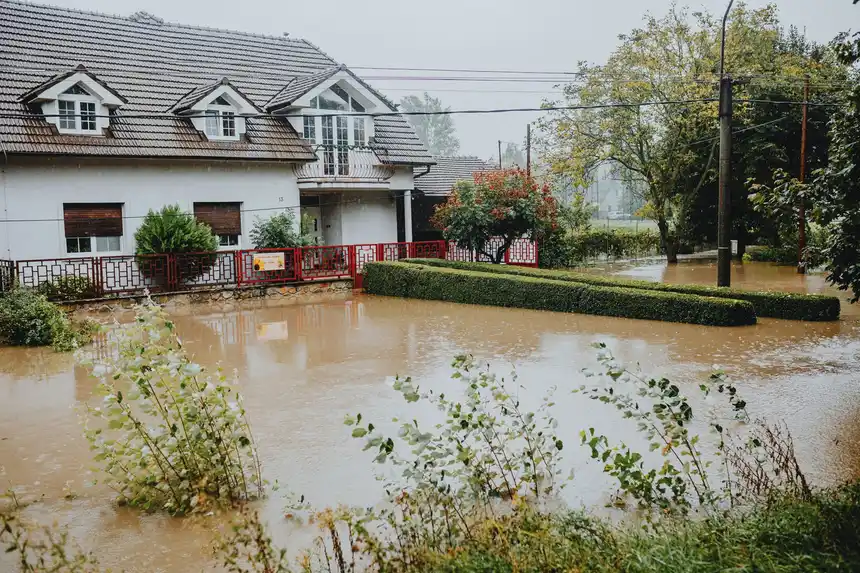
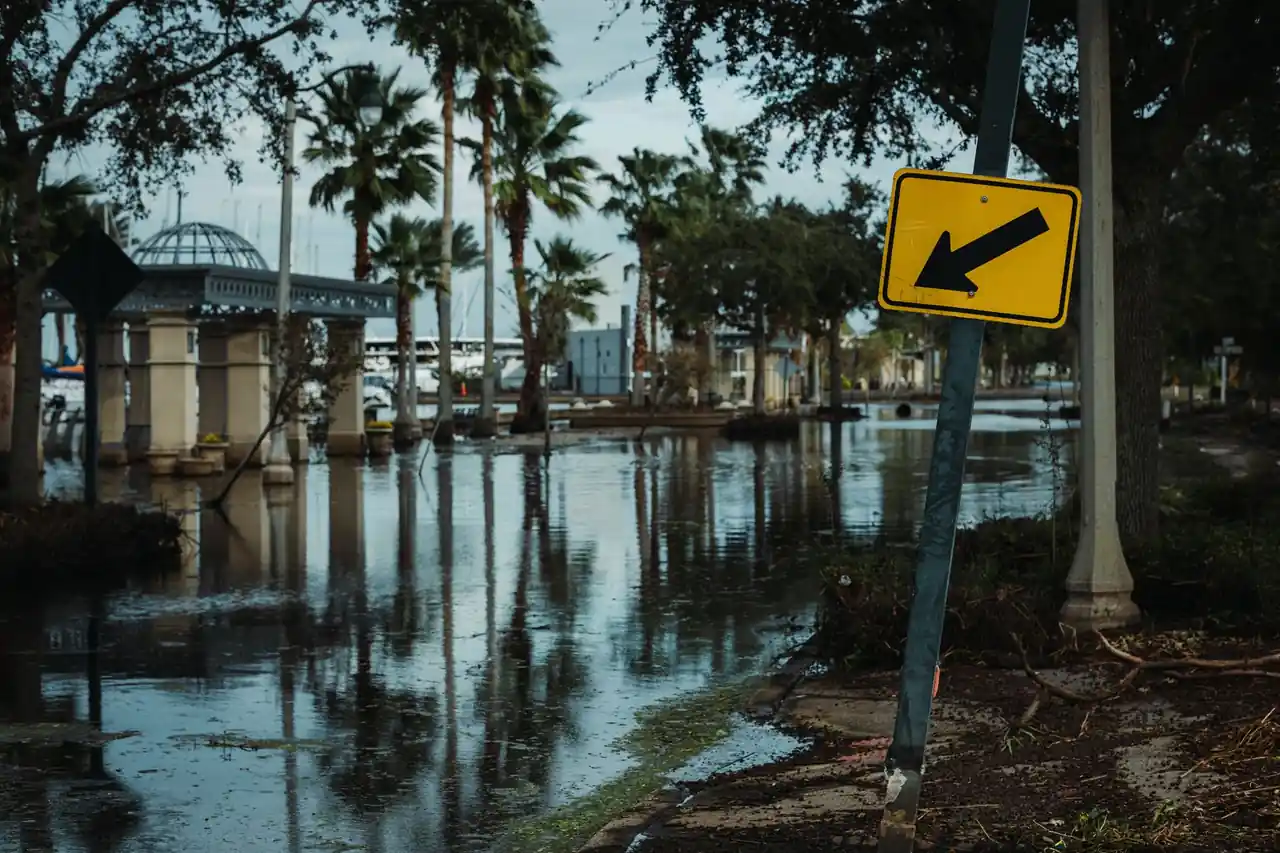
Philadelphia properties get hit from every direction. Rowhome basements flood after a sump pump failure, crawl space moisture climbs through old stone foundations, and a burst pipe behind a kitchen wall soaks insulation and hardwood flooring overnight. If you search dehumidification near me Philadelphia after a storm, you need equipment on site the same day, not a week later. We also handle commercial dehumidification Philadelphia for restaurants, warehouses, and apartment buildings that cannot afford to shut down.
Dehumidification removes moisture from the air and materials before mold starts.
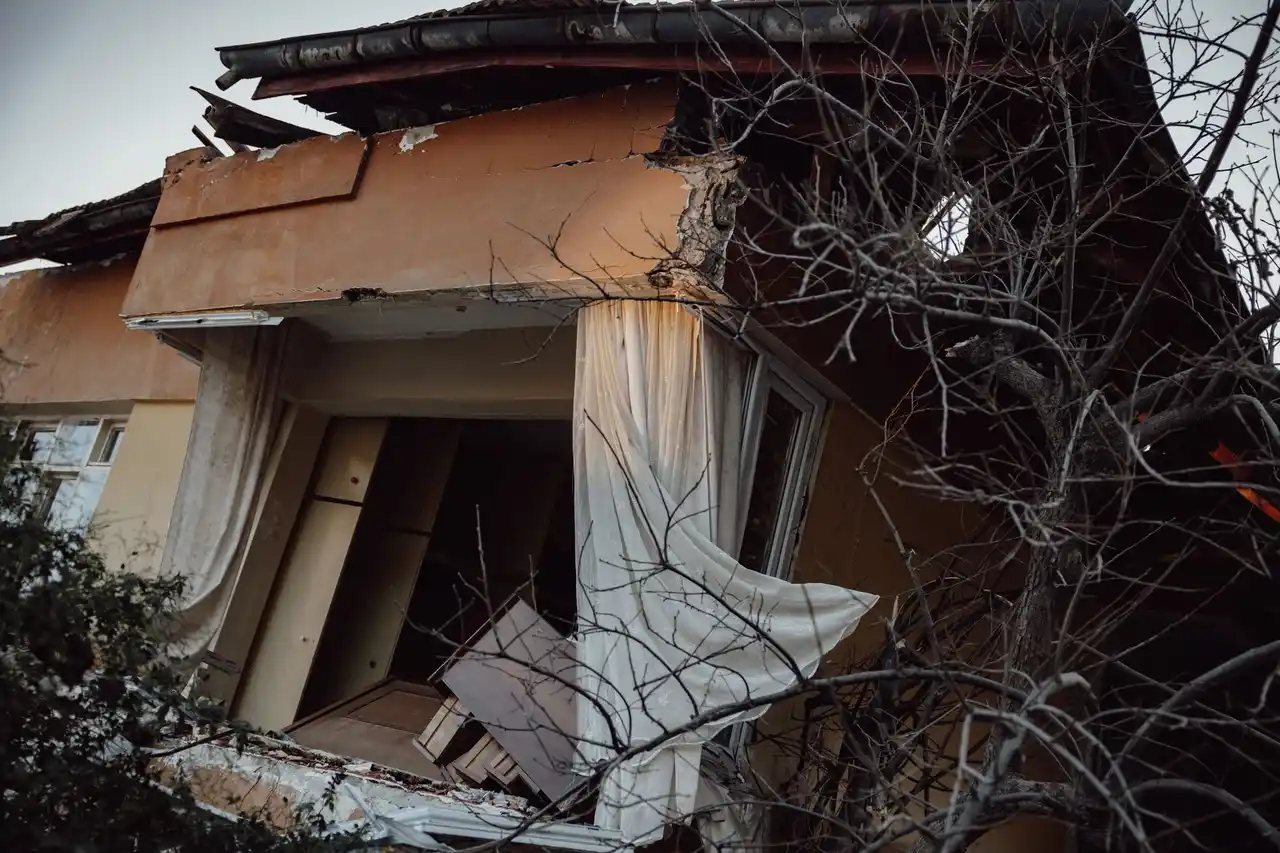
Every job follows the same sequence: find the moisture, set the equipment, monitor the numbers, and pull the gear when the structure is dry. Here is what you can expect from our dehumidification services Philadelphia PA.
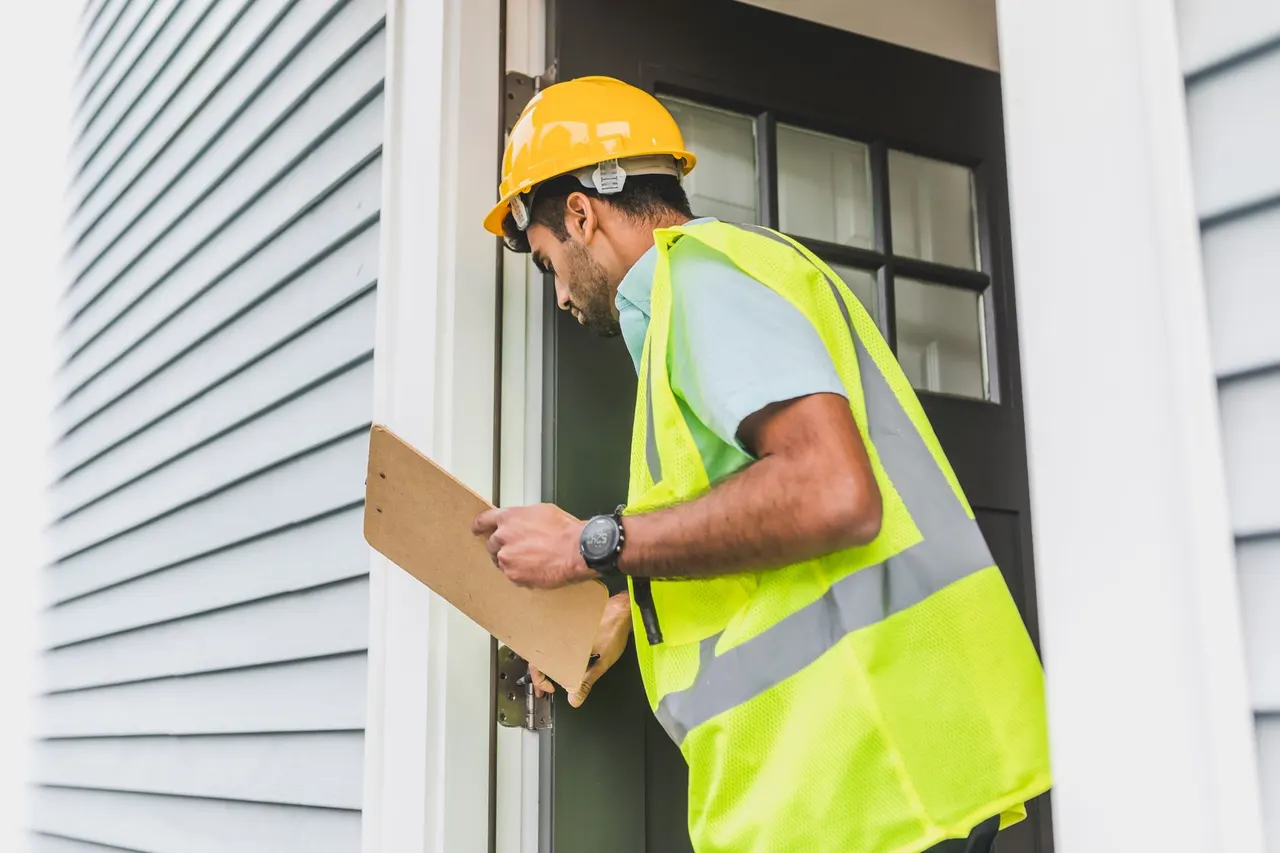
We walk the property with a moisture meter, thermal imaging camera, and hygrometer to find every wet spot, including hidden moisture behind baseboards and under flooring. A boroscope lets us check inside wall cavities without cutting. This takes 30 to 60 minutes on a typical rowhome and gives us a drying map before any equipment goes down.
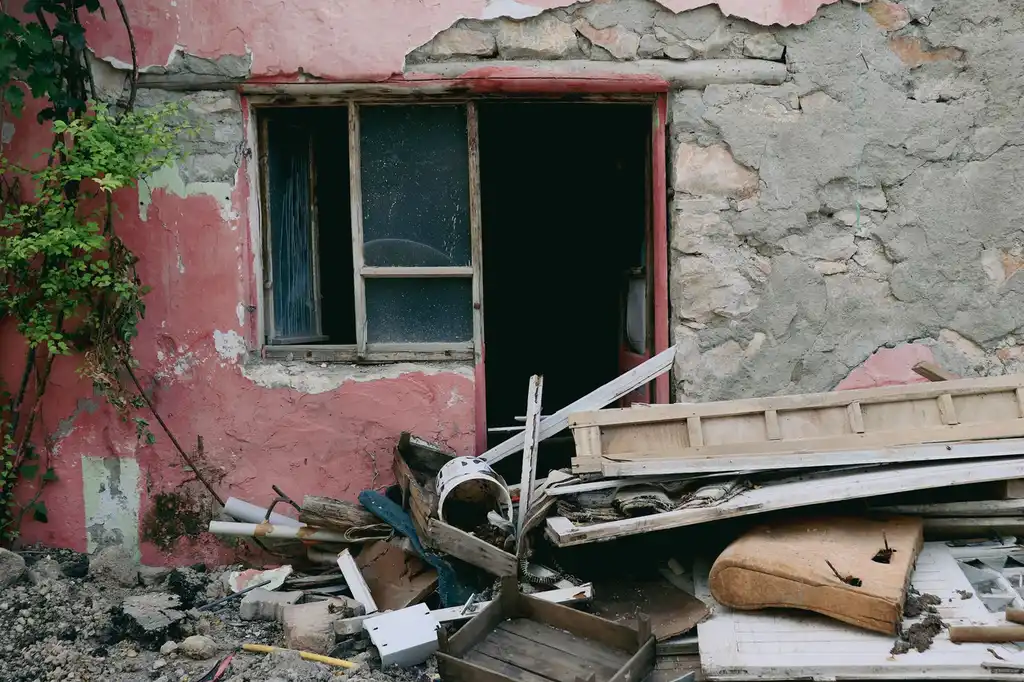
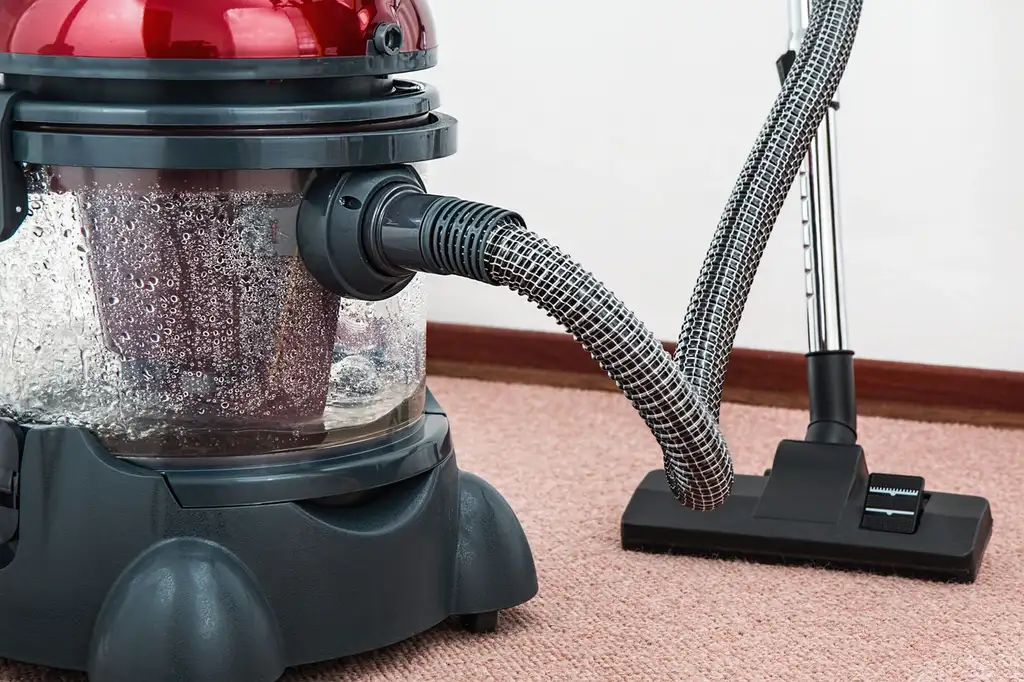
Dehumidifiers cannot dry a room that still has standing water. We use a water extraction unit and wet/dry vacuum to pull the bulk of the water out of carpet, padding, and hard surfaces. If the source is a burst pipe or appliance leak, we confirm it is shut off before we start. This step usually takes one to three hours.
We set commercial dehumidifiers and air movers based on the drying map. Air movers get angled to push air across wet surfaces, not just around the room. We use plastic sheeting to contain the drying zone when needed and a drying mat to protect hardwood. Setup takes about an hour for a standard basement.
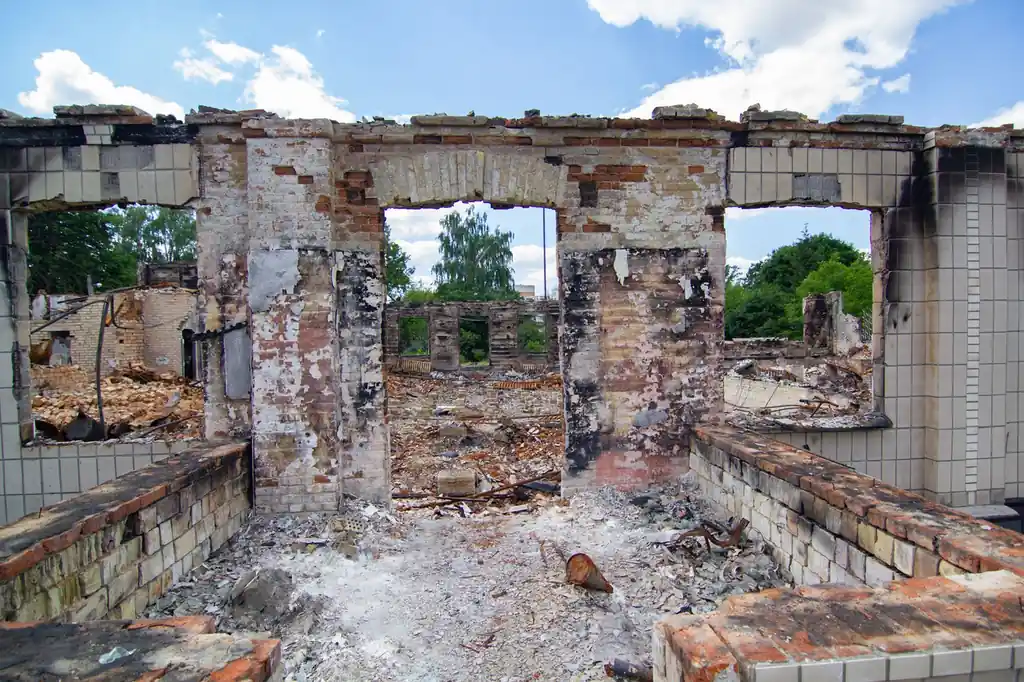
We come back every 24 hours to log moisture readings with the moisture meter and hygrometer. If the numbers are not dropping fast enough, we add equipment or adjust airflow. You get a written log of the readings, which your insurance adjuster can use. Most jobs need two to four monitoring visits.
When materials reach normal moisture content, we pull the equipment and do a final walkthrough with the thermal imaging camera to confirm no hidden moisture remains. We also check for any mold growth that started before we arrived. The whole process runs three to five days for a typical Philadelphia basement.
Move across a circle, or focus it and press Enter, for an illustrative thermal view of the photograph.
Commercial-grade units that pull large volumes of water from the air. We size them to your square footage.
High-velocity fans that keep air moving across wet surfaces. They speed evaporation and prevent mold.
We use these to measure moisture content in materials and humidity in the air. They tell us when drying is complete.
Finds hidden moisture behind walls and under floors without cutting. It shows us where to place equipment.
A camera on a flexible rod that lets us see inside wall cavities. We use it to check for moisture and mold.
Thermal views are illustrative, generated from the photographs.
Removes standing water from carpet, padding, and hard surfaces before we start drying.
A mat that pulls moisture out of hardwood flooring slowly to prevent cupping and buckling.
The industry standard for water damage restoration. It guides how we classify water, set up drying equipment, and monitor progress. Following it ensures a consistent, documented dry.
We create a map of all wet areas using meter readings and thermal images. This map drives equipment placement and tells us when each area is dry.
We record moisture readings every 24 hours. If readings are not dropping, we adjust airflow or add equipment. The log is your proof of a proper dry.
We apply antimicrobial solution to wet surfaces after extraction. This stops mold and bacteria from growing during the drying process.
A pipe bursts in your Philadelphia rowhome at 2 a.m. and water is spreading across the basement floor.
Call 215-281-3000. We dispatch a crew with extraction equipment and dehumidifiers. We shut off the water if needed, extract the standing water, and set up drying equipment the same night.
Outcome: You wake up to a basement that is already drying, not a mold problem waiting to happen.
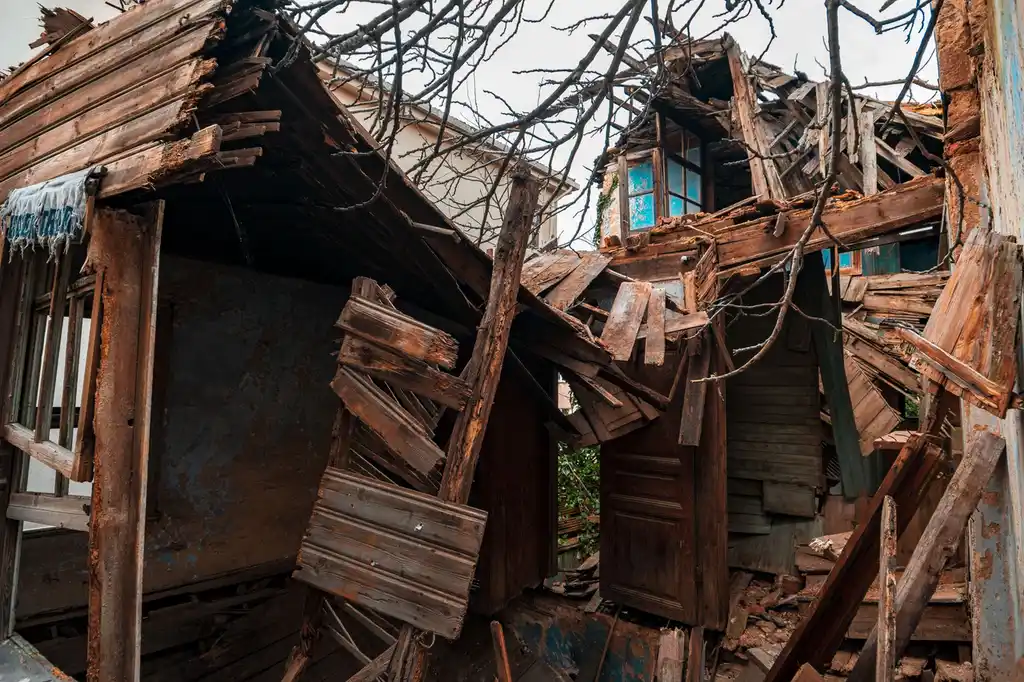
Your sump pump fails during a heavy rainstorm and your finished basement takes on an inch of water.
We extract the water and place dehumidifiers and air movers. We also check the sump pump and recommend a replacement. We dry the drywall, carpet, and furniture in place if possible.
Outcome: Your finished basement is dry in three to four days, and you know your pump is working before the next storm.
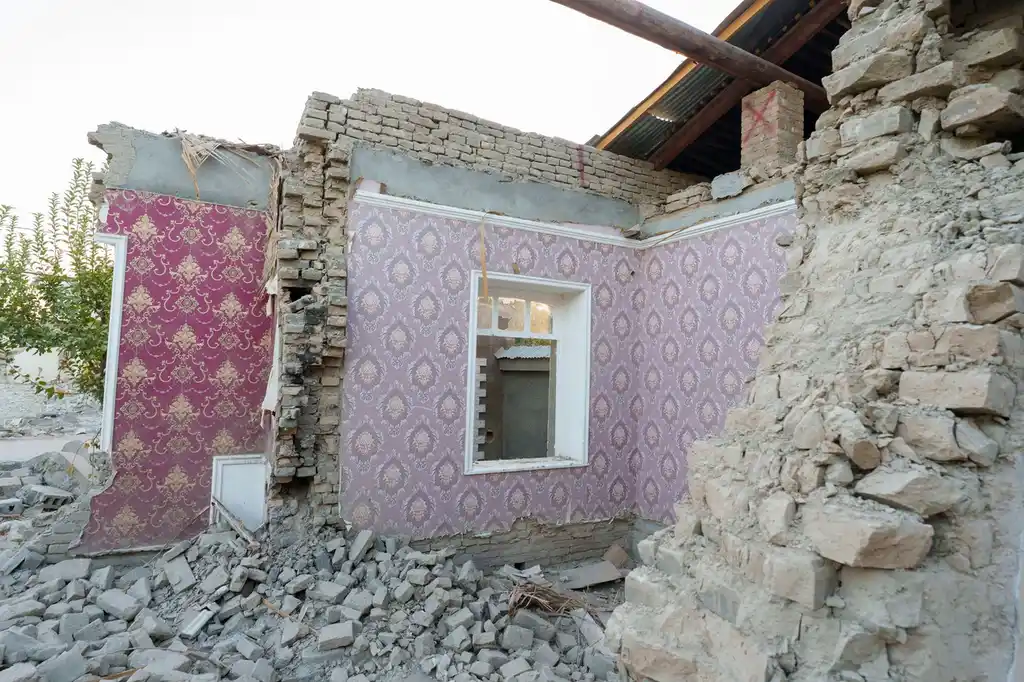
A roof leak soaks your ceiling and insulation, and you notice a musty smell a few days later.
We inspect with a thermal camera to find all wet areas. We dry the ceiling cavity with dehumidifiers without tearing out the whole ceiling. If mold is present, we handle remediation.
Outcome: The musty smell is gone, the ceiling is dry, and you avoid a full ceiling replacement.
You manage a commercial building in Center City and a water heater leak floods a storage room.
We bring commercial dehumidifiers and air movers sized for the space. We work after hours to avoid disrupting your tenants. We document everything for your insurance claim.
Outcome: The storage room is dry and back in use within a week, with no mold and minimal downtime.
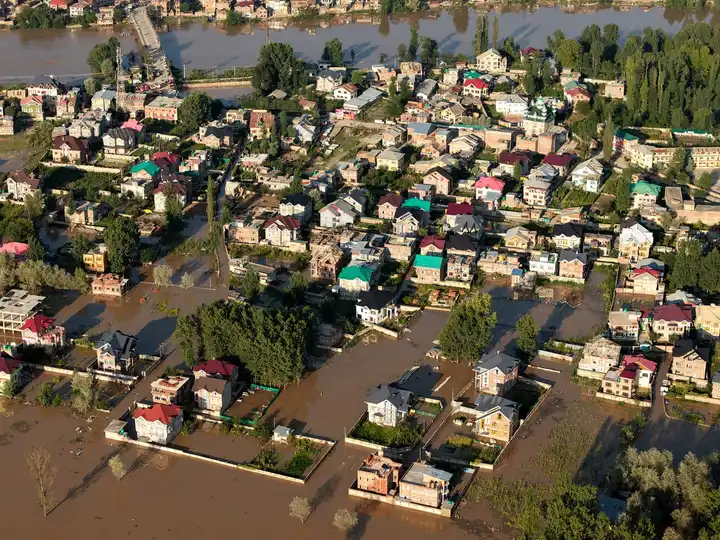
You are buying a Philadelphia home and the inspection found high moisture in the crawl space.
We perform a moisture assessment and set up dehumidification to dry the crawl space. We also apply sealant and recommend a vapor barrier if needed.
Outcome: The crawl space is dry and protected, and you can move forward with the purchase.
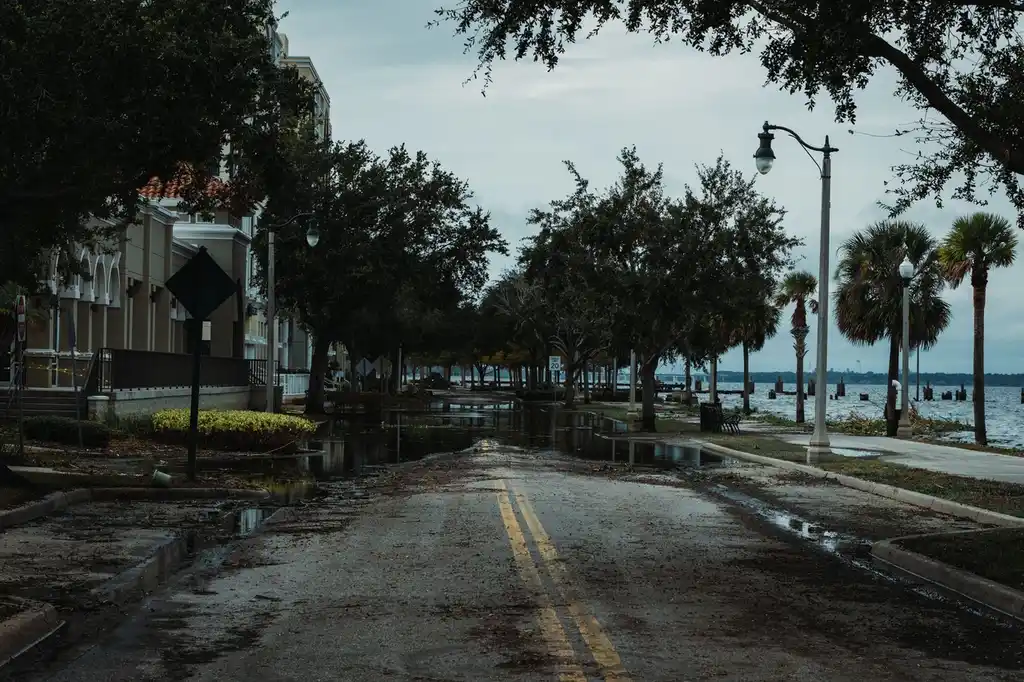
Philadelphia's older rowhomes and stone foundations hold moisture differently than newer construction. Basements are often unfinished with exposed stone or brick, which wicks water and stays damp for weeks. Summer humidity makes it worse. We adjust our drying setup for these conditions, using more air movers and sometimes a desiccant dehumidifier for deep stone walls.
We also know the common failure points: sump pumps in Northeast Philadelphia that die during storms, galvanized pipes in Fishtown that corrode, and flat roofs in Center City that leak after heavy rain. If you need affordable dehumidification Philadelphia, we size the job to your actual space, not a one-size-fits-all package.
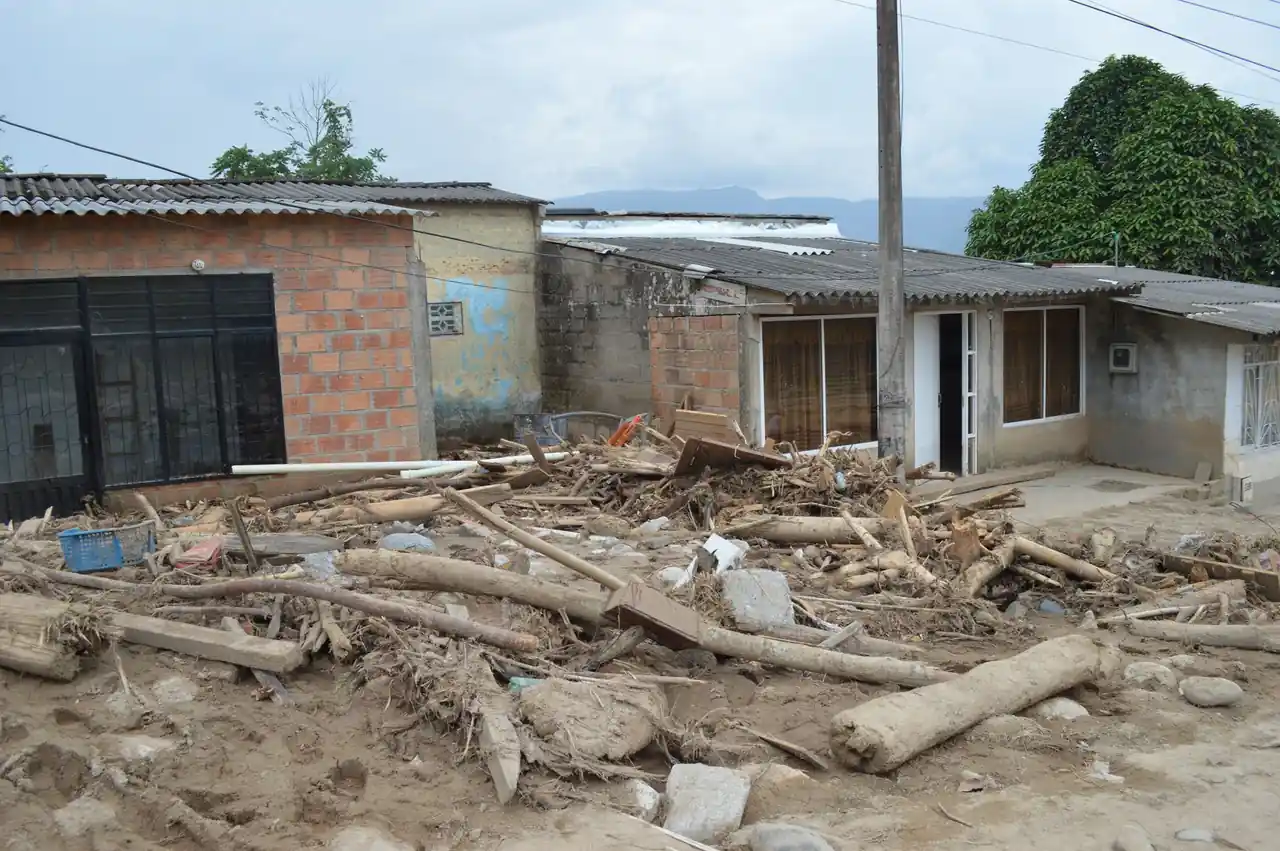
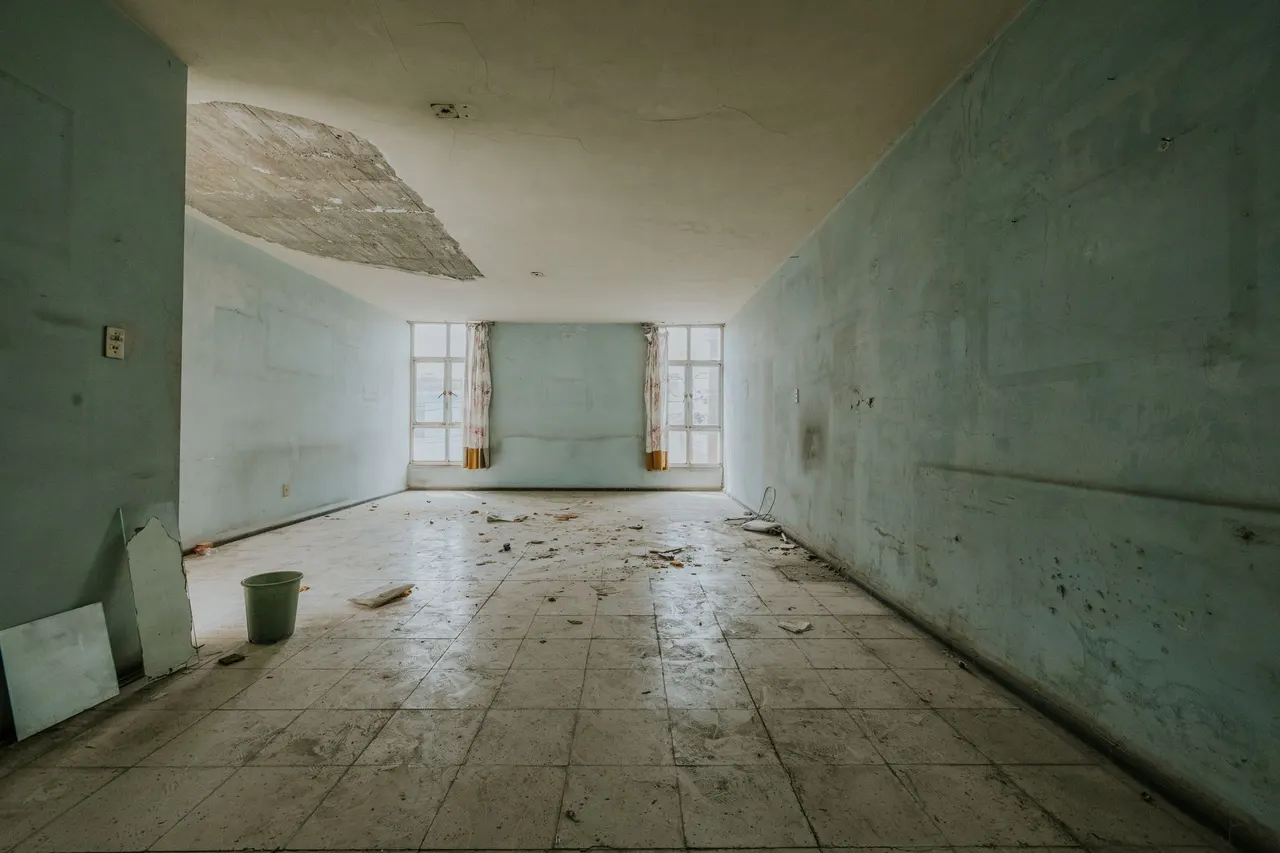
Before: A sump pump failed during a storm, leaving two inches of water across a 600-square-foot finished basement. Carpet, drywall, and furniture were soaked. Humidity was at 85 percent.
After: We extracted the water, set four dehumidifiers and six air movers, and monitored daily. By day four, moisture readings showed the drywall and carpet were back to normal. No mold grew, and the homeowner kept the carpet.
We recommended a new sump pump with a battery backup. The homeowner now tests it before every storm season.
Before: A supply pipe burst above the ceiling, soaking insulation and drywall in a 200-square-foot room. The ceiling was sagging, and moisture readings were at 28 percent in the drywall.
After: We used a boroscope to confirm the leak location, then placed dehumidifiers and air movers in the ceiling cavity. After five days, readings dropped to 12 percent. We patched the small access hole and repainted.
The homeowner now insulates pipes in the attic and keeps the heat at 55 degrees minimum during cold snaps.
Before: A water heater failed on the third floor, sending water through two units below. Carpet, padding, and baseboards were wet. The property manager needed units back in service quickly.
After: We extracted water from both units and set commercial dehumidifiers and air movers. Daily monitoring showed drying progress. By day five, all materials were dry. Tenants moved back in the next day.
We recommended replacing the water heater and installing a drip pan with a drain. The manager now schedules annual inspections.
Philadelphia properties face moisture from old pipes, heavy rain, and humid summers. Here are the most common problems we fix with dehumidification.
Dry materials, no mold, and a documented job.
Mold can colonize a wet surface in 24 to 48 hours. We run commercial dehumidifiers and air movers to drop indoor humidity below 50 percent fast, which shuts down the conditions mold needs. If growth has already started, we flag it for mold remediation Philadelphia before it spreads behind baseboards and into wall cavities.
Hardwood flooring and subfloor start cupping and buckling within days of a leak. Our drying setup pulls moisture through the boards gradually so they can settle back instead of being torn out. On a typical 200-square-foot room, we can bring wood moisture content from 20 percent down to 10 percent in about three days.
Fast drying means less demolition. When we dry drywall and insulation in place instead of cutting it out, your repair bill drops. We document moisture readings before and after, which gives your adjuster the numbers they need to approve the claim without argument.
From a single bathroom leak to a 20,000-square-foot warehouse, we size the equipment to the job. That means Dri-Eaz and Phoenix Restoration dehumidifiers, plus enough air movers to keep every wet surface in the airflow.
What a written scope covers and what shapes it. Prices are set by the business after the first look.
Included
Depends on
Clear records you can keep and share.
Daily readings before, during, and after
Images of setup and progress
Diagram of wet areas and equipment
Written confirmation of dry standard
Dehumidifiers pull water from the air. Air movers speed evaporation from surfaces. You need both.
Removes water vapor from the air
Keeps air moving across wet surfaces
Tracks moisture content in materials
A list like this tells people straight away whether you cover their street. Not listed? Call and ask: it only takes a minute.
Based in Philadelphia and covering the places around it. Pick one for local details.
A single-room setup with one dehumidifier and two air movers costs less than a full basement with multiple units. Commercial dehumidification Philadelphia pricing is quoted per job after we see the space. We give you the number before we start, and we do not add surprise charges.
Water Damage Restoration Philly handles dehumidification for homes and businesses across Philadelphia County. We are based locally and have been drying properties since 2015. If you need a dehumidification company Philadelphia PA you can reach at 215-281-3000, we answer the phone and dispatch a crew.
A typical Philadelphia basement takes three to five days to dry, with equipment running 24 hours a day. Small jobs like a bathroom leak can finish in two days. Larger losses, like a flooded commercial space or a rowhome with water in the walls, can take seven to ten days. We check moisture readings daily and pull the equipment as soon as the structure is dry.
If you have a small, contained leak and you can monitor it yourself, a dehumidifier rental Philadelphia might be enough. But if water got into walls, under flooring, or into a crawl space, you need a full dehumidification service with moisture mapping and daily monitoring. We can help you decide over the phone. Call 215-281-3000 and describe what happened.
Other services from the same team.
Call 215-281-3000 and we will dispatch a crew to your Philadelphia property. We bring commercial dehumidifiers, air movers, and moisture meters. We give you a clear price before we start. Same-day service for active leaks and flooded basements.
Call 215-281-3000 any time, day or night. We answer live, ask what happened, and dispatch a crew. If you prefer email, send photos and your address to [email protected] and we'll respond within the hour. Most Philadelphia calls get a technician on-site within 60 to 90 minutes.