For homes
A failed heater in a Philadelphia home can soak a basement, floor, or ceiling within minutes. We stop the water, dry the structure, and document the loss for your claim.
- Basement heater leaks
- Ceiling stains below
- Soaked carpet padding
When your water heater lets go, water Heater Leak Cleanup Philadelphia PA means stopping the source, pulling the water, and drying the structure before mold sets in. We handle tank failures, burst supply lines, and valve leaks in rowhomes, twins, and high-rises from Center City to the Northeast. One call gets a crew moving with extraction units and drying gear. Call 215-281-3000.
 Shutoff firstMeter readingsDaily checks
Every job starts with the same core scope: stop the water, extract what is standing, dry the structure, and document the loss. What changes is how far the water traveled and what materials it touched. Here is what is standard on a Philadelphia water heater leak cleanup.
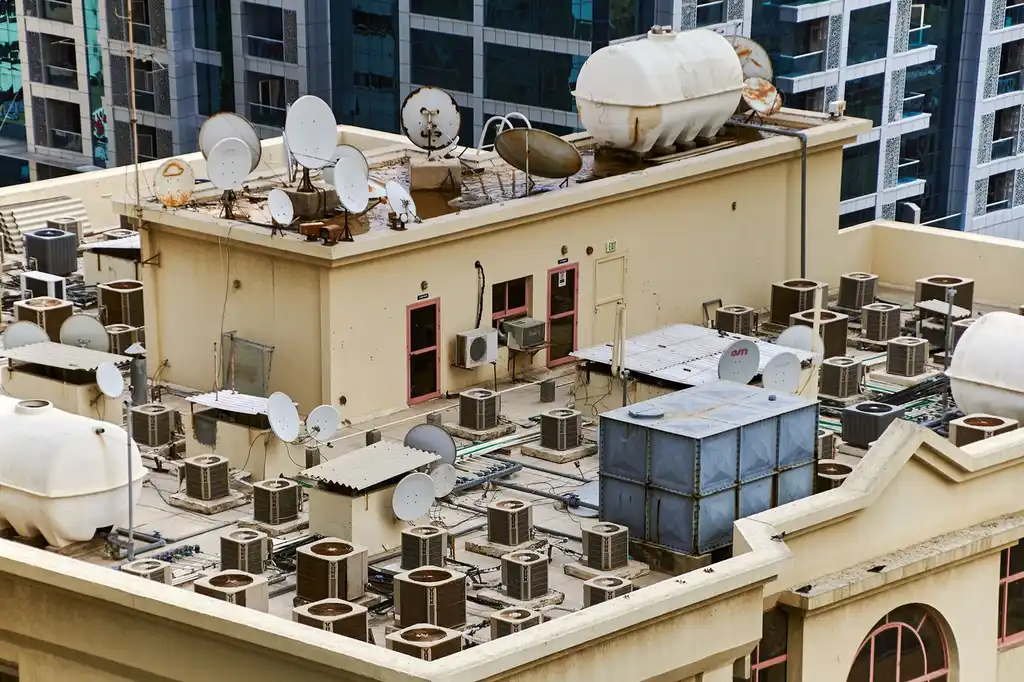
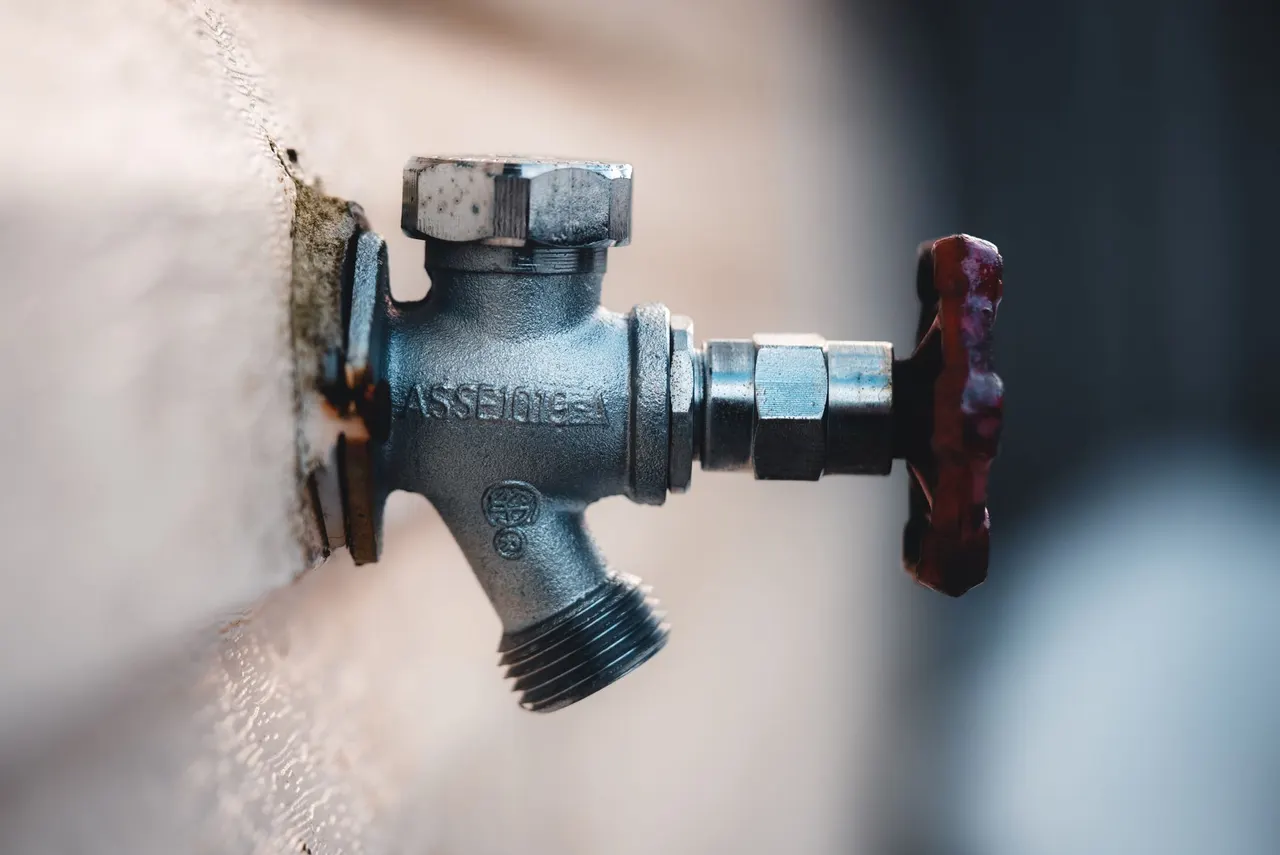
We isolate the heater supply and kill power or gas before anything else. That stops the leak from adding water while we extract, and it protects you and the crew from a live electrical or gas hazard.
Water extraction units and wet/dry vacuums pull standing water from floors, basements, and low spots. We work from the deepest point outward and remove soaked carpet padding that cannot be dried in place.
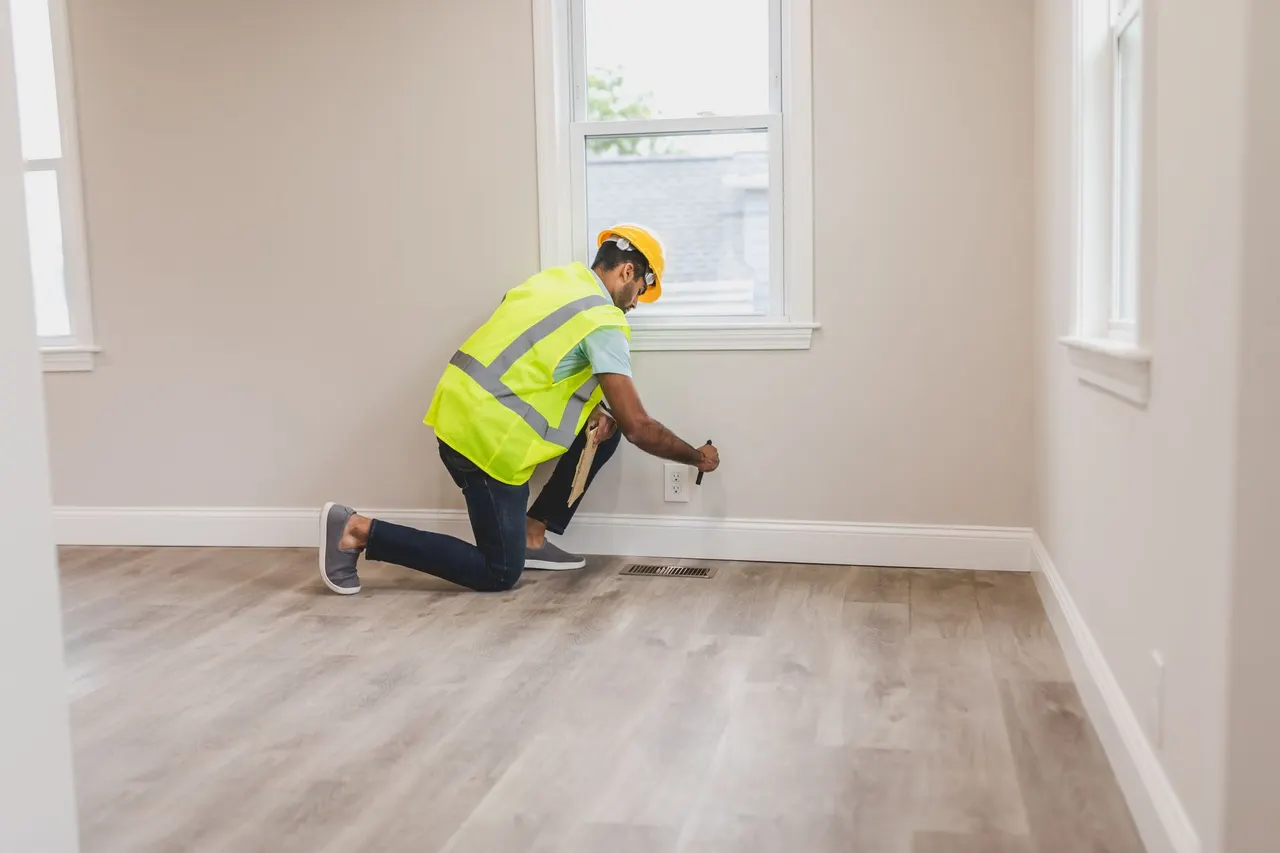
A moisture meter, hygrometer, and thermal imaging camera trace how far water wicked into walls, subfloor, and ceilings. The map drives where we place drying equipment, so nothing wet gets missed behind a finished surface.
Commercial dehumidifiers and air movers run until framing, drywall, and subfloor hit dry standard. We check readings daily and adjust equipment placement rather than letting it sit in one spot for a week.
Wet cavities get treated with antimicrobial solution to slow mold growth while drying is underway. This is standard on any heater leak where water sat for more than a few hours.
Photos, moisture logs, and affected-material lists get compiled for your claim. We include the readings and the scope so your adjuster can process the loss without chasing us for details.
The approach is the same for a home and a business. What changes is the access, the schedule and who needs the paperwork.
A failed heater in a Philadelphia home can soak a basement, floor, or ceiling within minutes. We stop the water, dry the structure, and document the loss for your claim.
A heater failure in a restaurant, office, or retail space can shut you down and damage inventory. We work around your hours to extract, dry, and document the loss.
A plain-language look at what Water Heater Leak Cleanup involves and when it is needed.
See how it worksWater Heater Leak Cleanup Philadelphia PA is the process of stopping the leak, extracting standing water, and drying every wet material a failed tank or supply line touched. A 40-gallon heater can dump that water in under three minutes. We shut the supply, kill the power or gas, then run moisture meters and a thermal imaging camera to map how far it traveled. Water wicks through subfloor, baseboard, and drywall fast, so we trace the full footprint before any equipment gets placed.
Philadelphia's housing stock makes this worse than most cities. Rowhomes share party walls, so a leak in Fishtown or Port Richmond can soak the neighbor's joists. Older galvanized and copper lines fail at the fittings, and finished basements in Mayfair or Somerton hide the damage until the ceiling sags. If you search for water heater leak cleanup near me Philadelphia PA at 2 a.m., you want a crew that knows these blocks, not a call center reading a script.
Stop the water, dry the structure, verify with readings before anything gets closed up.
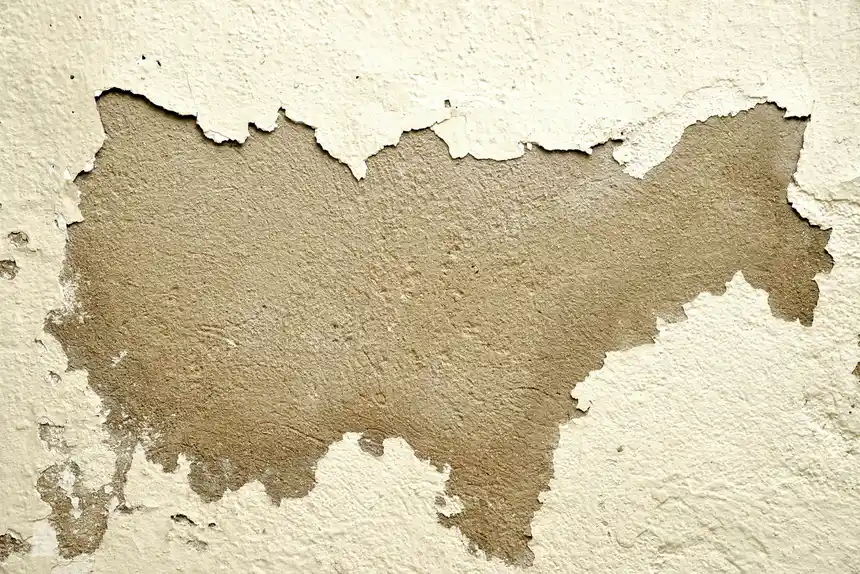
Every job follows the same sequence, whether it is a 19154 condo or a Bridesburg rowhome. Here is what you will see from the first call to the final walkthrough.
You call 215-281-3000 and describe the leak. We ask where the heater sits, whether the floor is finished, and if water reached a basement or ceiling. That tells us what to load. A crew rolls with extraction and drying gear already staged, so there is no second trip for equipment.
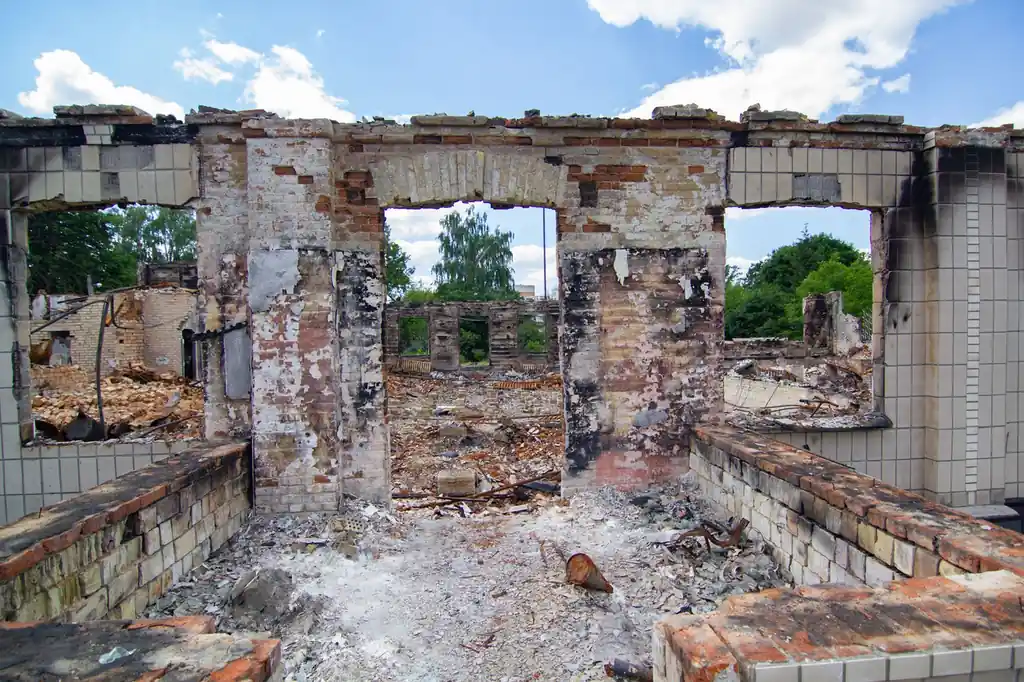
First move on arrival is shutting the water supply and killing power or gas to the heater. We confirm the tank is not still pressurized and check for a burst pipe or failed fitting feeding the unit. This takes five to ten minutes and stops the damage from growing while we work.

We pull standing water with a water extraction unit and wet/dry vacuum, working from the deepest point outward. Carpet padding that is soaked gets removed and bagged. On hardwood, we extract between boards and set drying mats. Most rooms are free of standing water within an hour.
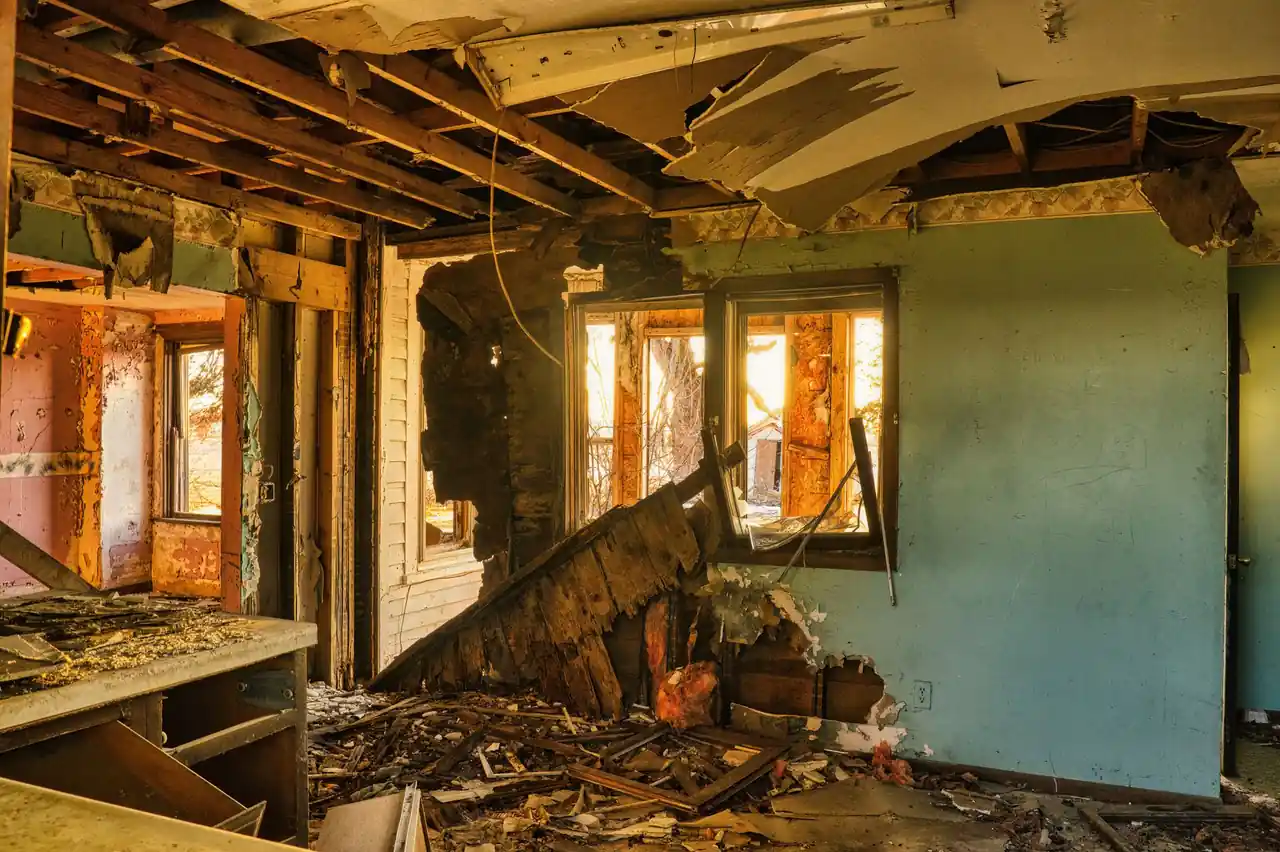
Commercial dehumidifiers and air movers go in next, positioned by a moisture meter and thermal imaging camera reading, not by guesswork. We check drywall, subfloor, and baseboard with a hygrometer each day. Typical dry time is three to five days, and we tell you the target before we leave.
We do not pull equipment until readings match dry standard. A boroscope checks inside wall cavities, and we photograph everything for your records. You get a written summary of what was wet, what we dried, and what your plumber needs to address on the heater itself.
Move across a circle, or focus it and press Enter, for an illustrative thermal view of the photograph.
Pulls large volumes of standing water from floors and carpet faster than a shop vac, which limits how far the water spreads.
Shows temperature differences behind walls and under floors so we can find hidden moisture without tearing out finished surfaces.
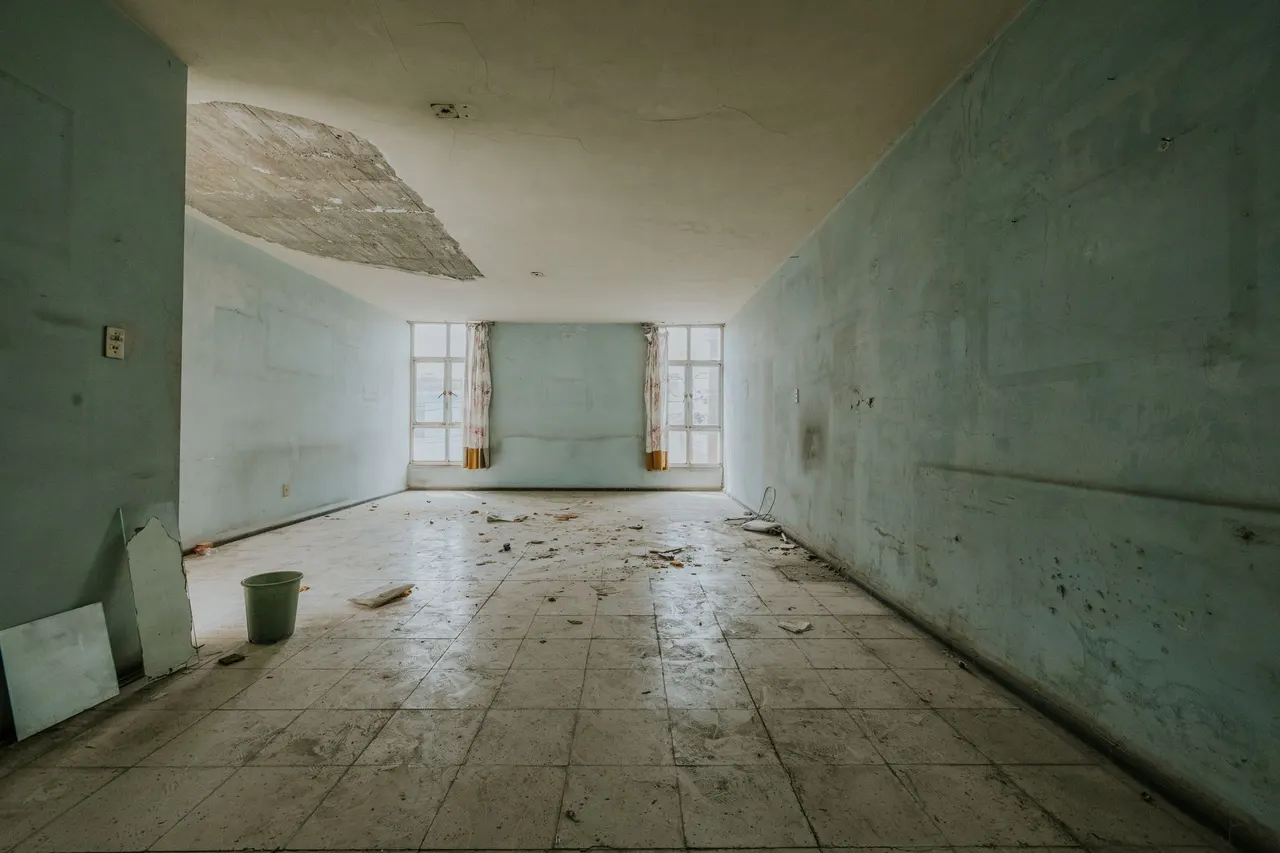
Measures moisture content in materials and humidity in the air, which tells us when drying is actually complete.
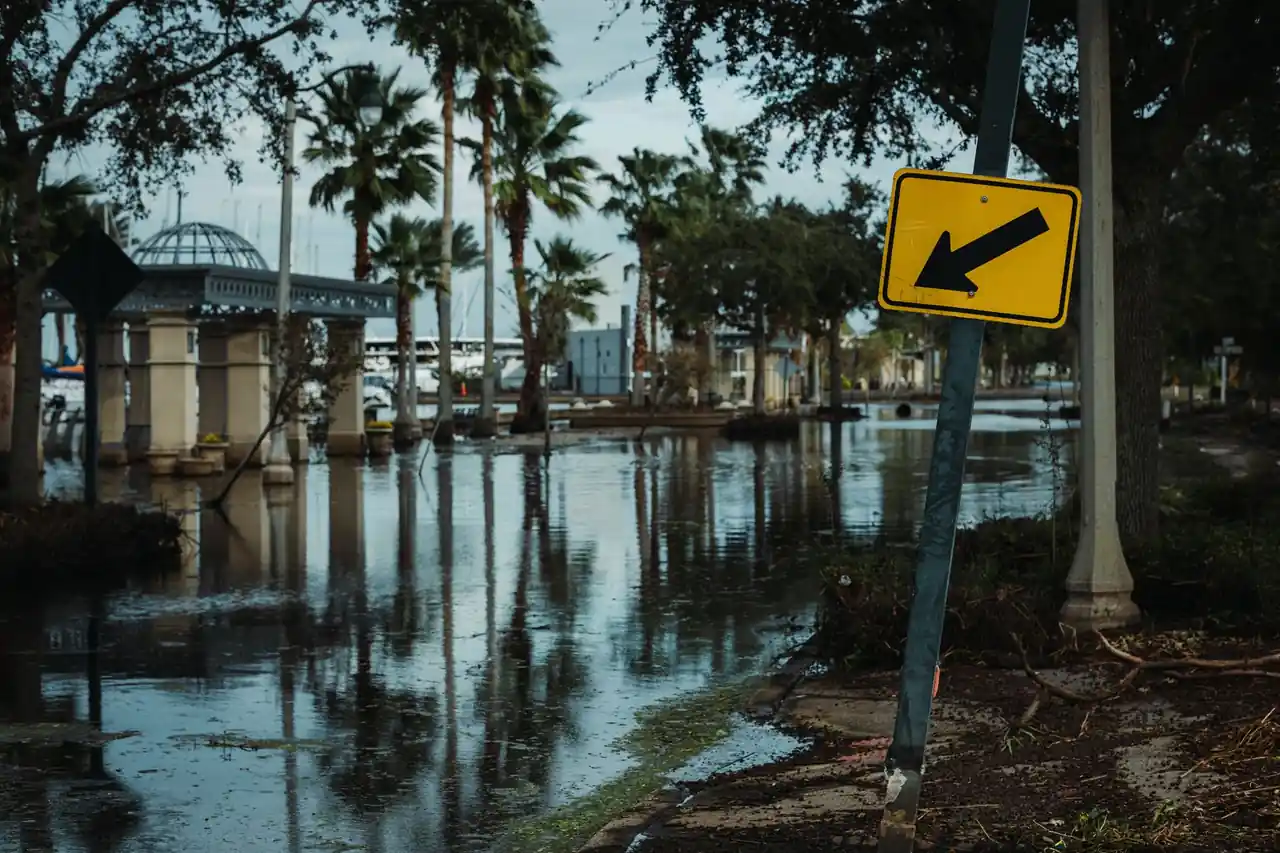
Removes moisture from the air so wet materials release water faster, especially in Philadelphia's humid spring and summer.
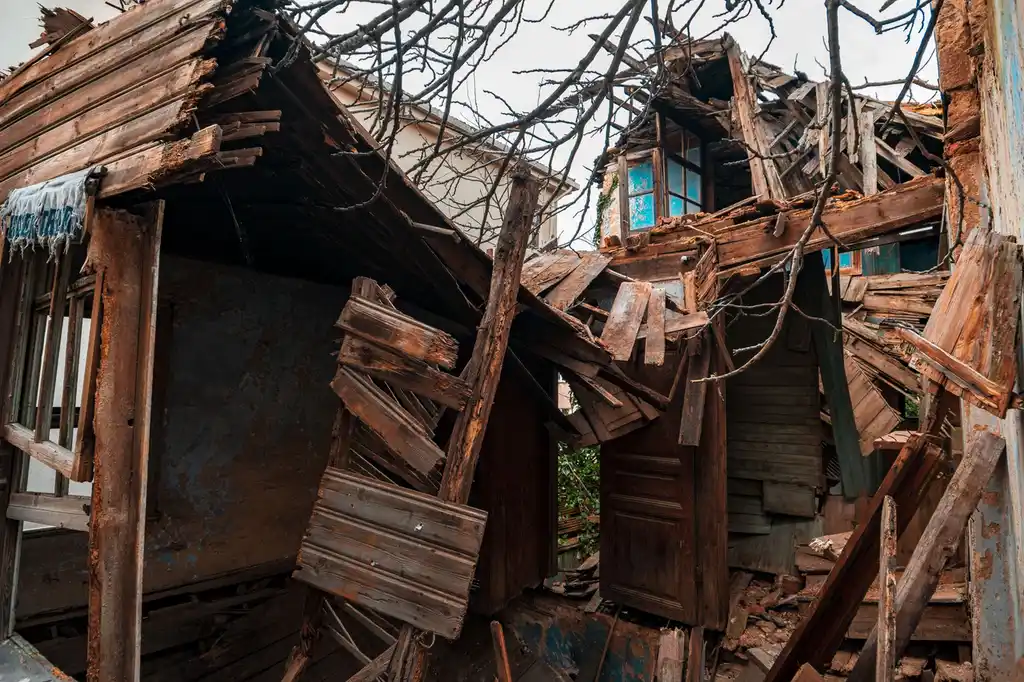
Directs high-volume airflow across wet surfaces and into wall cavities to speed evaporation.
Thermal views are illustrative, generated from the photographs.
Lets us look inside wall cavities and under cabinets to confirm moisture is gone before we close anything up.
Neutralizes musty odors left behind after a heater leak once the structure is dry.
We follow the S500 water damage standard for extraction, drying, and documentation. It sets the dry standard we work to, which is why our readings are defensible with an adjuster.
Equipment placement is based on a moisture map, not a guess. We mark wet zones with a meter and thermal camera, then position dehumidifiers and air movers to target them.
Readings get logged every day. If a wall is drying slower than expected, we adjust airflow or add equipment rather than waiting out the clock.
When mold is present or suspected, we set plastic sheeting containment and HEPA vacuum surfaces to keep spores from spreading during removal.
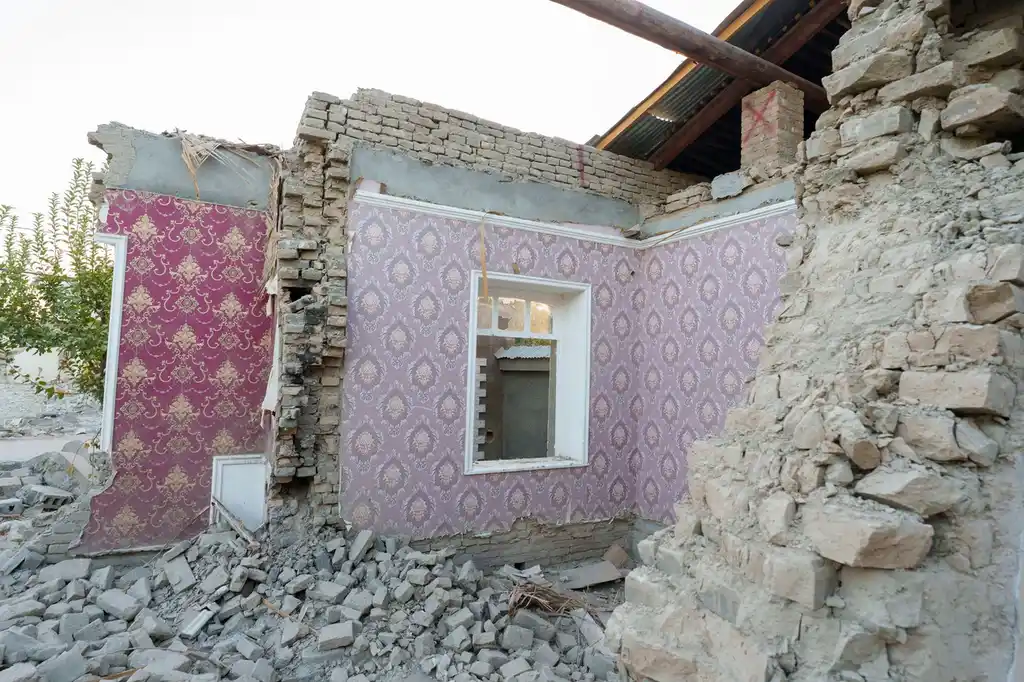
A 12-year-old heater in a Port Richmond rowhome starts leaking at the base on a Saturday morning.
We shut the supply, extract the water from the basement floor, and set drying equipment. The plumber replaces the tank while we dry the surrounding structure.
Outcome: Basement floor and lower wall dry in four days, and the new heater goes in without tearing out the finished space.
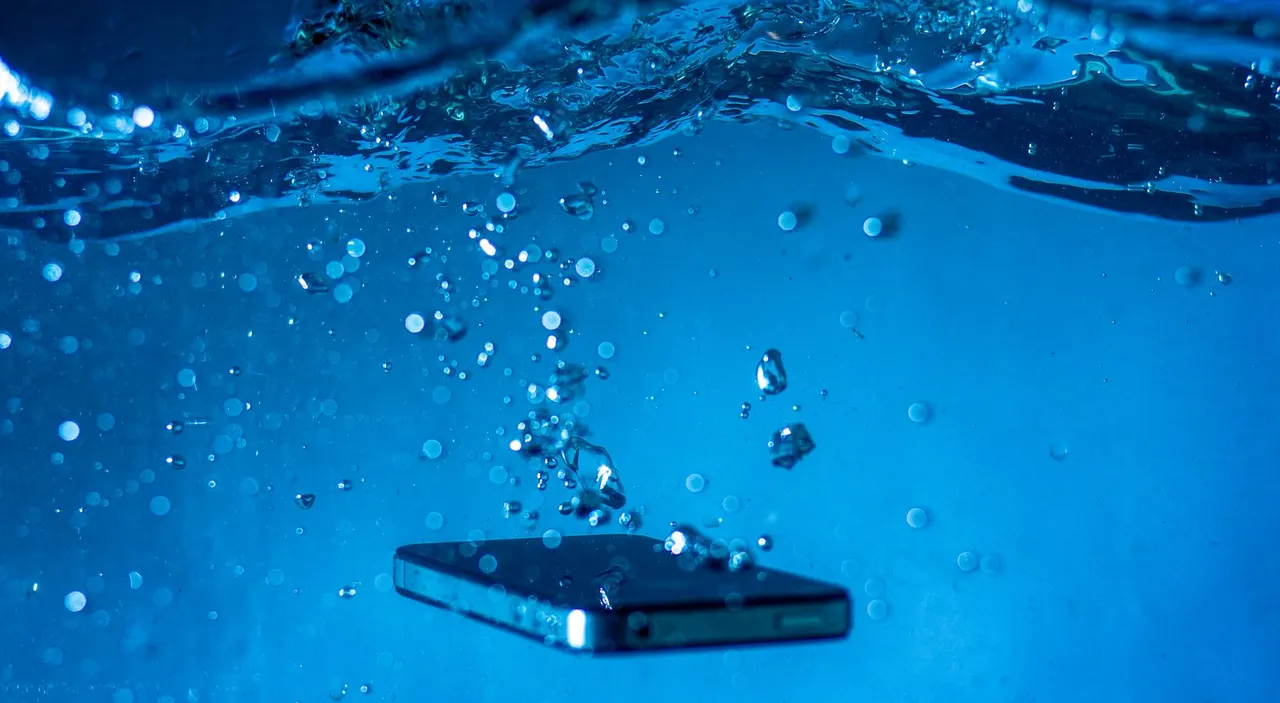
A Center City condo heater fails and water reaches the unit below through the ceiling.
We mobilize to both units, map the water path with thermal imaging, and dry the joists and ceiling from above and below.
Outcome: Both units dry in five days, and the building's management has documentation for the insurance claim.
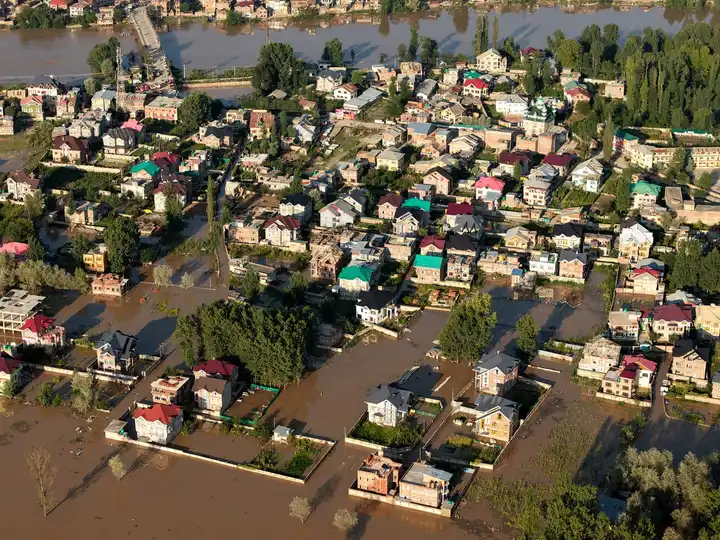
A Northeast Philadelphia twin has a burst supply line feeding the heater during a January cold snap.
We isolate the line, extract the combined water, and dry the basement and adjacent crawl space with dehumidifiers and air movers.
Outcome: Framing hits dry standard in four days, and the crawl space is treated before mold can take hold.

A Germantown homeowner notices a ceiling stain weeks after a slow heater drip.
We trace the moisture with a moisture meter and boroscope, open the affected ceiling section, and dry the joists.
Outcome: The hidden moisture is removed, the ceiling is repaired, and the stain does not return.
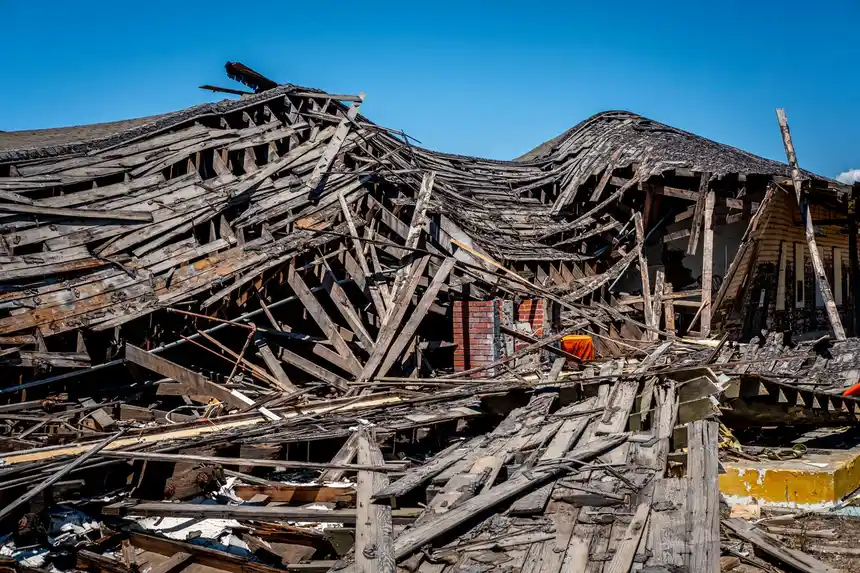
A Manayunk restaurant's water heater fails overnight and floods the kitchen and storage area.
We work after hours to extract, dry the tile and drywall, and protect the walk-in and prep areas so the kitchen can reopen.
Outcome: The space dries in three days, and the owner has documentation for a business interruption claim.
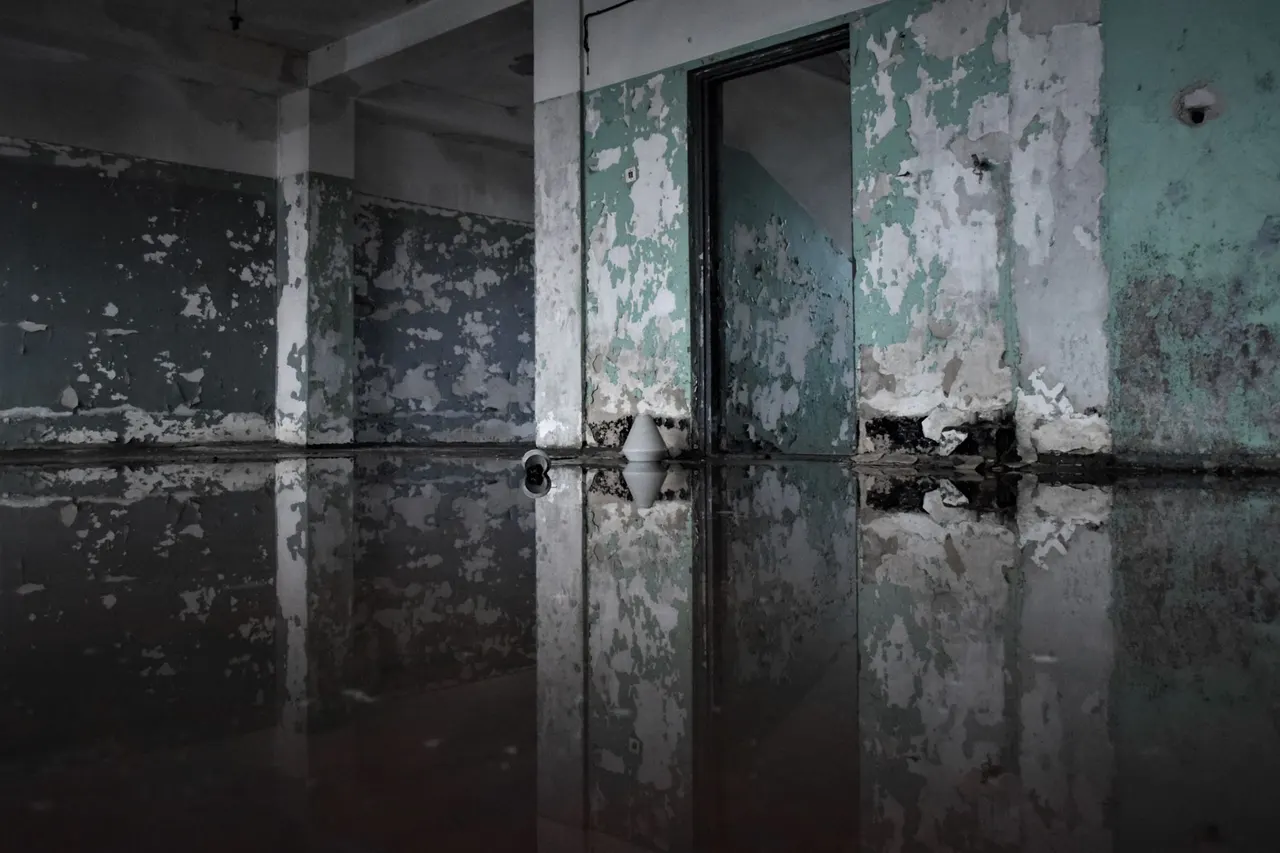
Philadelphia water heaters live in basements, utility closets, and mechanical rooms, and most of those spaces are unfinished or only partly finished. That helps in some ways and hurts in others. An unfinished basement in Bridesburg dries faster, but a finished basement in Somerton hides water under carpet and behind drywall.
Our rowhome stock means shared party walls, so a leak in Kensington can soak the neighbor's joists before anyone notices. Winter cold snaps burst supply lines, and summer humidity slows drying unless dehumidifiers are sized right. We work to Philadelphia L&I requirements when structural repairs are needed, and we follow EPA Lead-Safe practices in pre-1978 housing.
If you search for water heater leak cleanup in Philadelphia, Pennsylvania, you want a crew that knows these buildings, not a national franchise reading a checklist.
Before: A 50-gallon heater failed overnight and dumped roughly 40 gallons across a finished basement floor. Carpet padding was soaked, and water had wicked two feet up the drywall.
After: We extracted the standing water, removed the padding, and dried the slab and walls in four days. Moisture readings returned to dry standard, and the carpet was re-stretched rather than replaced.
Keep the area around the new heater clear, and check the pan and drain line every few months.
Before: A heater in a 14th-floor unit leaked through the slab into the condo below. The ceiling showed a stain, and the joists were wet but not yet sagging.
After: We dried both units over five days with dehumidifiers and air movers, confirmed dry readings with a moisture meter, and repaired the ceiling section. No mold growth appeared.
Have the heater pan and drain checked annually, and keep a moisture alarm under the unit. Early warning is the difference between a stain and a ceiling replacement.
Before: A slow heater drip ran for weeks in a finished basement. Carpet was damp, baseboard was soft, and mold had started on the lower drywall.
After: We removed the affected drywall and insulation, treated the framing with antimicrobial solution, and dried the space in five days. The basement was rebuilt with mold-resistant drywall.
Run a dehumidifier in the basement through summer, and check the heater base for rust or moisture every month. Catching a drip early avoids a rebuild.
A failed heater causes more than a puddle. Here are the problems we see most often and how we handle them.
A dry structure and documented loss, without mold later.
We isolate the supply and power within minutes of arrival, then extract standing water with wet/dry vacuums and a water extraction unit. Most single-family jobs pull 15 to 60 gallons off the floor before drying even starts, which is the difference between a saved subfloor and a full tear-out.
A mop and a fan do not dry a wall cavity. We set commercial dehumidifiers and air movers, then check readings with a hygrometer and moisture meter until the framing hits dry standard. That is how you avoid the mold growth that shows up two weeks after a cheap cleanup.
Hardwood flooring, carpet padding, and drywall all react differently to a water heater leak. We use drying mats on hardwood, lift baseboard to open wall cavities, and cut only the drywall that is truly compromised. Fewer cuts means less repair cost on the back end.
We document moisture readings, photos, and affected materials in a format your adjuster recognizes, including Xactimate-style line items. That documentation is why so many Philadelphia water heater leak cleanup services jobs move through insurance without a fight.
What a written scope covers and what shapes it. Prices are set by the business after the first look.
Included
Depends on
Clear records you can keep and share.
Daily readings from every visit
Before, during, and after images
What was wet and what we dried
Documents formatted for your adjuster
A heater tank leak is usually clean water. Once it mixes with a floor drain backup or sewage, the cleanup changes.
Clean water from the tank or supply line
Water that sat and picked up contaminants
Water mixed with sewage or waste
A list like this tells people straight away whether you cover their street. Not listed? Call and ask: it only takes a minute.
Based in Philadelphia and covering the places around it. Pick one for local details.
A single-room extraction and dry-out sits at the low end. Finished basements, hardwood floors, or water that reached a ceiling push it higher. We give you the number before we start, and we document everything for your insurance claim.
If your tank failed, a plumber has to make the mechanical fix. Our job is stopping the water damage from spreading and getting the structure dry. One call to 215-281-3000 and we coordinate both pieces.
Most homeowner policies cover sudden water heater failures, including extraction and drying, but not the heater replacement itself or damage from a leak you ignored for weeks. We photograph the loss, log moisture readings, and provide documentation your adjuster can use. Call your insurer early, and call us at 215-281-3000 to start drying.
Extraction usually takes one to three hours. Structural drying runs three to five days for most Philadelphia homes, with daily moisture checks. If water reached a basement ceiling or soaked hardwood, expect the longer end. We tell you the target dry time on day one and do not pull equipment until readings confirm the structure is dry.
Other services from the same team.
Water spreads while you wait. Call 215-281-3000 and a crew heads your way with extraction and drying equipment. We serve all of Philadelphia County, and we tell you the plan before we start.
Call 215-281-3000 any time, day or night. We answer live, ask what happened, and dispatch a crew. If you prefer email, send photos and your address to [email protected] and we'll respond within the hour. Most Philadelphia calls get a technician on-site within 60 to 90 minutes.