For homes
We handle appliance leaks in Philadelphia rowhomes, twins, and condos. You get extraction, drying, and repair in one visit.
- Washer hose burst
- Dishwasher line leak
- Refrigerator line drip
When a washer hose or dishwasher line lets go, appliance leak water damage Philadelphia PA spreads under cabinets and into ceilings within minutes. Our team handles appliance leak repair in Philadelphia and full drying, from Center City rowhomes to Northeast Philadelphia basements. We extract standing water, pull wet materials, and dry the structure before mold takes hold. Call 215-281-3000.
 Check moistureExtract waterSet drying gear
Every appliance leak water damage job starts with a full assessment and ends with a dry, repaired space. Here is what is covered in a standard scope, and what we handle as an add-on when the damage is larger.
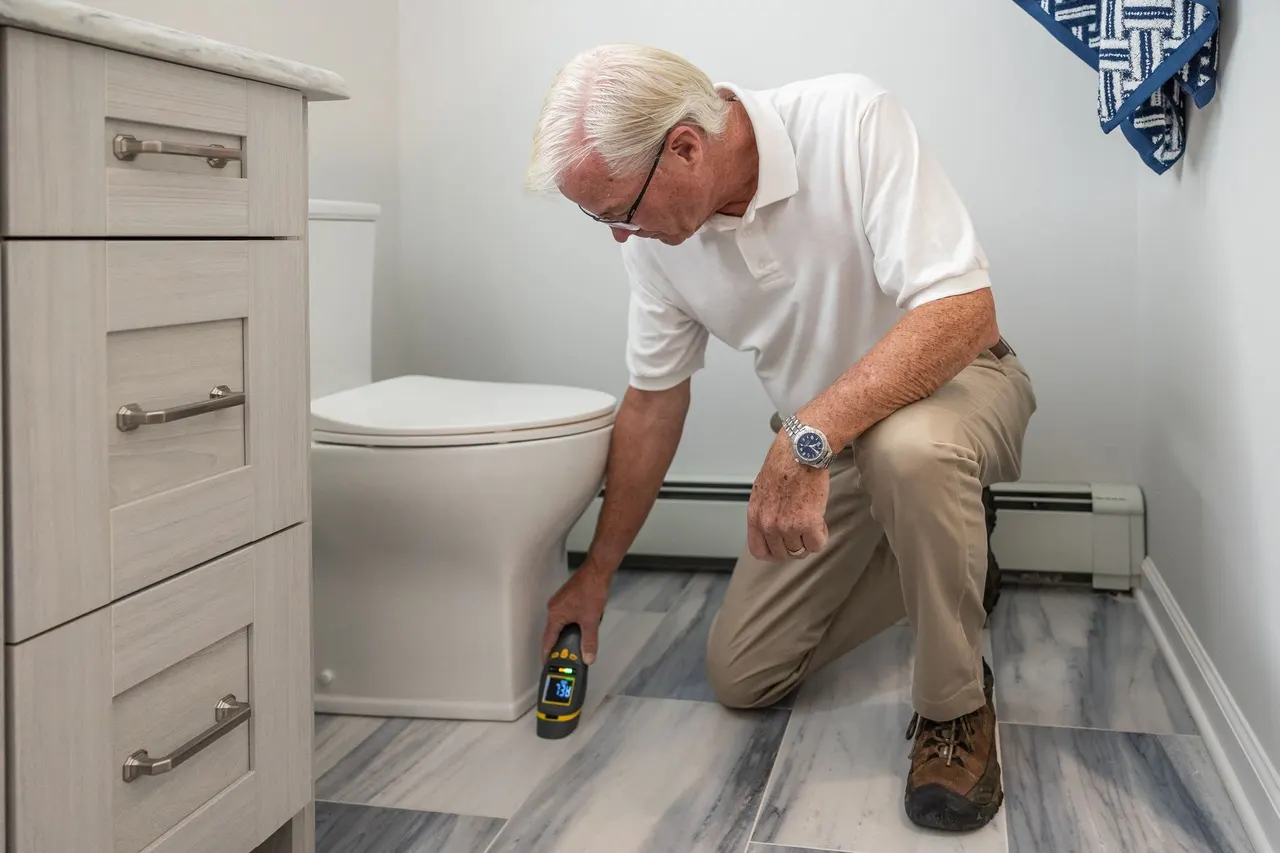
We confirm the appliance is off, then inspect the affected area with a moisture meter and thermal imaging camera. You get a clear explanation of what is wet, what is not, and what we plan to dry or remove.
Standing water gets pulled with a water extraction unit and wet/dry vacuum. Carpet padding that is saturated usually comes out because it rarely dries in place. We check wall cavities with a boroscope when needed.
We set commercial dehumidifiers and air movers to dry subfloor, drywall, and framing. A hygrometer and moisture meter track progress daily. Most Philadelphia appliance leak jobs dry in three to five days.
Affected surfaces get treated with antimicrobial solution to stop mold growth. This is especially important in basements and crawl spaces where moisture lingers. We also use plastic sheeting to contain dust during any removal work.
We replace failed supply lines, shutoff valves, and drain hoses. Then we run the appliance and watch for drips. This is the appliance leak repair Philadelphia step that prevents the same problem from happening again.
We photograph the loss, log moisture readings room by room, and prepare a report formatted for Xactimate. That documentation helps your adjuster process the claim and can support direct billing with many carriers.
The approach is the same for a home and a business. What changes is the access, the schedule and who needs the paperwork.
We handle appliance leaks in Philadelphia rowhomes, twins, and condos. You get extraction, drying, and repair in one visit.
We work around your service hours to dry commercial kitchens and laundry rooms. Your insurance claim gets documented from the first visit.
A plain-language look at what Appliance Leak Water Damage involves and when it is needed.
See how it worksAppliance leak water damage Philadelphia PA is the cleanup and drying work that follows a failed supply line, drain hose, or internal appliance seal. A washing machine hose can push 8 to 10 gallons per minute onto your floor. Dishwasher and refrigerator lines fail slower, but they soak cabinet bases, subfloor, and carpet padding just as badly. We shut off the source, extract standing water with a wet/dry vacuum and water extraction unit, then dry the structure with commercial dehumidifiers and air movers until moisture readings match a dry standard.
Most Philadelphia appliance leaks we see start in kitchens and laundry rooms of older rowhomes, where supply lines are original and shutoff valves are frozen open. Water travels downhill through floor joists into basements and crawl spaces, which is why a small puddle often means a much larger hidden problem. If you search appliance leak water damage near me Philadelphia PA after hours, we answer and dispatch. Our technicians carry moisture meters, thermal imaging cameras, and hygrometers to map exactly how far the water traveled before it reaches drywall or insulation.
An appliance leak is small on the surface and often much larger underneath.
Every job follows the same five steps, whether it is a refrigerator line in Fishtown or a burst washer hose in Chestnut Hill.
You call 215-281-3000 and describe what happened. We ask where the appliance sits, how long it has been leaking, and whether water reached a basement or ceiling. That tells us what equipment to load. A technician is dispatched with extraction and drying gear ready to go.
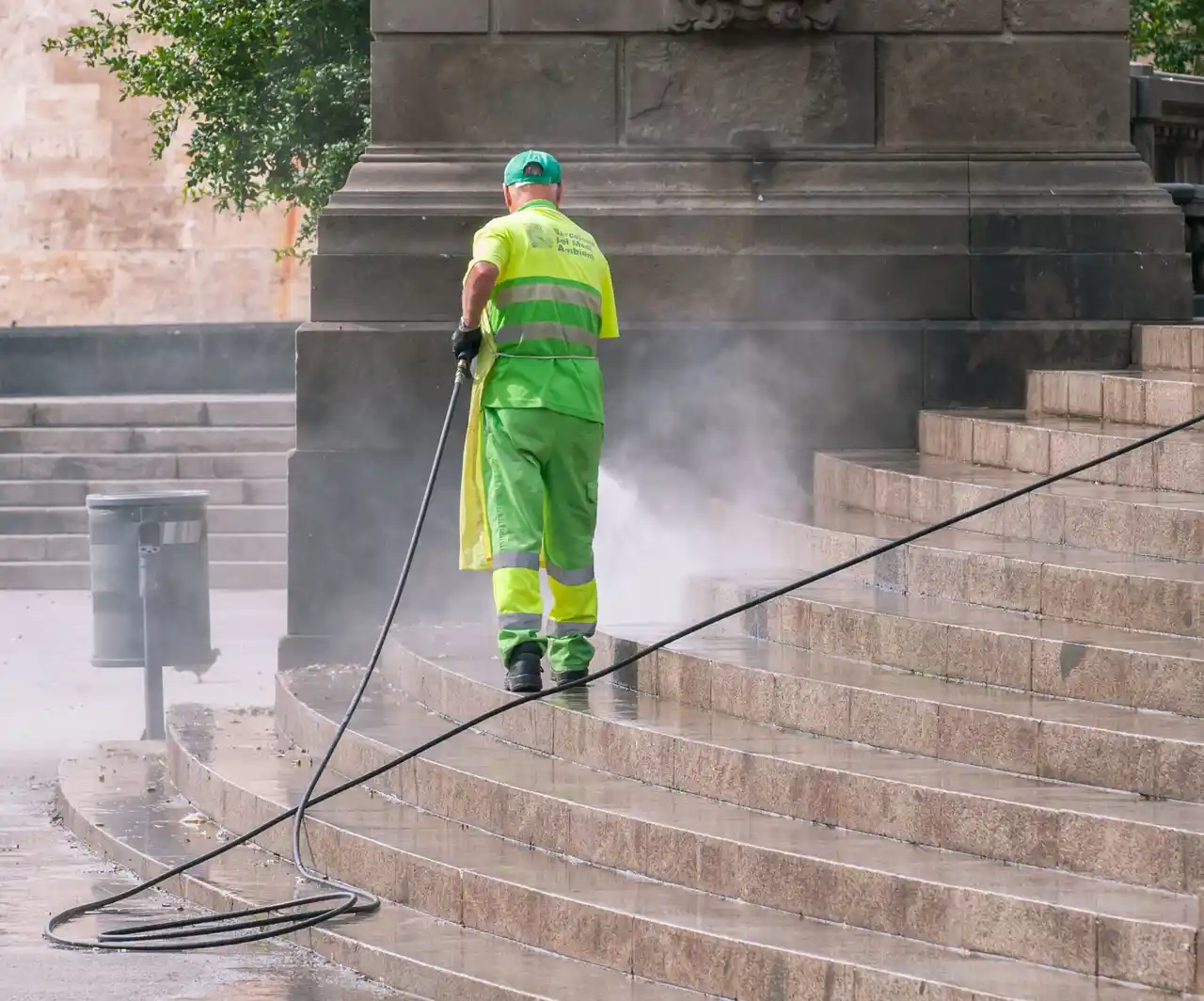
We confirm the source is off, then walk the affected area with a moisture meter and thermal imaging camera. We check adjacent rooms, closets, and the floor below. You get a clear explanation of what is wet, what is not, and what we plan to dry or remove.
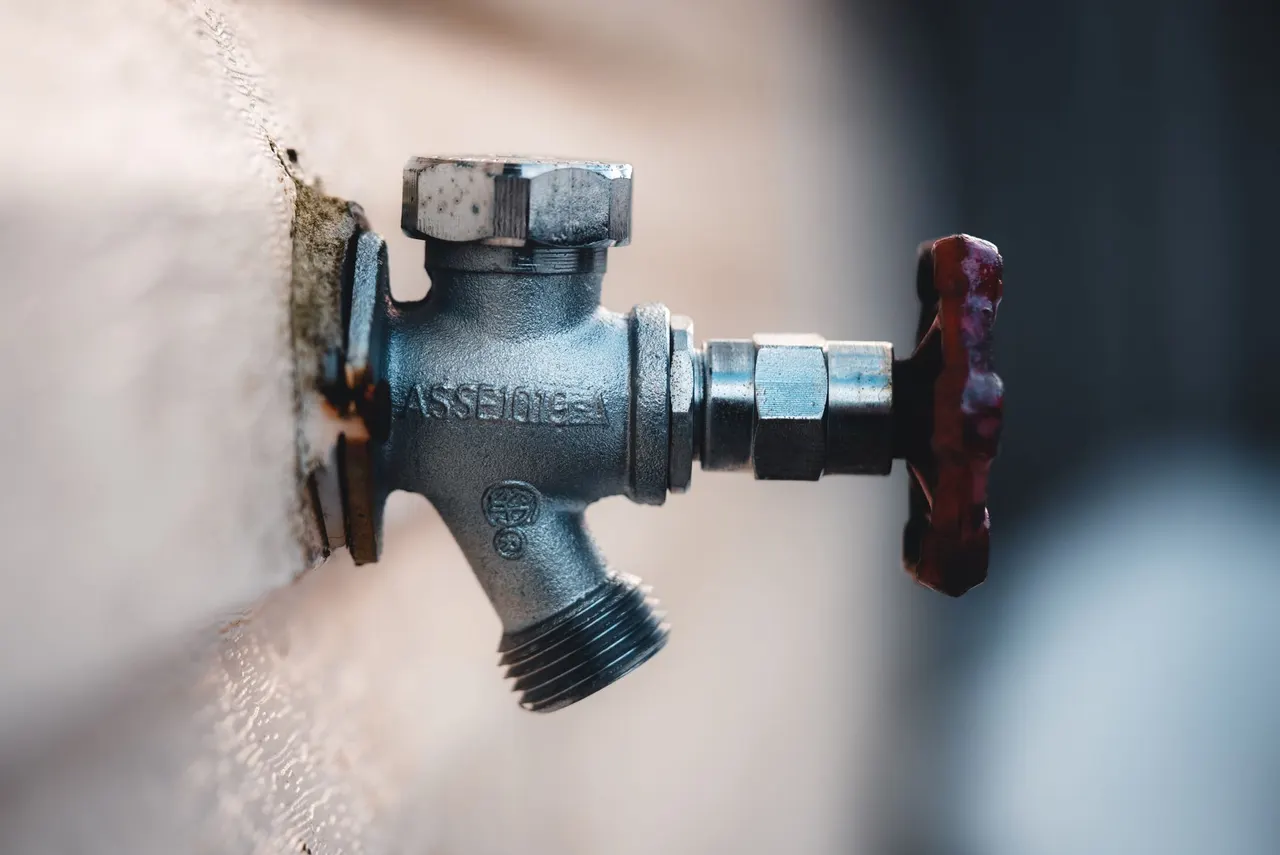
Standing water gets pulled with a water extraction unit and wet/dry vacuum. Carpet padding that is saturated usually comes out because it rarely dries in place. We use a boroscope to check inside wall cavities when the leak ran along a baseboard or under a cabinet.
We set commercial dehumidifiers and air movers to dry the subfloor, drywall, and framing. A hygrometer and moisture meter track progress daily. Most Philadelphia appliance leak jobs dry in three to five days. We adjust equipment placement as readings change.
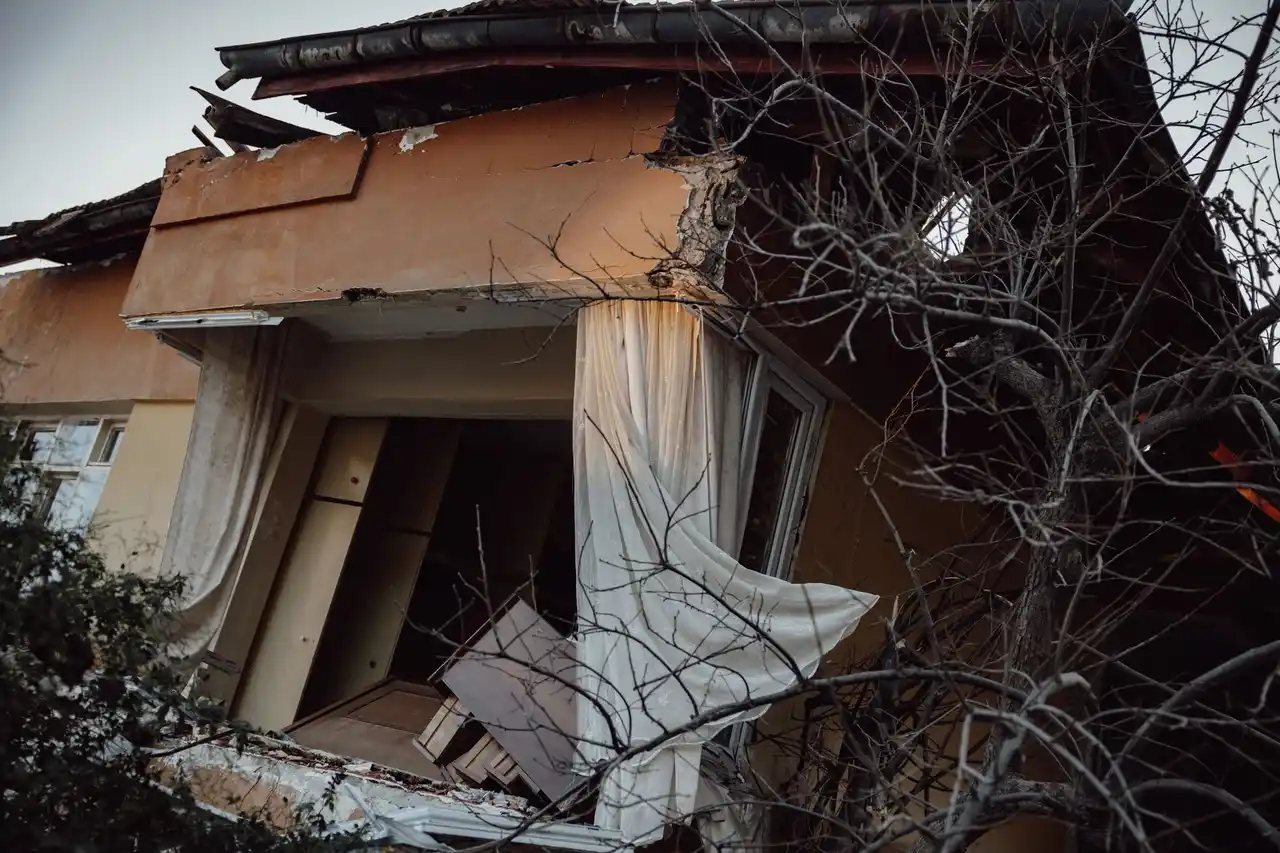
Once the structure is dry, we complete appliance leak repair Philadelphia work such as replacing the failed supply line, shutoff valve, or drain hose. Then we run the appliance and watch for drips. Final moisture readings are logged, and you get a written summary with photos.
Move across a circle, or focus it and press Enter, for an illustrative thermal view of the photograph.
Pulls standing water from carpet, hardwood, and tile faster than a shop vac. We use it first to remove the bulk of the water before drying begins.
Removes moisture from the air and materials. We run Dri-Eaz and Phoenix Restoration units to dry subfloor, drywall, and framing.
Circulates air across wet surfaces to speed evaporation. We position them to dry floors, walls, and cabinet bases after an appliance leak.
Shows temperature differences that reveal hidden moisture behind walls and under floors. It helps us find water that a moisture meter alone might miss.
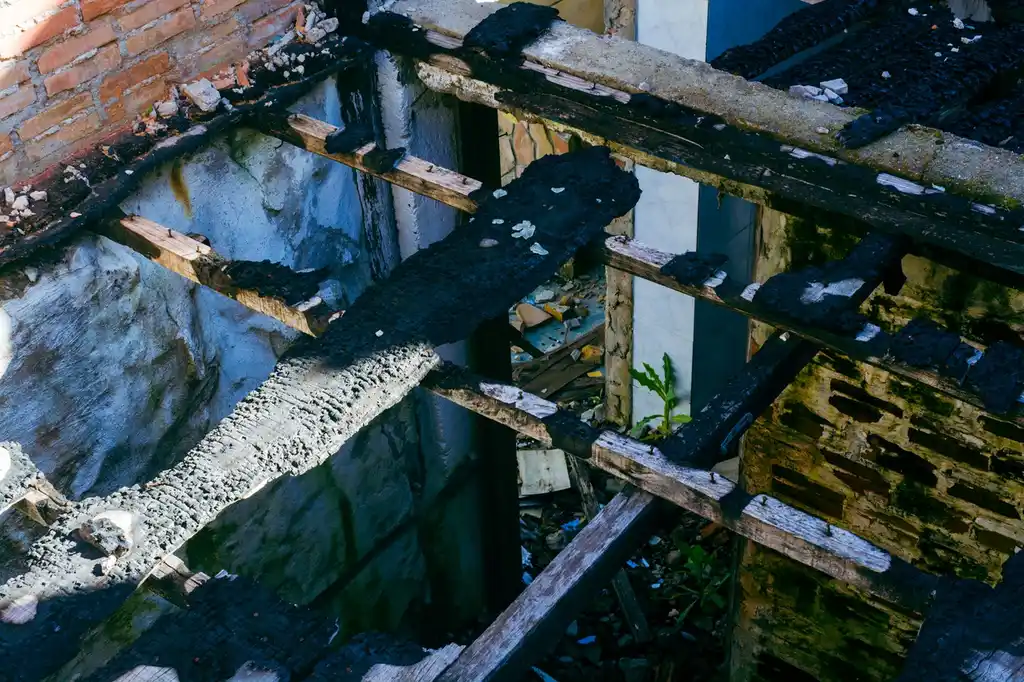
Measures moisture content in materials and humidity in the air. We log readings daily to track drying progress and confirm when the structure is dry.
Thermal views are illustrative, generated from the photographs.
A small camera we feed into wall cavities and under cabinets to see hidden damage. It helps us decide what can be dried in place and what needs removal.
Removes musty odors and captures fine particles after water damage. We use them when an appliance leak has left a smell or early mold growth.
Our technicians follow IICRC WRT and IICRC ASD standards for water damage restoration and structural drying. That means we dry to a documented dry standard, not just until the floor feels dry to the touch.
We log moisture readings with a moisture meter and hygrometer every day. That data tells us when to adjust equipment and when the structure has reached dry standard. You get a copy of the readings.
After extraction and during drying, we apply antimicrobial solution to affected surfaces. This stops mold growth from starting in damp cavities, especially in basements and crawl spaces.
We format our loss reports for Xactimate, the estimating software most insurers use. Photos, moisture readings, and room-by-room notes help your adjuster process the claim faster.
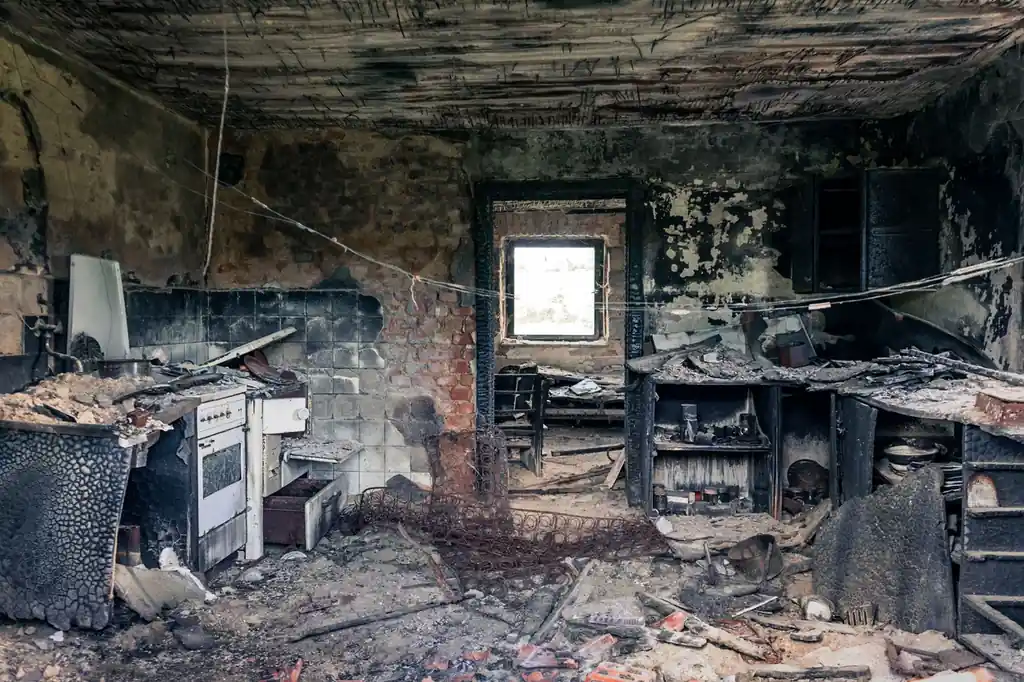
A washing machine hose bursts at 2 a.m. in a Fishtown rowhome and water runs into the basement.
We answer the call, dispatch a team with extraction and drying equipment, and shut off the supply. Water gets pulled from the basement floor, and we set dehumidifiers and air movers to dry the space.
Outcome: The basement dries in three to four days, the hose is replaced, and you avoid mold growth in the joists and insulation.
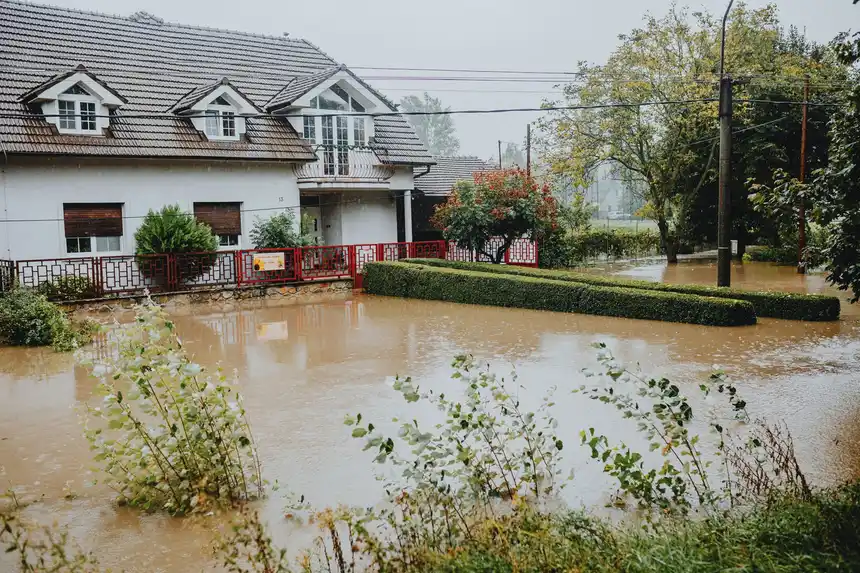
A dishwasher line leaks under a Center City condo kitchen and stains the ceiling of the unit below.
We inspect both units, document the damage for insurance, and dry the kitchen floor and the ceiling below. We coordinate with the building management so both units get handled.
Outcome: Both units dry out, the ceiling is repaired, and the insurance claim is documented with photos and moisture readings.
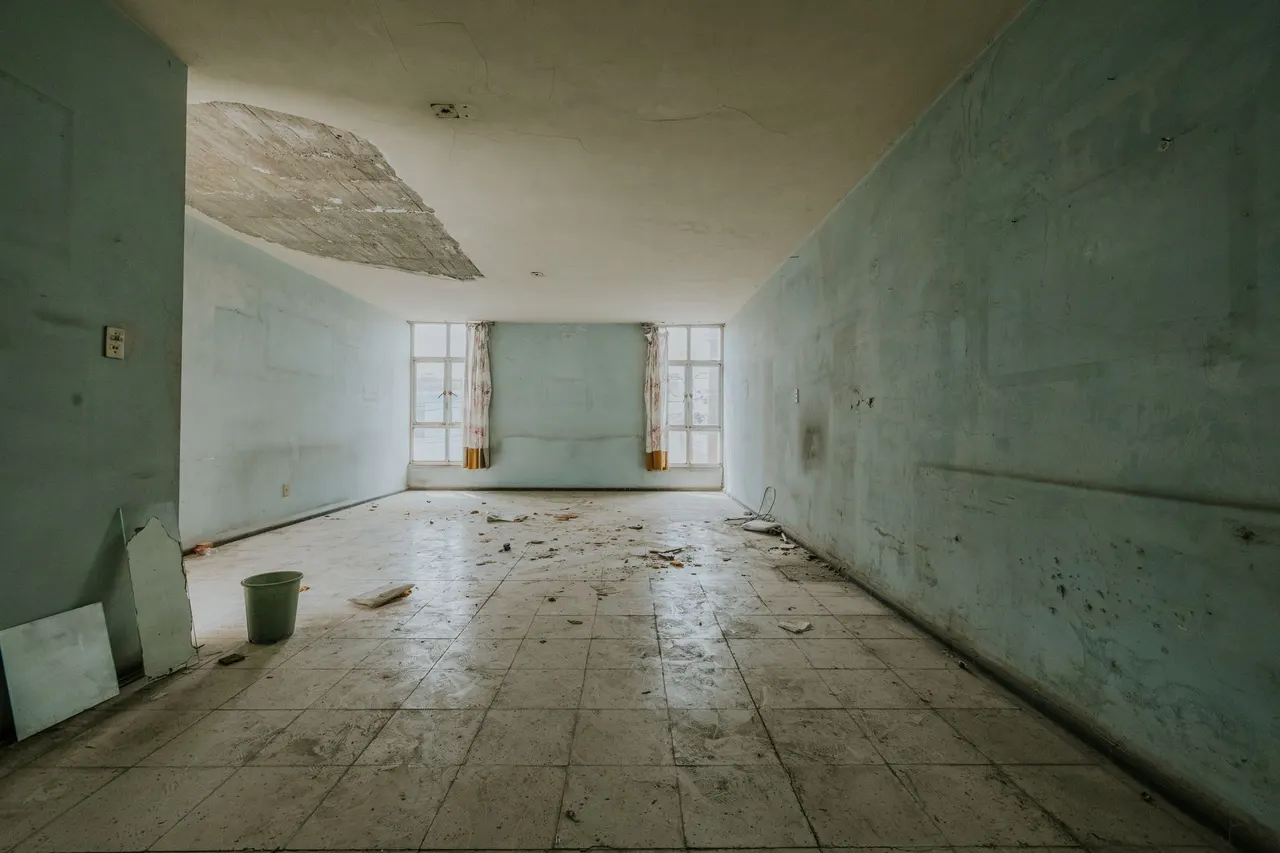
A refrigerator line drips behind the unit in a Chestnut Hill home and warps the hardwood floor.
We use a thermal imaging camera to map the moisture, set drying mats and air movers on the hardwood, and dry the subfloor. Then we repair the line and assess the floor for refinishing.
Outcome: The hardwood dries flat, the line is fixed, and the floor is refinished where needed without full replacement.
A commercial kitchen dishwasher fails in a Northern Liberties restaurant and floods the prep area.
We work around your service hours, extract the water, and dry the kitchen floor and walls. We use antimicrobial solution on affected surfaces and document the loss for your insurance claim.
Outcome: The kitchen is dry and back in service quickly, with minimal downtime and a documented claim for your carrier.
Philadelphia appliance leaks play out differently depending on the building. In Center City high-rises, water from a refrigerator or dishwasher line often travels along a concrete slab and seeps into the unit below. In Fishtown and Northern Liberties rowhomes, it drains through floor joists into basements and crawl spaces.
Older homes in Germantown and Mount Airy may have original supply lines and shutoff valves that fail without warning. Winter makes it worse: frozen pipes and burst supply lines are common from December through March, and a washer hose that froze overnight can let go when you start a load.
We handle appliance leak water damage in Philadelphia, Pennsylvania with equipment sized for tight rowhome layouts and high-rise service elevators.
Before: A washing machine hose burst on a Saturday morning and sent water across the laundry room floor and into the basement. Carpet padding was soaked, and the basement ceiling showed a water stain. The homeowner shut off the supply but could not stop the spread.
After: We extracted standing water, removed saturated carpet padding, and set commercial dehumidifiers and air movers. The basement and laundry room reached dry standard in four days. We replaced the hose and shutoff valve, then tested the line. Final moisture readings matched the dry standard.
Replace rubber washer hoses with braided stainless steel lines every five years. Check the shutoff valve twice a year and turn it to make sure it still closes fully.
Before: A dishwasher line leaked under the kitchen cabinet and stained the ceiling of the unit below. The cabinet base had swollen, and the subfloor was wet. The condo owner noticed the stain before the leak itself.
After: We pulled the dishwasher, dried the cabinet base and subfloor, and repaired the ceiling below. The cabinet base was replaced with mold-resistant material. Moisture readings returned to normal in three days, and we documented everything for both insurance claims.
Check the dishwasher supply line and drain hose annually for cracks or kinks. Run the dishwasher only when you are home to catch a leak early.
Before: A refrigerator water line dripped slowly behind the unit for weeks. The hardwood floor had started to cup, and the drywall behind the fridge was damp. The homeowner noticed the cupping before finding the source.
After: We used a thermal imaging camera to map the moisture, set drying mats and air movers on the hardwood, and dried the subfloor. The drywall was repaired, and the line was replaced. The hardwood dried flat and was refinished in the affected area.
Check the refrigerator water line and connection twice a year. Pull the fridge out and look for drips or corrosion on the fitting.
Most appliance leaks look small on the surface and hide a bigger problem underneath. Here are the issues we see most often in Philadelphia homes and businesses.
A dry, repaired space without mold growth or repeat leaks.
Standing water comes out fast. We use water extraction units and wet/dry vacuums to remove the bulk of the water, then set commercial dehumidifiers and air movers to dry the structure. Most Philadelphia appliance leak jobs reach dry standard in three to five days with daily monitoring.
A thermal imaging camera and moisture meter show us what a towel cannot. We check under vinyl, behind baseboards, and inside ceiling cavities where appliance leak water damage in Philadelphia, Pennsylvania often hides. Finding it early prevents mold growth and saves drywall.
We handle appliance leak repair Philadelphia and the drying in one visit. That means the failed hose or valve gets fixed, the wet materials get dried or replaced, and you are not waiting on two different contractors to coordinate a small job.
We document the loss with photos, moisture readings, and a room-by-room report formatted for Xactimate. That documentation helps your claim move faster. We work with most major carriers and can bill many of them directly for covered appliance leak water damage.
What a written scope covers and what shapes it. Prices are set by the business after the first look.
Included
Depends on
Clear records you can keep and share.
Daily readings room by room
Before, during, and after
What was dried and repaired
Dry standard confirmed
The category of water decides what can be dried and what must come out.
From a supply line or refrigerator
From a dishwasher or washer drain
From sewage or a backed-up drain
A list like this tells people straight away whether you cover their street. Not listed? Call and ask: it only takes a minute.
Based in Philadelphia and covering the places around it. Pick one for local details.
A small refrigerator line leak that stayed on tile may cost less. A washer hose that soaked carpet, padding, and a basement ceiling will cost more. We provide an upfront price before work begins.
We do. Water Damage Restoration Philly handles appliance leak repair Philadelphia and the water damage cleanup that follows. Our technicians fix failed supply lines, shutoff valves, and drain hoses, then dry the structure. Call 215-281-3000 and we will dispatch a team with the right parts and drying equipment.
Most homeowners policies cover sudden appliance leak water damage in Philadelphia, such as a burst washer hose or failed refrigerator line. They usually do not cover long-term seepage you could have noticed. We document the loss with photos and moisture readings formatted for Xactimate to help your claim.
Most Philadelphia appliance leak drying jobs take three to five days. Carpet padding usually comes out because it rarely dries in place. Drywall and subfloor dry faster with commercial dehumidifiers and air movers running continuously. We check moisture readings daily and adjust equipment until the structure reaches dry standard.
Other services from the same team.
Water spreads fast under cabinets and into ceilings. Call 215-281-3000 and we will dispatch a team with extraction and drying equipment. We serve Philadelphia County and the surrounding area.
Call 215-281-3000 any time, day or night. We answer live, ask what happened, and dispatch a crew. If you prefer email, send photos and your address to [email protected] and we'll respond within the hour. Most Philadelphia calls get a technician on-site within 60 to 90 minutes.