For Homes and Apartments
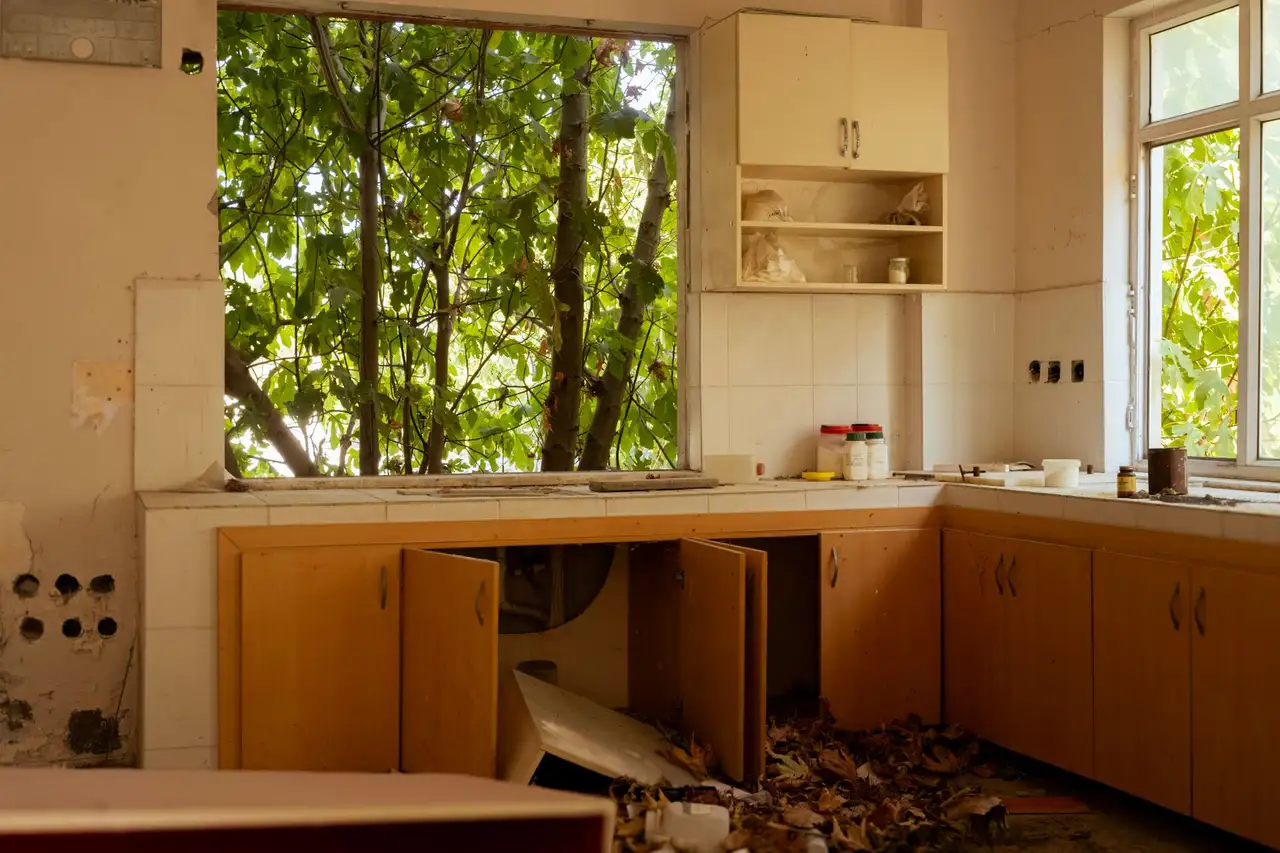
Kitchen leaks in Philadelphia homes often start behind the fridge or under the sink. We extract the water, dry the space, and repair what was damaged.
- Fridge supply line burst
- Dishwasher gasket leak
- Sink overflow onto floor
Kitchen Water Damage Restoration in Philadelphia starts with a fast call to 215-281-3000. We handle burst pipes, appliance leaks, and sink overflows in rowhomes, twins, and high-rises across Philadelphia County. Our kitchen water damage repair Philadelphia team extracts standing water, dries cabinets and subfloors, and stops mold before it starts. Most jobs are dry in three to five days.
 Check for hidden moistureExtract standing waterSet drying equipment
Every kitchen job is different, but most include the same core steps. Here is what we cover and what we handle as an add-on.
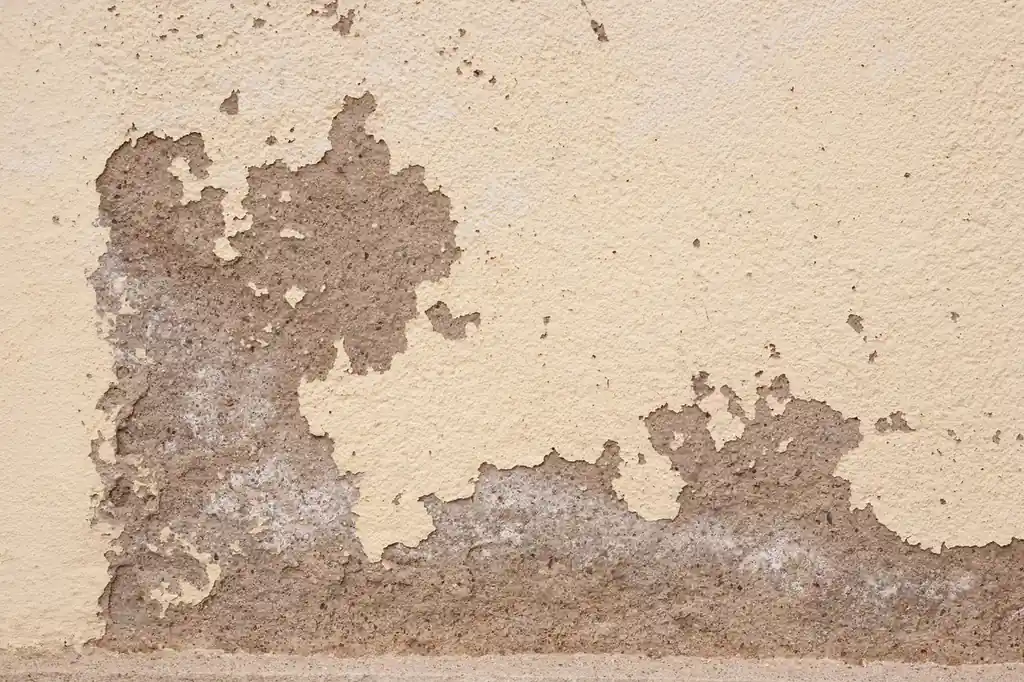
We pull standing water from the kitchen floor, under cabinets, and from any carpet with a water extraction unit and wet/dry vacuum. This happens the same day you call, usually within one to three hours of arrival.
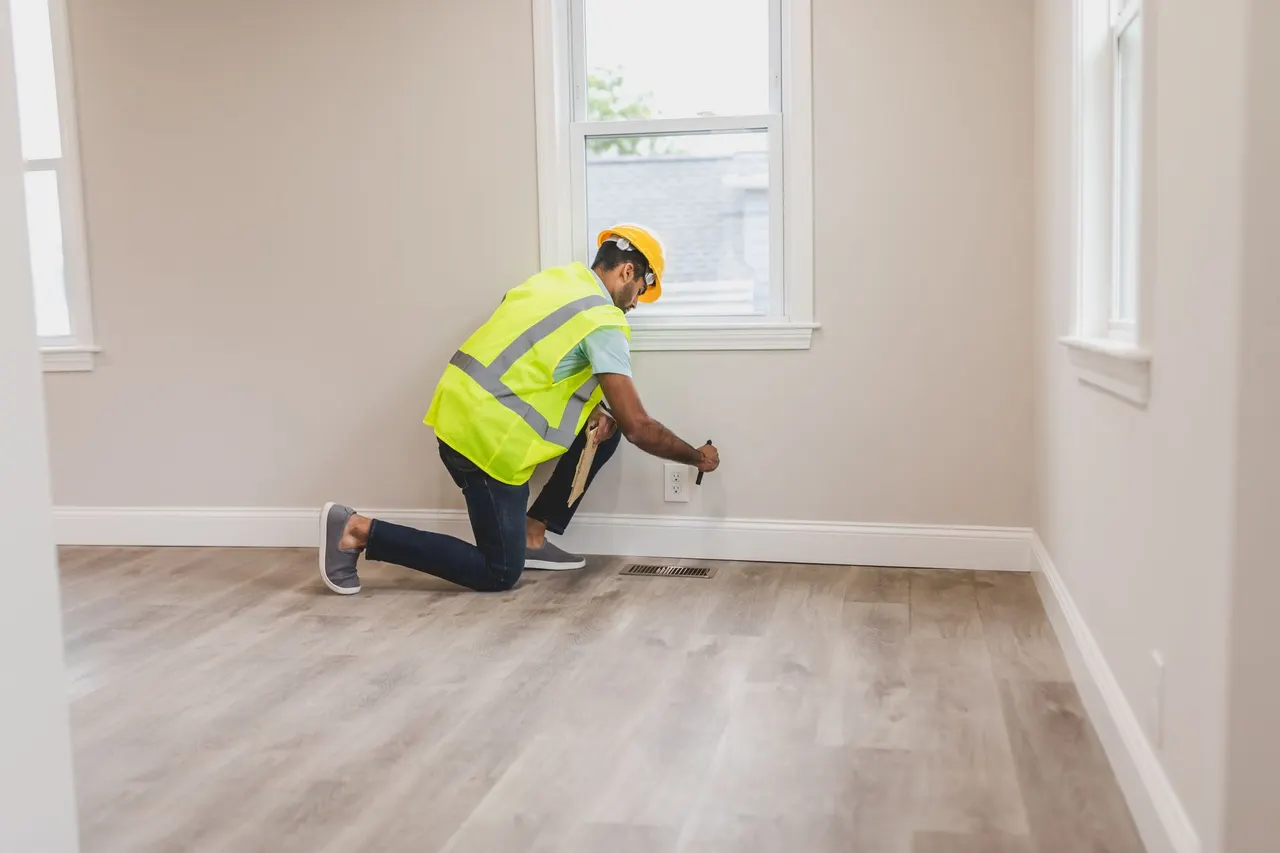
We map the wet area with a moisture meter, thermal imaging camera, and hygrometer. Every reading is logged and photographed. You get a copy for your insurance claim, and we write the scope in Xactimate.
We apply antimicrobial solution to framing, subfloor, and cabinet toe kicks to stop mold growth. Mold can start in 24 to 48 hours, so this step happens right after extraction, before drying equipment is set.
We place commercial dehumidifiers and air movers to dry subfloor, drywall, and cabinets. A drying mat protects hardwood if water reached the dining room. We return daily to log readings until materials hit dry standard.
Once dry, we replace damaged drywall, insulation, baseboard, and flooring. We use mold-resistant drywall in wet zones and sealant at seams. If a supply line failed, we coordinate the plumbing repair so the kitchen is ready to use.
You walk the kitchen with us before we close the job. We show you the final moisture readings and the photo log. If anything still reads wet, we keep drying. We do not close a job until you agree the space is dry.
The approach is the same for a home and a business. What changes is the access, the schedule and who needs the paperwork.
Kitchen leaks in Philadelphia homes often start behind the fridge or under the sink. We extract the water, dry the space, and repair what was damaged.
Commercial kitchens and high-rise units need fast drying to avoid downtime and tenant complaints. We work after hours and document everything for your claim.
A plain-language look at what Kitchen Water Damage Restoration involves and when it is needed.
See how it worksKitchen Water Damage Restoration in Philadelphia is the process of extracting water, drying structural materials, and repairing what a leak ruined in your kitchen. It covers the supply line behind the fridge, the drain under the sink, the dishwasher gasket, and the ice maker tube. We pull water with a wet/dry vacuum and water extraction unit, then set commercial dehumidifiers and air movers to dry the subfloor, baseboard, and drywall. A moisture meter and thermal imaging camera find water you cannot see.
Philadelphia kitchens take on water in predictable ways. Rowhome supply lines freeze in January, cast iron drains back up after heavy rain, and dishwasher hoses fail without warning. If you search kitchen water damage restoration near me Philadelphia PA at 2 a.m., you need a crew that knows these blocks. We have worked in Philadelphia since 2015, so we know which neighborhoods flood first and which buildings dry slowest.
Kitchen water damage restoration removes water, dries the structure, and repairs what the leak ruined.
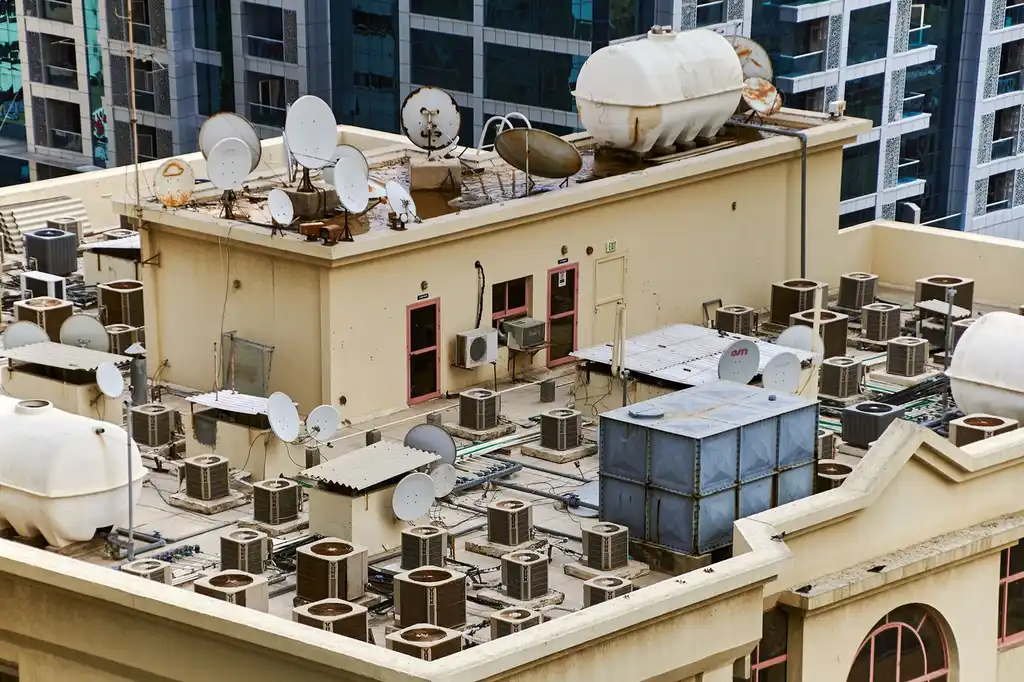
Every kitchen job follows the same five steps. Here is what happens and how long it takes.
You call 215-281-3000 and describe the leak. We ask where the water is coming from, whether it is still running, and whether you have shut off the supply. A crew is dispatched with extraction equipment. In most Philadelphia neighborhoods we arrive within 60 to 90 minutes.
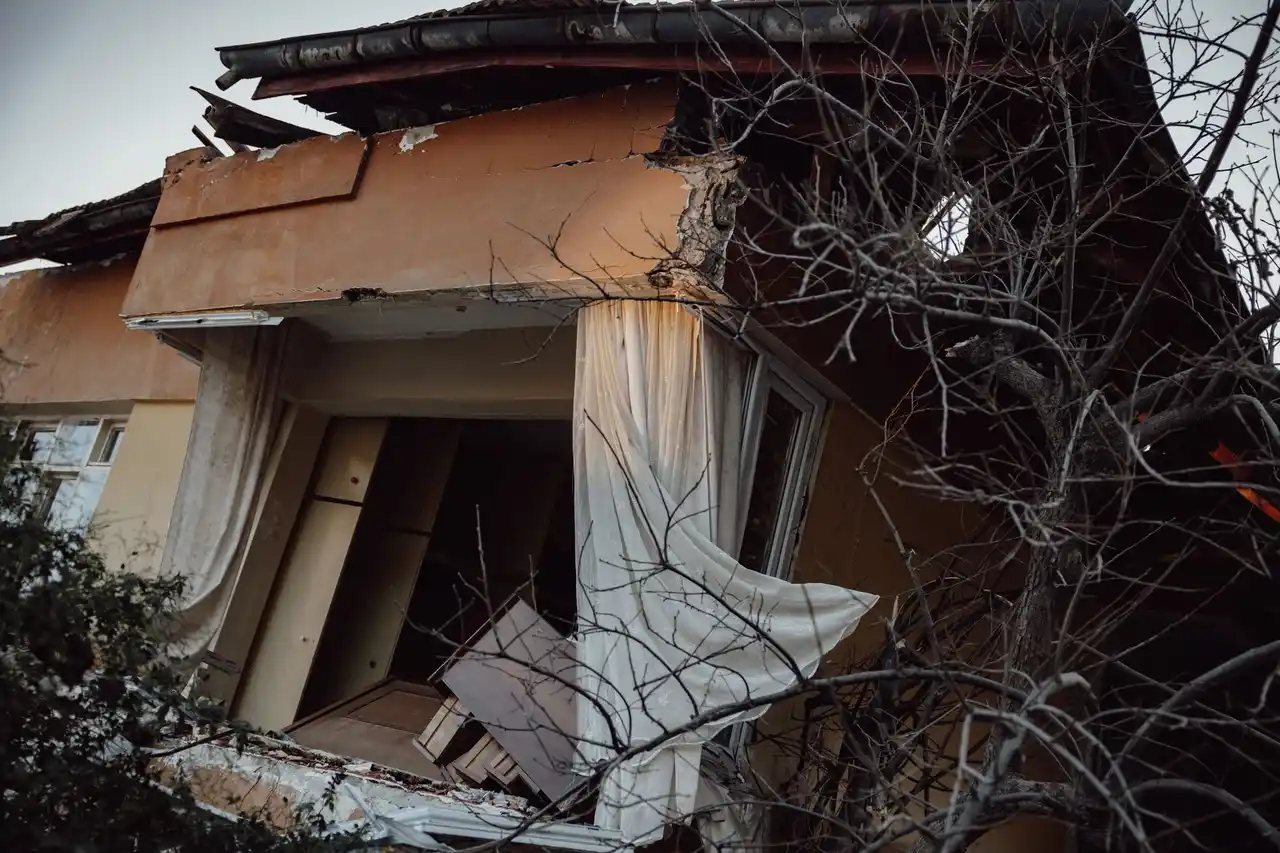
We walk the kitchen with a moisture meter, thermal imaging camera, and hygrometer. We check the subfloor, baseboard, cabinet toe kicks, and the ceiling below if there is one. You get a plain explanation of what is wet, what is not, and what we plan to do before any equipment is set.
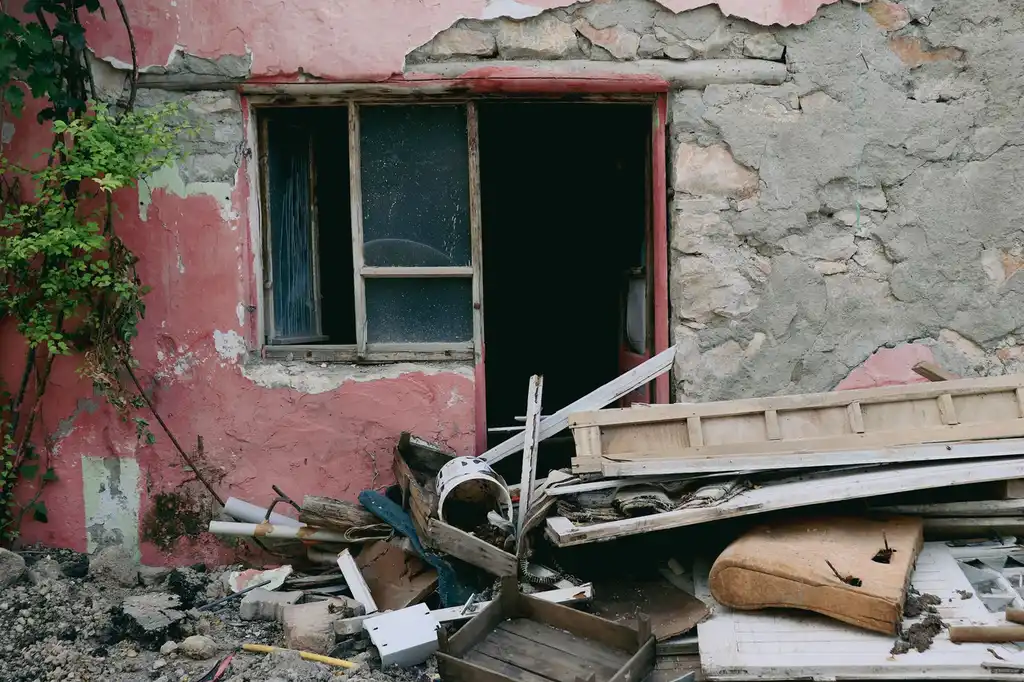
Standing water comes out first with a wet/dry vacuum and water extraction unit. We pull water from the floor, from under the cabinets, and from any carpet or drying mat. This step usually takes one to three hours depending on how much water spread beyond the kitchen.
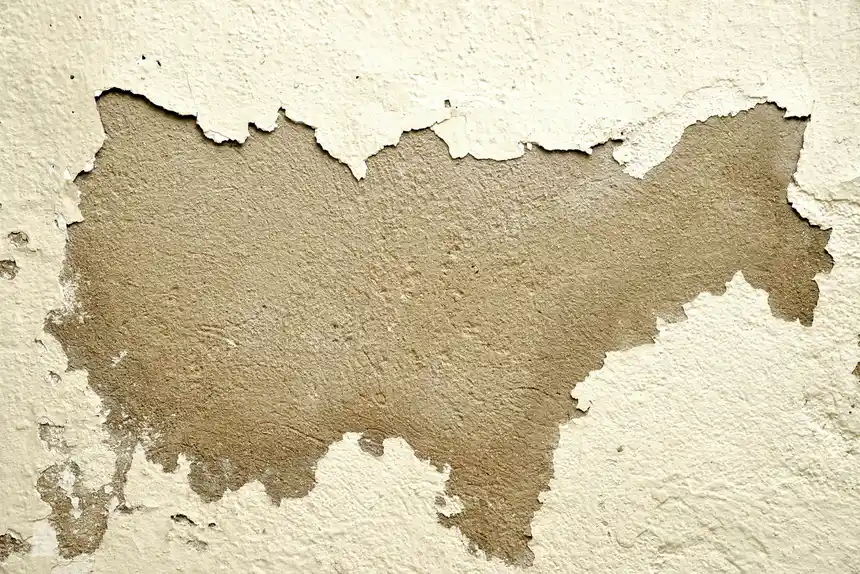
We set commercial dehumidifiers and air movers to dry the subfloor, drywall, and cabinets. A drying mat protects hardwood if water reached the dining room. We return daily to log moisture readings with a hygrometer. Most kitchens dry in three to five days.
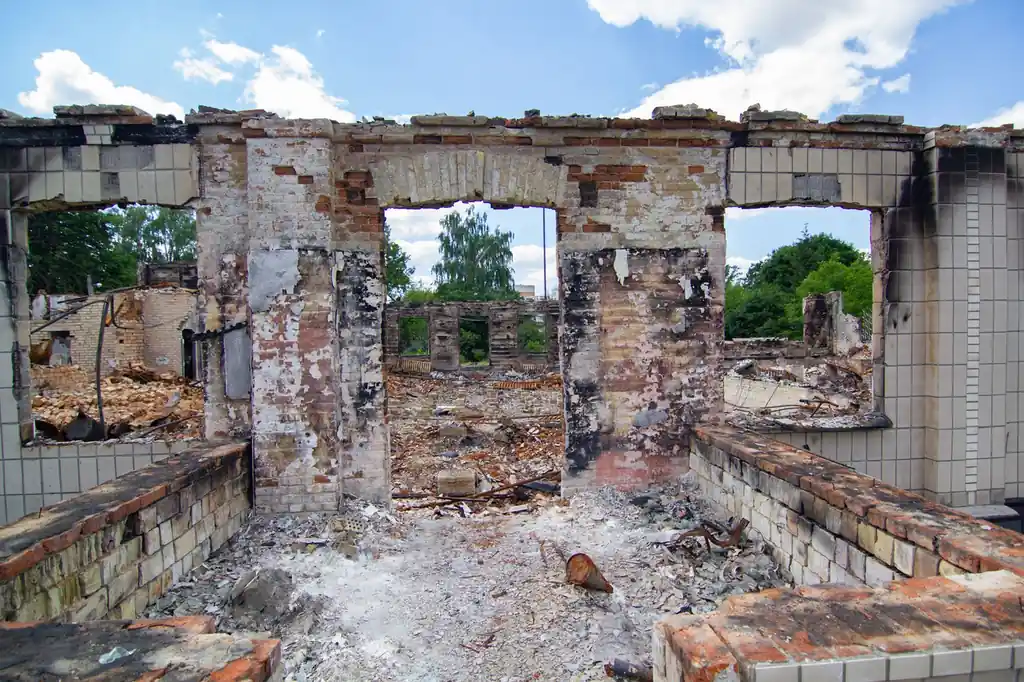
Once materials are dry, we replace damaged drywall, insulation, baseboard, and any ruined flooring. We apply antimicrobial solution and sealant where needed. You walk the kitchen with us, and we do not close the job until you agree the space is dry and back to normal.

Move across a circle, or focus it and press Enter, for an illustrative thermal view of the photograph.
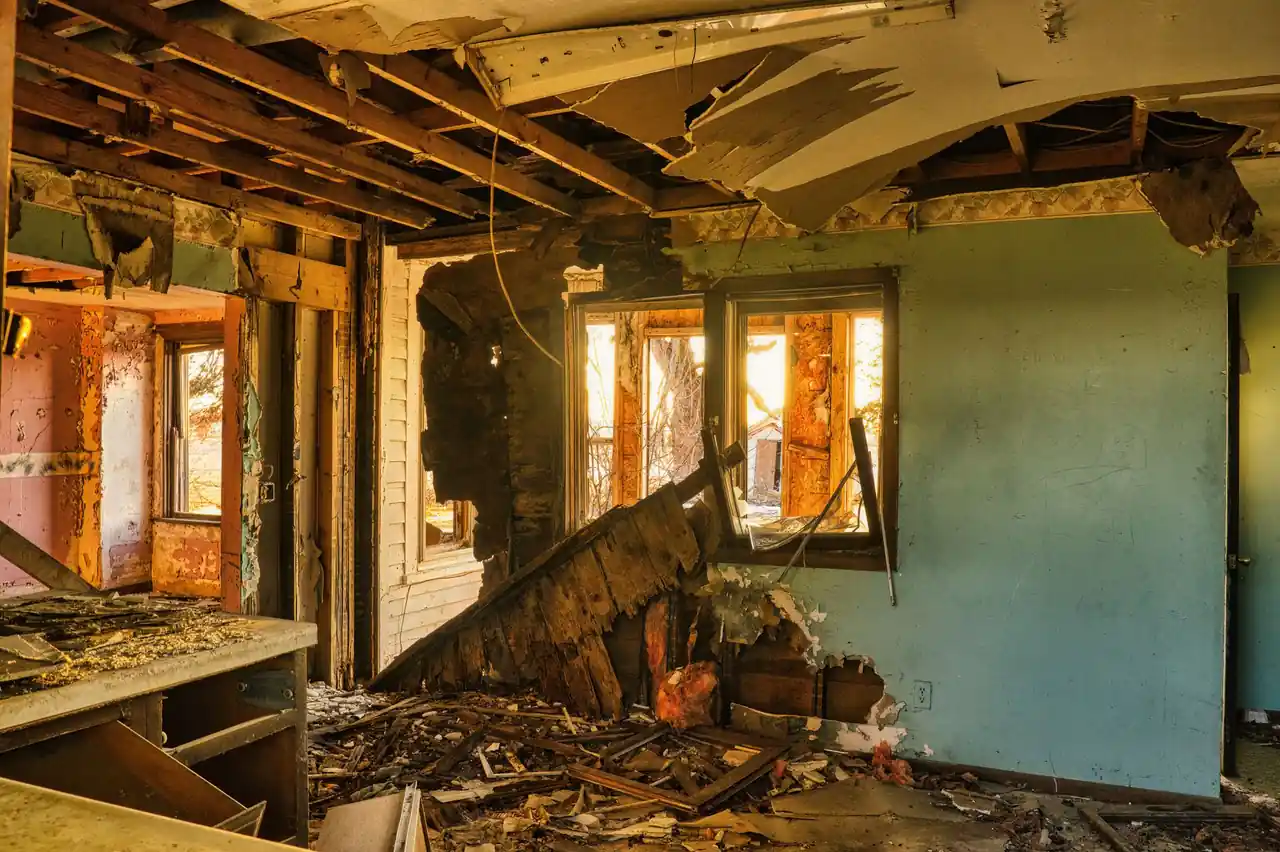
Pulls standing water from kitchen floors, under cabinets, and from carpet. Removes the bulk of water in one to three hours so drying can start.
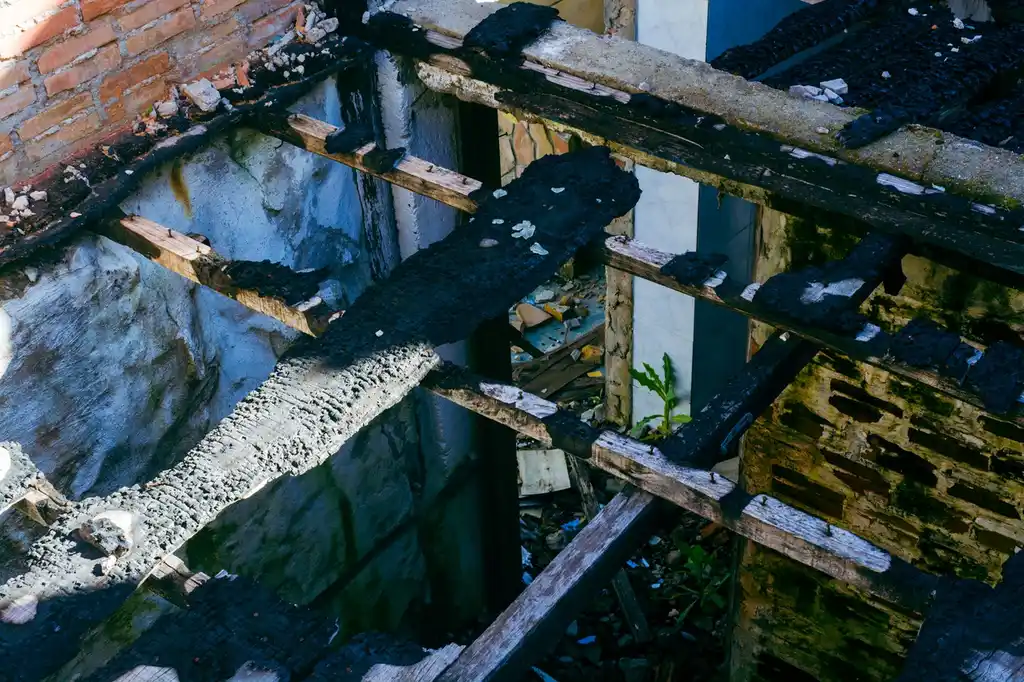
Pulls moisture out of the air to dry subfloor, drywall, and cabinets. We run Dri-Eaz and Phoenix Restoration units until humidity drops below 50 percent.
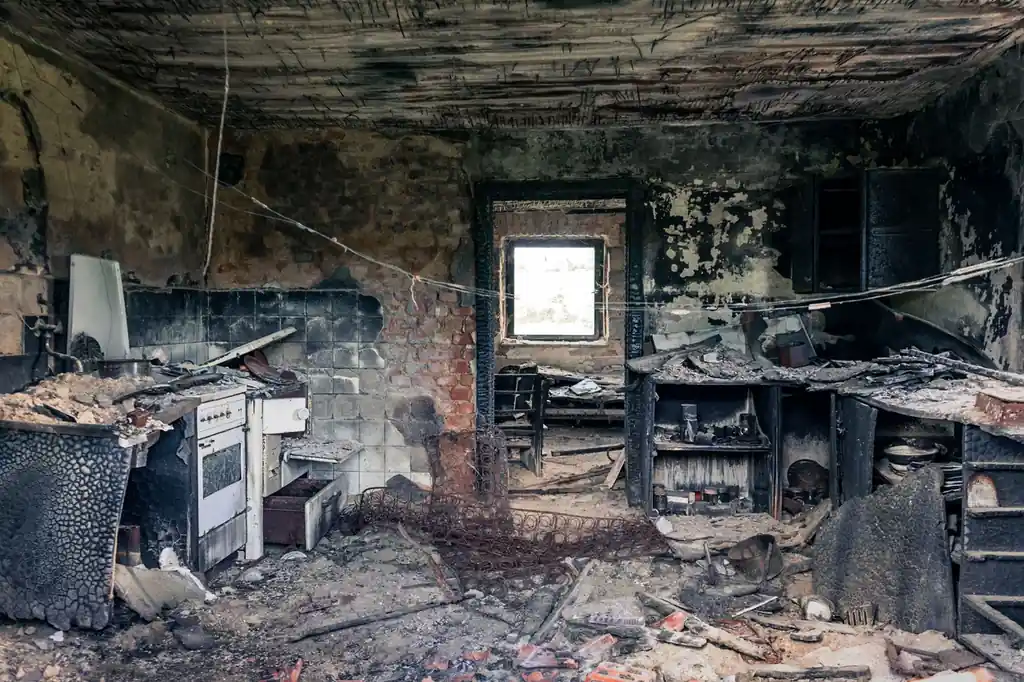
Circulates air across wet surfaces to speed evaporation. We position them to dry cabinet toe kicks, baseboard, and subfloor edges.
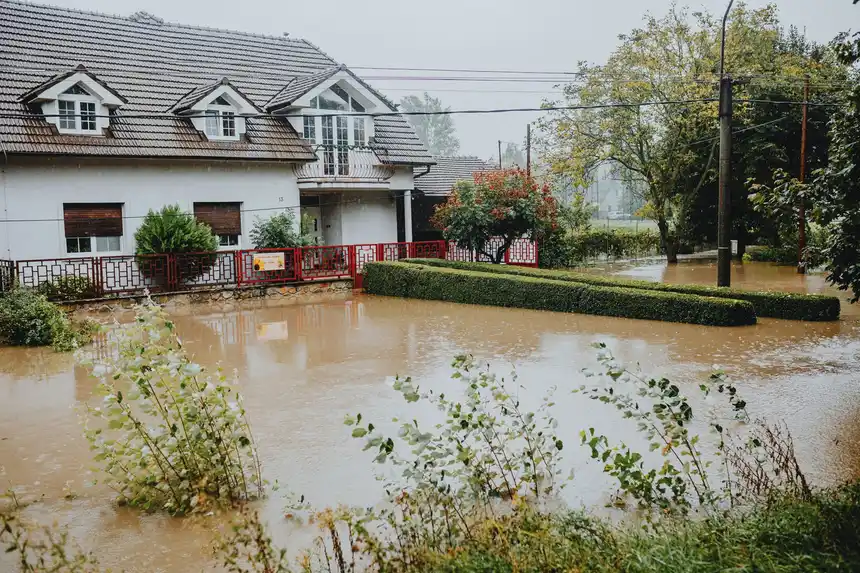
Finds hidden water behind cabinets, inside walls, and in the ceiling below the kitchen. We use it before and after drying to confirm results.
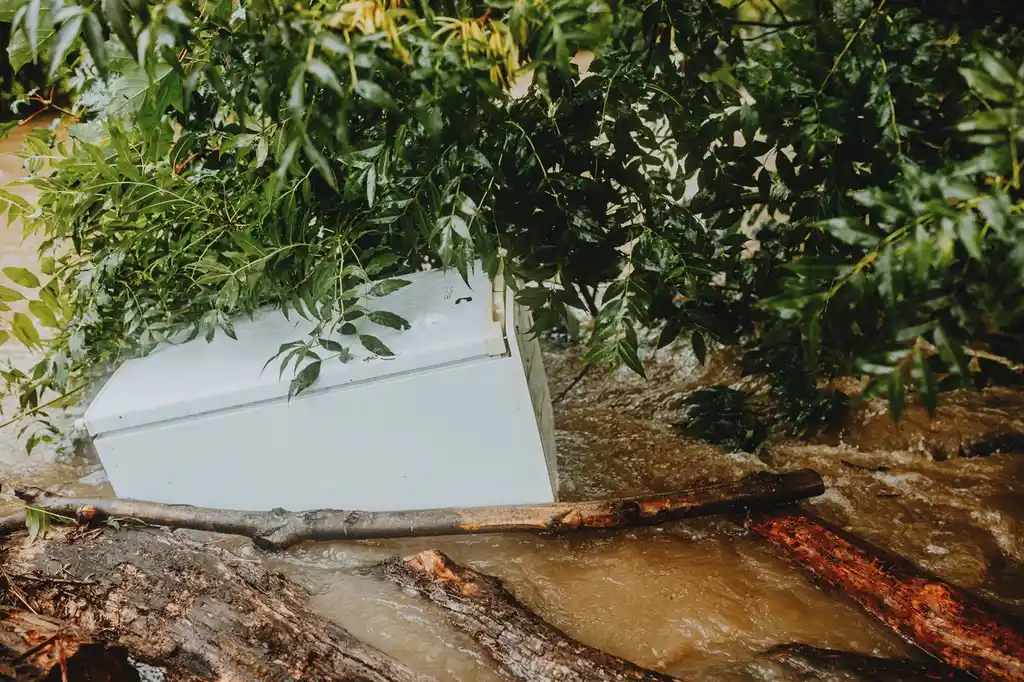
Measures moisture content in wood, drywall, and air. We log readings daily to track drying progress and know when materials hit dry standard.
Thermal views are illustrative, generated from the photographs.
Lets us see inside wall cavities and under cabinet toe kicks without tearing everything open. We use it to check for hidden mold and wet insulation.
Removes musty odors after a leak or sewage backup. We run it after the space is dry and clean, then ventilate before you return.
We follow the IICRC S500 standard for water damage restoration. It defines how to classify water, set drying goals, and document the job. Our IICRC WRT and ASD technicians apply it on every Philadelphia kitchen job.
We write the repair scope in Xactimate, the same software most insurance adjusters use. That means your claim moves faster because the line items match what the adjuster expects to see. You get a copy of everything.
We apply antimicrobial solution to framing, subfloor, and cabinet toe kicks after extraction. This stops mold growth, which can start in 24 to 48 hours. We treat every wet surface before drying equipment is set.
We return every day to log moisture readings with a moisture meter and hygrometer. That data tells us when materials are dry and when it is safe to start repairs. You get the log at the final walkthrough.
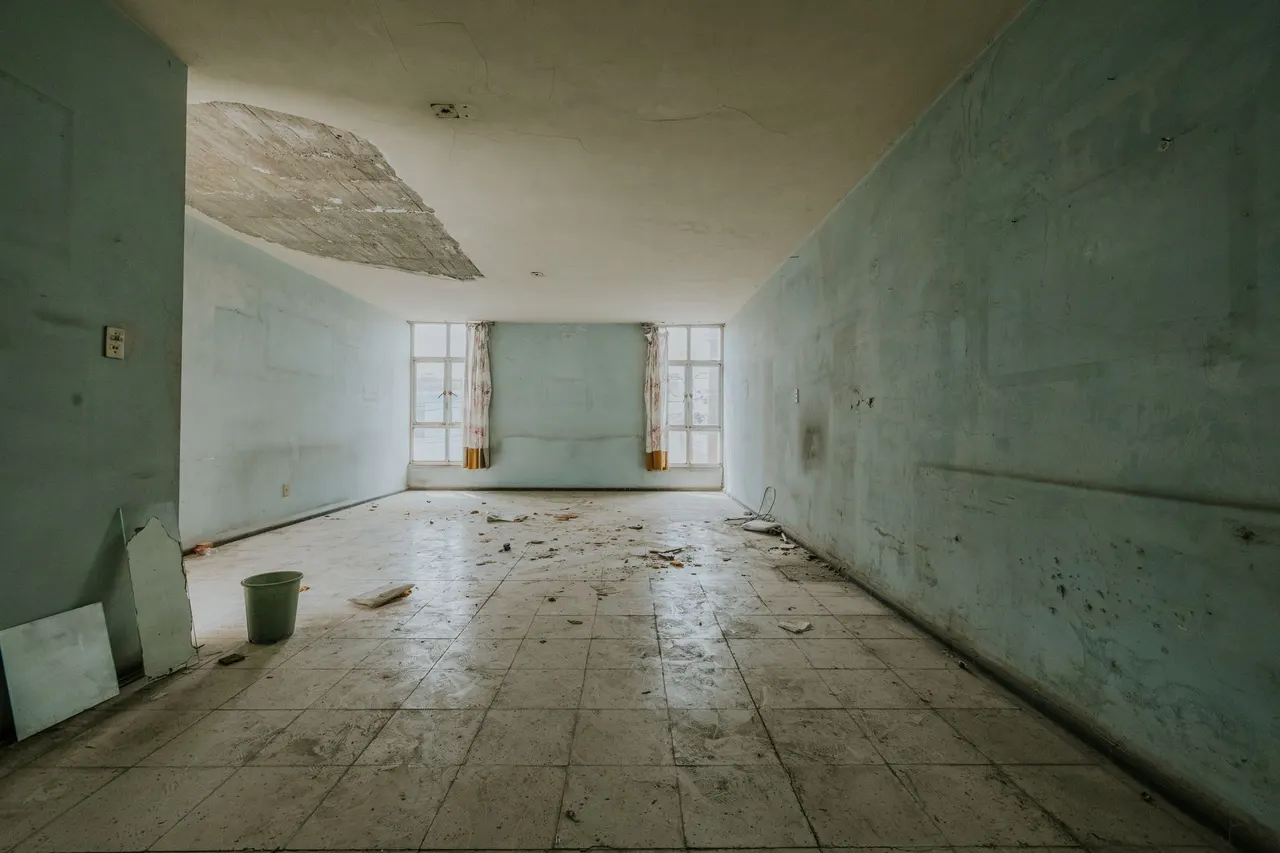
A pipe bursts behind the fridge at 2 a.m. in a Fishtown rowhome and water is spreading across the kitchen floor.
We answer the phone, walk you through shutting off the supply valve, and dispatch a crew with a water extraction unit and wet/dry vacuum. We extract the water, set commercial dehumidifiers and air movers, and check the wall cavity with a thermal imaging camera.
Outcome: Standing water is gone within two hours. The subfloor and wall cavity dry in four days. No mold, no swollen cabinets.

A dishwasher hose fails in a Center City high-rise and water runs into the unit below.
We extract water from both kitchens, document the loss in Xactimate, and coordinate with building management. We dry the subfloor and ceiling below with commercial dehumidifiers and air movers, and replace soaked drywall.
Outcome: Both units are dry in five days. The insurance claim is documented and approved without back-and-forth.
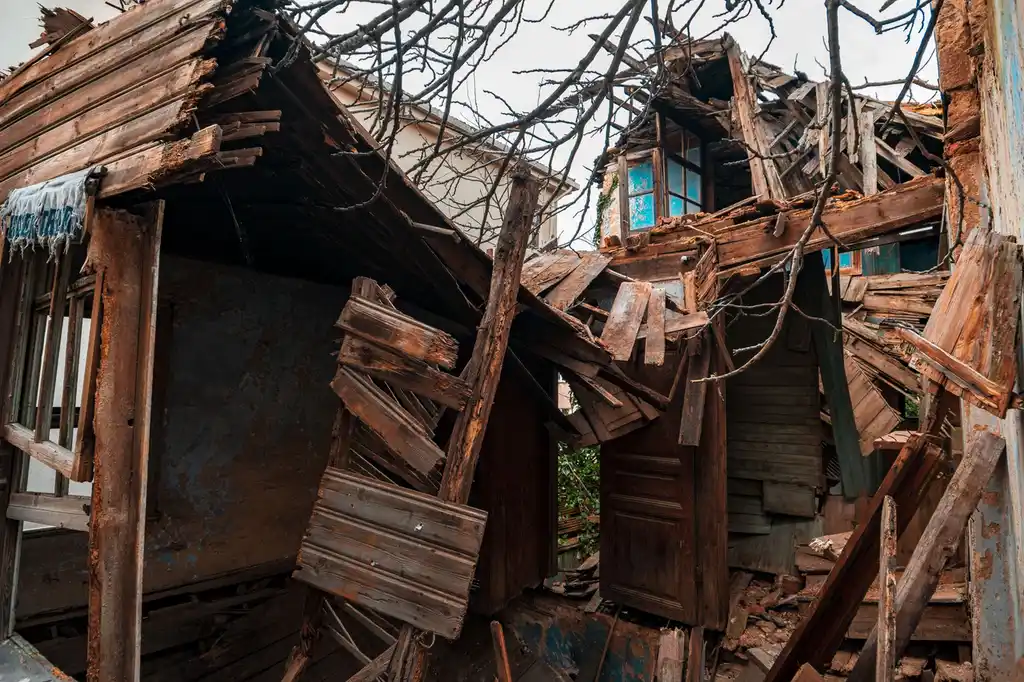
A cast iron drain backs up into a South Philadelphia kitchen after heavy rain, leaving sewage on the floor.
We treat it as contaminated water, remove ruined materials, and disinfect with antimicrobial solution. We extract, dry the subfloor and walls, and dispose of waste per Philadelphia health rules. We also check the ceiling below with a thermal imaging camera.
Outcome: The kitchen is disinfected and dry in four days. No odor, no mold, and the drain is cleared.
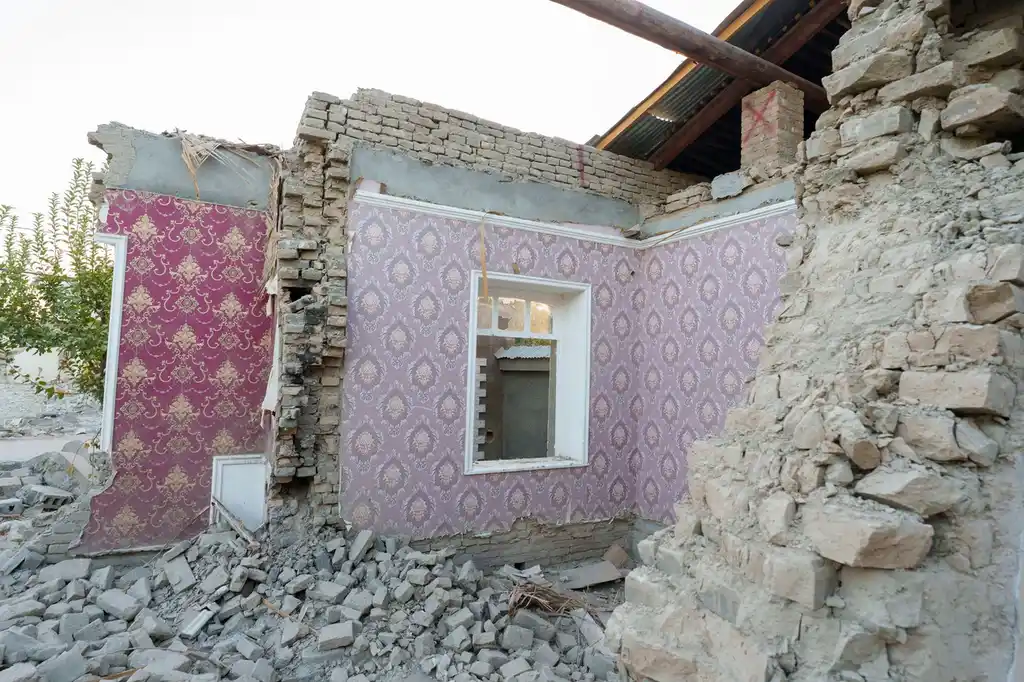
A water heater in a Mount Airy kitchen closet fails and dumps 50 gallons onto the floor before anyone notices.
We extract the water, dry the subfloor and drywall, and check the ceiling below for moisture. We replace soaked insulation and baseboard, apply antimicrobial solution, and coordinate the water heater replacement.
Outcome: The kitchen is dry in three days. The new water heater is installed and the floor is back to normal.
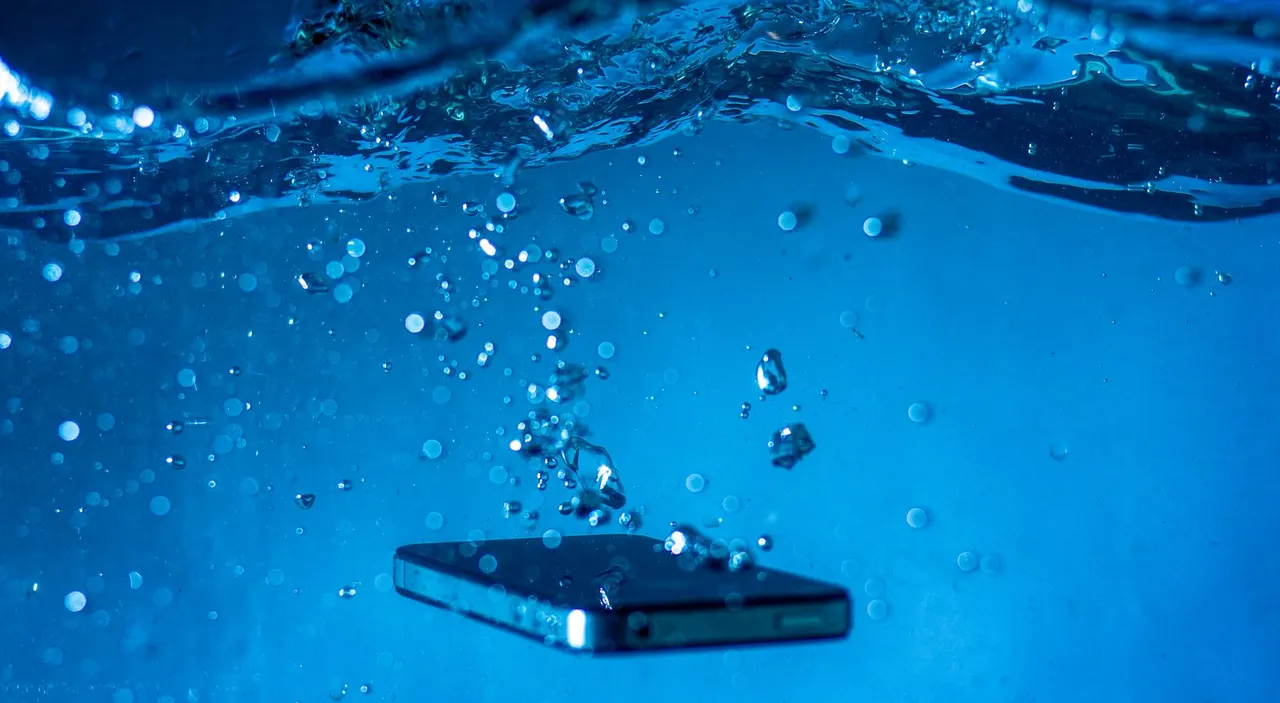
A slow leak under the sink in a Germantown rowhome has been wet for a week and now smells musty.
We inspect with a moisture meter, hygrometer, and boroscope to find hidden mold. We contain the area with plastic sheeting, run a HEPA vacuum, and treat framing with antimicrobial solution. Then we dry and repair the cabinet base and drywall.
Outcome: Mold is removed and the kitchen is dry in five days. The musty smell is gone and the cabinet is repaired.

Philadelphia kitchens take on water in ways that are specific to this city. Most rowhomes were built before 1950, so supply lines are old, drains are cast iron, and walls have no cavity insulation. When a pipe bursts in January, water runs down the inside of the wall and pools on the subfloor before you notice. We see this most in Fishtown, Kensington, and Port Richmond, where unheated rear kitchens freeze first.
In Center City high-rises, a failed dishwasher hose on the 12th floor can run into the unit below within minutes. We use a thermal imaging camera to check the ceiling below before we set drying equipment. Most kitchens in Philadelphia County dry in three to five days with commercial dehumidifiers and air movers.

Before: A supply line behind the fridge burst at 2 a.m. in January. Water spread across the kitchen floor and soaked the baseboard and subfloor. The cabinet base was swollen and the wall cavity was wet. The homeowner called us at 6 a.m.
After: We extracted the water in two hours, set commercial dehumidifiers and air movers, and dried the subfloor and wall cavity in four days. We replaced the swollen baseboard and applied antimicrobial solution. The moisture meter read dry before we closed the job.
We recommended a water alarm under the fridge and insulating the supply line. The homeowner now shuts off the valve before leaving for vacation. No leaks since.
Before: A dishwasher hose failed on the 12th floor and water ran into the unit below. Both kitchens had wet subfloor and drywall. The building manager called us after hours. The unit below had a stained ceiling and wet cabinets.
After: We extracted water from both units, documented the loss in Xactimate, and dried the subfloor and ceiling in five days. We replaced the stained drywall and soaked baseboard. Both units passed the final moisture check.
We recommended replacing the dishwasher hose every five years and checking the supply line at the valve. The building now schedules annual inspections in all units.
Before: A cast iron drain backed up after heavy rain and sent sewage onto the kitchen floor. The water was contaminated and the smell was strong. The homeowner had tried to mop it up but the subfloor stayed wet.
After: We removed the ruined materials, disinfected with antimicrobial solution, and extracted the water. We dried the subfloor and walls in four days and ran an ozone generator to clear the odor. The kitchen was disinfected and dry.
We recommended a backwater valve on the main drain and annual drain cleaning. The homeowner also had the cast iron line scoped for cracks. No backups since.
Most kitchen leaks fall into a handful of patterns. Here is what we see and how we fix it.
A dry kitchen, repaired right, with no mold and no second bill.
We pull standing water the same day you call. A wet/dry vacuum and water extraction unit remove the bulk of it in one to two hours, which stops the water from wicking into baseboard and drywall. Fast extraction is the difference between a three-day dry and a full cabinet replacement.
Mold can start within 24 to 48 hours of a leak. We apply antimicrobial solution to framing and subfloor, then run commercial dehumidifiers and air movers to drop humidity below 50 percent. That combination stops mold growth before it takes hold in your kitchen walls.
We photograph every wet material, log moisture readings, and write the scope in Xactimate so your adjuster can process the claim. Most Philadelphia kitchen water damage claims move faster when the paperwork is done on day one. You get a copy of everything we send.
After drying, we replace what failed: drywall, insulation, baseboard, or subfloor. We use mold-resistant drywall in wet zones and sealant at seams. If a supply line burst, we coordinate the plumbing repair so the kitchen is ready to use again, not just dry.
What a written scope covers and what shapes it. Prices are set by the business after the first look.
Included
Depends on
Clear records you can keep and share.
Daily readings showing drying progress
Before and after images of the kitchen
Written repair scope for your claim
Summary of work and final readings
Not all kitchen water is the same. The category determines how we handle it and what can be saved.
From a supply line or sink overflow
From a dishwasher or washing machine
From a sewage backup or toilet overflow
A list like this tells people straight away whether you cover their street. Not listed? Call and ask: it only takes a minute.
Based in Philadelphia and covering the places around it. Pick one for local details.
We give you a written scope before work starts.
We do. Water Damage Restoration Philly handles kitchen water damage repair in Philadelphia PA, from extraction through drywall and baseboard replacement. Call 215-281-3000 and we dispatch a crew with water extraction units, commercial dehumidifiers, and air movers. We work in rowhomes, twins, and high-rises across Philadelphia County and can usually be on site the same day.
Most homeowners policies cover sudden kitchen leaks, like a burst pipe or failed dishwasher hose, but not long-term seepage you ignored. We document the loss in Xactimate, photograph wet materials, and send the scope to your adjuster. That paperwork is what gets claims approved. We bill most Philadelphia kitchen water damage restoration jobs directly to insurance.
Extraction takes one to three hours. Repairs, like drywall and baseboard replacement, add two to four days after materials are dry. Most Philadelphia kitchens are fully back to normal in seven to ten days. We log moisture readings daily so you know exactly where things stand.
Other services from the same team.
Water in your kitchen spreads fast. Call 215-281-3000 and we dispatch a crew with extraction equipment. We have worked in Philadelphia since 2015 and document every job for your insurance claim. Same-day service, upfront pricing, no surprises.
Call 215-281-3000 any time, day or night. We answer live, ask what happened, and dispatch a crew. If you prefer email, send photos and your address to [email protected] and we'll respond within the hour. Most Philadelphia calls get a technician on-site within 60 to 90 minutes.