How to dry out a wet basement without a dehumidifier
You can dry a wet basement without a dehumidifier by moving air, blocking moisture, and using natural ventilation. Here's how Philadelphia homeowners do it.
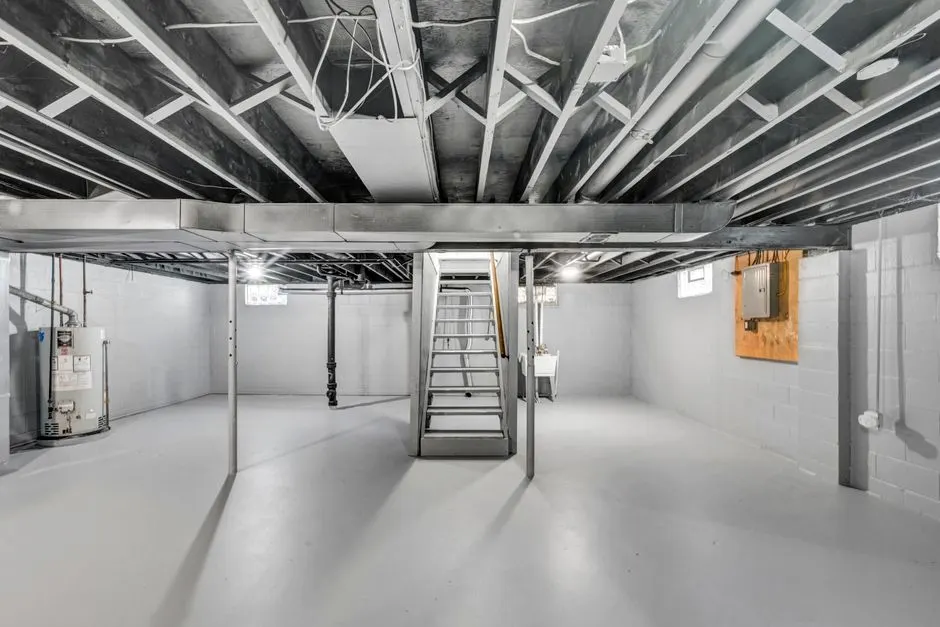
You can dry out a wet basement without a dehumidifier by moving air aggressively, blocking new moisture from entering, and using natural ventilation to lower humidity. The process takes two to five days in a typical Philadelphia rowhouse basement, depending on how wet the space is and how much airflow you create. This guide covers the exact steps, the tools you already own, and the warning signs that mean you need professional help.
Why your basement stays wet without a dehumidifier
Your basement stays wet without a dehumidifier because the air down there is cooler and denser than the air upstairs, so moisture condenses on cold concrete walls and floors. In Philadelphia, where many basements are unfinished stone or poured concrete, that condensation cycle repeats every day until you break it.
Three things keep the cycle going: poor air exchange, groundwater wicking through the walls, and humid outside air entering through vents or open windows. A dehumidifier pulls water from the air, but it does not stop the source. If you skip the machine, you have to replace its work with faster air movement and a tighter moisture barrier.
Most Philadelphia basements sit below the water table after heavy rain. The soil around your foundation holds water like a sponge, and that water pushes against the wall. Even a hairline crack or a porous block wall lets it through. Without a dehumidifier, your job is to dry the surface faster than the wall can re-wet it.
How to dry out a wet basement without a dehumidifier in Philadelphia
To dry out a wet basement without a dehumidifier in Philadelphia, start by removing standing water, then set up a cross-breeze with box fans and open windows during dry weather. The goal is to replace humid air with drier air and keep surfaces warm enough that moisture evaporates instead of condensing.
Follow these steps in order:
- Remove standing water. Use a wet/dry shop vac or a mop and bucket. For anything deeper than an inch, you need a pump. Our basement water extraction Philadelphia PA team uses truck-mounted units that pull hundreds of gallons in minutes.
- Open windows and doors only when outside humidity is below 60%. Philadelphia summers are often 70-90% relative humidity. Check a local weather app. If the dew point is above 60°F, keep windows closed and rely on fans alone.
- Set up box fans or a whole-house fan. Aim one fan toward the wettest wall and another out a window or door to push moist air outside. Run them 24/7 for at least 48 hours.
- Use a space heater or a heat lamp. Warming the air helps it hold more moisture. A 1500-watt space heater raises a 500-square-foot basement by 5-10°F. Keep it away from anything flammable.
- Wipe down walls and floors. Use old towels or a squeegee to push water toward a floor drain. Do this twice a day until the surface feels dry to the touch.
- Place moisture absorbers in corners. DampRid or calcium chloride buckets pull small amounts of water from the air. They work best in closets or small rooms, not whole basements.
If you have a sump pit, make sure the pump works. A failed sump pump is one of the most common reasons basements flood after a storm. We handle sump pump failure cleanup Philadelphia PA for homeowners who wake up to a flooded floor.
Natural ways to dry a wet basement in Philadelphia PA
Natural ways to dry a wet basement in Philadelphia PA include solar-powered ventilation, passive dehumidification with rock salt, and improving drainage so water never enters. These methods cost less than running a dehumidifier and work well for mild dampness.
Solar-powered attic fans or basement vent fans pull air through the space without adding to your electric bill. A 20-watt solar panel can run a 100 CFM fan that exchanges the air in a 1,000-square-foot basement every 10 minutes on a sunny day.
Rock salt or calcium chloride in open containers absorbs moisture from the air. One pound of calcium chloride can pull about a quart of water over a few weeks. Place several containers around the perimeter. Replace the salt when it turns to liquid.
Improving outdoor drainage is the most permanent natural fix. Extend downspouts at least 6 feet from the foundation. Grade soil so it slopes away from the house at a 5% drop. Clean gutters twice a year. These steps keep thousands of gallons of roof water out of your basement.
For older Philadelphia homes with stone foundations, we often recommend a foundation water damage repair Philadelphia PA assessment before you spend money on fans. A cracked mortar joint or failing parge coat lets water in no matter how much air you move.
How long does it take to dry a wet basement without a dehumidifier?
Drying a wet basement without a dehumidifier takes two to five days for a minor leak and up to two weeks for a major flood. The timeline depends on how much water entered, the humidity outside, and how much airflow you create.
Here is a realistic breakdown for a 500-square-foot Philadelphia basement:
- Damp walls only (no standing water): 24-48 hours with two box fans and open windows on a dry day.
- Wet carpet or rugs: 3-5 days. Carpet padding holds water like a sponge. You may need to pull it up and replace the pad.
- Standing water up to 1 inch: 5-7 days with fans, heat, and manual mopping.
- Flooded basement (6+ inches): 10-14 days, and you risk mold growth after 48 hours.
Mold can start growing on wet drywall or wood within 24-48 hours. If you cannot dry the space in that window, you need professional mold remediation Philadelphia PA to stop spores from spreading through your HVAC system.
What to watch out for
Watch out for three mistakes that turn a small wet basement into a mold problem: sealing the space too early, ignoring the source, and using the wrong fans.
Do not close windows and run a fan in a closed room. That just moves humid air around. You need an exhaust path. If you cannot open a window, use a fan pointed out a door or up the stairs.
Do not assume the water is clean. If the leak came from a sewage backup or a flooded toilet, it is category 3 water and requires professional disinfection. We handle sewage backup cleanup Philadelphia PA with hospital-grade disinfectants.
Do not run a shop vac on a wet/dry setting if the water is deeper than the vac's capacity. You will burn out the motor. Rent a submersible pump from a local hardware store for about $50 per day.
Do not ignore the smell. A musty odor after three days means mold is already growing. Call a pro for mold testing Philadelphia before you paint or refinish anything.
When to call a professional
Call a professional when you have standing water deeper than two inches, when the water came from a sewage line, or when the basement is still damp after five days of fans and ventilation. Water Damage Restoration Philly handles these situations every week across Philadelphia.
We use thermal imaging to find hidden moisture behind walls, commercial air movers that push 2,000+ CFM, and moisture meters to confirm when the space is truly dry. If your basement floods repeatedly, we can also install a permanent drainage solution or recommend a dehumidification services Philadelphia PA plan that fits your budget.
Do not wait if you see buckling drywall, warped floorboards, or a persistent damp smell. Those are signs that water has been sitting for days. The longer you wait, the more you pay to fix it.
Frequently Asked Questions
Can I dry out my wet basement without a dehumidifier in Philadelphia?
Yes, you can dry a wet basement without a dehumidifier in Philadelphia by using box fans, open windows on dry days, and manual mopping. It takes 2-5 days for minor dampness. For standing water or sewage backups, you need professional extraction.
How long does it take to dry a wet basement without a dehumidifier?
It takes 2-5 days for damp walls and up to 14 days for a flooded basement. The timeline depends on airflow, outdoor humidity, and how much water soaked into materials. Mold can start in 24-48 hours, so speed matters.
What is the best way to dry a wet basement in Philadelphia PA?
The best way is to remove standing water first, then create a cross-breeze with fans and open windows when outside humidity is below 60%. Add a space heater to warm the air. If the basement stays wet after five days, call a professional.
Do I need to run fans 24/7 to dry a wet basement?
Yes, run fans continuously for at least 48 hours. Intermittent fan use lets moisture settle back into walls and floors. Use a timer if you worry about electricity, but keep the air moving.
Can I use a shop vac to remove water from my basement?
A wet/dry shop vac works for puddles up to its tank capacity, usually 5-12 gallons. For deeper water, rent a submersible pump. Never use a standard household vacuum on wet surfaces.
Get help with water damage restoration in Philadelphia
If your basement is still wet after a few days of DIY drying, or if the water came from a sewage line or storm flood, our team at Water Damage Restoration Philly is ready to help. We serve homeowners across Philadelphia with fast extraction, structural drying, and mold prevention.
Call us at 215-281-3000 for a same-day assessment. We will tell you exactly what it takes to dry your basement and keep it dry.