For Homeowners
We handle foundation water damage in rowhouses, single-family homes, and apartments. You get a dry basement and a repaired foundation.
- Basement floods after rain
- Crack leaks during storms
- Sump pump fails overnight
Foundation water damage repair Philadelphia PA handles the cracked, damp, and shifting foundations that show up in Philadelphia's rowhouses and older homes. We start with a moisture meter and thermal imaging camera to trace where water is entering, then dry the structure and repair the damage. Whether it's a burst pipe, sump pump failure, or years of slow seepage, we stop the source and stabilize the foundation before it gets worse.
 Moisture mappingCrack inspectionSump check
Our foundation water damage repair service covers the full scope: finding the water source, drying the structure, repairing the damage, and verifying the result. Here's what you get when you hire us.
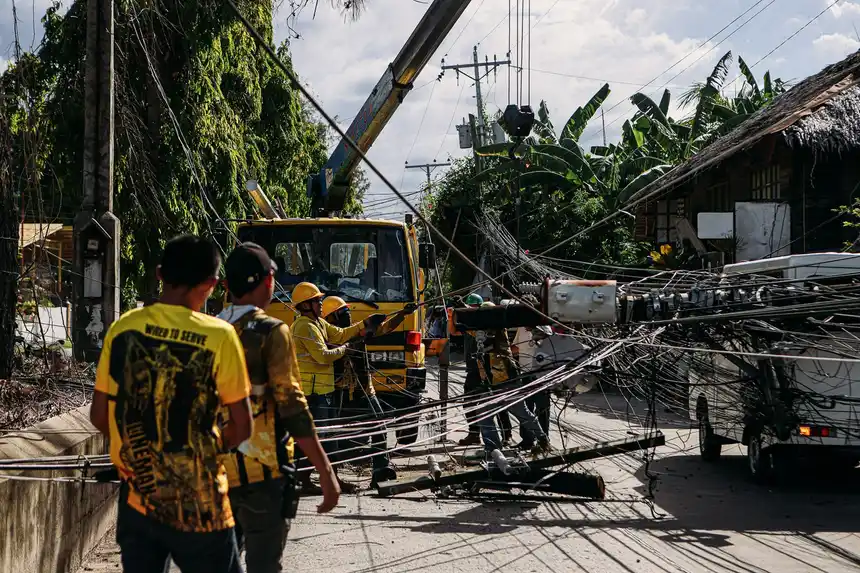
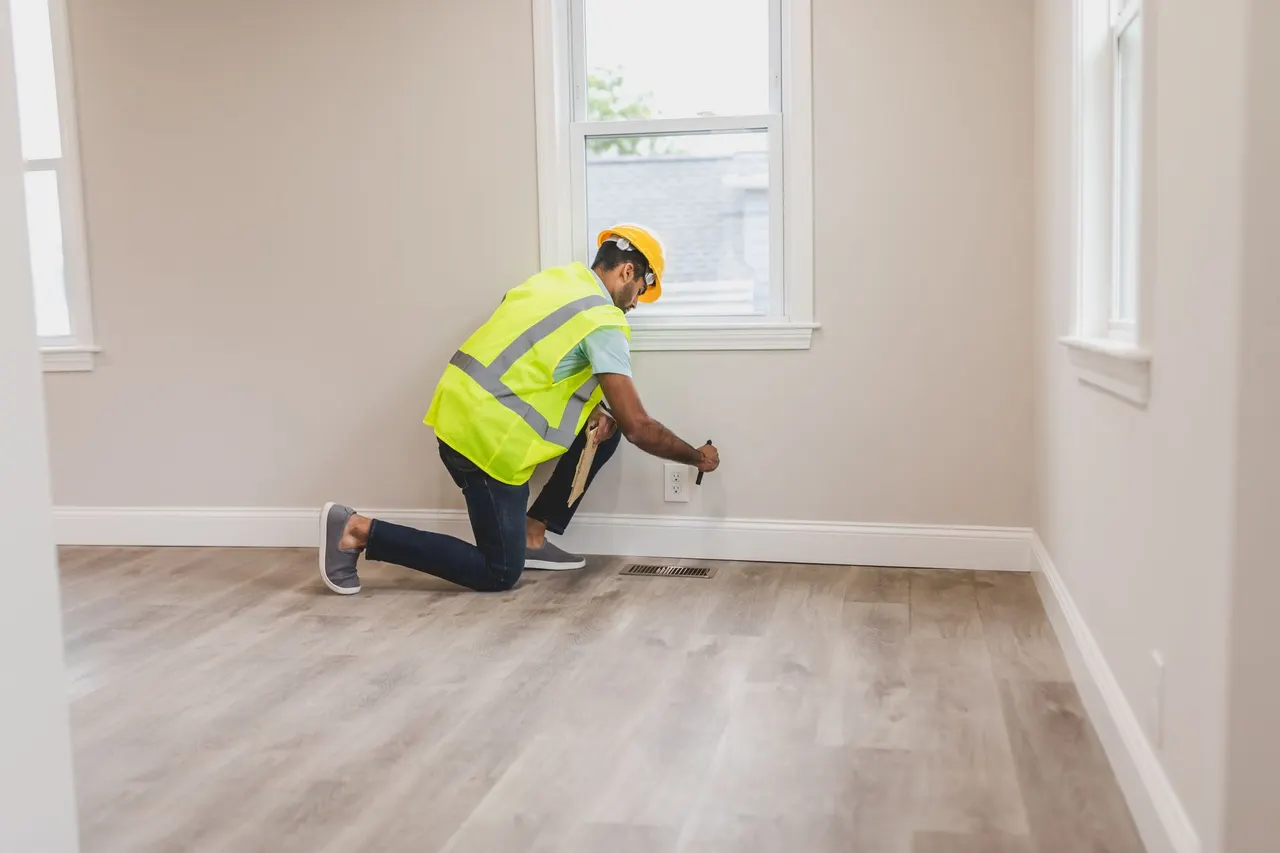
We use a moisture meter, thermal imaging camera, and boroscope to find water behind walls and under floors. We check the cove joint, sump pit, and any visible cracks. This inspection tells us where the water is coming from and how far it has spread.
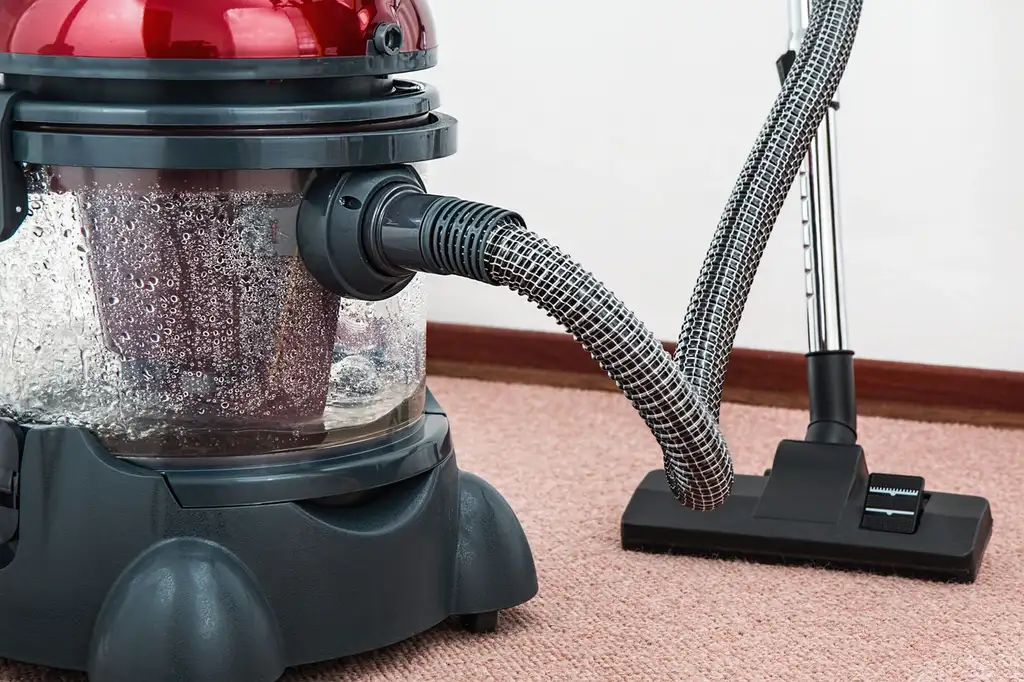
Standing water is removed with a water extraction unit and wet/dry vacuum. We extract from carpet, subfloor, and crawl spaces. If the water is contaminated, we treat it as category 3 and follow IICRC protocols.
We set commercial dehumidifiers and air movers to dry framing, subfloor, and drywall. Drying typically takes 3 to 5 days. We check moisture levels daily with a hygrometer and adjust equipment as needed.
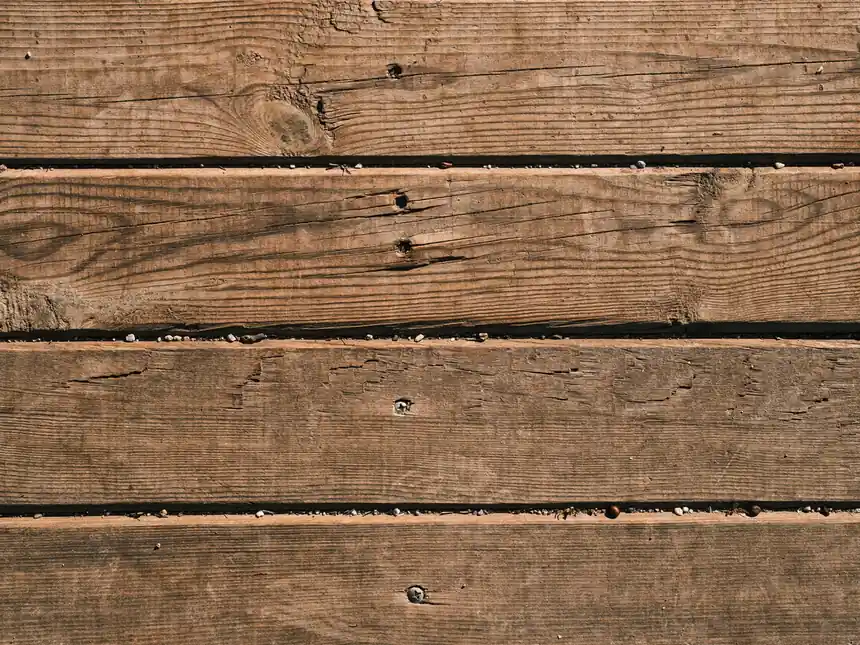
Cracks are injected with sealant or patched with hydraulic cement. Spalled brick is replaced. If the sump pump failed, we install a new one. We also address any grading or drainage issues that contributed to the water intrusion.
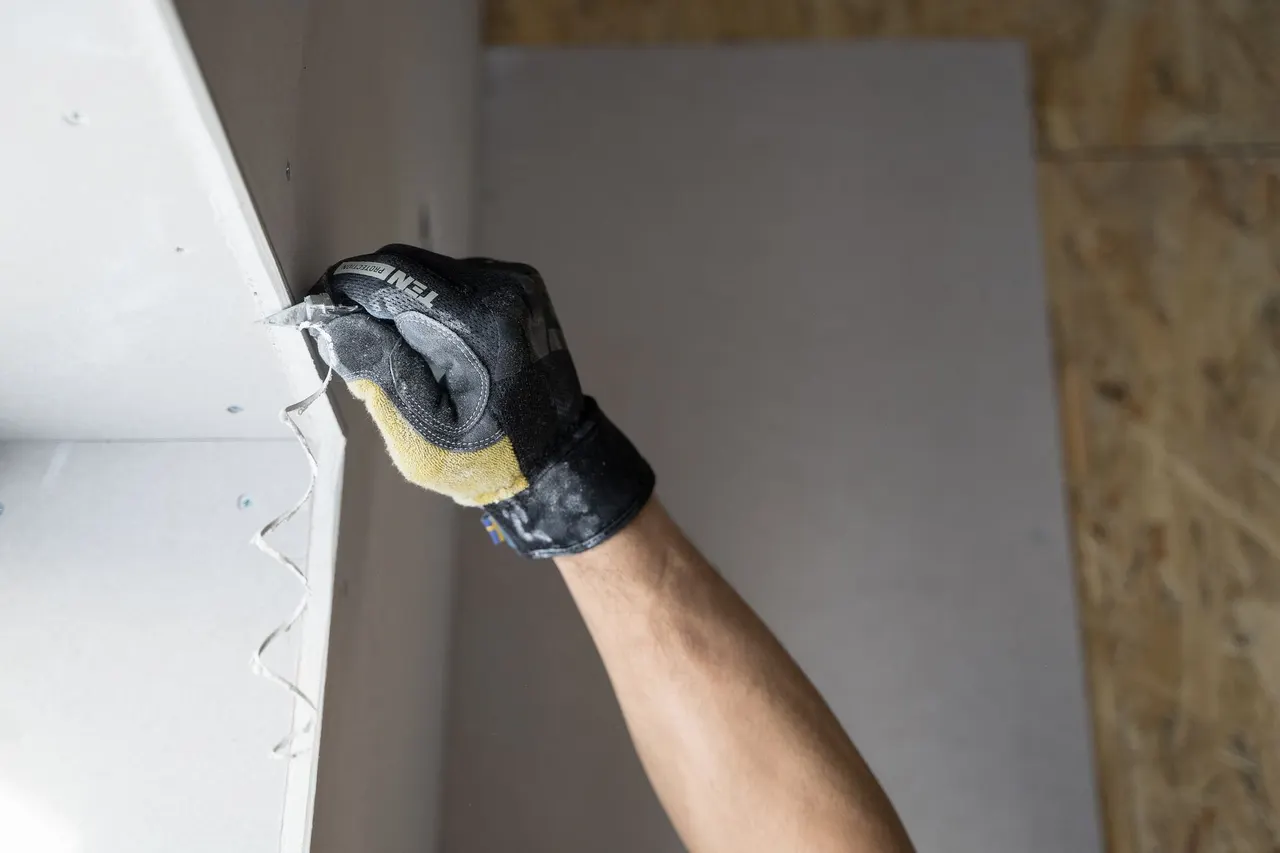
We apply antimicrobial solution to affected framing and drywall to prevent mold growth. If mold is already present, we contain the area and remove contaminated materials following IICRC AMRT standards.
You receive a written report with before-and-after moisture readings, photos, and a summary of repairs. This documentation supports your insurance claim and gives you a record of the work.
The approach is the same for a home and a business. What changes is the access, the schedule and who needs the paperwork.
We handle foundation water damage in rowhouses, single-family homes, and apartments. You get a dry basement and a repaired foundation.
We restore foundations in offices, retail spaces, and restaurants. We work after hours to keep your business running.
A plain-language look at what Foundation Water Damage Repair involves and when it is needed.
See how it worksFoundation water damage repair Philadelphia PA is the process of stopping water intrusion at the foundation, drying the affected structure, and repairing cracks, spalling, or shifting that the water caused. We use a moisture meter and thermal imaging camera to map where water is hiding behind drywall and under subfloor, then a boroscope to inspect inside wall cavities. Once we know the source, we extract standing water, set commercial dehumidifiers and air movers, and repair the damage with hydraulic cement, sealant, and mold-resistant drywall where needed.
Most Philadelphia homeowners call us after a burst pipe, a sump pump failure, or a heavy rain that pushes water through the cove joint where the wall meets the floor. In Philadelphia County, the older housing stock means many foundations are stone or brick that absorb water and stay damp for weeks. If you search for foundation water damage repair near me Philadelphia PA, we can be on site the same day to assess the damage and start drying. The longer water sits, the more likely you'll see mold growth and structural water damage.
Foundation water damage repair stops the water, dries the structure, and fixes the damage.
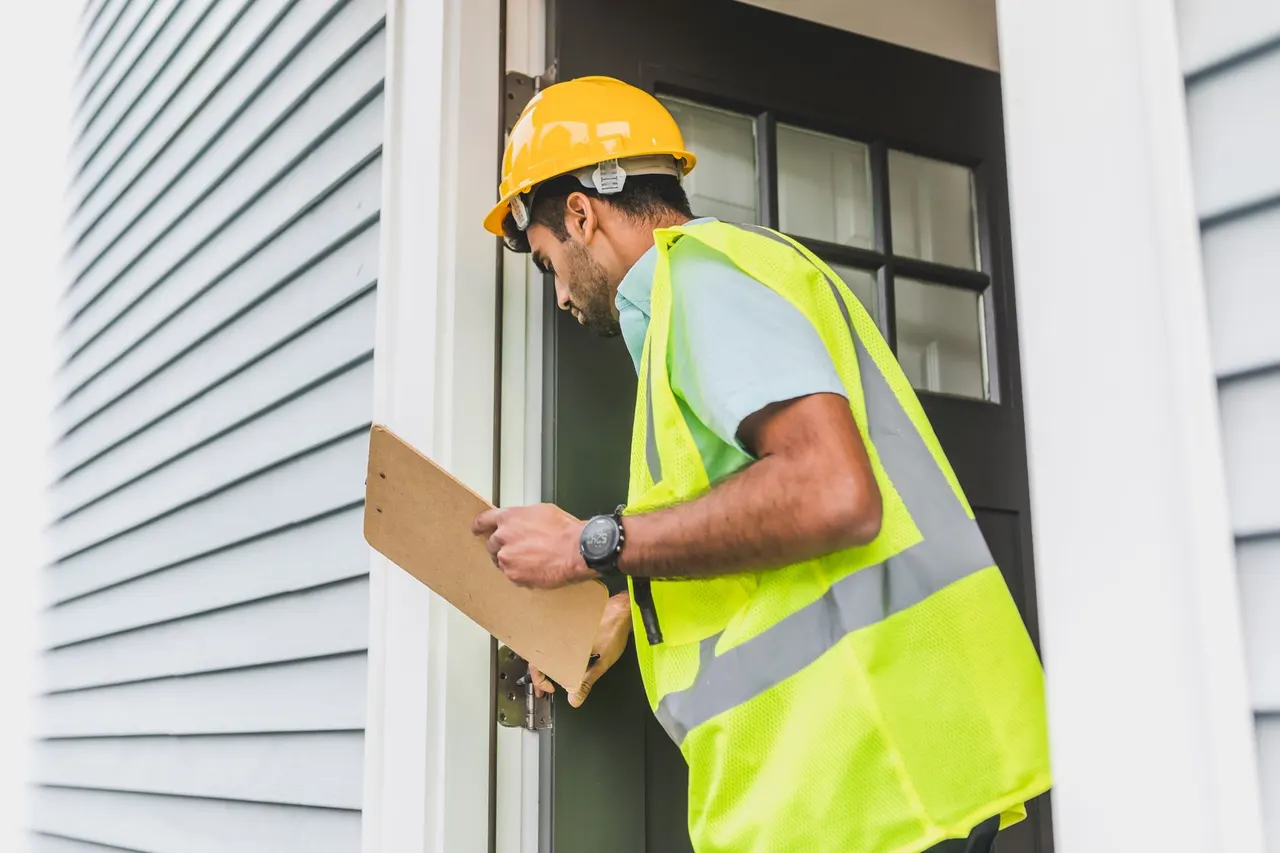
Every job follows the same sequence: find the water, stop it, dry the structure, repair the damage, and verify the result. Here is what that looks like from your side.
You call 215-281-3000 and describe what you're seeing: a wet basement floor, a crack that's getting wider, or a musty smell. We ask a few questions to understand the situation, then schedule a visit. Same-day appointments are available for active leaks.
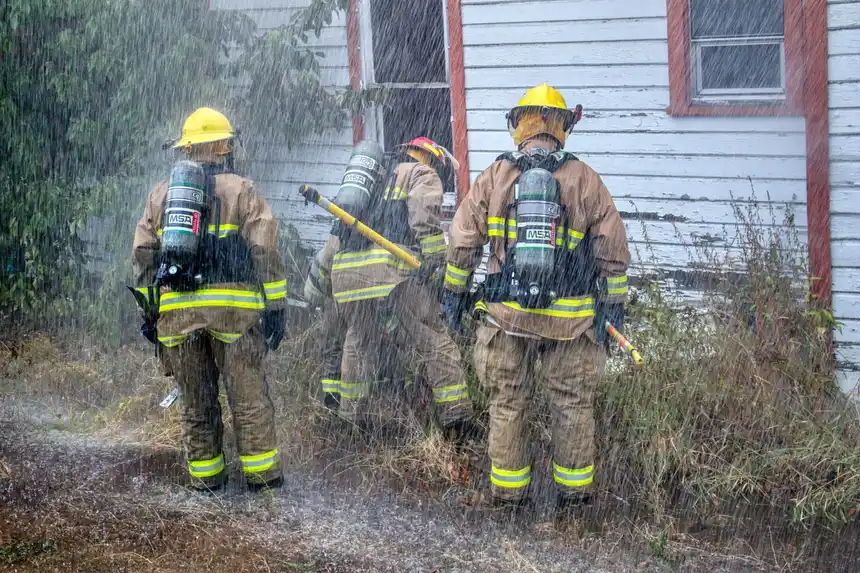
On arrival, we walk the foundation with a moisture meter and thermal imaging camera. We check the cove joint, the sump pit, and any visible cracks. A boroscope goes into wall cavities if we suspect hidden moisture. This takes 30 to 60 minutes.
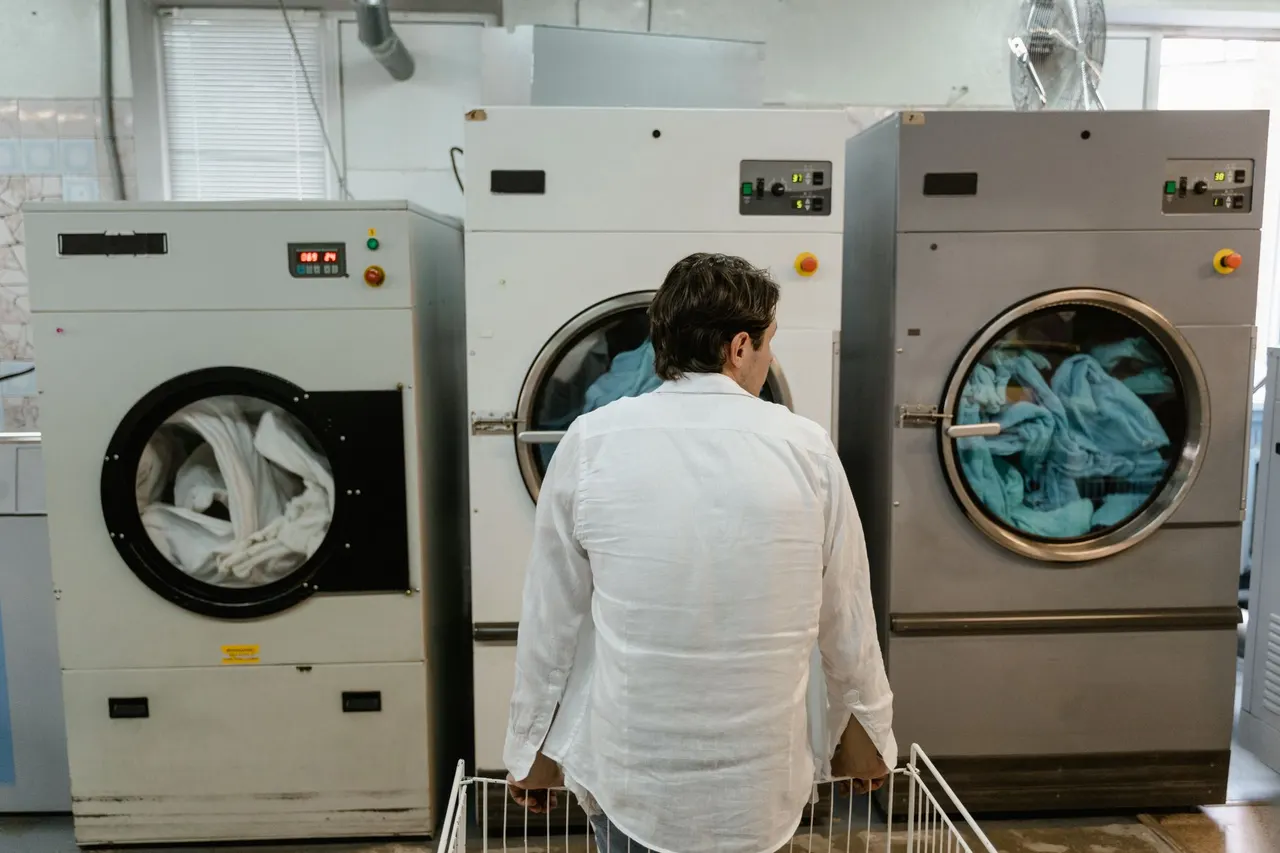
If there's standing water, we remove it with a water extraction unit and wet/dry vacuum. Then we set commercial dehumidifiers and air movers. Drying typically takes 3 to 5 days, and we check readings daily with a hygrometer to confirm progress.
Once the structure is dry, we repair the damage. That may mean injecting cracks with sealant, patching spalled brick with hydraulic cement, or replacing a section of subfloor. If the sump pump failed, we can install a new one.
We take final moisture readings and compare them to our baseline. You get a written summary of what we found, what we did, and what to watch for. If we replaced any materials, we note the brands and specs in the report.
Move across a circle, or focus it and press Enter, for an illustrative thermal view of the photograph.
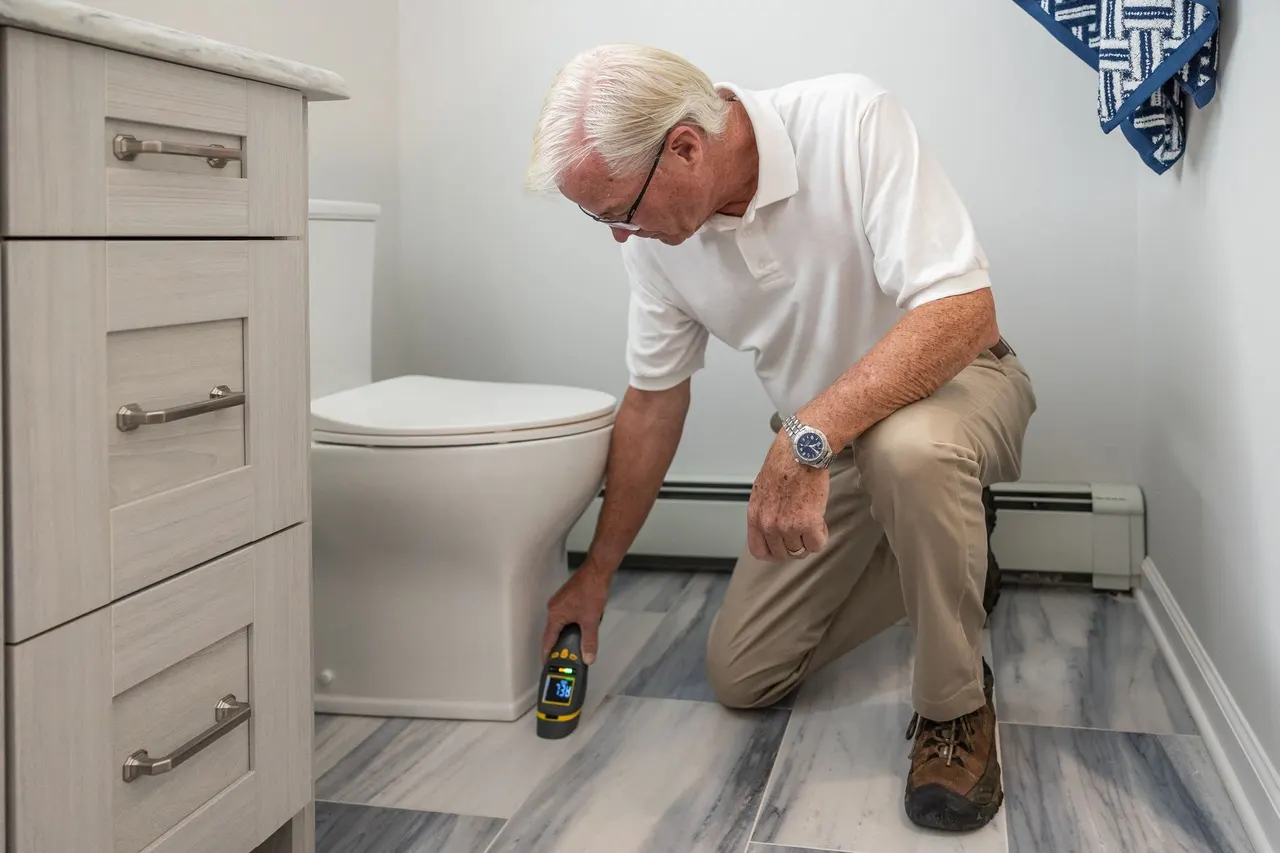
Pin-type and pinless meters measure moisture content in drywall, wood, and concrete. We use them to map the extent of water damage and track drying progress.
Infrared cameras reveal temperature differences that indicate hidden moisture behind walls and under floors. We use them to find water without tearing into finished surfaces.
A boroscope lets us see inside wall cavities and under subfloor without demolition. We use it to inspect for mold, rot, and water damage.
We use Dri-Eaz and Phoenix Restoration dehumidifiers to pull moisture from the air. These units are sized for the job and run continuously until the structure is dry.
High-velocity air movers circulate air across wet surfaces to speed evaporation. We position them to create a vortex that dries walls and floors evenly.
Thermal views are illustrative, generated from the photographs.
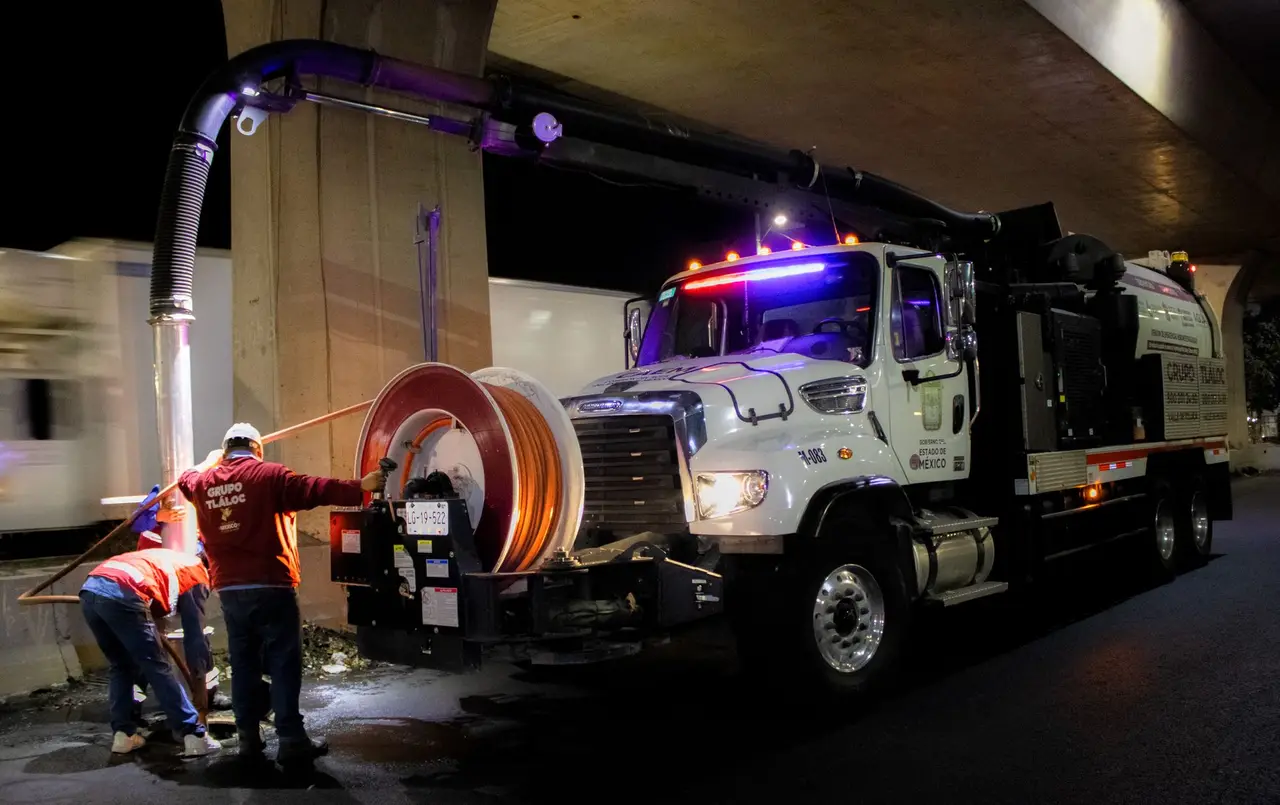
Truck-mounted and portable extraction units remove standing water from carpet, subfloor, and crawl spaces. We use wet/dry vacuums for smaller areas.
We measure relative humidity to determine when the structure is dry. Readings are taken daily and recorded in our documentation.
We follow IICRC Water Restoration Technician (WRT) and Applied Structural Drying (ASD) standards for all water damage jobs. These standards dictate how we extract, dry, and document the work.
We use thermal cameras to create a moisture map of the affected area. This map guides our drying strategy and ensures we don't miss hidden moisture.
After drying, we apply antimicrobial solution to framing and drywall to prevent mold growth. We use EPA-registered products and follow label instructions.
We repair foundation cracks with polyurethane or epoxy injection, depending on the crack type. For larger cracks, we use hydraulic cement. We also address exterior drainage.
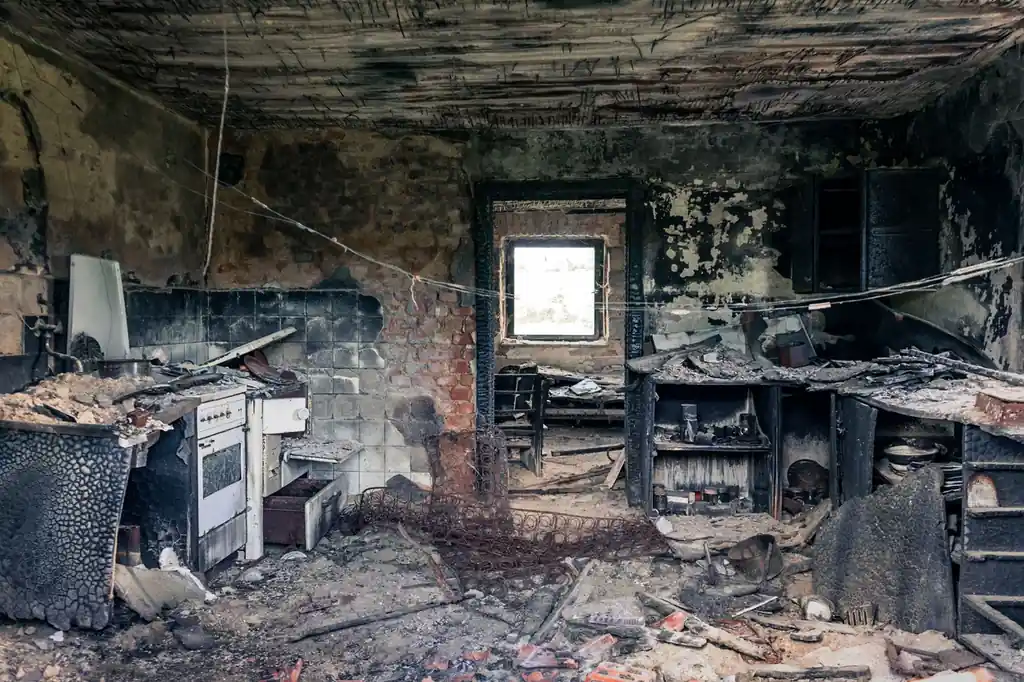
A pipe bursts in your basement overnight and water pools around the foundation.
We shut off the water, extract the standing water, and dry the foundation with commercial dehumidifiers and air movers.
Outcome: Your basement is dry within 3 to 5 days, and the foundation is stable. We document everything for insurance.
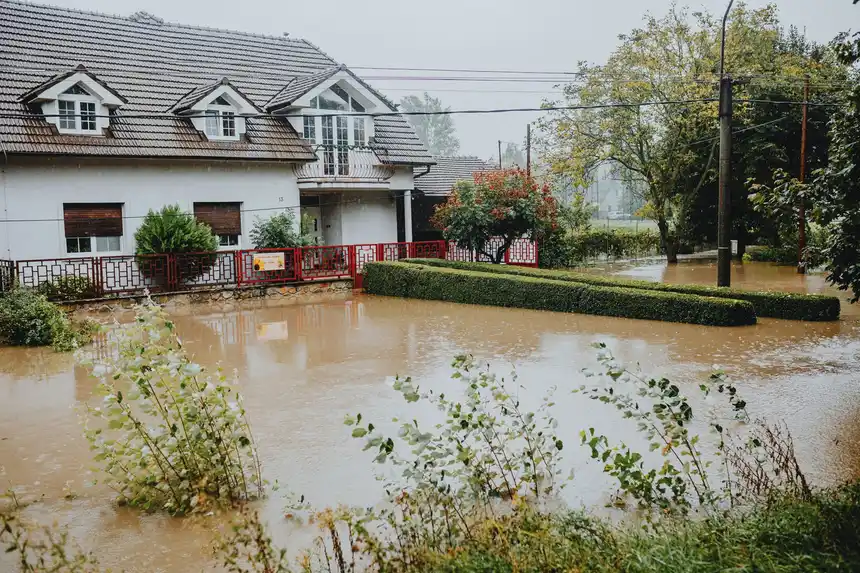
After a heavy rain, you notice water seeping through a crack in your foundation wall.
We inject the crack with sealant, check the exterior grading, and install a sump pump if needed. We also dry any damp areas inside.
Outcome: The crack is sealed, and water no longer enters. You avoid mold growth and further structural damage.
Your sump pump fails during a storm, and your basement floods with several inches of water.
We extract the water, dry the space, and replace the sump pump. We also check the discharge line and pit to prevent future failures.
Outcome: Your basement is dry, and the new pump is ready for the next storm. We provide a written report for your records.
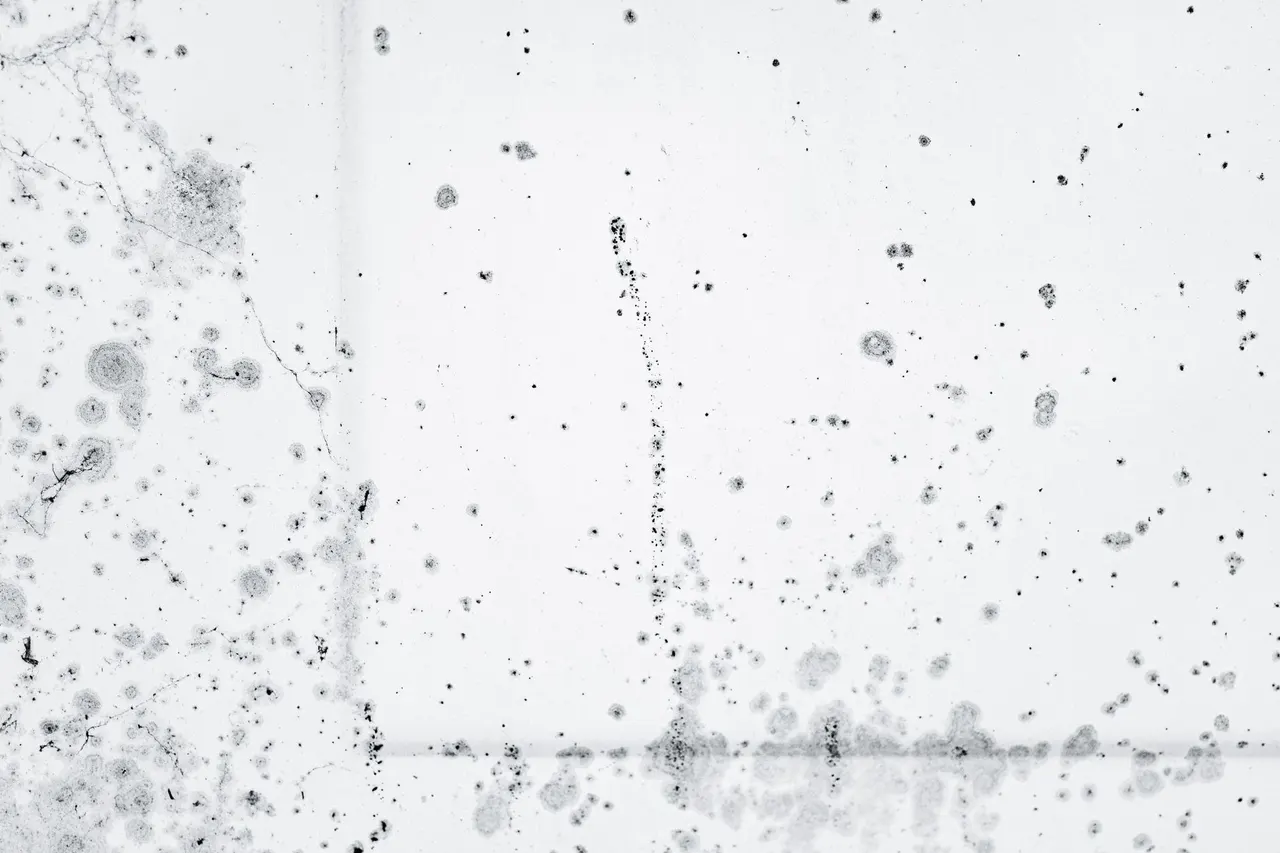
We use a thermal imaging camera and moisture meter to find hidden moisture. Once located, we dry the area and treat it with antimicrobial solution.
Outcome: The musty odor is gone, and mold growth is stopped before it spreads.
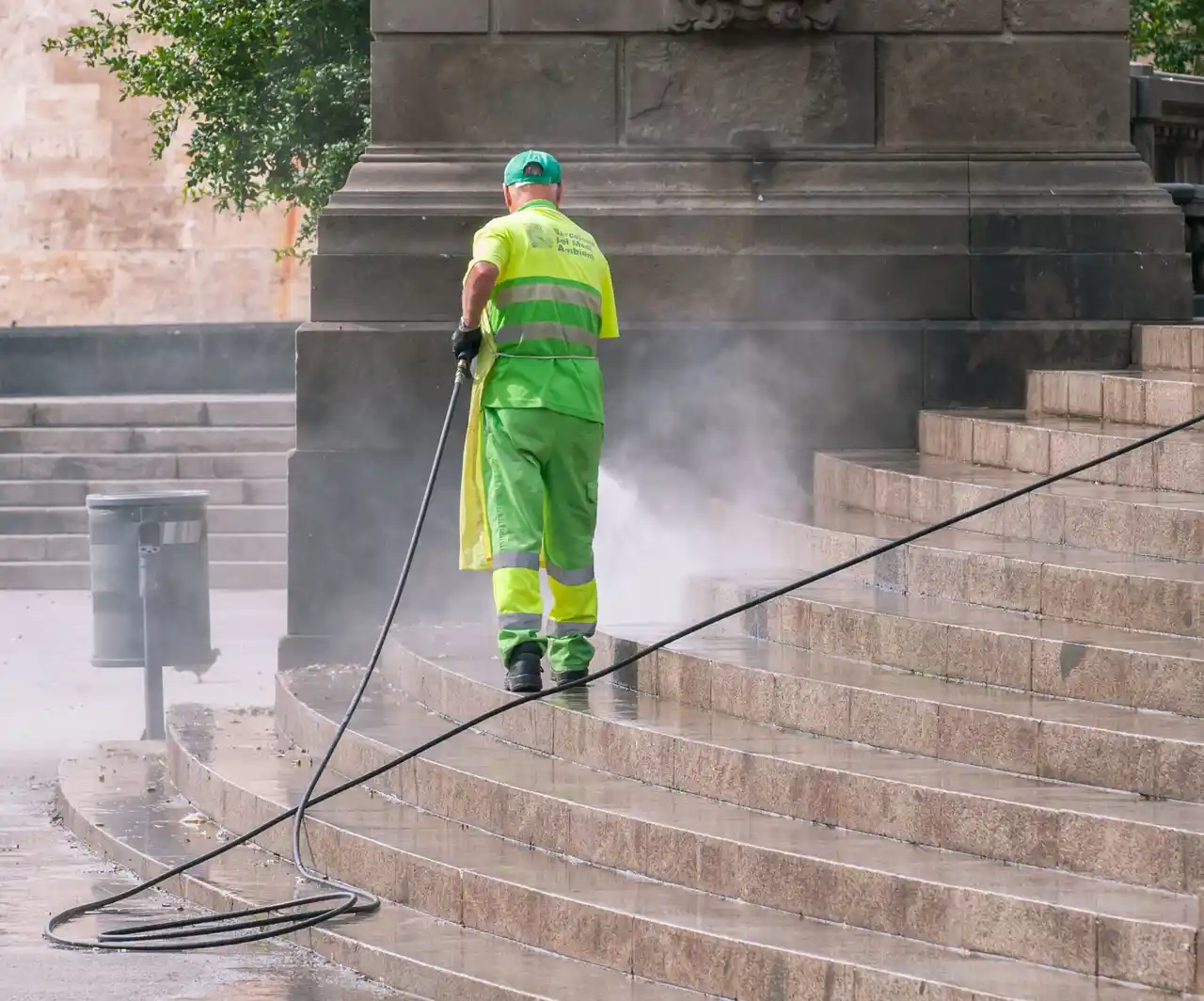
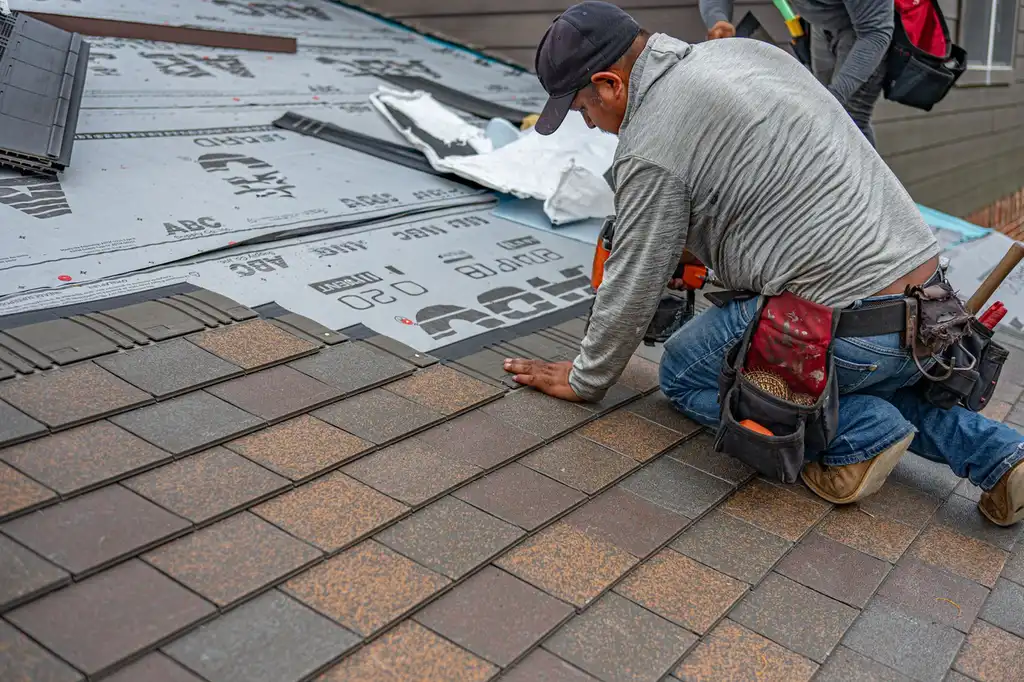
We repair the interior water damage, dry the wall cavity, and coordinate with a roofer to fix the exterior leak.
Outcome: The wall and foundation are dry, and the leak is permanently repaired.
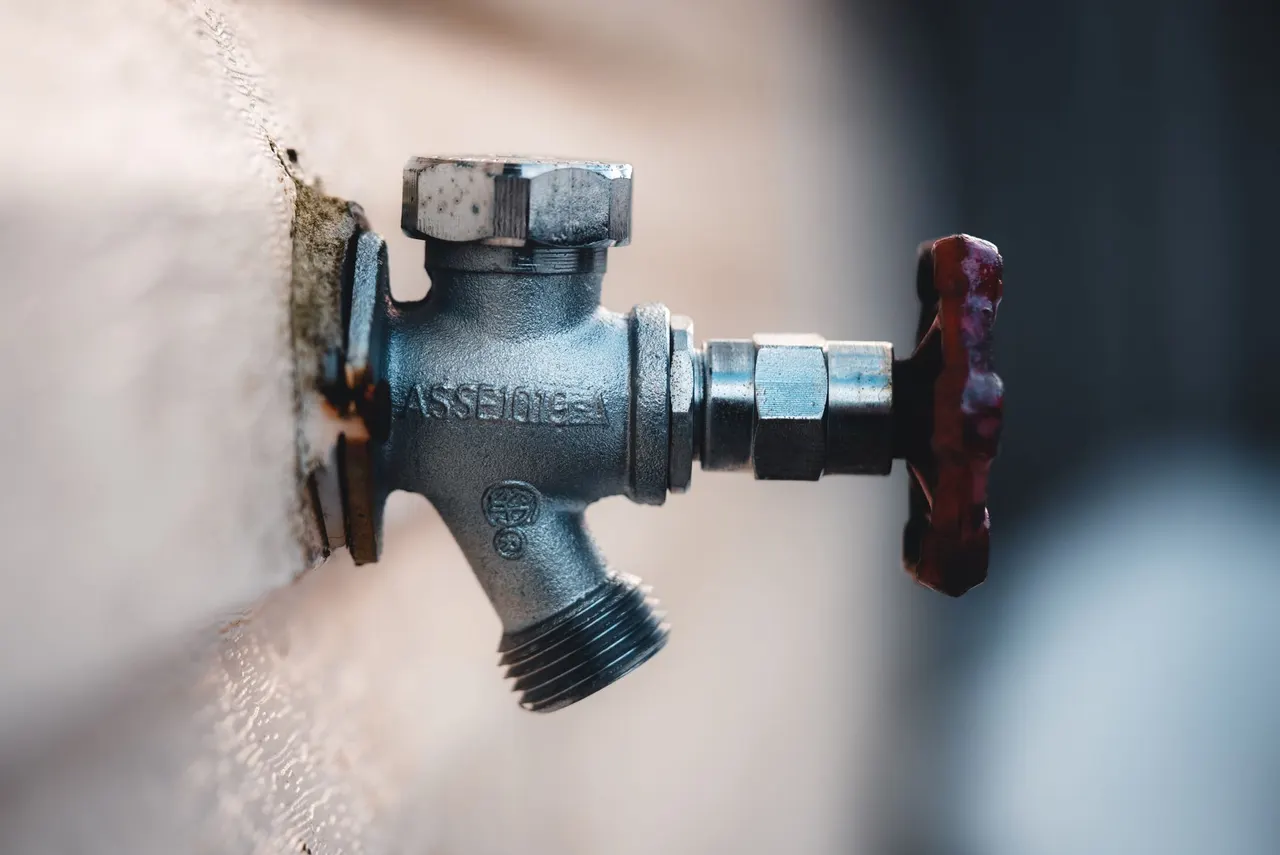
Philadelphia's climate and housing stock create specific foundation water damage challenges. Most homes are rowhouses built before 1950, with stone or brick foundations that absorb water. The water table is high in many neighborhoods, and heavy rains can overwhelm sump pumps and French drains. In Center City and Old City, foundations are often shared party walls, so water damage can affect multiple units.
In Northeast Philly, crawl spaces are common and prone to moisture. We adjust our approach based on the neighborhood: in Fishtown, we often deal with basement flooding from sump pump failures; in Chestnut Hill, we see more stone foundation seepage. If you need emergency foundation repair Philadelphia PA, we can be on site within 90 minutes.
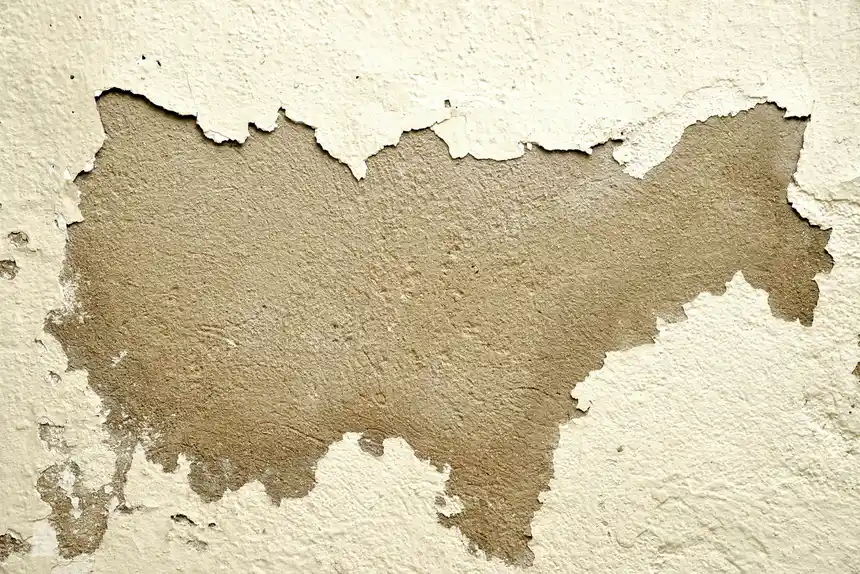
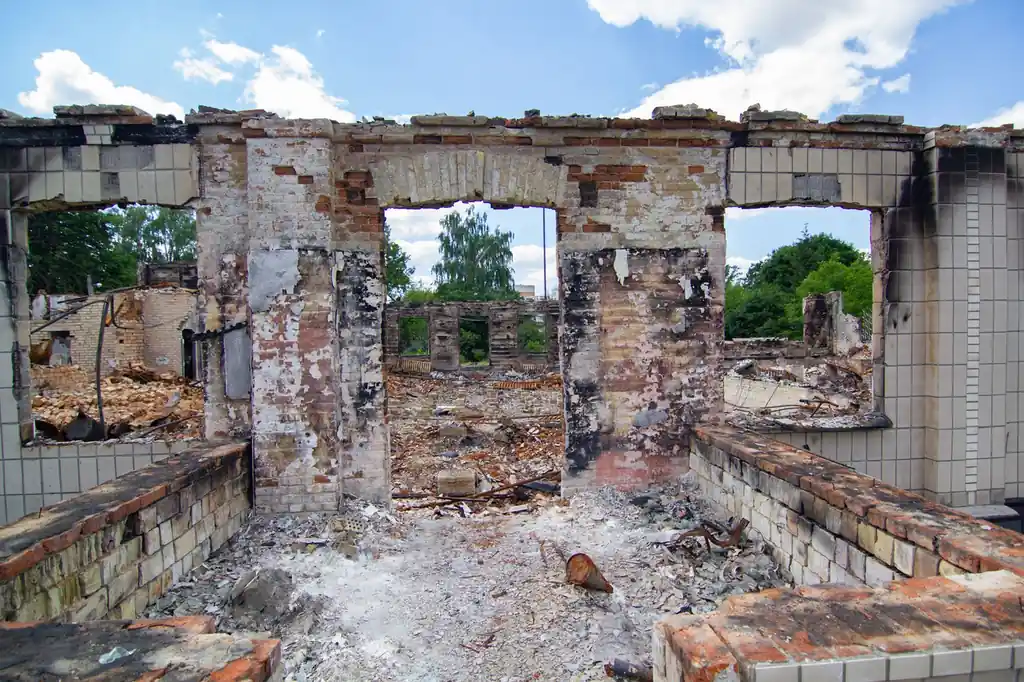
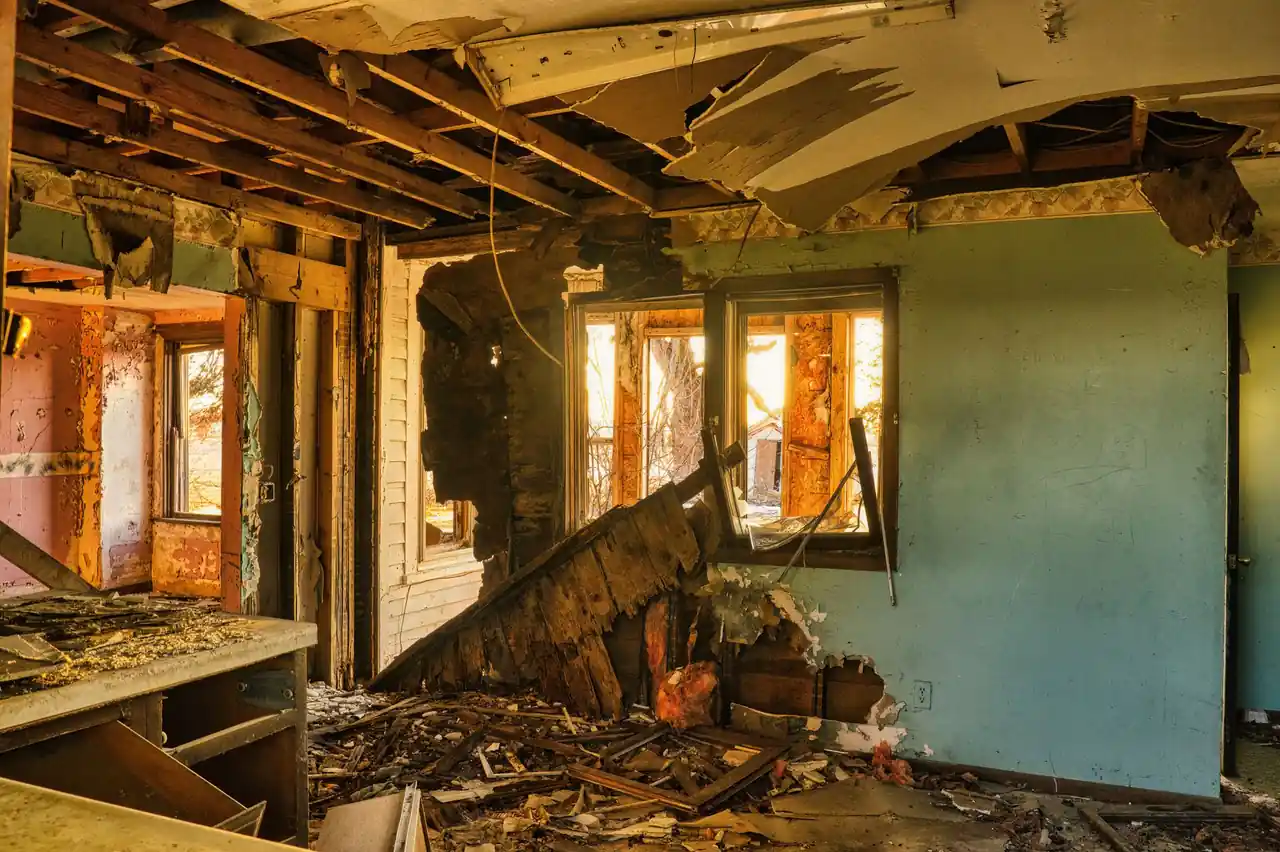
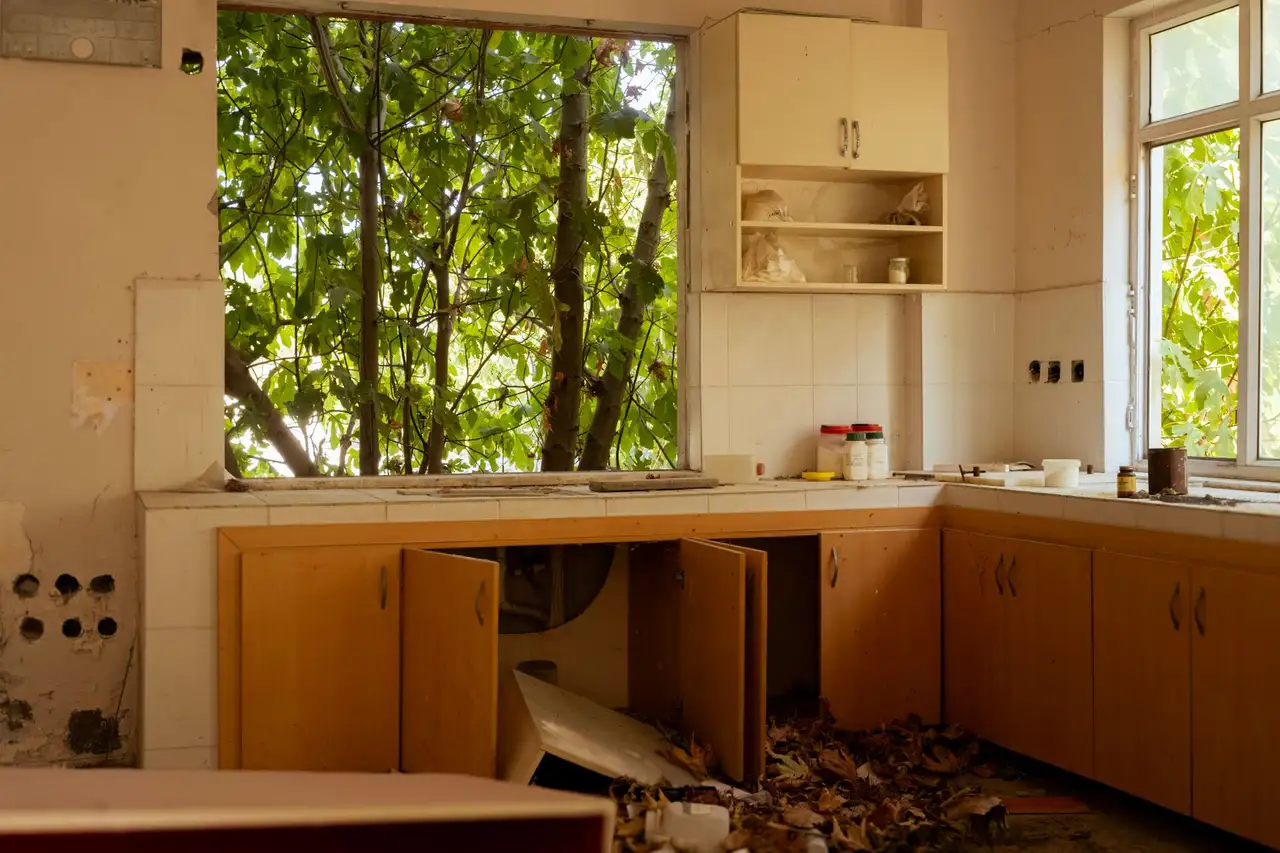
Before: A sump pump failed during a storm, leaving 4 inches of water in the basement. The foundation wall was saturated, and mold was starting to grow on drywall.
After: We extracted the water, dried the basement in 4 days, replaced the sump pump, and treated the wall with antimicrobial solution. Moisture readings returned to normal.
Test your sump pump every 3 months by pouring water into the pit. Install a battery backup to keep it running during power outages.
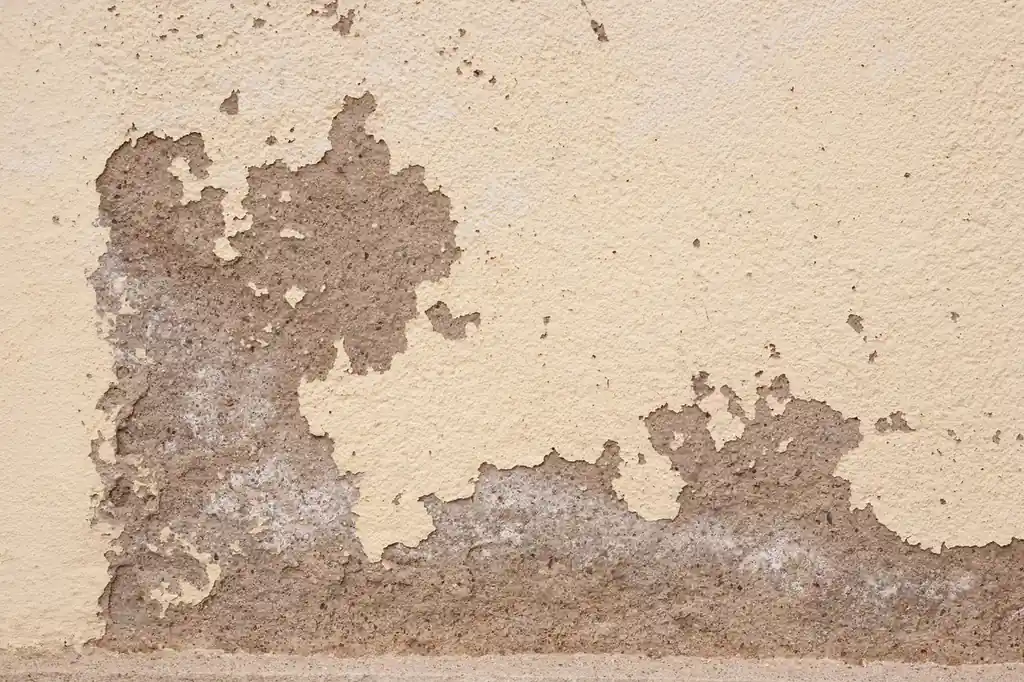
Before: A 6-foot crack in the stone foundation was leaking water during every rain. The homeowner noticed efflorescence and dampness on the basement floor.
After: We injected the crack with polyurethane sealant, repaired the exterior drainage, and dried the basement. The crack has not leaked since.
Keep gutters clean and extend downspouts at least 6 feet from the foundation to reduce water pressure.
Before: A pipe burst in the wall between two rowhouses, sending water into both basements. Drywall and insulation were soaked, and the foundation was damp.
After: We extracted the water, removed damaged drywall, dried the structure, and repaired the foundation. Both units were dry within 5 days.
Insulate pipes in exterior walls and know where your main shut-off valve is located.
These are the most common foundation water damage issues we see in Philadelphia homes. If you recognize any of these, call us before the damage gets worse.
A dry foundation means no mold and no structural damage.
We don't just dry the floor and leave. We trace the leak back to its source, whether that's a failed sump pump, a cracked pipe, or a roof leak running down inside the wall. Once we find it, we fix it so the foundation can actually dry out.
Mold can start growing on wet drywall and subfloor within 24 to 48 hours. We apply antimicrobial solution to affected framing and use HEPA vacuums to capture spores. If mold is already present, we handle remediation as part of the same job.
Foundation walls that stay wet lose strength. Mortar joints crumble, brick spalls, and floors start to slope. We repair cracks with hydraulic cement and sealant, then verify the repair with a moisture meter before we close anything up.
We photograph moisture readings, thermal images, and damaged materials before, during, and after the job. That documentation supports your claim when you file for foundation water damage repair in Philadelphia, Pennsylvania.
What a written scope covers and what shapes it. Prices are set by the business after the first look.
Included
Depends on
Clear records you can keep and share.
Daily readings from each visit
Before, during, and after photos
What we fixed and materials used
Documentation for your claim
Not all foundation water damage is the same. The source and duration determine the repair.
Caused by burst pipe or appliance failure
Slow water entry through cracks or porous walls
Groundwater or sewage backup
A list like this tells people straight away whether you cover their street. Not listed? Call and ask: it only takes a minute.
Based in Philadelphia and covering the places around it. Pick one for local details.
We provide a written estimate before any work begins.
Water Damage Restoration Philly does foundation repair in Philadelphia PA. We handle water intrusion, crack repair, sump pump replacement, and structural drying. Call 215-281-3000 to schedule an assessment.
It depends on the cause. Sudden events like a burst pipe or appliance leak are usually covered. Long-term seepage or poor drainage is often excluded. We document everything with photos and moisture readings, then bill your insurer directly through Xactimate.
Drying typically takes 3 to 5 days. Structural repair, like crack injection or brick replacement, adds 1 to 3 days. If we need to replace a sump pump or regrade the exterior, that can add another day. Most jobs are complete within a week.
Other services from the same team.
Water at the foundation gets worse every hour. Call 215-281-3000 for foundation water damage repair Philadelphia PA. We'll find the source, dry the structure, and repair the damage.
Call 215-281-3000 any time, day or night. We answer live, ask what happened, and dispatch a crew. If you prefer email, send photos and your address to [email protected] and we'll respond within the hour. Most Philadelphia calls get a technician on-site within 60 to 90 minutes.