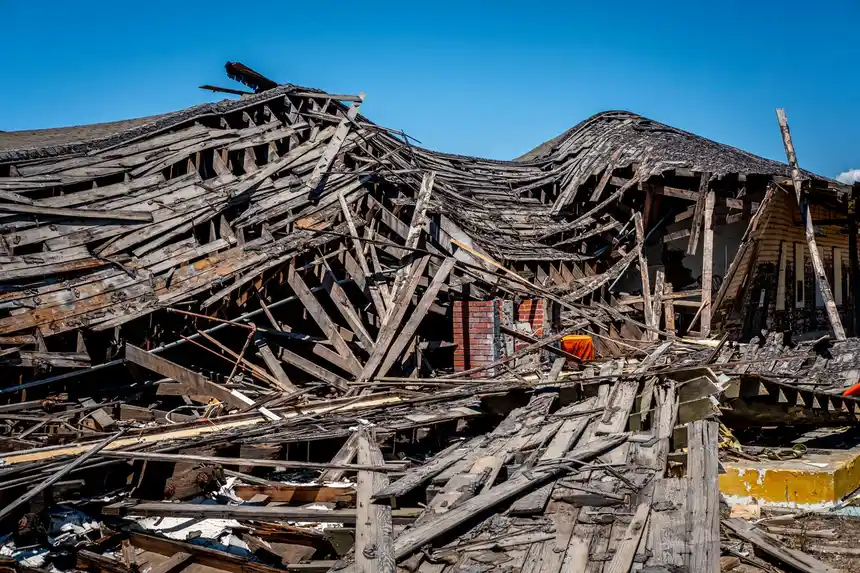
Homes in Newbold
Rowhomes here share walls and have tight basements, so we plan access and drying around the building. We protect floors and stairs while we work.
- Historic rowhomes
- Finished basements
- Shared party walls
- Tight stairwell access
Our IICRC-trained technicians work the historic rowhomes, finished basements, and commercial spaces along Broad Street and Tasker Street every week.
121 Hillside Rd, Wayne, PA 19087, Philadelphia, Pennsylvania
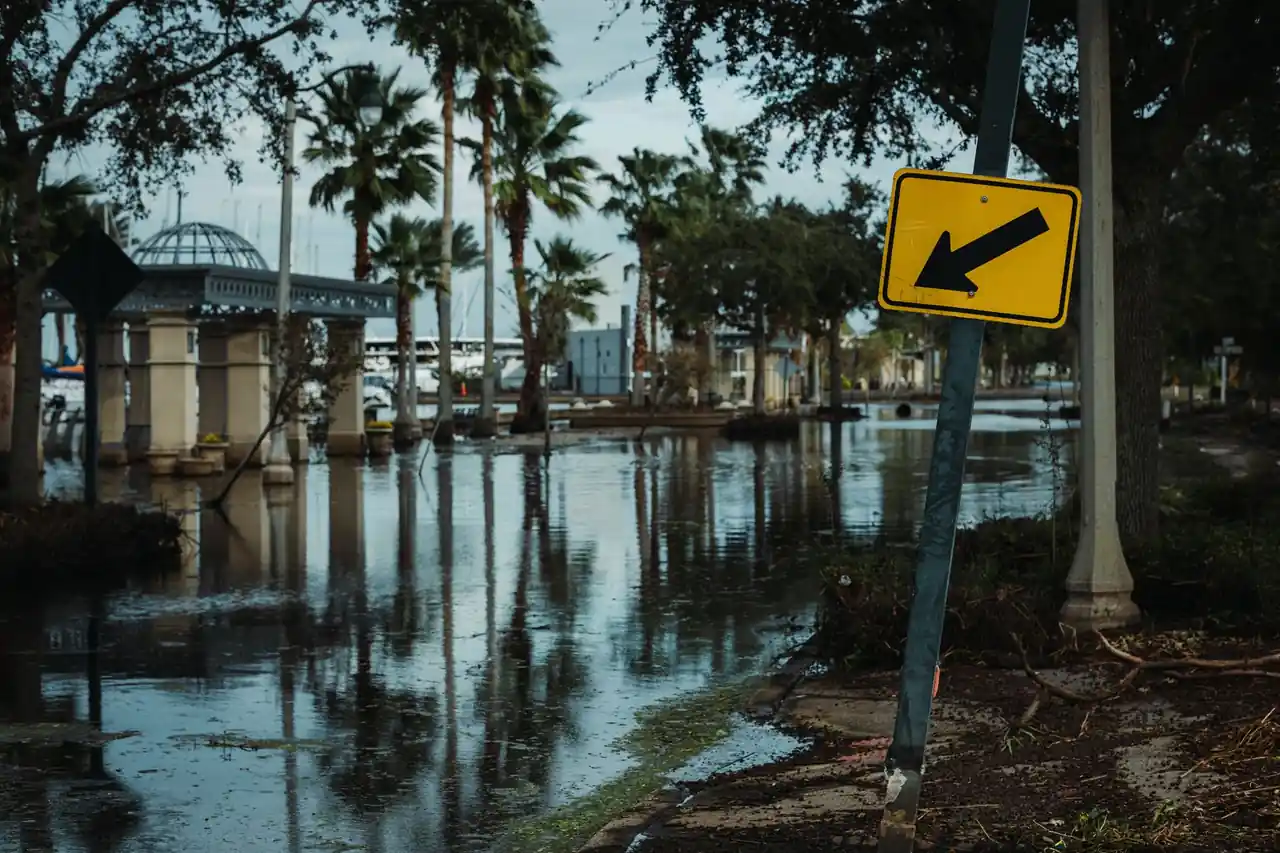
Serving Newbold and nearby
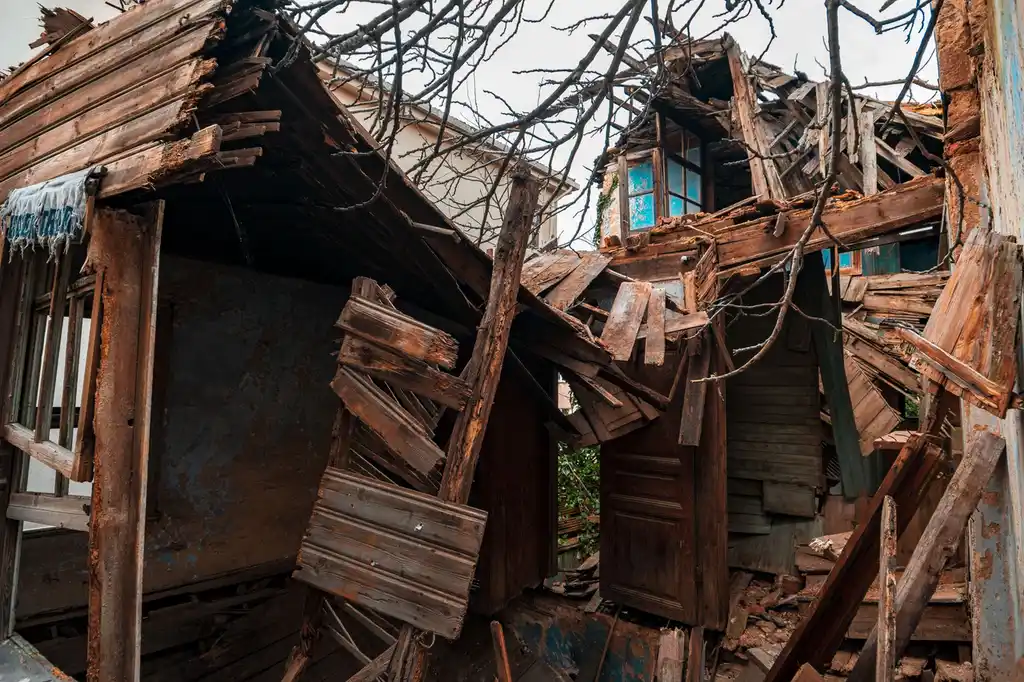
Water damage restoration in Newbold is the process of extracting standing water, drying structural materials, and restoring your property after a leak, backup, or storm. We have been doing that work here since 2015, and we know the housing stock block by block. The rowhomes around Newbold Exchange and along Tasker Street were built with original plumbing that was never designed for modern water pressure.
When a supply line fails behind a kitchen wall, water travels through shared party walls into the neighboring unit before you even see the stain on your ceiling. We handle those calls daily. Our team also covers Point Breeze, Graduate Hospital, Passyunk Square, and East Passyunk, so we are never far from your address in 19145 or 19146.
We use thermal imaging cameras to find hidden moisture inside walls, then place commercial dehumidifiers and air movers to dry the structure to IICRC standards. Every job gets a moisture map, daily readings, and a final report your adjuster can use. If you need water damage restoration near Newbold, call us at 215-281-3000 and we will be there same day.
We serve Newbold because the demand here is constant and the buildings are unforgiving. The neighborhood sits on aging sewer lines that tree roots invade every year, and the finished basements common on these blocks flood fast when a sump pump fails during a heavy rain. We have worked enough jobs here to know which streets drain poorly and which blocks have clay soil that holds water against foundations. That local knowledge cuts our response time and helps us dry your home correctly the first time.
Good to know in Newbold
Standard truck-mounted extraction units cannot always reach the basement, and equipment must fit through tight stairwells. This slows water removal if the crew is not prepared with compact gear.
Structural repairs, including replacing framing or drywall after water damage, require an L&I permit in Philadelphia.
Point Breeze borders Newbold to the west and shares the same aging sewer infrastructure. Many of these rowhomes have finished basements that flood when the laterals back up.
Newbold water damage restoration covers everything from a slow appliance leak under a kitchen sink to a full sewage backup in a finished basement. Because the housing stock here is dense and old, we see more hidden moisture and more shared-wall damage than in newer suburbs.
We handle full-scope water damage restoration in Newbold rowhomes, from extraction through structural drying and final repairs.
Emergency water removal in Newbold means we roll within the hour for burst pipes, sewage backups, and basement flooding.
Flood damage cleanup in Newbold often follows summer thunderstorms that overwhelm the aging sewer lines along Tasker Street and Broad Street.
Basement water extraction is our most common Newbold call.
Sewage backup cleanup in Newbold requires careful containment because the water is Category 3 contaminated.
Storm damage restoration in Newbold covers roof leaks, window intrusion, and basement flooding after nor'easters and summer squalls.
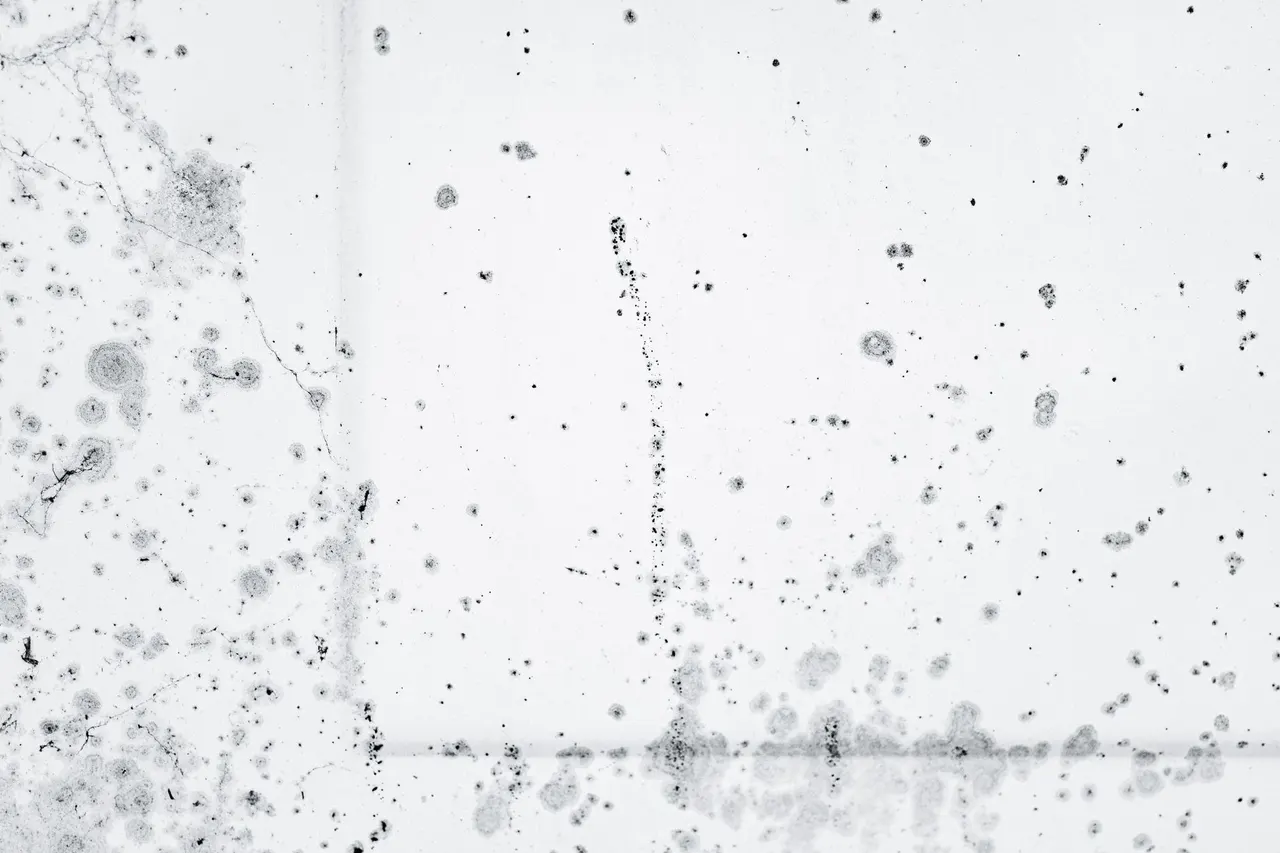
Mold remediation in Newbold usually follows a slow leak that went unnoticed behind a bathroom wall or under a kitchen sink.
Mold inspection and testing in Newbold starts with a boroscope and moisture meter survey to find hidden colonies inside wall cavities and under flooring.
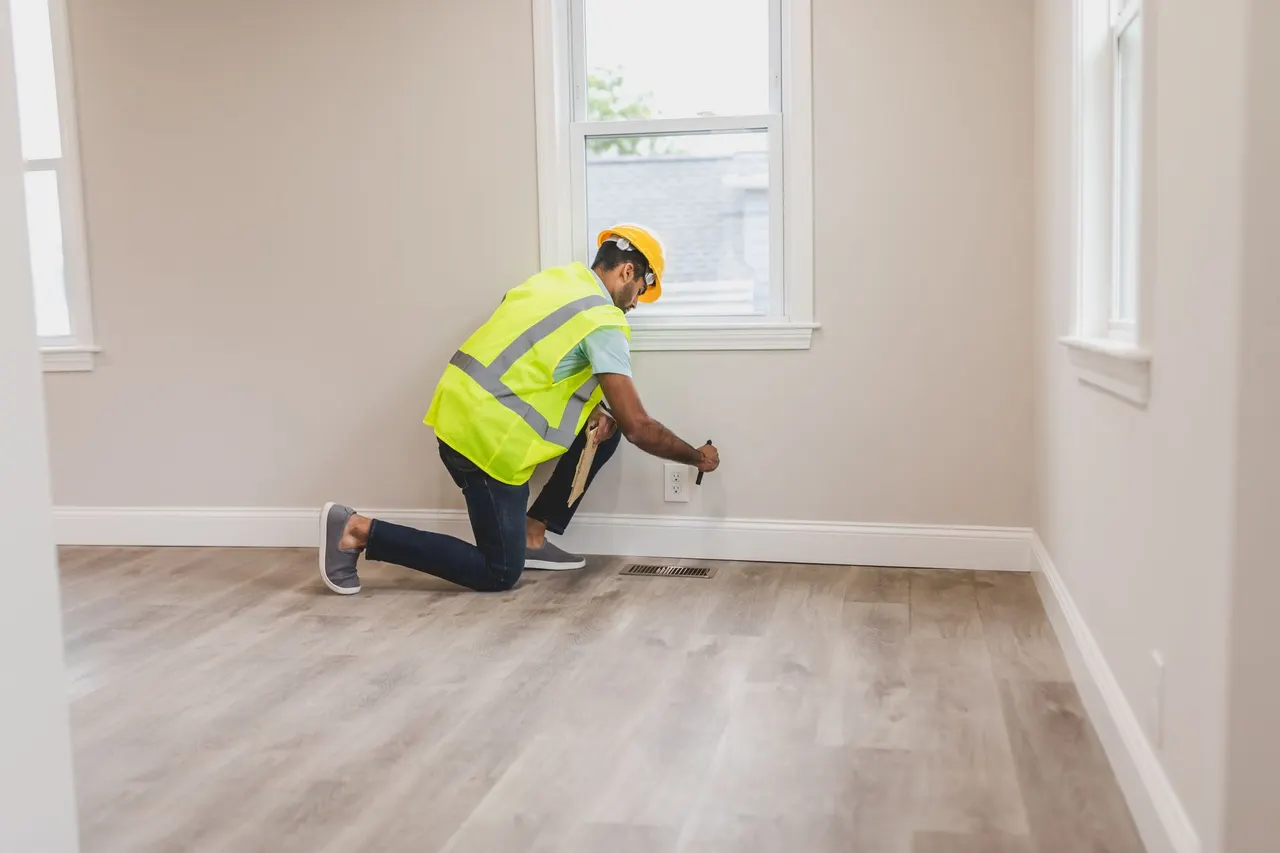
Water damage assessment in Newbold is the first step on every job. We use thermal imaging cameras, moisture meters, and hygrometers to map exactly where water traveled and how far it spread.
Structural drying in Newbold means placing commercial dehumidifiers and air movers in the right spots to dry walls, floors, and subfloors without causing secondary damage.
Dehumidification services in Newbold are critical because these rowhome basements trap humidity.
Carpet water extraction and drying in Newbold saves flooring when water is clean and caught early.
Hardwood floor drying and restoration in Newbold is common in the older rowhomes with original oak flooring.
Drywall water damage repair in Newbold often means cutting out saturated sections and drying the wall cavity behind them.
Ceiling water damage repair in Newbold usually traces back to a roof leak or a failed supply line in the bathroom above.
Roof leak water damage repair in Newbold starts with locating the breach, which is often around a chimney flashing or a worn boot on a vent pipe.
Pick a service to see how we approach it here.
In Newbold, we start by mapping moisture with thermal cameras because rowhome walls hide water well. We extract, set drying equipment, and monitor daily until readings hit dry standard. We then repair drywall, flooring, and baseboard so the home is put back together.
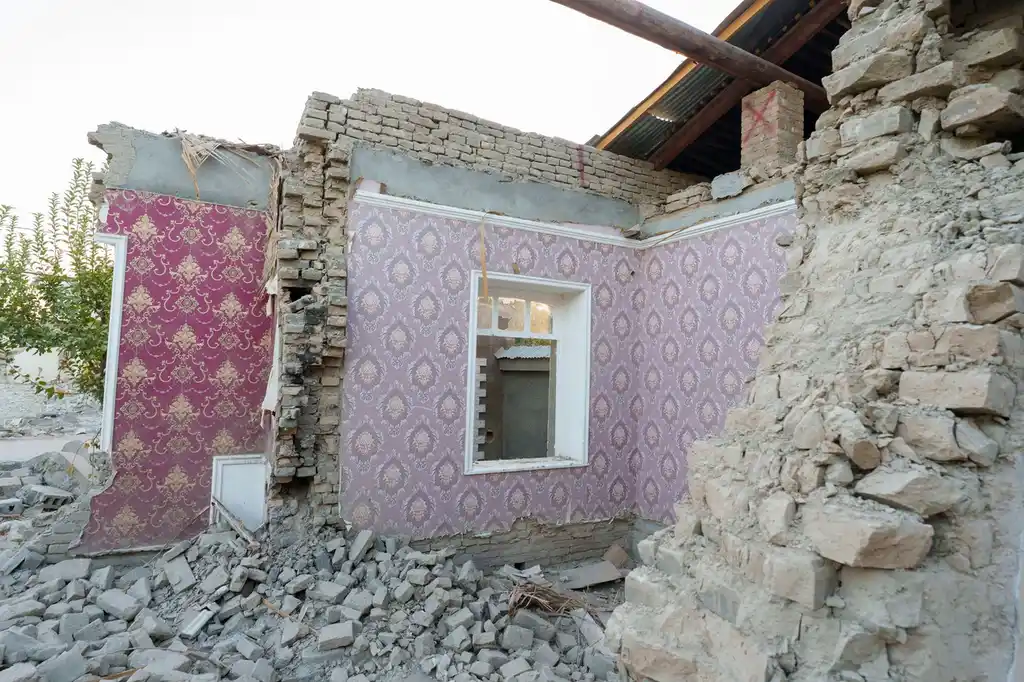
Emergency calls in Newbold often come from burst galvanized pipes or failed sump pumps. We shut off the water, extract standing water with compact units that fit tight stairwells, and set dehumidifiers. We work around limited parking and narrow basement access.
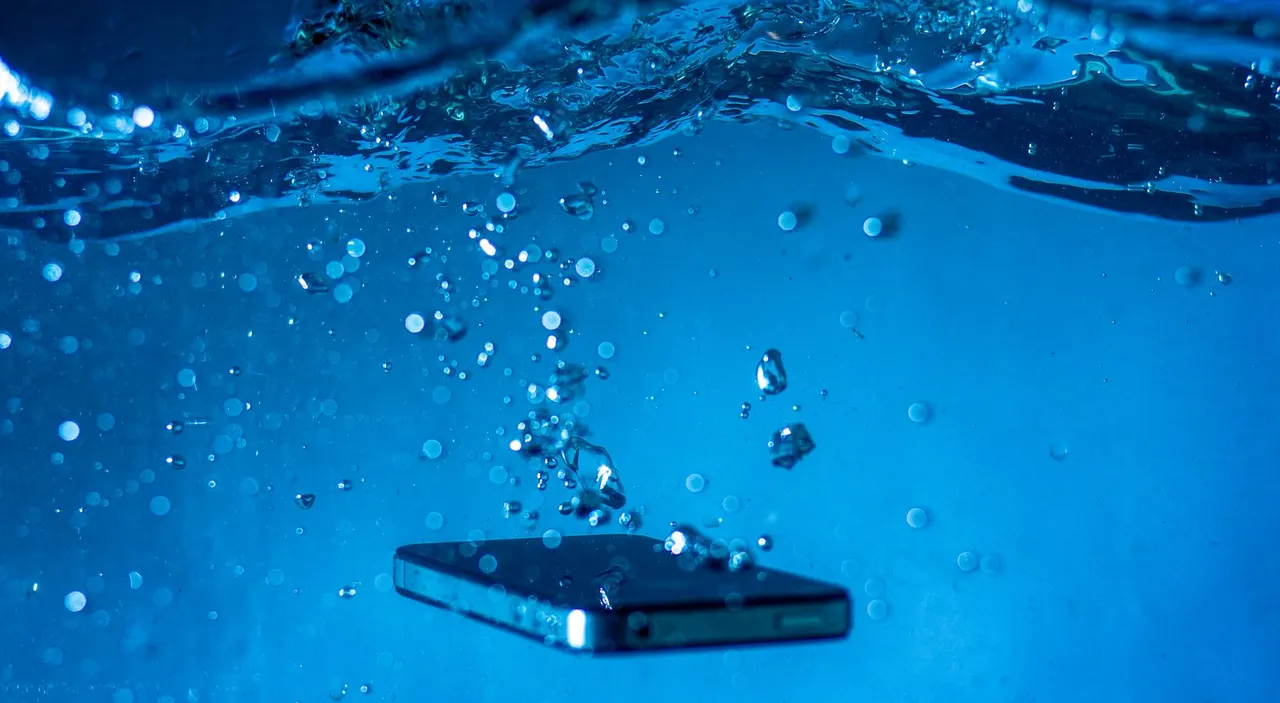
Flood cleanup in Newbold usually follows a sewer backup or a storm that overwhelms the old laterals. We contain the area, remove wet materials, apply antimicrobial solution, and dry the structure. We document everything for your insurance claim.

Basement extraction is our most common Newbold call because so many finished basements flood here. We pull water with truck-mounted or portable units, remove wet carpet and padding, and set drying equipment. We also check the sump pit and discharge line.
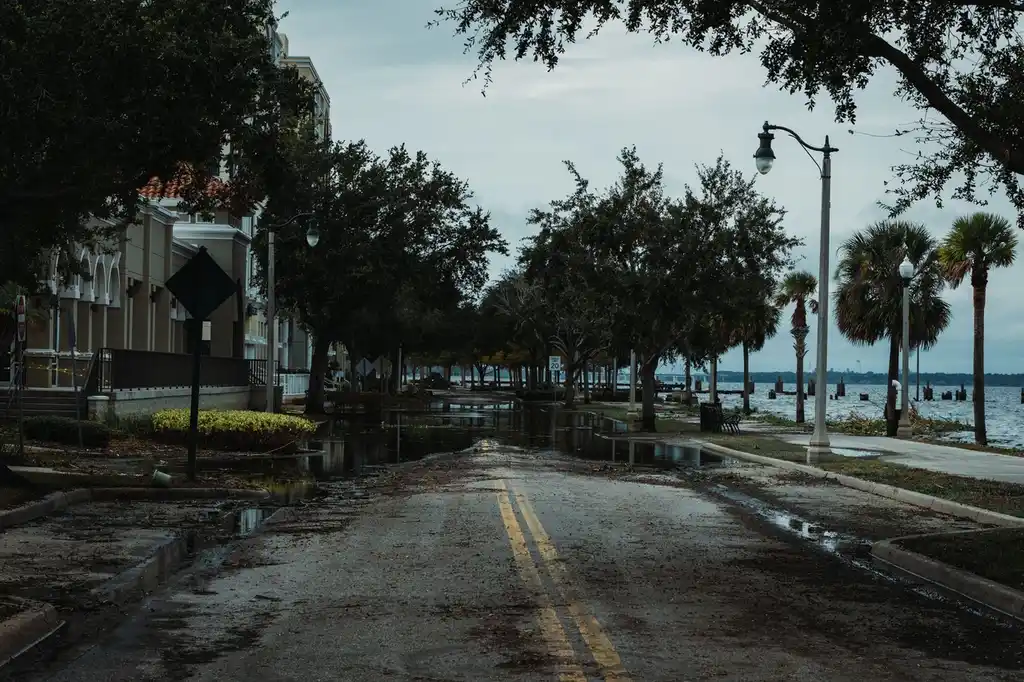
Homes and businesses in Newbold need different access, drying, and scheduling approaches.
Rowhomes here share walls and have tight basements, so we plan access and drying around the building. We protect floors and stairs while we work.
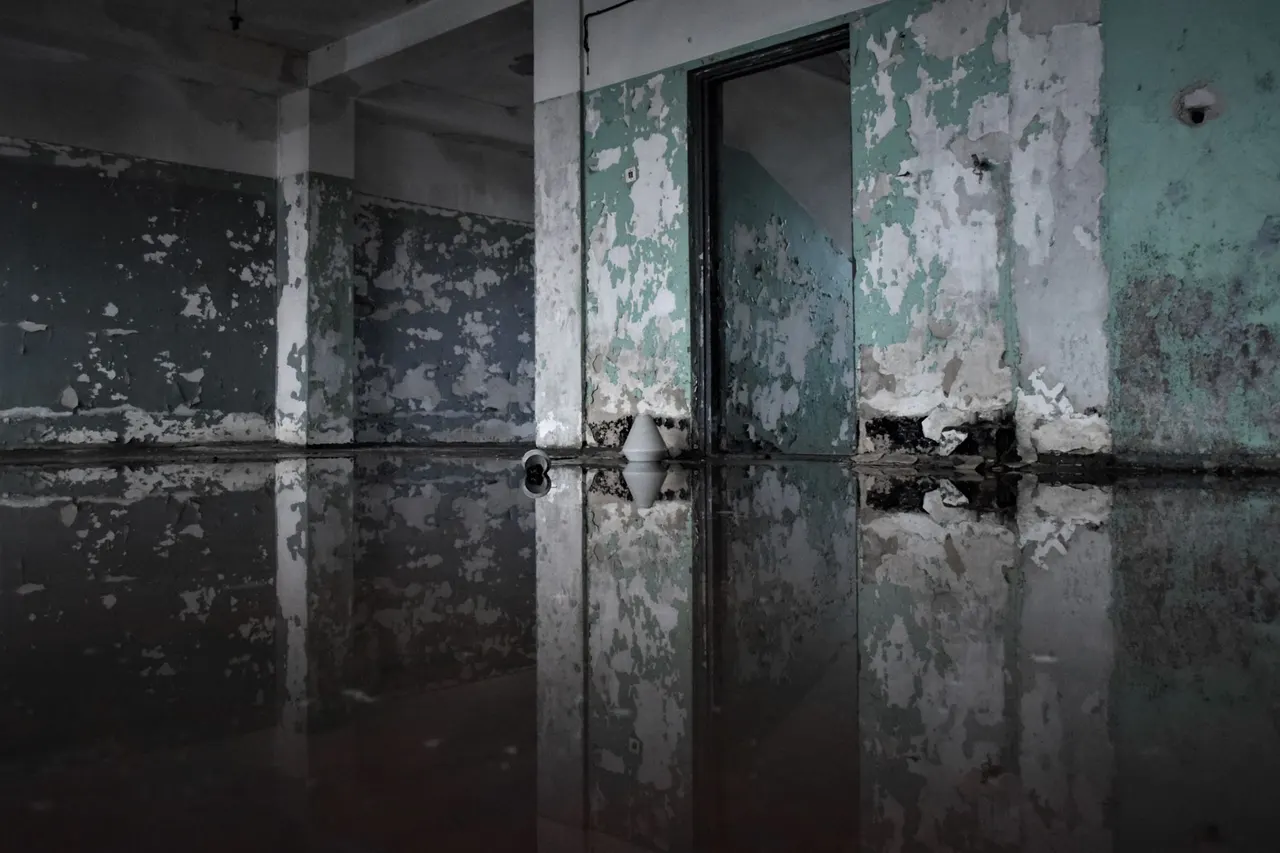
Shops and restaurants along the commercial corridors need fast drying with minimal disruption. We schedule around your operating hours and document the loss.
Newbold has a specific set of water problems that come from its age, its housing density, and its infrastructure. The sewer lines are old and prone to tree root intrusion. The rowhomes share walls, so water travels farther than you expect.
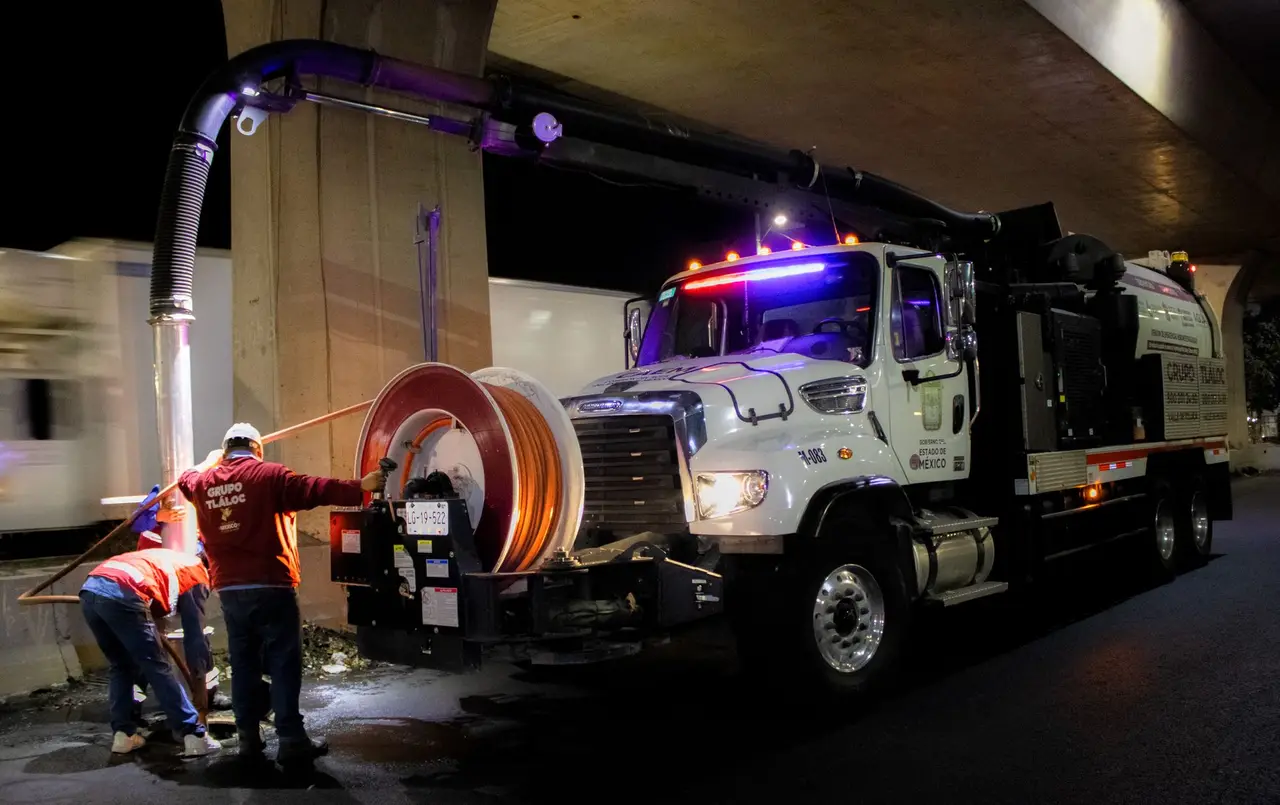
The clay sewer laterals under Newbold streets are old and have joints that tree roots easily invade. Once roots get inside, they catch debris and cause backups that flood basements with contaminated water. This is most common after heavy rain in spring and summer.
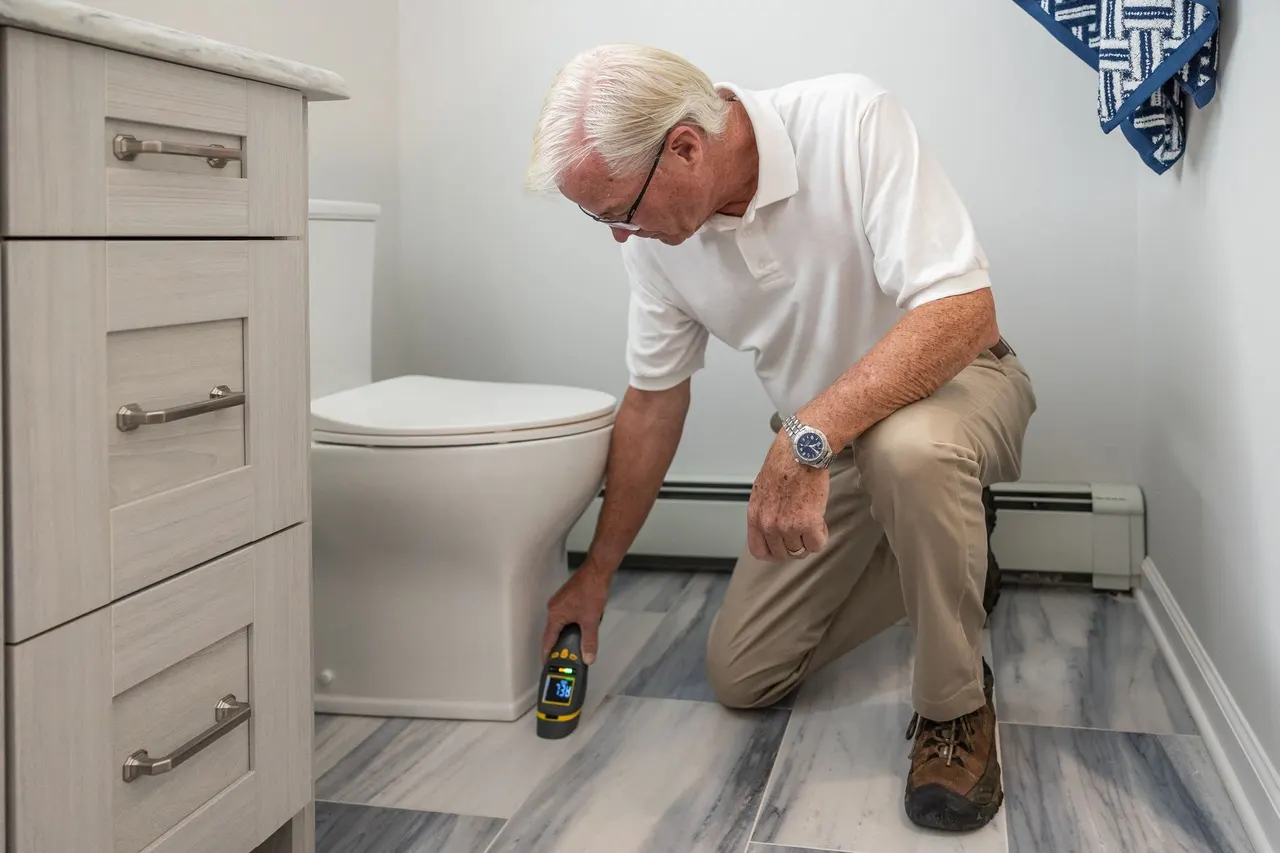
Many Newbold basements rely on sump pumps that are undersized or aging. When a summer storm dumps two inches of rain in an hour, the pump cannot keep up and the pit overflows. Power outages make it worse because the pump stops entirely.
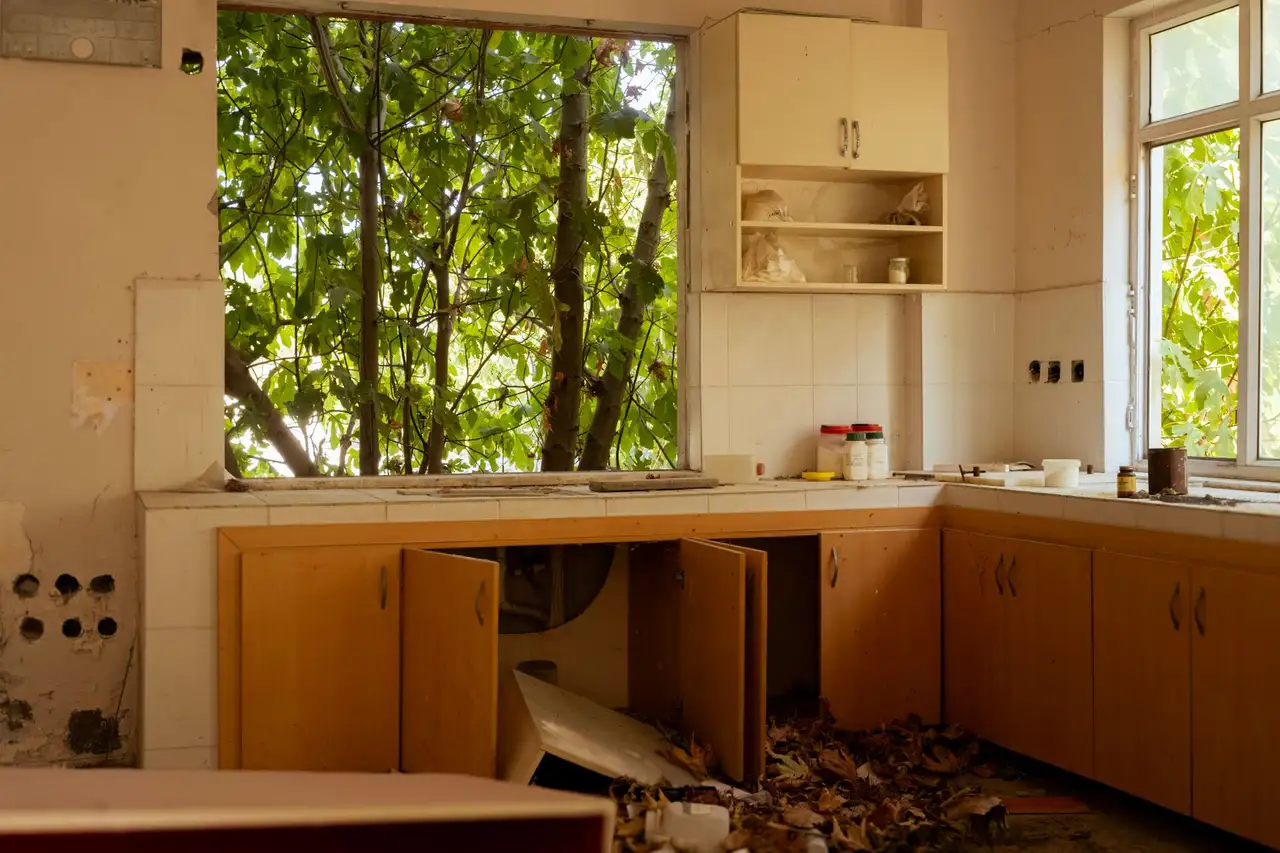
The galvanized supply lines in pre-1950 Newbold rowhomes corrode from the inside and eventually fail. When they burst, water can run for hours before anyone notices, especially if it happens behind a wall or in an unoccupied unit. Shared party walls mean the damage often spreads to the neighbor.
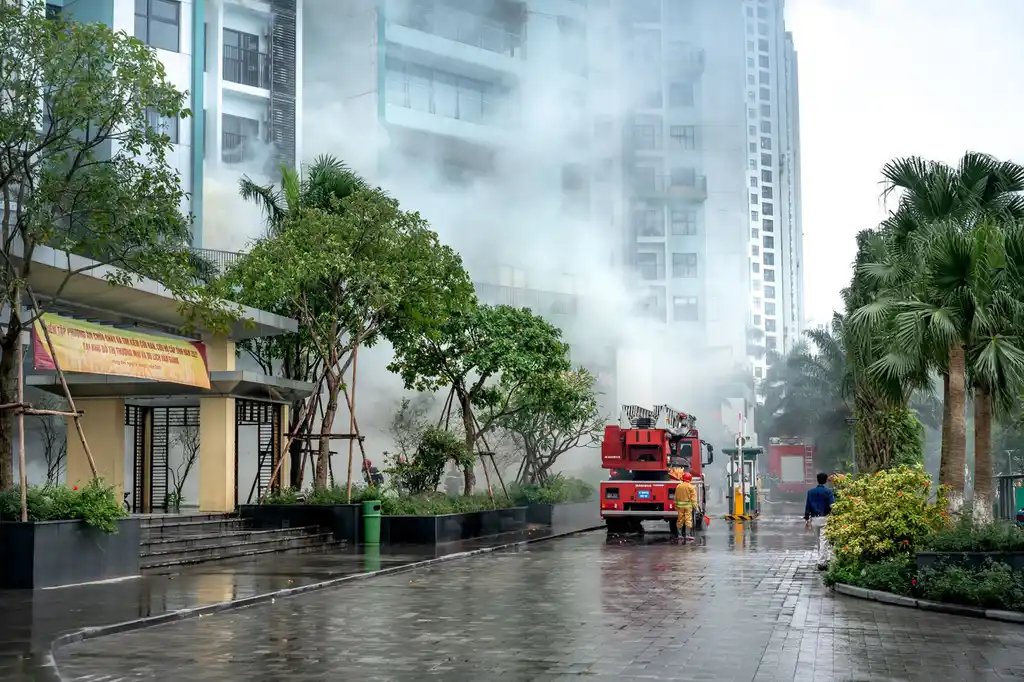
Newbold rowhomes have brick chimneys and aging flashing that crack or pull away over time. Wind-driven rain during nor'easters pushes water through those gaps and into the ceiling and walls. The leak is often slow, so it goes unnoticed until a stain appears.
A musty smell, a ceiling stain, or a sump pump that stays silent all point to hidden water.
Any one of these is worth a call.
Nothing picked yet. Tap the signs you have noticed and this box will sum them up.
There is no price list here, because every job is different. These are the things that move an estimate most.
Clean water from a supply line is cheaper to remediate than Category 3 sewage backup, which requires containment, removal of porous materials, and antimicrobial treatment.
The more area water reached, the more equipment and labor the job requires. In rowhomes, water can travel through shared walls into adjacent rooms or units, which increases the scope.
Carpet padding, insulation, and saturated drywall usually need to be removed and replaced. Hardwood flooring can sometimes be dried in place with drying mats, which saves money.
Newbold is compact, but parking and one-way streets can slow a crew down if they do not know the area. We use the neighborhood's landmarks to orient our dispatch and route drivers efficiently.
Landmark
Newbold Exchange is a commercial and community hub near Broad and Tasker.
Landmark
Broad Street is the main north-south artery through Newbold and the fastest route for our crews coming from Center City or South Philadelphia.
Landmark
Tasker Street runs east-west through the heart of Newbold and connects to Passyunk Avenue.
Landmark
Passyunk Avenue is the commercial spine of the area and a direct route to East Passyunk and Passyunk Square.
Commercial area
East Passyunk is a busy commercial district with restaurants, shops, and service businesses.
Commercial area
Broad Street through Newbold has a mix of retail, offices, and light industrial spaces. These properties often have flat roofs and older plumbing, which are common sources of water damage.
Transit
This SEPTA Broad Street Line station sits at Broad and Tasker, a central access point for our crews working the surrounding blocks.
Transit
Broad Street is the main north-south route through Newbold, giving our trucks direct access to the neighborhood from Center City and South Philadelphia.
Our basement flooded at 11 p.m. when the sump pump died. I called and a crew was at our door in 35 minutes. They extracted the water, set up dehumidifiers, and came back every day to check moisture levels. They also worked directly with our insurance adjuster, which saved us a lot of stress. The basement was dry in three days.
We had a sewage backup on a Sunday morning. They treated it as contaminated, sealed off the area, and removed the wet drywall and carpet. The crew was professional and explained every step. They also recommended a sewer line inspection, which found tree roots. Insurance covered the whole job.
A pipe burst behind our kitchen wall and water ran into the basement. They arrived same day, found the leak with a thermal camera, and dried everything out. They replaced the drywall and painted it so you cannot tell there was ever damage. The price was fair and they billed our insurance directly.
Newbold's water damage calls follow a seasonal pattern. Winter brings frozen pipes and burst supply lines. Spring and summer bring heavy rain, sewer backups, and sump pump failures. Fall is when slow roof leaks from summer storms finally show up as ceiling stains.
Newbold sits in the middle of a service region that stretches from Center City down through South Philadelphia. We run crews across these neighborhoods daily, so if you are just outside Newbold, we can still reach you fast.
Straight answers to what people ask first.
A small appliance leak on tile might be on the low end. A sewage backup that soaks drywall and carpet padding will be higher. We provide a written scope before work starts and bill your insurance directly.
Most homeowner policies cover sudden water damage like burst pipes, appliance leaks, and storm-driven backups, but not gradual leaks or poor maintenance. We document everything with photos and moisture readings, bill your carrier directly using Xactimate, and work with your adjuster so you are not managing the claim alone.
Most Newbold jobs take three to five days from extraction to dry standard. A small leak on a hard floor might dry in two days. A finished basement flood with wet drywall and carpet padding usually takes four to five days, plus additional time for repairs. We monitor daily and tell you exactly where you stand.
Water does not wait, and neither should you. If your basement is flooding, your ceiling is leaking, or your sump pump just failed, call us at 215-281-3000.
Call 215-281-3000 any time, day or night. We answer live, ask what happened, and dispatch a crew. If you prefer email, send photos and your address to [email protected] and we'll respond within the hour. Most Philadelphia calls get a technician on-site within 60 to 90 minutes.